

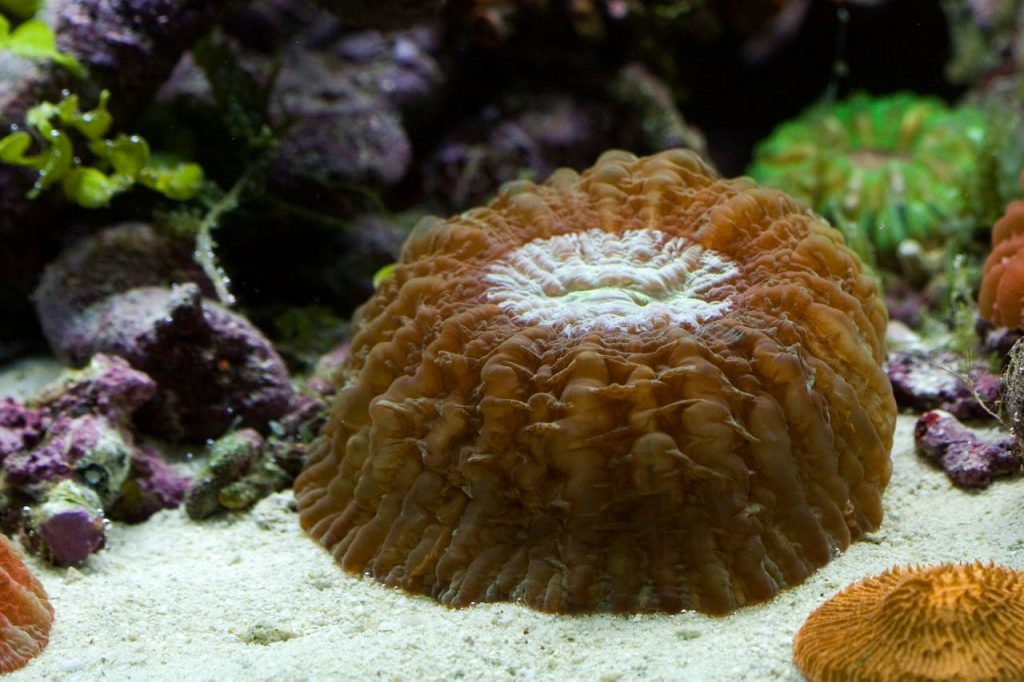
Acanthophyllia corals are showpiece LPS with big, fleshy tissue. They look hardy, but they punish sloppy handling. With stable parameters and gentle flow, they can thrive for years.
Tank setup, placement, and light
Acanthophyllia prefer a mature reef with stable chemistry. Aim for at least a 6 month old tank. A 40 gallon breeder can work, but bigger systems swing less.
Place the coral on sand, not rock. The tissue can tear on sharp edges. Leave 4 to 6 inches of space from other LPS. Their sweepers can sting at night.
Use low to moderate light to start. Target 60 to 120 PAR at the coral. Many specimens bleach under 200+ PAR. Acclimate for 10 to 14 days with reduced intensity.
Flow should be gentle and indirect. Think “slow sway,” not blasting. Too much flow causes recession near the skeleton. Too little flow traps detritus and irritates tissue.
- Start on the sand in a low flow corner.
- Increase light by 5% each week if color stays stable.
- Keep a 4 to 6 inch buffer from euphyllia and torches.
For more placement ideas, see our reef aquarium flow guide. If you run strong LEDs, review PAR lighting for reef tanks.
Water parameters and stability targets
Stability matters more than chasing perfect numbers. Keep salinity at 1.025 to 1.026 specific gravity. Hold temperature at 25 to 26 C (77 to 79 F). Avoid daily swings over 0.5 C.
Keep alkalinity steady at 8 to 9 dKH. Calcium should sit near 420 to 450 ppm. Magnesium should stay 1300 to 1400 ppm. Test alkalinity twice weekly in growing systems.
Nutrients should be present, but not dirty. Aim nitrate at 5 to 15 ppm. Aim phosphate at 0.03 to 0.10 ppm. Ultra low nutrients can cause pale tissue and slow recovery.
Use a drip acclimation for 30 to 45 minutes. Then inspect the underside for damage. Never lift by the fleshy mantle. Move the coral with a bowl or a gloved hand under water.
- Mix new saltwater to match salinity within 0.001.
- Limit alkalinity change to 0.5 dKH per day.
- Run carbon if you keep many chemical warfare corals.
If you need a baseline plan, follow our weekly reef tank maintenance checklist. It helps prevent slow parameter drift.
Feeding, handling, and troubleshooting
Acanthophyllia can live on light and dissolved nutrients. They often grow faster with targeted feeding. Feed 1 to 2 times per week. Use small portions to avoid regurgitation.
Offer meaty foods like mysis, chopped krill, or reef blends. Pieces should be 5 to 10 mm for most adults. Turn off pumps for 10 to 15 minutes. Use a turkey baster to place food on the mouth.
Watch for common stress signs. Gaping mouths can signal too much light or low salinity. Tissue peeling often follows sharp handling or high flow. Brown jelly can appear after injury and dirty water.
If brown jelly appears, act fast. Siphon the slime and detritus. Increase flow around, but not at, the coral. Perform a 10 to 20% water change. Consider an iodine dip in a separate container.
- Feed after lights dim to trigger stronger feeding response.
- Keep peppermint shrimp away during feeding sessions.
- Quarantine new LPS for 14 days when possible.
A real-world example helps. A coral placed at 180 PAR may fade in one week. Move it to 90 PAR and reduce flow. Color often returns in two to four weeks with steady nutrients.
Common mistakes include placing them on rock and blasting them with gyres. Another mistake is “fixing” a gaping mouth with rapid dosing. Make one change at a time. Then wait several days and observe.
With patient placement, stable chemistry, and light feeding, Acanthophyllia can become a long-term centerpiece. Treat them like a delicate animal, not a decoration. Small adjustments and steady hands bring the best results.
Sources: Borneman, E. “Aquarium Corals” (2001); Delbeek & Sprung, “The Reef Aquarium” Vol. 1–3; Fenner, R. “The Conscientious Marine Aquarist” (2001)
Was this helpful?
Related Posts
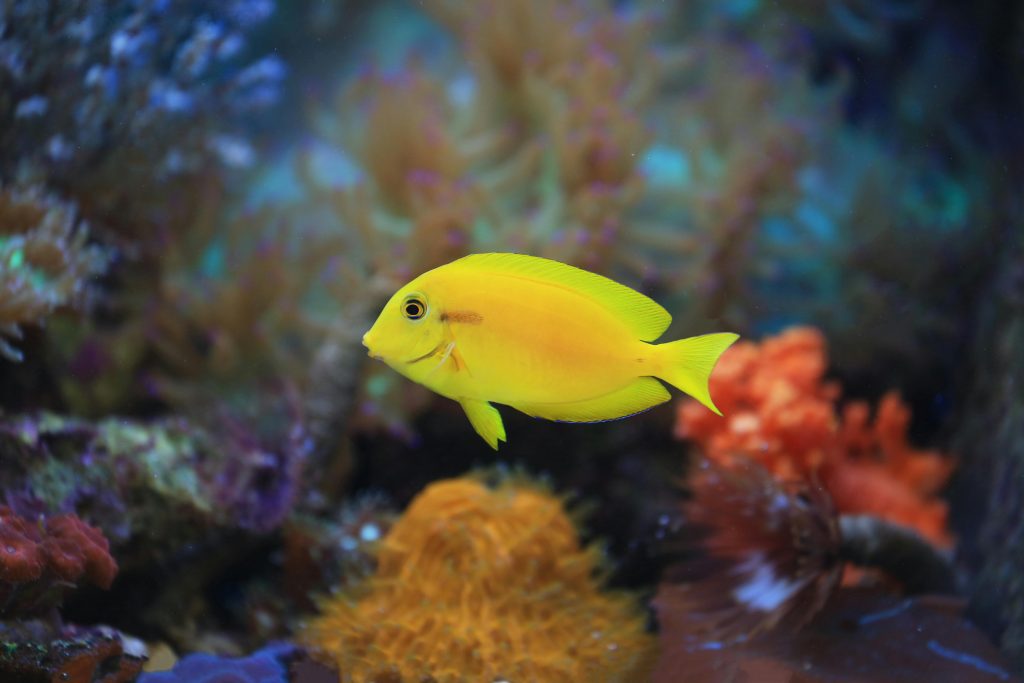
Juvenile Orange Shoulder (acanthurus Olivaceus)
Juvenile orange shoulder tangs are bright, hardy, and reef safe, but they grow large and need a spacious…
 By
By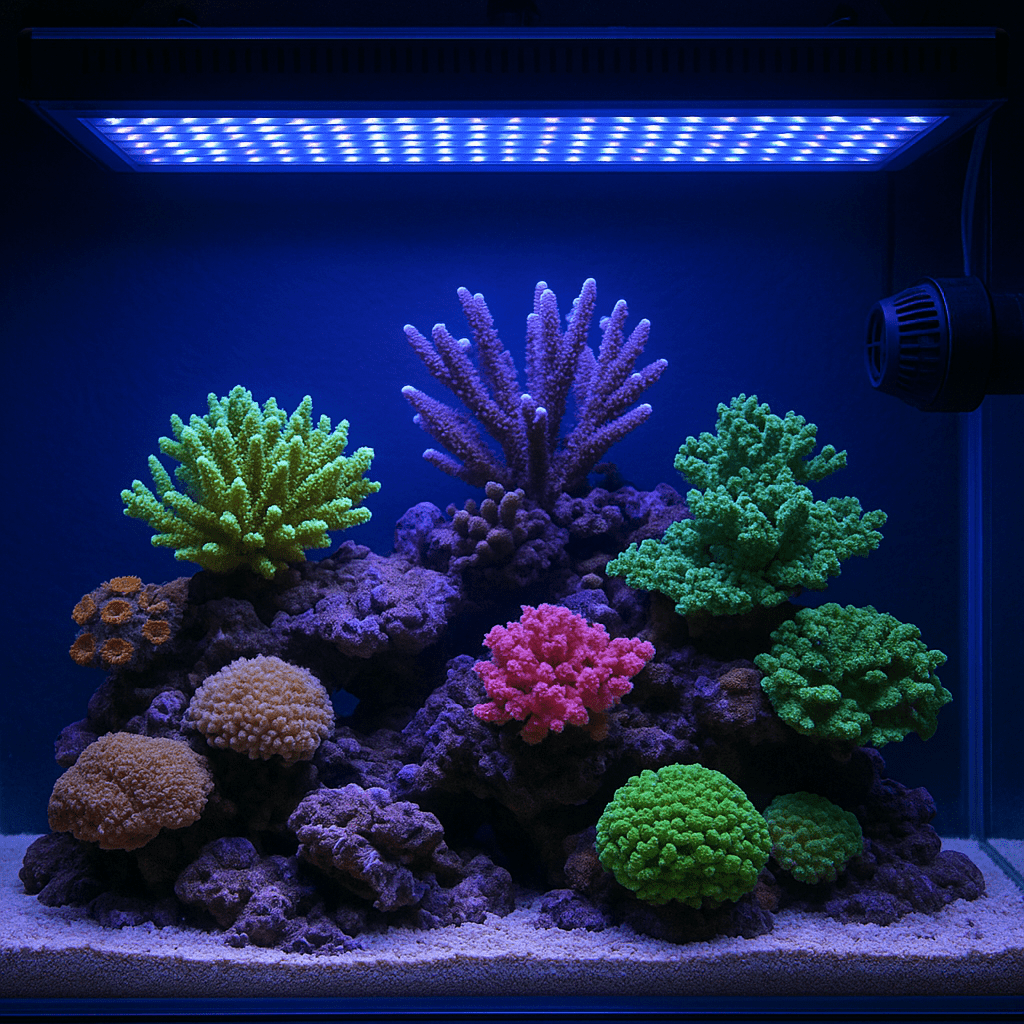
Best Filtration Systems
Best Filtration Systems for a Healthy Saltwater Aquarium Choosing the best filtration system for your saltwater aquarium is…
[favorite_button]
My Bookmarks:
To see full list click here
[user_favorites user_id="" include_links="true" site_id="" post_types="" include_thumbnails="true" thumbnail_size="thumbnail" include_excerpt="false"]