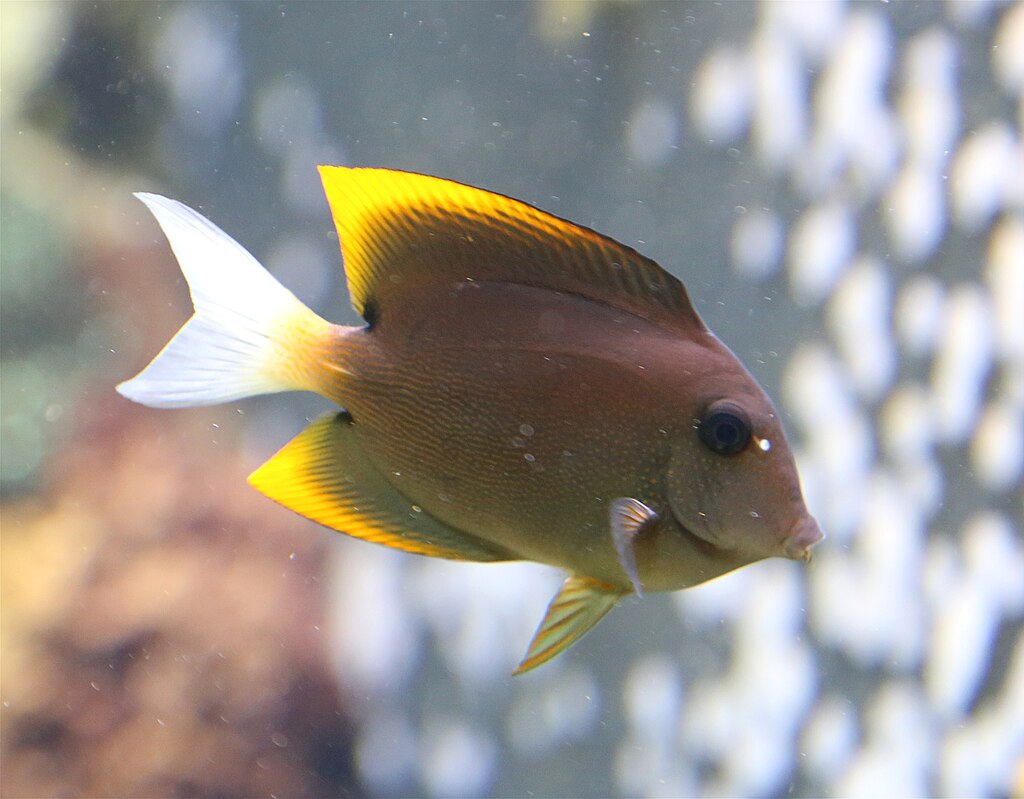
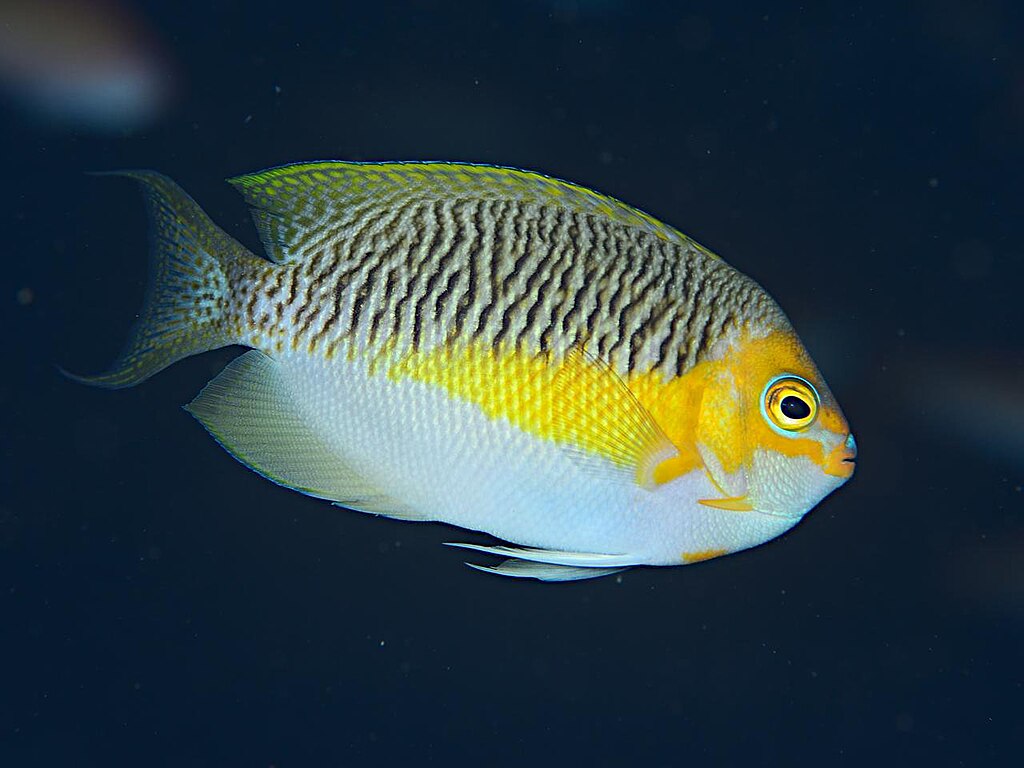
Reef-safe beginner fish are peaceful, hardy, and unlikely to nip corals or bother invertebrates. The best choices include clownfish, gobies, blennies, firefish, and a few small wrasses. These species adapt well to stable reef tanks and help new hobbyists build confidence without adding unnecessary risk.
Choosing your first reef fish can shape your whole experience in the hobby. Some marine fish are beautiful but demanding. Others are tough, calm, and much easier to keep in a mixed reef. In this guide, you will learn which beginner fish are truly reef-safe, how many to keep, what they eat, and how to avoid common stocking mistakes. You will also learn which species need caution, even when stores label them as reef compatible. The goal is simple. Start with fish that support a stable, peaceful tank.
Quick Reference Table
| Fish | Adult Size | Minimum Tank | Temperament | Reef Safe | Feeding Difficulty |
|---|---|---|---|---|---|
| Ocellaris Clownfish | 3 inches | 20 gallons | Peaceful to semi-aggressive | Yes | Easy |
| Percula Clownfish | 3 inches | 20 gallons | Peaceful to semi-aggressive | Yes | Easy |
| Firefish Goby | 3 inches | 20 gallons | Peaceful | Yes | Easy |
| Tailspot Blenny | 2.5 inches | 20 gallons | Peaceful | Yes | Easy |
| Yellow Watchman Goby | 4 inches | 20 gallons | Peaceful | Yes | Easy |
| Royal Gramma | 3 inches | 30 gallons | Peaceful to territorial | Yes | Easy |
| Banggai Cardinalfish | 3 inches | 30 gallons | Peaceful | Yes | Easy |
| Possum Wrasse | 3 inches | 30 gallons | Peaceful | Yes | Moderate |
What Makes a Fish Reef-Safe and Beginner Friendly?
A beginner reef fish needs more than bright color. It should tolerate normal aquarium life well. It should accept prepared foods quickly. It should also leave corals, shrimp, snails, and crabs alone. That is the reef-safe part.
Beginner friendly fish also handle small mistakes better than delicate species. They are less likely to crash after shipping stress. They usually adapt to frozen foods and pellets fast. They also tend to show clear behavior, which helps new hobbyists spot health issues early.
No fish is completely risk free. Individual personality matters. A clownfish may become territorial. A blenny may perch near corals. A wrasse may hunt tiny ornamental pests and beneficial microfauna. Still, the fish in this list have strong track records in reef tanks.
If you are still planning your system, read our guides on reef tank setup basics, reef tank water parameters, best clean up crew for a reef tank, and how to quarantine saltwater fish.
Best Reef-Safe Beginner Fish
These fish are popular for good reason. They stay manageable in size. Most are widely available. Most also eat prepared foods without much trouble. Start with one or two species, not a full list at once. Slow stocking protects water quality and reduces aggression.
Ocellaris and Percula Clownfish
Clownfish are often the best first reef fish. They are hardy and easy to feed. They tolerate captive life very well. Captive-bred clownfish are especially reliable. They are also less likely to carry disease than wild imports.
A bonded pair works well in many tanks. Keep only one pair per small aquarium. They may claim a corner, coral, or powerhead as their territory. This is normal. Most ignore corals and invertebrates completely. They can become pushy as they mature, so add more timid fish first when possible.
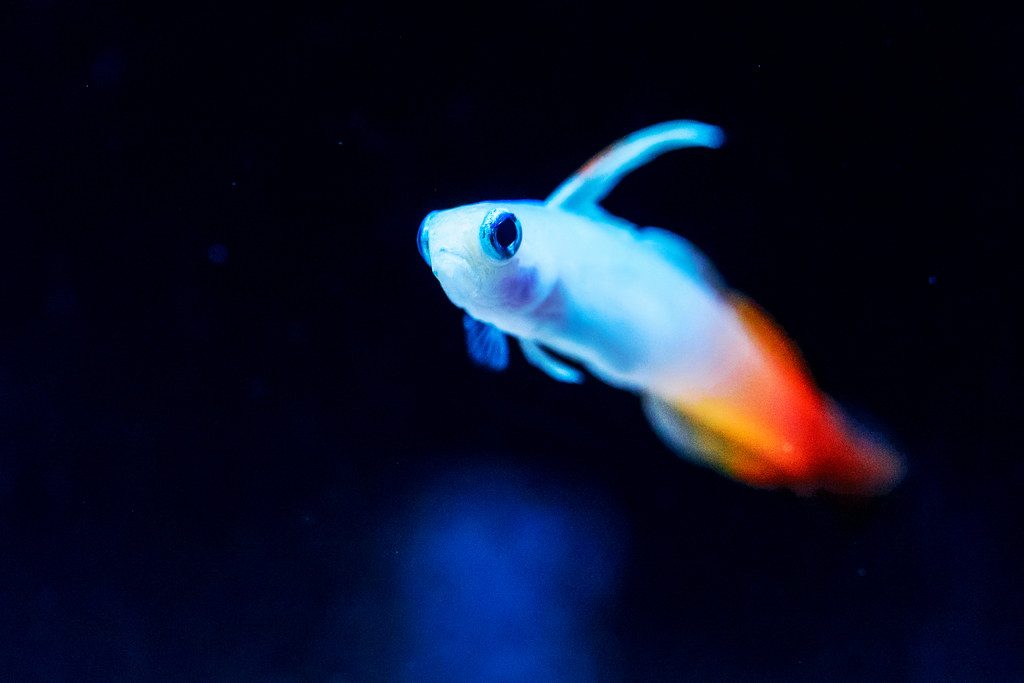
Firefish Goby
Firefish are peaceful, elegant, and great for calm reef tanks. They hover in open water and retreat to burrows when startled. Their main weakness is jumping. A tight lid is mandatory. Even small gaps are risky.
They do best with peaceful tankmates. Aggressive fish can keep them hidden. Feed small frozen foods, pellets, and enriched brine or mysis. Once settled, they are easy to keep. Many beginners love them because they add movement without causing trouble.
Tailspot Blenny
The tailspot blenny is one of the best nano reef fish. It stays small and has tons of personality. It perches on rock, grazes film algae, and watches the room. Many hobbyists choose one as the centerpiece fish in a small tank.
It is generally reef-safe. It may nip at film algae around coral bases, but it rarely damages healthy coral tissue. Offer algae-based foods, pellets, and frozen items. Do not rely on natural algae alone. In very clean tanks, supplemental feeding is essential.
Yellow Watchman Goby
This species is hardy, peaceful, and easy to feed. It spends time near the substrate and often forms a symbiotic bond with pistol shrimp. That behavior makes it a favorite in reef aquariums. It adds interest without needing lots of swimming room.
Provide sand, rock structure, and a few secure cave areas. It may move small amounts of sand near its burrow. That is normal. Most ignore corals completely. Feed frozen mysis, finely chopped seafood, and quality pellets. It usually adapts quickly.
Royal Gramma
Royal grammas bring strong color and classic reef behavior. They like caves and shaded rockwork. They are usually peaceful, but they can defend a chosen hiding spot. In a properly aquascaped tank, this is rarely a major issue.
They are reef-safe with corals and most invertebrates. Feed a mix of frozen meaty foods, pellets, and small prepared diets. Avoid keeping them with fish that occupy the same cave niche in very small tanks. Give them rockwork with multiple exits. That reduces stress.
Banggai Cardinalfish
Banggai cardinalfish are calm and easy to care for. They hover in place and do not need long swimming lanes. Their slow movement suits peaceful mixed reefs. They are also one of the easier marine fish for beginners to observe and feed.
Keep a single fish, a bonded pair, or a carefully planned group in larger systems. Random groups can fight as they mature. They are fully reef-safe with corals. Feed meaty frozen foods, pellets, and enriched prepared diets. Their calm nature makes them excellent community fish.
Possum Wrasse
If you want a wrasse, the possum wrasse is one of the safest beginner options. It stays small and remains peaceful. It hunts tiny pests among rocks but usually ignores shrimp, snails, and corals. It is less boisterous than many common wrasses.
This fish can be shy at first. Mature live rock helps it feel secure. Offer small frozen foods and fine pellets. It may take time to settle. Once established, it becomes a fascinating reef inhabitant. It is better for stable tanks than brand-new systems.
Aquarium Setup for Beginner Reef Fish
Most beginner reef-safe fish do well in tanks from 20 to 40 gallons and up. Bigger tanks are easier to keep stable. They also give fish more territory. Stability matters more than chasing a specific fish list.
Use porous live rock or quality dry rock with open caves. Leave swimming space in front. Add a sand bed if you plan to keep gobies. Use a secure lid for firefish and other jumpers. Strong filtration helps, but avoid blasting every area with flow.
Keep temperature stable. Maintain salinity consistently. Avoid sudden parameter swings. New fish struggle more with instability than with numbers that are slightly imperfect but steady. Quarantine is strongly recommended. It prevents disease from entering your display and protects your first livestock investment.
Feeding Beginner Reef Fish
Most beginner species accept a mixed diet. That is ideal. Feed small portions once or twice daily. Rotate foods for better nutrition. Good choices include frozen mysis, quality marine pellets, finely chopped seafood, and algae-based foods for blennies.
Do not overfeed because fish look eager. Marine fish often beg. Extra food raises nitrate and phosphate fast in small tanks. Feed enough that food is eaten within a minute or two. Target shy fish with a turkey baster if needed.
New arrivals may refuse food for a day or two. That can be normal. Try different textures and particle sizes. Reduce stress with dimmer lighting and fewer disturbances. Healthy beginner fish usually start eating quickly once they feel secure.
Compatibility and Stocking Tips
The safest beginner reef community is peaceful and lightly stocked. Avoid mixing several territorial fish at once. Add timid fish first. Add bolder fish later. This simple order prevents many problems.
Clownfish can bully firefish in small tanks. Royal grammas may spar with similar cave dwellers. Blennies may dislike similar-shaped bottom perchers. Most of these issues are manageable with space and careful planning. Invertebrates are usually safe with the species listed here.
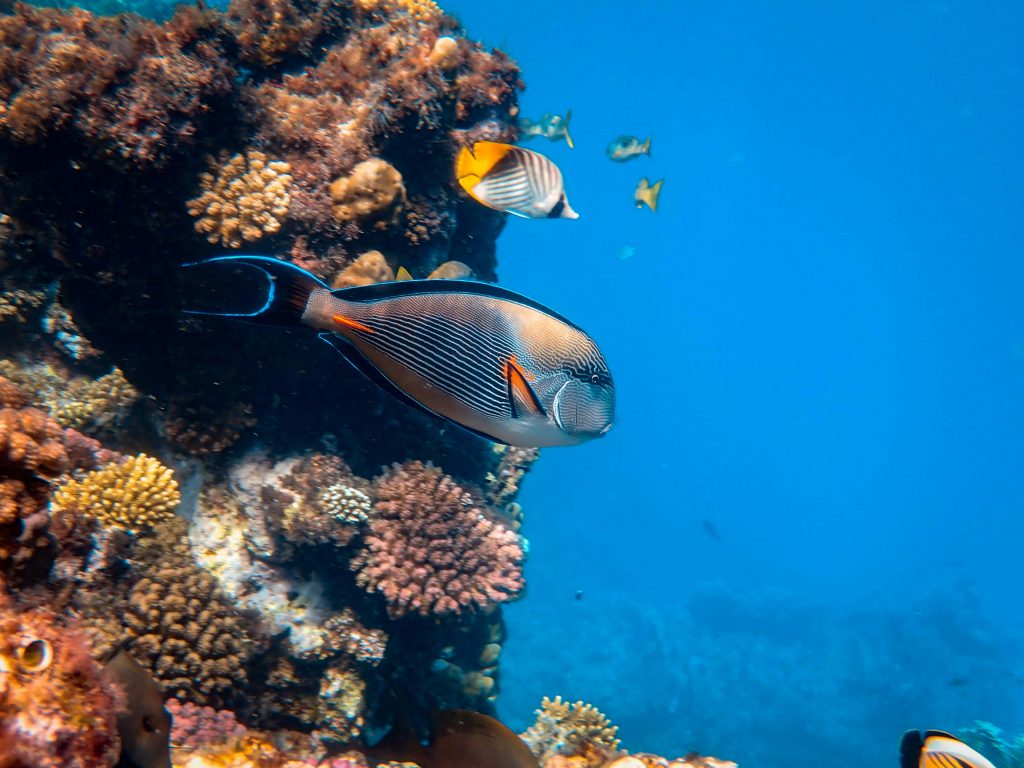
Do not rush to add a tang, dottyback, hawkfish, or larger wrasse to a beginner nano reef. Some are reef-safe with caution, not truly beginner-safe. They may outgrow the tank, harass peaceful fish, or bother shrimp. A calm fish list is easier to manage and more enjoyable long term.
Step-by-Step: How to Choose Your First Reef Fish
First, match fish to tank size. Do not buy based on color alone. Second, confirm the species is reef-safe with corals and invertebrates. Third, check adult size, not store size. Fourth, choose captive-bred fish when available. They often adapt better.
Fifth, inspect the fish carefully. Look for clear eyes, full body weight, normal breathing, and strong feeding response. Sixth, quarantine before adding to the display. Seventh, add one fish or one compatible pair at a time. Eighth, wait between additions so your biofilter can adjust.
This slow approach saves money and frustration. It also helps you learn each fish’s behavior. That makes future stocking decisions much easier.
Common Problems
Fish Hiding All the Time
New fish often hide for several days. That is normal. Check for bullying, excessive flow, or lack of cover. Firefish and possum wrasses are especially shy. Dim the lights, reduce sudden movement near the tank, and make sure more aggressive fish are not chasing them.
Fish Not Eating
Stress is the usual cause. Poor shipping, disease, or aggressive tankmates are also possible. Offer frozen mysis, smaller pellets, and enriched brine as a starter food. Test ammonia if the tank is new. Watch breathing and body condition closely.
Jumping Out of the Tank
Firefish and gobies are famous jumpers. Use a tight mesh lid. Check every cable opening and overflow gap. Jumping often happens after lights switch on, during aggression, or when a fish is startled by movement.
Territorial Behavior
Clownfish and royal grammas may defend a small area. Rearranging a little rockwork can help. Adding fish in the right order also matters. If aggression continues, the tank may simply be too small for the combination.
Frequently Asked Questions
What is the easiest reef-safe fish for beginners?
Ocellaris clownfish are often the easiest choice. They are hardy, widely available, and easy to feed. Captive-bred specimens are especially beginner friendly.
How many fish can I keep in a beginner reef tank?
That depends on tank size, filtration, and fish type. A 20-gallon reef should stay lightly stocked. Start with two or three small fish at most. Add slowly.
Are clownfish always reef-safe?
Yes, with corals and most invertebrates. The main issue is aggression, not coral nipping. A pair may become territorial as they mature.
Can I keep a beginner reef fish without quarantine?
You can, but it is risky. Marine fish often carry parasites or bacterial issues. Quarantine greatly reduces the chance of infecting your display.
What fish should beginners avoid in a reef tank?
Avoid delicate butterflies, large tangs in small tanks, aggressive dottybacks, and fish labeled reef-safe with caution. Many create problems for new hobbyists.
Final Thoughts
The best reef-safe beginner fish are not just attractive. They are stable choices that support long-term success. Start with peaceful, hardy species like clownfish, gobies, blennies, royal grammas, and cardinalfish. Add fish slowly. Feed a varied diet. Keep water parameters steady. That simple approach leads to a healthier reef and a much better first year in the hobby.
Was this helpful?
Related Posts
Bristleworms
Bristleworms are usually helpful reef tank scavengers. Learn how to identify them, control numbers, and spot the rare…
What is a Chaeto Reactor, and How Does it Help Control Nutrients?
A chaeto reactor grows macroalgae in a sealed chamber to remove nitrate and phosphate, helping reef tanks control…