

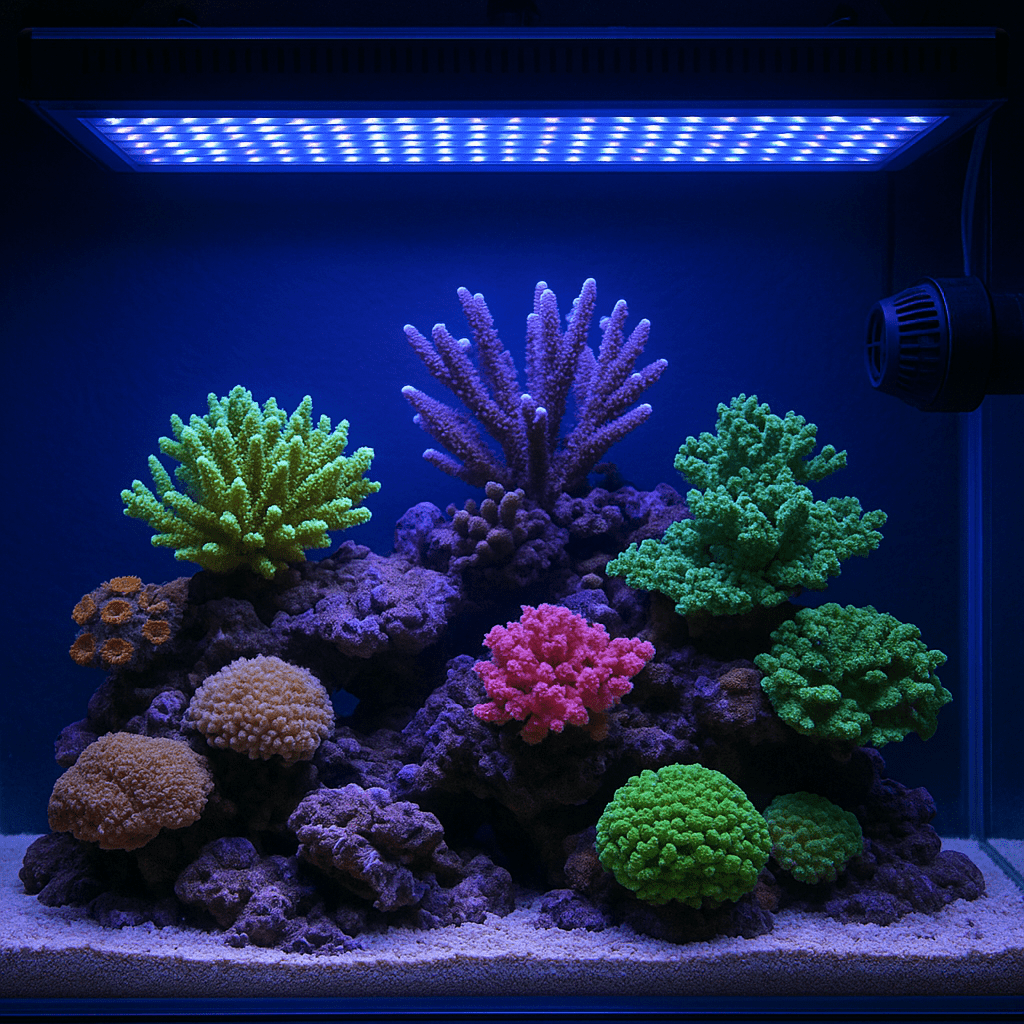
Algae in a reef tank is normal. Uncontrolled algae is not. The fix is rarely one product or one animal. It usually takes better nutrient control, stronger export, stable maintenance, and a realistic cleanup plan. Once you address the cause, most algae problems become manageable.
Nearly every reef keeper fights algae at some point. New tanks often go through ugly stages. Mature tanks can also slip when nutrients rise, flow drops, or maintenance gets inconsistent. The good news is that algae can be controlled without tearing down your reef. In this guide, you will learn what causes algae, how to identify common types, and what steps actually work long term. We will cover nutrient management, lighting, water flow, cleanup crews, refugiums, and practical troubleshooting. The goal is simple. Help you build a reef tank where corals thrive and nuisance algae stays in check.
Quick Reference Table
| Issue | Likely Cause | Best First Step | Long-Term Fix |
|---|---|---|---|
| Green hair algae | High nutrients, trapped detritus, old bulbs | Manual removal | Reduce nitrate and phosphate, improve export |
| Bubble algae | Excess nutrients, spores spreading | Careful hand removal | Stable nutrients, stronger maintenance |
| Film algae on glass | Normal nutrient availability, strong light | Scrape glass | Adjust feeding and export if growth is heavy |
| Cyanobacteria | Low flow, organics, instability | Siphon mats | Improve flow and nutrient balance |
| Dinoflagellates | Ultra-low nutrients, imbalance, sterile system | Confirm ID | Raise nutrients carefully and restore biodiversity |
| Brown diatoms | Silicates, new tank stage | Wait and clean lightly | Use RODI water and let tank mature |
Use this table as a starting point. Always identify the algae first. Similar-looking outbreaks can have very different causes.
Why Algae Grows in Reef Tanks
Algae needs light, nutrients, and a surface to grow. Every reef tank provides those basics. The real question is why nuisance algae gains the upper hand. In most cases, the tank has excess available nutrients. Nitrate and phosphate are the main drivers. Heavy feeding, weak filtration, and trapped detritus all add fuel. Poor source water can also contribute. If your RODI system is overdue for service, silicates and dissolved solids may enter the tank.
Flow also matters. Dead spots collect waste. Waste breaks down into nutrients. That creates perfect algae patches on sand, rock, and back glass. Lighting can make the issue worse. Long photoperiods and old bulbs often encourage nuisance growth. Stability matters too. Tanks that swing between very high and very low nutrients often struggle. Corals dislike instability. Algae adapts faster. The key is not zero nutrients. The key is balance. Healthy reefs usually run with measurable nutrients, strong export, and steady husbandry.
Identify the Algae Before You Treat It
Correct identification saves time and frustration. Green hair algae forms soft strands. It waves in the current and grabs onto rock. Bubble algae appears as shiny green bubbles. Film algae coats glass in a thin layer. Diatoms look dusty and brown. They are common in new tanks. Cyanobacteria is not true algae. It forms slimy sheets, often dark red or maroon. Dinoflagellates can look like brown snot with bubbles trapped inside.
These pests need different solutions. Hair algae often points to excess nutrients and weak export. Cyanobacteria often points to low flow and organics. Dinoflagellates often appear in tanks driven too clean. That is why random treatments often fail. If needed, inspect the growth closely during the day and after lights out. Note texture, color, and whether it traps bubbles. Test nitrate and phosphate before making major changes. If the outbreak is severe, take photos and compare them carefully. Good reefkeeping starts with diagnosis, not guessing.
Step-by-Step Plan to Control Algae
Start with manual removal. Pull hair algae by hand. Twist it gently to avoid spreading fragments. Siphon cyanobacteria mats during water changes. Scrape film algae from glass. Remove bubble algae carefully if possible. The goal is to reduce biomass fast. This gives your export methods a chance to catch up.
Next, test your water. Check nitrate and phosphate with reliable kits or meters. Also test alkalinity and salinity. Unstable reef tanks often invite nuisance growth. Then inspect your source water. RODI water should read zero TDS. Replace filters and DI resin when needed. Clean your skimmer and empty the cup often. Replace or rinse filter socks and floss on schedule. Dirty mechanical media can become nutrient factories.
Then review feeding. Feed enough for fish health, but avoid waste. Thaw frozen food and discard the packing juice if needed. Target feed corals carefully. Reduce excess without starving the tank. Finally, improve export. Add or tune a protein skimmer. Use phosphate media if phosphate is high. Harvest macroalgae from a refugium. Increase water changes if nutrients are climbing. Stick with one plan for several weeks. Algae control takes consistency.
Nutrient Control and Water Chemistry
Nitrate and phosphate are not enemies. Corals and beneficial microbes need them in small amounts. Problems start when one or both rise too high, or when they bottom out completely. Many successful reef tanks keep nitrate in a low but measurable range. Phosphate should also remain measurable, but controlled. Exact targets vary by tank. Mixed reefs often tolerate more nutrients than SPS-dominant systems.
What matters most is trend and stability. If nitrate keeps rising each week, nutrient export is too weak. If phosphate stays elevated despite water changes, detritus and feeding may be the real issue. If both nutrients hit zero and the tank looks worse, you may be dealing with dinoflagellates or an imbalanced system. Do not chase numbers daily. Make one change at a time. Give the tank time to respond. Stable salinity, alkalinity, calcium, and magnesium also help corals compete better. Healthy coral growth covers rock and leaves less space for algae to take hold.
Lighting Requirements and Photoperiod Control
Light does not create algae by itself. It speeds up growth when nutrients are available. That means lighting should be reviewed, not blamed for everything. If your tank receives direct sunlight, reduce it first. Sunlight can drive stubborn outbreaks. Next, examine your photoperiod. Many reef tanks do well with about eight to ten hours of full lighting. Running intense lights for longer can feed nuisance growth.
Older fluorescent bulbs can also shift spectrum and encourage algae. Replace them on schedule. LED users should avoid dramatic changes. Cutting intensity too hard can stress corals without solving the root issue. Instead, make small adjustments. Reduce white channels if they are very high. Keep a stable schedule. If you run a refugium, reverse lighting can help stabilize pH and export nutrients. The goal is not darkness. The goal is balanced light that supports corals more than nuisance algae. Good husbandry beats blackout methods in most long-term reef systems.
Water Flow and Detritus Management
Low flow areas are algae magnets. Food, fish waste, and mulm settle into rock crevices and corners. As that waste breaks down, algae gets a steady nutrient supply. Strong, varied flow helps keep particles suspended so filtration can remove them. It also prevents cyanobacteria from forming thick mats on sand and rock.
Check your tank for dead spots. Watch how food moves after feeding. If debris settles quickly in one area, adjust your powerheads. Aim for broad, random flow rather than a harsh direct blast. Clean pumps often. Dirty pumps lose output over time. During water changes, use a turkey baster or small powerhead to blow detritus from the rockwork. Siphon what settles. This simple habit can make a huge difference. Bare bottom tanks make detritus easier to spot. Sand beds need more care. Stirring the top layer lightly during maintenance can help, but avoid deep disturbance in established beds.
Cleanup Crew and Natural Grazers
A cleanup crew helps, but it is not a cure. Snails, hermits, urchins, and algae-eating fish can reduce growth and keep surfaces clean. They work best after you lower the nutrient pressure. Trochus snails are excellent all-around grazers. Turbo snails can mow down hair algae, but they may bulldoze loose frags. Tuxedo urchins are strong grazers too, though they often carry loose items on their spines.
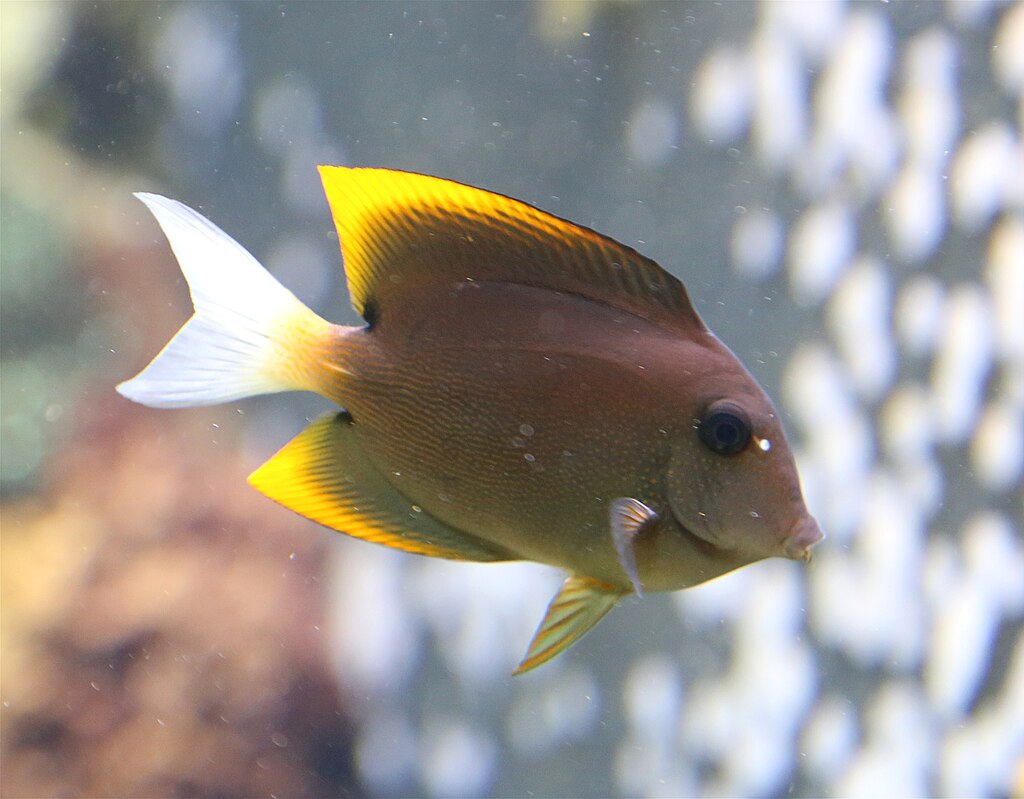
For larger tanks, tangs and some blennies can help with film and filamentous algae. Choose fish for the tank size first. Never buy a grazer for a tank that is too small. Emerald crabs may eat bubble algae, but results vary. Some become opportunistic with age. Match the cleanup crew to the problem. Add them slowly. Overstocked cleanup crews often starve after the outbreak fades. The best approach is balanced. Use grazers to maintain control, not to replace maintenance. If you want a deeper foundation, see reef tank clean up crew and reef tank water parameters.
Refugiums, Skimmers, and Other Export Tools
Long-term algae control depends on nutrient export. A good protein skimmer removes organics before they break down. It also improves gas exchange. Refugiums grow macroalgae like chaetomorpha, which competes for nitrate and phosphate. When you harvest the macroalgae, you export those nutrients from the system. This method is simple and effective when set up well.
Mechanical filtration also matters. Filter socks, roller mats, and floss trap particles early. They only work if cleaned or replaced often. Activated carbon helps water clarity, but it does not remove nitrate. GFO and other phosphate media can lower phosphate when used properly. Start slow. Dropping phosphate too fast can stress corals. Some reef keepers also use bacterial methods or carbon dosing. These can work, but they require careful monitoring. Beginners should master feeding, water changes, skimming, and detritus control first. For more help, read best protein skimmer for reef tank and reef tank refugium guide.
Common Problems
Why is algae growing even with low nitrate and phosphate?
Test kits measure water column nutrients. Algae can consume those nutrients before the test sees them. Detritus trapped in rock can also feed localized growth. Manual removal and detritus export usually help. Check source water too.
Why did algae get worse after I reduced feeding?
Reducing food lowers nutrients slowly. Existing algae can keep growing for weeks. In some tanks, cutting nutrients too hard can favor dinoflagellates. Make gradual changes and confirm what pest you have.
Should I use an algaecide?
Chemical treatments can provide short-term relief. They rarely solve the cause. Dead algae can also release nutrients back into the tank. Use them carefully and only with a clear plan.
Does a blackout work?
A blackout may weaken some outbreaks. It often returns if nutrients and detritus remain high. Corals can also suffer from repeated blackouts. Use this method sparingly.
How long does algae control take?
Minor issues may improve in two weeks. Heavy outbreaks often take one to three months. The timeline depends on consistency. Stable husbandry wins over quick fixes.
Frequently Asked Questions
Is some algae normal in a reef tank?
Yes. A little film algae and occasional patches are normal. The goal is control, not a sterile tank.
What is the best algae eater for a reef tank?
There is no single best choice. Trochus snails are excellent for many tanks. Tangs, blennies, and urchins can help in the right setup.
Can water changes alone fix algae?
Water changes help, but they are rarely enough alone. You also need detritus control, proper feeding, and reliable nutrient export.
Should nitrate and phosphate be zero?
No. Zero nutrients often create new problems. Most reef tanks do better with low, stable, measurable nutrients.
Will algae disappear as the tank matures?
Some early blooms fade with time. Persistent nuisance algae usually needs active correction. Maturity helps, but maintenance still matters.
Final Thoughts
Controlling algae in a reef tank is about removing the advantage algae has over corals. Start by identifying the pest. Then reduce its fuel source. Export waste, improve flow, review lighting, and keep nutrients stable. Use cleanup crews as support, not as the whole strategy. Most important, stay patient. Reef tanks reward steady habits. If you want stronger long-term results, build routines that prevent algae before it starts. That is how healthy reef systems stay clean, stable, and enjoyable to keep.
Was this helpful?
Related Posts
Best Filtration Systems
Best Filtration Systems for a Healthy Saltwater Aquarium Choosing the best filtration system for your saltwater aquarium is…
 By
By
Clown Triggerfish (Balistoides Conspicillum)
Clown triggerfish are stunning but aggressive marine fish that need very large tanks, strong filtration, and careful tankmate…
[favorite_button]
My Bookmarks:
To see full list click here
[user_favorites user_id="" include_links="true" site_id="" post_types="" include_thumbnails="true" thumbnail_size="thumbnail" include_excerpt="false"]