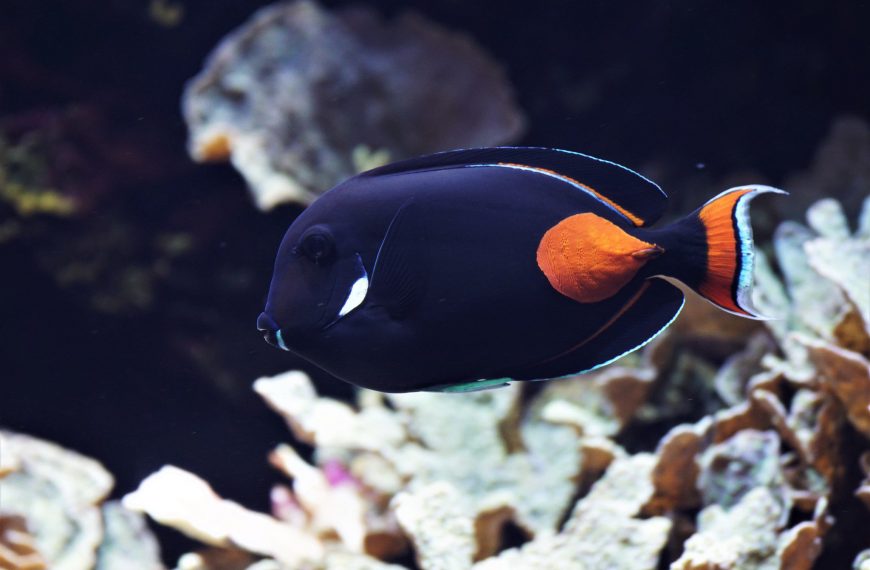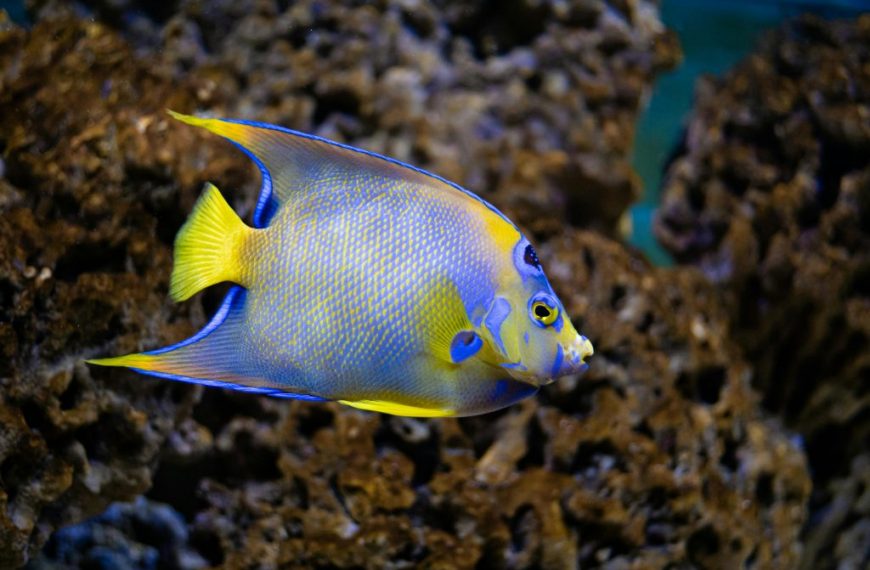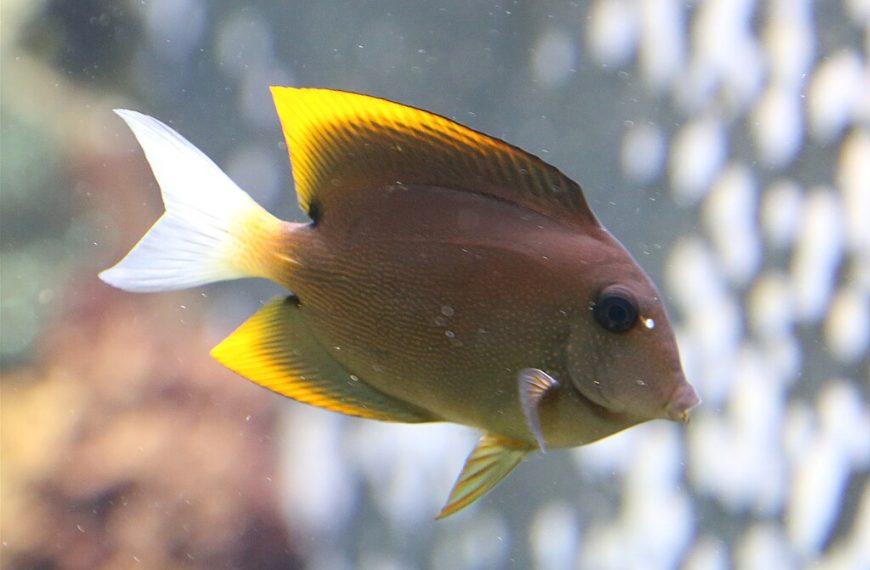
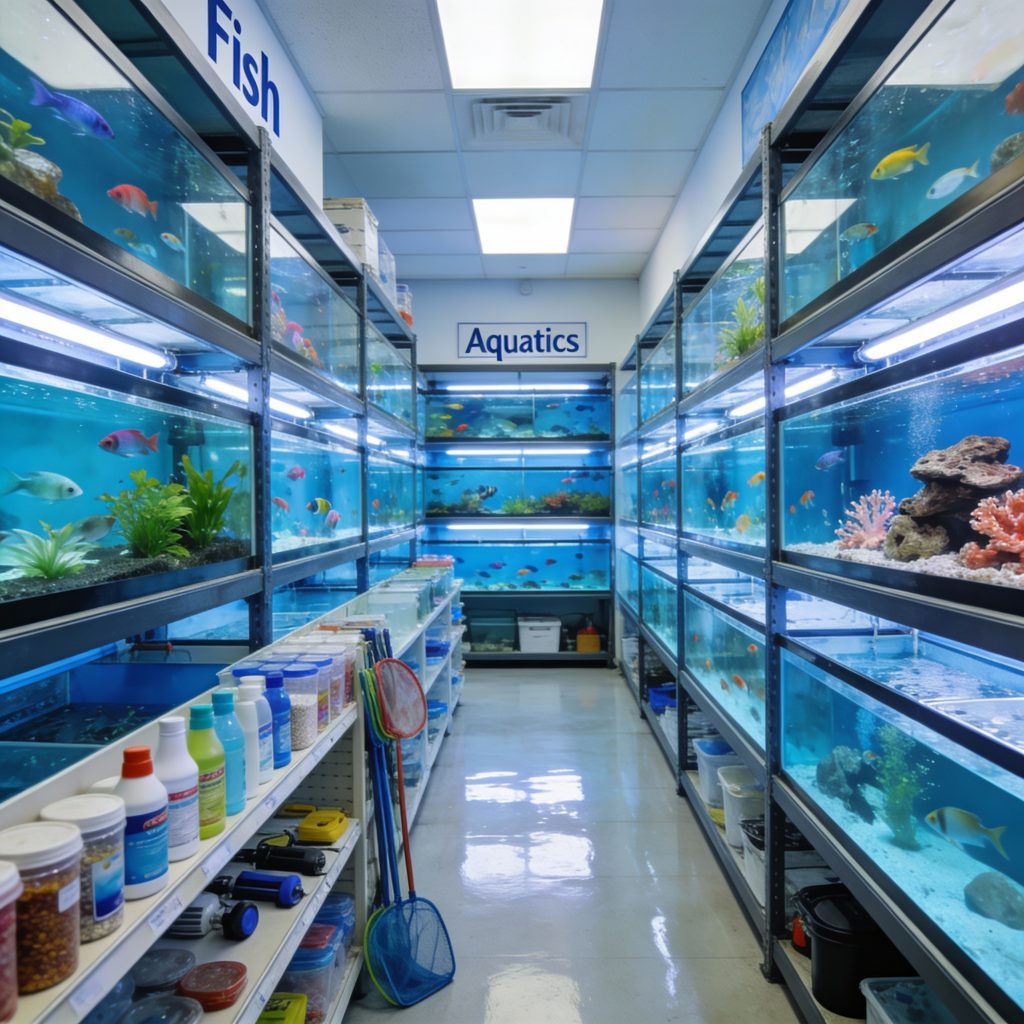
Stepping into a local fish store (often called an LFS) is a completely different experience from scrolling through an online catalog. The soft hum of filters, the shimmering colors of schooling fish, and the quiet focus of hobbyists browsing the aisles all come together to create a unique atmosphere that you simply can’t replicate on a screen. For aquarium keepers—whether freshwater, saltwater, or reef—the local fish store is more than a shop; it’s a hub of knowledge, community, and inspiration.
Why Your Local Fish Store Matters
In an age where almost anything can be shipped to your door, the local fish store still holds a special place in the aquarium hobby. Beyond selling livestock and equipment, a good LFS offers three things you can’t easily get online: expert guidance, real-time observation of animals, and a sense of local community.
Benefits of Shopping at a Local Fish Store
1. Expert, Face‑to‑Face Advice
Most local fish stores are run by people who are genuinely passionate about aquariums. They’ve cycled tanks, battled algae, treated sick fish, and tested more water than most of us will in a lifetime. That experience is invaluable when you’re:
- Setting up your first freshwater or saltwater tank
- Choosing compatible fish for a community aquarium
- Dealing with issues like ich, fin rot, or coral bleaching
- Selecting the right filter, heater, or lighting system
Instead of guessing based on reviews, you can describe your tank, your goals, and your budget, and get tailored recommendations. That kind of back-and-forth conversation can prevent expensive mistakes and save livestock.
2. Seeing Fish and Invertebrates in Person
Photos online rarely tell the full story. At your local fish store you can watch how fish actually behave:
- Is that “peaceful” species constantly chasing tank mates?
- Are the fish eating well and swimming normally?
- Do their fins look full and intact, with no clamping or tears?
- Are colors vibrant, or do they look washed out and stressed?
Being able to observe fish, shrimp, snails, corals, and plants before you buy helps you choose healthier specimens and avoid impulse purchases that won’t suit your tank.
3. Healthier, Better‑Acclimated Livestock
Reputable local fish stores quarantine and acclimate new arrivals before putting them up for sale. That means many of the fish you see have already survived shipping, adjusted to stable water parameters, and been observed for signs of disease.
While no store can guarantee perfectly healthy fish every time, a good LFS will:
- Refuse to sell obviously sick or stressed animals
- Offer advice on drip acclimation and quarantine at home
- Share details about what the fish are currently eating
- Explain the water parameters they maintain in their systems
This transparency helps you match your home aquarium to the conditions your new fish are used to, giving them a better chance to thrive.
4. Building a Local Aquarium Community
Many local fish stores are informal gathering spots for hobbyists. Over time you’ll start to recognize familiar faces, from planted tank enthusiasts to reef keepers and breeders. Some stores even host:
- Beginner workshops and Q&A nights
- Frag swaps and coral events
- Local aquarium club meetings
- Sales, raffles, and special vendor days
That sense of community can keep you motivated, help you learn faster, and connect you with people who are happy to share tips, plants, or even fish fry.
What to Look For in a Quality Local Fish Store
Not all fish stores are created equal. When you walk into a new LFS, take a few minutes to really look around. The condition of the tanks, the behavior of the staff, and even the smell of the store can tell you a lot.
Cleanliness and Tank Maintenance
A little algae on the glass is normal, but heavy buildup, cloudy water, or dead fish in display tanks are red flags. A good local fish store will:
- Keep tanks reasonably clean and clear
- Remove dead or sick fish promptly
- Maintain organized equipment and supply shelves
- Label tanks clearly with species names and prices
Clean, well-maintained systems show that the staff are paying attention and care about the health of their livestock.
Knowledgeable, Honest Staff
Good staff will ask about your tank before recommending fish. They’ll want to know:
- Tank size and dimensions
- Current stock and compatibility concerns
- Filtration, heating, and lighting setup
- Your experience level and maintenance routine
They should be willing to say “no” to a sale if something isn’t suitable. If a store is happy to sell you a large, aggressive fish for a small community tank without asking any questions, that’s a sign to be cautious.
Clear Policies and Transparency
Look for a store that’s open about its policies and practices. That includes:
- Return or guarantee policies on fish and equipment
- Quarantine procedures for new arrivals
- Information on where livestock is sourced
- Water testing services and any associated fees
Transparency builds trust and helps you make informed decisions about what you bring home.
Freshwater vs. Saltwater: Different Strengths in Local Stores
Some local fish stores specialize in freshwater community tanks, planted aquascapes, and cichlids. Others focus heavily on saltwater, reef systems, and high-end equipment. Many do a bit of everything. Knowing a store’s strengths helps you decide which one to visit for specific needs.
Freshwater‑Focused Stores
Freshwater‑oriented LFS locations often excel at:
- Community fish like tetras, rasboras, barbs, and livebearers
- Planted tank supplies: CO2 systems, fertilizers, substrates
- Hardscape materials: rocks, driftwood, and botanicals
- Beginner‑friendly setups and budget‑conscious gear
If you’re starting your first aquarium or diving into aquascaping, a freshwater‑focused local fish store can guide you through every step, from cycling to trimming stem plants.
Saltwater and Reef Stores
Saltwater and reef‑specialty stores typically offer:
- Marine fish from clownfish and gobies to tangs and wrasses
- Soft, LPS, and SPS corals, often including locally propagated frags
- RO/DI water, reef salt mixes, and reef‑specific additives
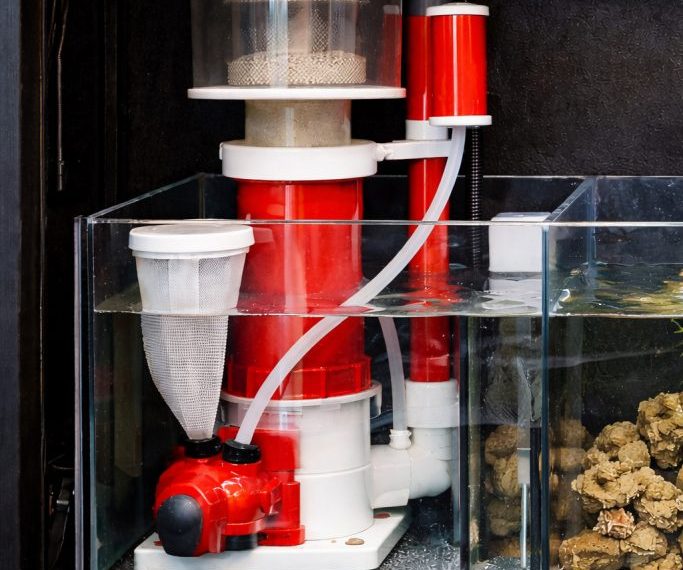
- Advanced equipment: protein skimmers, reef lighting, controllers
Because saltwater systems are less forgiving, having a local expert who understands parameters like salinity, alkalinity, and nutrient control can be the difference between a thriving reef and a constant struggle.
How to Use Your Local Fish Store Effectively
Visiting an LFS without a plan often leads to impulse buys. With a bit of preparation, you can turn each visit into a productive step toward a healthier, more beautiful aquarium.
1. Test and Bring Your Water Parameters
Many stores offer free or low‑cost water testing. Bringing a sample of your tank water allows the staff to see what’s really happening at home. At minimum, know your:
- Ammonia, nitrite, and nitrate levels
- pH and hardness (GH/KH) for freshwater tanks
- Salinity and temperature for saltwater systems
With these numbers, your local fish store can suggest appropriate fish, plants, or corals and help troubleshoot issues like algae blooms or fish stress.
2. Research Before You Go
Before visiting, make a short list of species or equipment you’re interested in. Read up on:
- Adult size and temperament of fish
- Minimum tank size and group size (schooling vs. solitary)
- Preferred water parameters
- Diet and feeding frequency
Use your research as a starting point, then ask the store staff for their real‑world experience and any alternative suggestions they might have.
3. Build a Relationship Over Time
Regular customers often receive early notice of special orders, rare fish, or coral shipments. As the staff get to know your tanks and your style, they can:
- Call or message when something you’re looking for arrives
- Give honest feedback about whether a new species suits your setup
- Offer practical, tailored advice when something goes wrong
- Sometimes extend loyalty discounts or hold items for you
That relationship is a two‑way street: supporting your LFS with regular purchases helps keep those doors open for everyone in your area.
Supporting Your Local Fish Store in the Online Era
Online retailers can sometimes beat local prices, but your LFS offers value that goes beyond a simple transaction. When possible, consider:
- Buying livestock locally instead of shipping fish and corals
- Purchasing staple supplies (food, dechlorinator, test kits) at your LFS
- Attending events, workshops, and club meetings they host
- Recommending the store to new hobbyists and leaving honest reviews
By supporting your local fish store, you’re also supporting ethical sourcing, local jobs, and a place where new aquarists can get hands‑on help.
Final Thoughts
A thriving local fish store is one of the best resources you can have as an aquarium hobbyist. It’s where you can see healthy livestock in person, ask detailed questions, and connect with a community that shares your fascination with underwater life. Whether you keep a simple betta tank, a lush planted aquascape, or a complex reef system, building a relationship with your LFS will make the journey more successful, more sustainable, and a lot more enjoyable.
Was this helpful?
Related Posts
Protein Skimmer Reef Tank Guide
Learn how a protein skimmer works, how to size one, and how to tune it for a cleaner,…
 By
By
Reef Aquarium Water Parameters
Learn the ideal reef aquarium water parameters, safe ranges, and how to keep salinity, alkalinity, nutrients, and pH…