

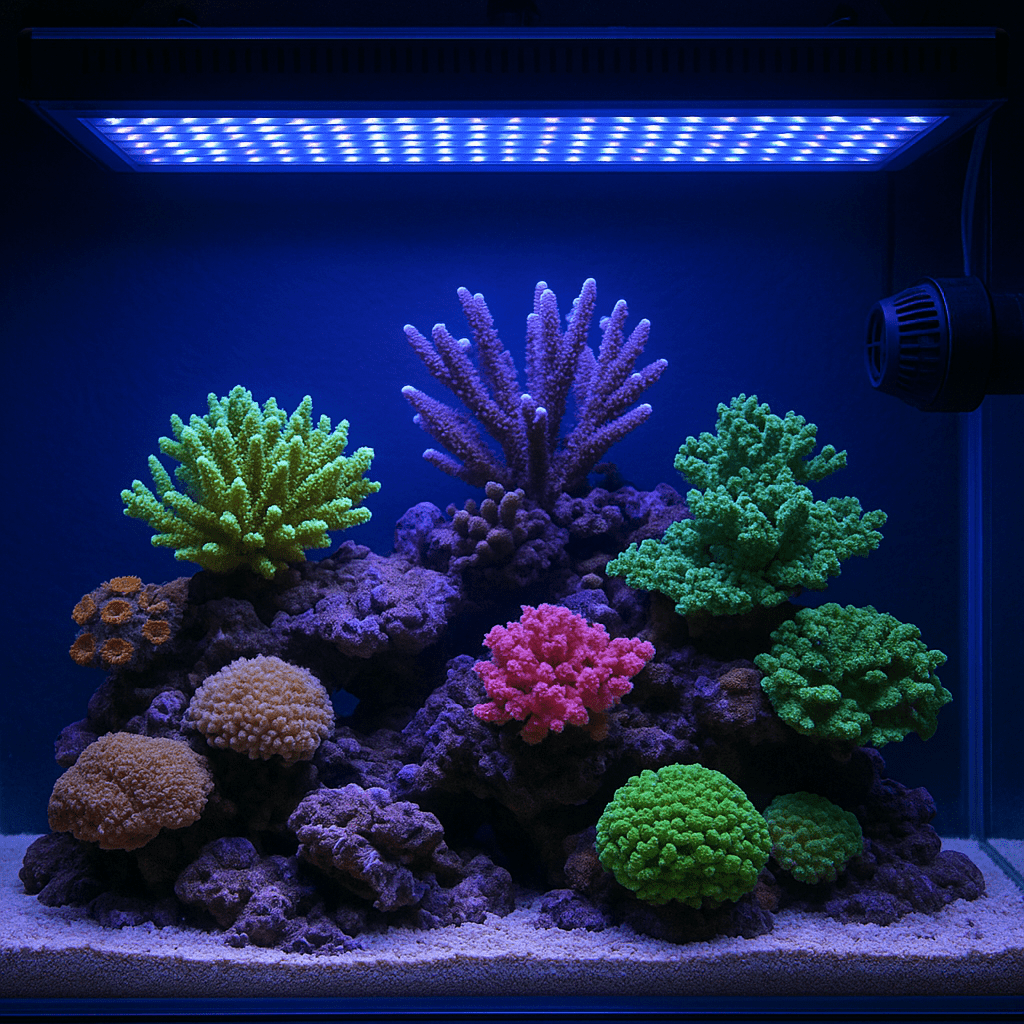
Copper quarantine protects marine fish from common parasites when it is used correctly. The key is accuracy. You must choose the right copper type, test it often, raise the level slowly, and hold the therapeutic range for the full treatment period.
Many reef keepers lose fish in quarantine because copper was dosed too fast or measured with the wrong test kit. This guide explains how to dose copper safely, how to maintain stable levels, and how to avoid the common mistakes that cause stress, appetite loss, and treatment failure.
Quick Reference Table
| Topic | Best Practice |
|---|---|
| Copper type | Use chelated or ionic copper, but never mix them |
| Testing | Use a test kit that matches your copper medication |
| Dosing speed | Raise copper over 48 hours for most fish |
| Therapeutic range | Follow the medication label exactly |
| Treatment length | Usually 14 to 30 days at full therapeutic level |
| Tank setup | Bare bottom quarantine with PVC and strong aeration |
| Filtration | Use seeded sponge filters if possible |
| What removes copper | Carbon, Cuprisorb, some rock, sand, and water changes |
| Not reef safe | Never use copper in a display reef tank |
Keep this table handy during treatment. Small errors matter with copper.
What Copper Quarantine Treats
Copper is used to treat several serious marine fish parasites. It is most often used against marine ich and velvet. It can also help with some external protozoan issues. Copper does not treat every problem. It will not fix bacterial infections, flukes, or internal worms by itself.
This matters because hobbyists often reach for copper too quickly. Always identify the likely disease first. Velvet usually causes fast breathing, dust-like coating, and sudden decline. Marine ich often shows white spots and slower progression. If you treat the wrong issue, you waste time and stress the fish.
Copper should only be used in a dedicated quarantine or hospital tank. It binds to rock and sand. It can also kill invertebrates. That makes it unsafe for reef systems. If you need help building a treatment system, see: quarantine tank setup, marine ich treatment, and reef fish acclimation.
Choose the Right Copper Medication
There are two main copper forms in the hobby. These are ionic copper and chelated copper. Both can work well. The important part is consistency. Pick one product and follow its instructions exactly. Do not switch brands mid-treatment unless you fully understand the concentration difference.
Ionic copper products often require tighter control. They can be very effective, but the therapeutic range may be narrower. Chelated copper is often more stable in the water. Many hobbyists find it easier to maintain. Stability is a major advantage in quarantine.
Always pair the medication with the correct test kit or digital tester. Some kits read one form better than the other. A mismatched test method causes false confidence. That is one of the biggest reasons copper treatment fails. Before adding any dose, read the bottle, check the target range, and confirm your test method matches the product.
Quarantine Tank Setup for Copper
A copper quarantine tank should be simple and easy to clean. Use a bare bottom tank. Add PVC elbows or couplings for shelter. Fish need cover during treatment. Keep the environment calm and predictable. Stress lowers survival rates.
Use a heater, thermometer, lid, and strong aeration. Copper treatment often reduces fish appetite and tolerance for poor oxygen. An air stone or sponge filter helps a lot. If possible, use a seeded sponge filter from an established system. Never move contaminated media back into a reef display.
Do not add live rock, sand, or decorative reef rock. These materials absorb copper. That makes dosing unstable. It also contaminates the material for future reef use. Keep ammonia under control with cycled biofiltration, water changes, and regular testing. If ammonia rises, act fast. Copper and ammonia are a dangerous combination for stressed fish.
Step-by-Step Copper Dosing Guide
Start by calculating the true water volume. Do not guess. Subtract space taken by equipment and low water level. A 20-gallon tank may hold much less in practice. Wrong volume means wrong copper dose.
Next, add fish to quarantine and let them settle briefly if appropriate. Some hobbyists begin copper the same day. Others wait 12 to 24 hours for fish to calm down. This depends on disease urgency. Suspected velvet cases often require faster action.
Raise copper gradually over 48 hours for most fish. Split the total dose into two or more additions. Test after each addition. Confirm the level before adding more. Sensitive species may need an even slower ramp. Watch breathing, appetite, and behavior closely.
Once you reach the therapeutic range, keep it there without interruption. Test at least daily. Some hobbyists test twice daily in the first week. That is wise. Copper levels can drop after water changes, media changes, or absorption by equipment and surfaces.
Maintain the full therapeutic level for the medication’s required time. This is often 14 to 30 days depending on the product and disease plan. If the copper level falls below the target range for too long, the treatment clock may need to restart.
How to Test Copper Accurately
Testing is the core of safe copper use. Never rely on bottle math alone. Test kits, digital meters, and color comparators each have limits. Read instructions carefully. Use clean vials. Good lighting helps. So does testing at the same time each day.
If you use a color-based kit, compare colors against a white background. If you use a digital checker, keep cuvettes spotless. Fingerprints and residue can affect the reading. Repeat any result that seems odd. One strange reading should not trigger a panic dose.
After water changes, redose copper for the exact amount of water removed. Then retest. This step is often missed. For example, if you change 5 gallons in a medicated 20-gallon system, you removed a quarter of the copper. Replace that amount carefully. Stable levels are more important than aggressive levels.
Feeding Fish During Copper Treatment
Many fish eat less in copper. That is normal, but it still needs attention. Offer small meals two to three times daily. Use foods the fish already recognizes. Frozen mysis, enriched brine, pellets, and nori are common options. Remove leftovers quickly.
Soak foods in vitamins if the fish is stressed. This can help support recovery. Keep nutrition simple and consistent. Do not overload the tank with uneaten food. Quarantine tanks are small. Water quality can crash fast.
Watch for fish that stop eating after copper reaches full strength. Some species are more sensitive than others. Wrasses, dwarf angels, butterflies, and delicate wild fish may need extra caution. If a fish declines sharply, verify copper concentration first. Many appetite issues trace back to overdosing or poor oxygenation rather than the medication itself.
Compatibility and Species Sensitivity
Not all marine fish handle copper equally well. Tangs, clownfish, and many hardy community fish often tolerate it well when dosed correctly. Some species need more care. Lionfish, mandarins, pipefish, and some wrasses can be sensitive. Sharks and rays should not be treated with copper.
Research each species before treatment. If you keep mixed fish in one quarantine tank, dose for the most sensitive fish when possible. Observe behavior closely during the ramp-up period. Heavy breathing, laying on the bottom, loss of balance, and sudden refusal to eat can signal trouble.
Copper is not compatible with invertebrates, corals, live rock, or reef displays. Even trace residue can be harmful. Keep treatment tools separate from reef tools. Use dedicated buckets, tubing, and nets. This prevents accidental contamination later.
Common Problems
Copper level keeps dropping
This usually happens because the tank contains absorbent materials. Rock, sand, ceramic media, and even some plastics can affect readings. Water changes also lower copper fast. Remove anything unnecessary from the tank. Redose carefully after each change. Test again after a few hours.
Fish stopped eating in copper
First, verify the copper concentration with a reliable test. Then check oxygen, ammonia, and temperature. Appetite loss often has multiple causes. Lower stress with dim lighting and extra hiding spots. Offer favored foods in small portions. If symptoms are severe, consult a species-specific treatment approach.
Ammonia is rising in quarantine
Quarantine tanks have limited biofiltration. Test ammonia daily. Use pre-seeded sponge filters whenever possible. Perform water changes as needed. Match salinity and temperature carefully. Replace the removed copper dose after the change. Do not let ammonia become the bigger threat.
Fish still has spots during treatment
Visible spots may persist for a while even after copper reaches therapeutic levels. That does not always mean failure. Confirm the concentration stayed in range every day. If it dropped below target, the parasite may have survived. Consistency matters more than one high reading.
Can I use copper with other medications?
Sometimes, but caution is essential. Some combinations are stressful or unsafe. Never mix medications without checking compatibility from trusted sources. When in doubt, keep treatment simple. Copper already places a burden on fish. More medication is not always better.
How to Remove Copper After Treatment
When treatment is complete, remove copper slowly and verify with testing. Large water changes help. Activated carbon and copper-removing resins can speed the process. Test until the level reads zero or near zero, based on your method.
Many hobbyists then move fish into an observation tank for another couple of weeks. This gives the fish time to recover appetite and strength before entering the display. It also helps confirm the disease is gone. Observation is often the difference between a rushed transfer and a successful one.
Do not move copper-exposed rock, sand, or porous decor into a reef tank. Keep hospital equipment separate. Label it clearly. This avoids future contamination and protects corals and invertebrates.
Frequently Asked Questions
How long should fish stay in copper quarantine?
It depends on the medication and disease plan. Many treatments run 14 to 30 days at full therapeutic level. Follow the product label and keep the concentration stable the entire time.
Can I dose copper directly into my reef tank?
No. Copper is not reef safe. It harms invertebrates and contaminates porous materials. Always use a separate quarantine or hospital tank.
Do I need to test copper every day?
Yes. Daily testing is strongly recommended. Test even more often during the first few days, after water changes, or when fish show stress.
What is the best copper level for marine fish?
There is no single best number for all products. The correct level depends on the medication brand and copper type. Always follow the label and use a matching test method.
Can copper treat flukes?
Not reliably. Flukes usually require a different treatment, such as praziquantel. Diagnose the issue before choosing medication.
Final Tips for Safe Copper Quarantine
Copper works when the process is controlled. Use the correct product. Test with the right kit. Raise the dose slowly. Keep oxygen high. Feed lightly but often. Maintain the therapeutic range without gaps. Those habits prevent most copper failures.
If you are building a full fish disease protocol, also read: fishless cycling a quarantine tank and reef tank water parameters. Good quarantine is not just medication. It is stable water, low stress, and careful observation every day.
Was this helpful?
Related Posts
Reef Tank Plumbing Basics
Learn reef tank plumbing basics, including drains, return pumps, sump flow, noise control, and flood prevention for a…
 By
ByOur Reef Emergency Plan
A reef emergency plan helps you act fast during outages, leaks, and water quality crashes. Here is the…
[favorite_button]
My Bookmarks:
To see full list click here
[user_favorites user_id="" include_links="true" site_id="" post_types="" include_thumbnails="true" thumbnail_size="thumbnail" include_excerpt="false"]