

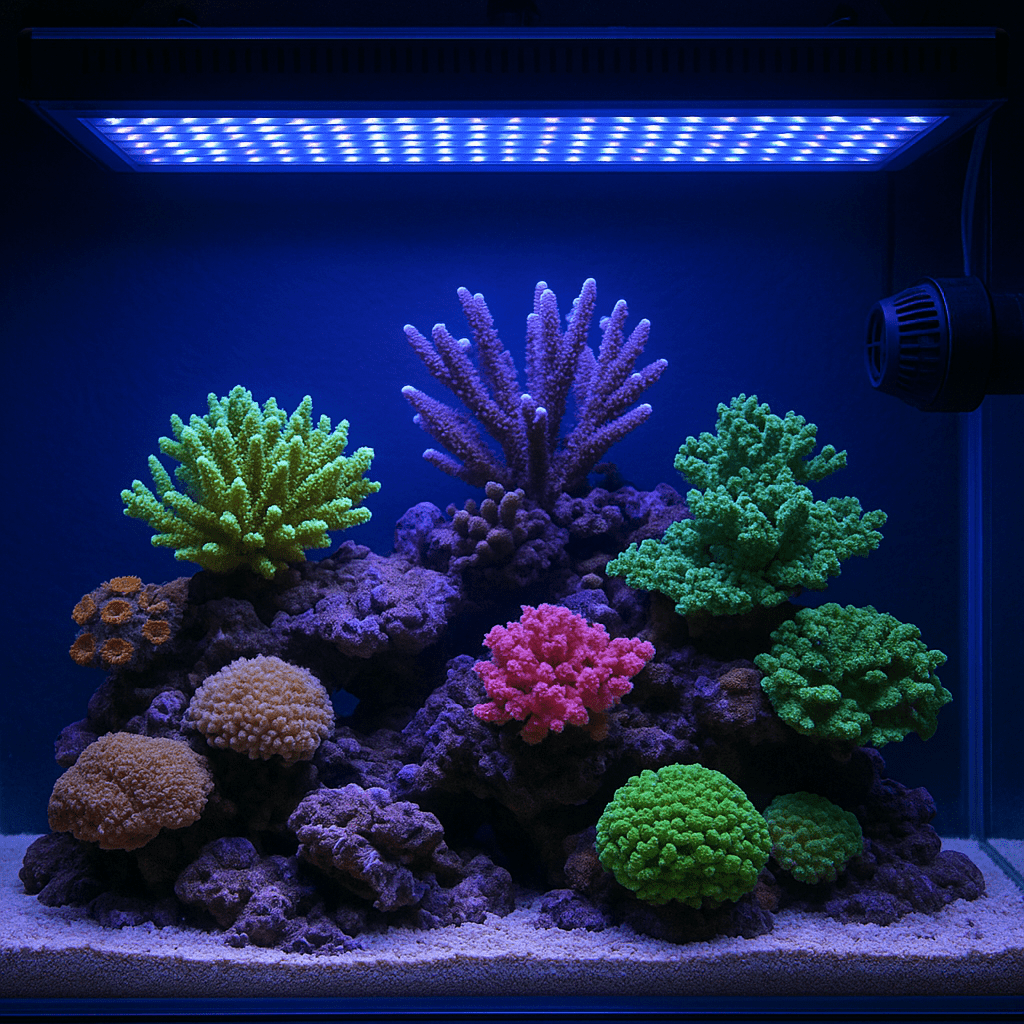
Feeding reef fish looks simple, but it shapes health, color, behavior, and water quality. Most reef fish do best with small, varied meals fed once to three times daily. Match foods to the fish’s natural diet, avoid overfeeding, and watch each fish during meals.
Many new hobbyists focus on equipment first. Feeding often gets treated as an afterthought. That is a mistake. Good nutrition supports immune function, steady growth, breeding behavior, and coral-safe tank dynamics. Poor feeding leads to aggression, weight loss, nutrient spikes, and long-term disease issues. In this guide, you will learn how often to feed reef fish, which foods to use, how to build a simple feeding schedule, and how to solve common feeding problems. You will also see how fish diet affects nitrate, phosphate, and overall reef stability. The goal is simple. Feed enough for strong fish health without turning your reef into a nutrient trap.
Quick Reference Feeding Table
| Fish Type | Best Foods | Feeding Frequency | Key Tip |
|---|---|---|---|
| Tangs and rabbitfish | Nori, spirulina pellets, herbivore frozen blends | 2-3 times daily | Provide algae often to reduce aggression |
| Clownfish and damsels | Pellets, mysis, brine, frozen omnivore blends | 1-2 times daily | Use small portions they finish quickly |
| Wrasses | Mysis, copepod foods, fine pellets | 2 times daily | Many wrasses need frequent small meals |
| Gobies and blennies | Small pellets, frozen foods, algae for some species | 1-2 times daily | Target shy fish if needed |
| Anthias | Fine frozen foods, roe, small pellets | 2-4 times daily | High metabolism means more frequent feeding |
| Mandarins | Live pods, enriched baby brine, specialty foods | Continuous grazing or multiple feedings | Needs mature pod-rich systems |
Use this table as a starting point. Always adjust for species, age, competition, and tank size. A mixed reef with peaceful fish needs a different routine than a busy tank full of wrasses and anthias.
Why Feeding Matters in a Reef Tank
Reef fish burn energy in different ways. Tangs graze all day. Wrasses hunt small prey. Anthias feed often in the water column. Clownfish are less demanding, but still need variety. When you feed all fish the same food, problems appear over time. Herbivores lose body mass. Planktivores get thin. Shy fish miss meals. Aggressive fish become even bolder.
Feeding also affects coral health. Fish waste supplies nutrients that support microbial life and coral metabolism. That sounds helpful, and it is, up to a point. Too much food quickly raises nitrate and phosphate. That can drive algae growth and stress sensitive corals. Too little food can leave fish weak and corals pale in ultra-low nutrient systems. The best reef keepers aim for balance. They feed enough to keep fish thick-bodied and active. They also export excess nutrients with skimming, water changes, mechanical filtration, and smart stocking.
Understanding Natural Diets
Wild reef fish do not all eat the same things. That matters in captivity. Herbivores crop algae and biofilm for much of the day. Carnivores hunt crustaceans, worms, and small fish. Omnivores take a mix of algae, plankton, and meaty foods. Planktivores feed from the water column. Micro-predators peck at tiny prey hidden in rock and sand.
Before buying any fish, learn its feeding style. A yellow tang can survive on pellets for a while, but it thrives with regular algae. A mandarin dragonet may ignore prepared foods entirely. Many leopard wrasses need frequent meaty meals and a mature tank. Foxfaces need plant matter daily. Hawkfish and dottybacks prefer richer foods. Matching the diet to the species reduces stress. It also improves color, fins, body shape, and disease resistance. If you want a simple mixed reef feeding plan, build it around your most demanding fish. Then make sure slower fish still get their share.
Best Food Types for Reef Fish
A varied diet works best for most reef tanks. High-quality pellets should be the backbone for many hobbyists. They are consistent, easy to portion, and often fortified with vitamins. Choose marine formulas with clear ingredient lists. Avoid cheap fillers. Use pellet sizes your fish can swallow easily.
Frozen foods add variety and often trigger stronger feeding responses. Mysis shrimp, brine shrimp, krill blends, reef plankton, and omnivore mixes are all useful. Rinse frozen food if nutrient control is a concern. Nori sheets are essential for tangs, rabbitfish, and many blennies. Clip algae to the glass and replace it before it breaks apart. Some fish benefit from live foods. Copepods help mandarins and picky feeders. Enriched baby brine can help new arrivals begin eating. You can also rotate specialty foods like fish roe, calanus, and sponge-based formulas for angels. Variety helps cover nutritional gaps and keeps fish interested at feeding time.
How Often Should You Feed Reef Fish?
Most reef fish do well with one to three feedings per day. The right answer depends on species and stocking. A lightly stocked tank with clownfish, gobies, and a blenny may do well with two small meals. A tank with anthias often needs three or more smaller feedings. A system with heavy herbivore stocking needs regular algae access.
Small meals are usually better than one large dump of food. Fish digest smaller portions more efficiently. Less food gets trapped in rockwork. Water quality stays more stable. Feed only what the tank can consume in a minute or two, then assess body condition over time. If fish look pinched near the stomach or behind the head, increase feeding or improve food quality. If nitrate and phosphate climb and fish are already plump, reduce portions. Automatic feeders can help with pellets during the day. That is especially useful for active planktivores and busy schedules.
Step-by-Step Reef Fish Feeding Routine
- Identify each fish’s diet type. Group them as herbivore, omnivore, carnivore, or specialist.
- Choose two to four staple foods. Include at least one dry food and one frozen or algae option.
- Feed a very small test portion. Watch who eats fast, who hangs back, and what gets ignored.
- Adjust particle size. Crush pellets or thaw finer frozen foods for small mouths.
- Use a feeding tool if needed. Turkey basters and pipettes help target timid fish.
- Offer algae separately for grazers. Do not expect tangs to meet needs from meaty foods alone.
- Remove uneaten large pieces. This prevents hidden decay and nutrient spikes.
- Track body condition weekly. Full bellies after meals are good. Sunken flanks are not.
- Test nitrate and phosphate regularly. Feeding success includes stable water quality.
- Refine the routine over time. Your fish will show you what works.
Building a Simple Weekly Feeding Plan
A simple plan prevents random overfeeding. It also improves nutritional variety. For example, feed pellets in the morning on most days. Offer frozen mysis or an omnivore blend in the evening. Add nori daily for herbivores. Once or twice per week, use a richer specialty food like roe or calanus. If you keep finicky fish, include a targeted feeding session for them.
Vitamin soaking can help during stress, quarantine, or recovery. It is useful, but not a cure-all. Fresh, varied food matters more than heavy supplement use. Garlic is often used to improve feeding response. Some fish do react well to it. Still, do not rely on garlic to fix poor husbandry. If a fish stops eating, check aggression, disease, and environmental stress first. A routine matters because fish learn feeding times quickly. That reduces panic, limits waste, and helps shy fish come out with confidence.
Compatibility and Feeding Competition
Feeding is not only about food choice. It is also about who gets access. In many reef tanks, fast fish dominate meals. Wrasses, tangs, and clownfish often rush food first. Gobies, firefish, mandarins, and new additions may lose out. This creates hidden starvation in tanks that seem well fed.
Use multiple feeding zones if competition is strong. Broadcast a small amount for active swimmers. Then target slower fish near their territory. Turn off return pumps briefly if food blows away too fast. Keep circulation pumps on low if needed, but restore flow soon after feeding. Watch for bullying at meal times. Food aggression often reveals stocking issues before other signs appear. Herbivores may become territorial if algae is limited. Dottybacks and hawkfish may lunge at timid feeders. If one fish is always thin, separate feeding strategies are often the fix.
Common Problems
My reef fish are always hungry
Fish often act hungry even when well fed. Many species are opportunistic feeders. They learn to beg as soon as you approach the tank. Do not judge hunger by excitement alone. Look at body shape. Healthy fish should appear full through the belly and shoulders. If they stay plump and active, your schedule may already be correct.
Uneaten food is collecting in the rockwork
This usually means portions are too large, flow is poorly managed, or food size is wrong. Feed less at one time. Use smaller particles. Target feed slower fish instead of dumping extra food for them. Siphon trapped waste during maintenance.
Nitrate and phosphate keep rising
Overfeeding is a common cause, but not the only one. Check skimmer performance, filter sock changes, detritus buildup, and stocking density. Reduce feeding slightly, not drastically. Fish should not be starved to chase perfect numbers. Improve export while keeping nutrition steady.
A new fish will not eat
Stress is the usual reason. Dim the lights. Offer several food types. Try smaller frozen foods or live options. Make sure tankmates are not harassing the fish. Some species simply need time. Quarantine observation helps you solve this before reef introduction.
My tang is getting thin
Tangs need frequent plant matter. Add daily nori and herbivore pellets. Check for bullying and internal parasites if appetite seems normal. Thin tangs often need both more food and less competition.
Frequently Asked Questions
Can I feed reef fish once a day?
Some fish can do well on once-daily feeding. Many mixed reefs do better with two smaller meals. Active species and planktivores usually need more frequent feeding.
Is frozen food better than pellets?
Neither is always better. Pellets are convenient and balanced. Frozen foods add variety and strong feeding response. A mix of both is ideal for most tanks.
Should I rinse frozen food?
Rinsing can reduce extra juices that add nutrients. It is helpful in nutrient-sensitive systems. Many hobbyists still feed unrinsed foods without issue in balanced tanks.
Do corals benefit when I feed fish more?
Sometimes, yes. More fish food can raise available nutrients and particulates. Too much quickly causes algae and instability. Increase feeding carefully and test often.
What is the best food for beginner reef fish?
A quality marine pellet plus frozen mysis is a strong starting point. Add nori if you keep herbivores. Then adjust based on the fish in your tank.
Final Tips for Long-Term Success
Keep feeding simple and consistent. Use quality foods. Feed with purpose, not emotion. Watch every fish during meals. Body condition tells the truth. Test water regularly and connect nutrient trends to your feeding habits. If a fish needs special care, plan for it before purchase. That is far easier than fixing starvation later.
Successful reef fish feeding is about balance. Healthy fish should be active, thick-bodied, and eager to eat. Your tank should also stay stable and clean. When both happen together, your feeding routine is working.
reef fish quarantine guide
reef tank water parameters
best cleanup crew for reef tanks
beginner reef fish guide
how to lower nitrate in a reef tank
Was this helpful?
Related Posts
Best Filtration Systems
Best Filtration Systems for a Healthy Saltwater Aquarium Choosing the best filtration system for your saltwater aquarium is…
 By
By
Clown Triggerfish (Balistoides Conspicillum)
Clown triggerfish are stunning but aggressive marine fish that need very large tanks, strong filtration, and careful tankmate…
[favorite_button]
My Bookmarks:
To see full list click here
[user_favorites user_id="" include_links="true" site_id="" post_types="" include_thumbnails="true" thumbnail_size="thumbnail" include_excerpt="false"]