

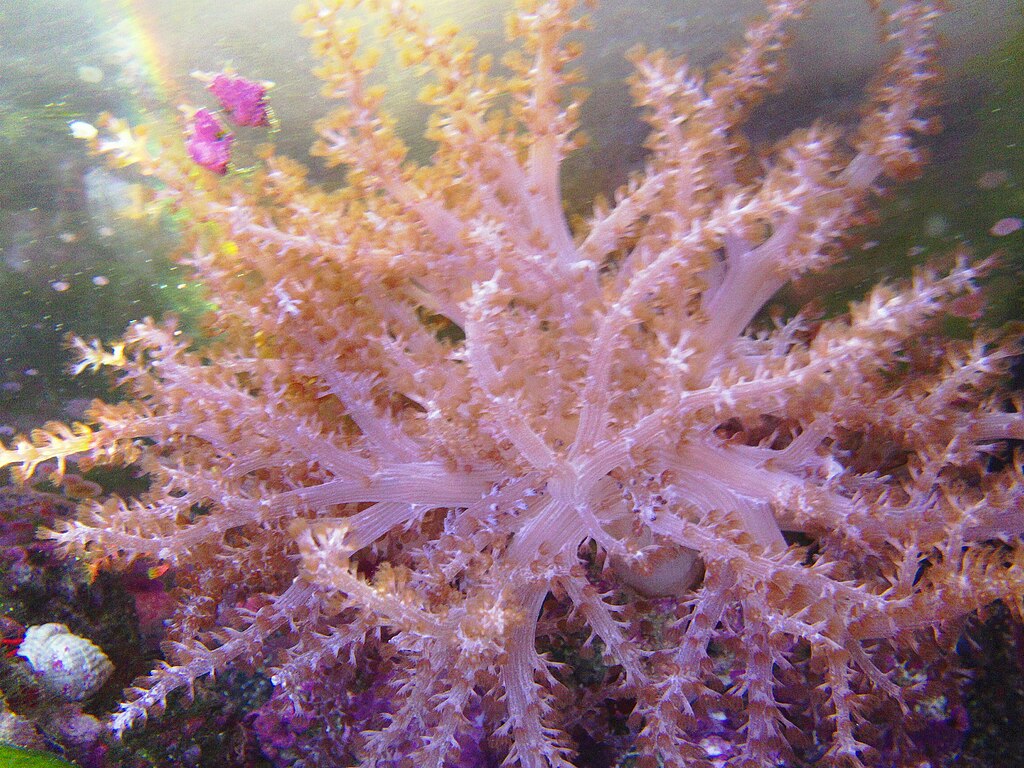
Nephthea tree corals are soft corals prized for their flowing branches and easygoing nature. They suit many beginner and intermediate reef tanks. Success comes from stable water, moderate light, and enough flow to keep the colony clean and extended.
Many hobbyists confuse Nephthea with Kenya tree corals and other leather-like soft corals. They share some care needs, but Nephthea often prefers cleaner water and more consistent conditions. In this guide, you will learn how to identify them, place them, feed them, frag them, and solve common problems before they become serious.
Quick Reference Table
| Care Factor | Recommendation |
|---|---|
| Difficulty | Easy to moderate |
| Temperament | Peaceful |
| Placement | Lower to middle rockwork |
| Lighting | Moderate |
| Water Flow | Moderate to moderately strong, indirect |
| Diet | Mostly photosynthetic, benefits from fine foods |
| Tank Size | 20 gallons minimum, larger is more stable |
| Growth Rate | Moderate to fast in good conditions |
| Best Temperature | 76 to 78°F |
| Salinity | 1.025 to 1.026 specific gravity |
| pH | 8.1 to 8.4 |
| Alkalinity | 8 to 9 dKH |
| Nitrate | 2 to 15 ppm |
| Phosphate | 0.03 to 0.10 ppm |
What Is a Nephthea Tree Coral?
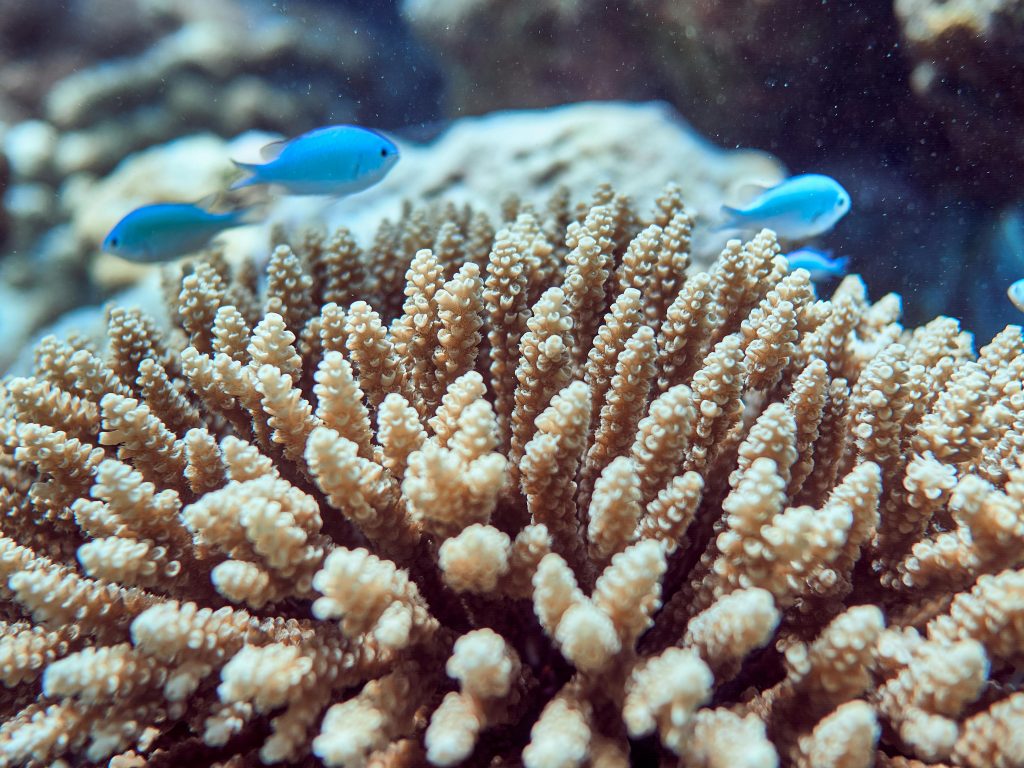
Nephthea is a group of branching soft corals known for a tree-like shape. Their branches sway with current and add motion to a reef tank. Colors vary by species and source. Common shades include tan, cream, green, yellow, and pastel pink.
These corals do not build a hard skeleton like SPS or LPS corals. Instead, they form flexible tissue supported by tiny internal structures called sclerites. That makes them more forgiving during handling. It also means they need secure placement, since they can shift if not attached well.
Nephthea often gets labeled loosely in stores. Some specimens are true Nephthea. Others may be Capnella, Litophyton, or related soft corals. Care remains similar in many cases. Still, exact identification helps set realistic expectations for growth, polyp extension, and fragging behavior.
Natural Habitat
Nephthea tree corals occur in tropical Indo-Pacific reefs. They are often found in areas with steady water movement. These habitats bring oxygen, remove waste, and deliver suspended food. Colonies may grow on reef slopes, lagoon structures, and rocky outcrops.
In nature, they receive bright but filtered sunlight. Water clarity can vary by location. Many colonies live where currents are active, but not blasting in one harsh direction. That pattern matters in captivity. A random, indirect flow pattern usually works better than a narrow jet.
Wild colonies also experience stable chemistry. Temperature and salinity do not swing much on healthy reefs. This is why Nephthea may sulk after sudden changes in a home aquarium. They are hardy, but they still reward consistency over constant correction.
Aquarium Setup
A 20-gallon tank can keep a small frag, but larger systems are easier. A 40-gallon breeder or bigger gives more stable chemistry and more placement options. Stability matters more than chasing perfect numbers. Aim for consistent salinity, alkalinity, and temperature every day.
Place Nephthea on rockwork with room to expand. Leave space around the colony for flow and future growth. Avoid tight caves and dead spots. Detritus can collect on the branches and irritate the tissue. A clean, open area usually gives better extension.
Use quality live rock or mature biological media. Soft corals do best in established tanks with balanced nutrients. Ultra-clean systems can cause weak extension and poor growth. If your tank is very new, wait until it has settled. Mature tanks are usually more forgiving.
If you are still building your system, see our guides on reef tank setup, live rock for reef tanks, and reef tank cycling guide.
Lighting Requirements
Nephthea tree corals usually prefer moderate lighting. In many tanks, that means roughly 80 to 150 PAR. Some specimens adapt to more light over time. Others stay happiest in the lower to middle zones. Start lower if you are unsure, then adjust slowly.
Sudden jumps in intensity can cause retraction, drooping, or a faded look. Acclimate new corals carefully. Reduce LED intensity at first, or place the coral lower in the tank. Then move it upward over one to two weeks if needed.
Watch the coral rather than chasing a number alone. Healthy Nephthea usually shows regular extension and a fuller shape. If the colony stretches upward, it may want more light. If it stays tightly closed and pale, the light may be too strong or the coral may be stressed from another cause.
Water Flow
Flow is one of the biggest keys to Nephthea care. Aim for moderate to moderately strong indirect flow. The branches should sway and move, but not fold over constantly. Good flow helps remove mucus, sediment, and waste from the colony.
A random flow pattern works best. Gyres, alternating pumps, or broad wave makers are better than a direct powerhead blast. Direct flow can damage tissue over time. It can also keep polyps from extending fully. If one side stays closed, check the flow angle first.
Low flow creates different problems. Debris can settle on the coral and lead to irritation. The colony may droop or stay dull for long periods. If your Nephthea sheds a waxy film, stable flow helps it clear that layer faster. That is normal behavior in many soft corals.
Water Parameters
Nephthea does best in stable reef conditions. Keep temperature between 76 and 78°F. Maintain salinity at 1.025 to 1.026. Aim for pH between 8.1 and 8.4. Alkalinity should stay near 8 to 9 dKH. Calcium and magnesium matter less than with stony corals, but normal reef levels still help overall stability.
Do not run nutrients at zero. Soft corals often look better with a little nitrate and phosphate present. A good range is 2 to 15 ppm nitrate and 0.03 to 0.10 ppm phosphate. If nutrients bottom out, the coral may stop growing and lose some fullness.
Test regularly, but avoid constant large corrections. Quick swings often cause more stress than slightly imperfect values. If you need help balancing chemistry, read reef tank water parameters.
Feeding
Nephthea is mainly photosynthetic, thanks to symbiotic zooxanthellae. That means it gets much of its energy from light. Still, many reef keepers report better growth when fine foods are available in the water column. This is especially true in nutrient-poor systems.
You can offer phytoplankton, rotifers, reef roids-style powders, or other micro foods in small amounts. Feed once or twice each week. Turn off heavy filtration for a short period if needed. Do not overfeed. Excess food can raise nutrients too fast and irritate the whole tank.
Fish waste and dissolved organics also help support soft corals. That is one reason mixed reefs with moderate fish stocking often grow Nephthea well. If your tank is too sterile, feeding the coral lightly may improve extension and tissue fullness.
Compatibility
Nephthea tree corals are peaceful, but they still compete chemically. Like many soft corals, they release compounds into the water. In mixed reefs, this can irritate nearby SPS or sensitive LPS corals. Running activated carbon and doing regular water changes helps reduce chemical warfare.
Leave space between Nephthea and neighboring corals. Their branches can expand more than expected. Avoid placing them where they will shade slow-growing stony corals. They are usually safe with reef fish, shrimp, snails, and crabs. Most fish ignore them completely.
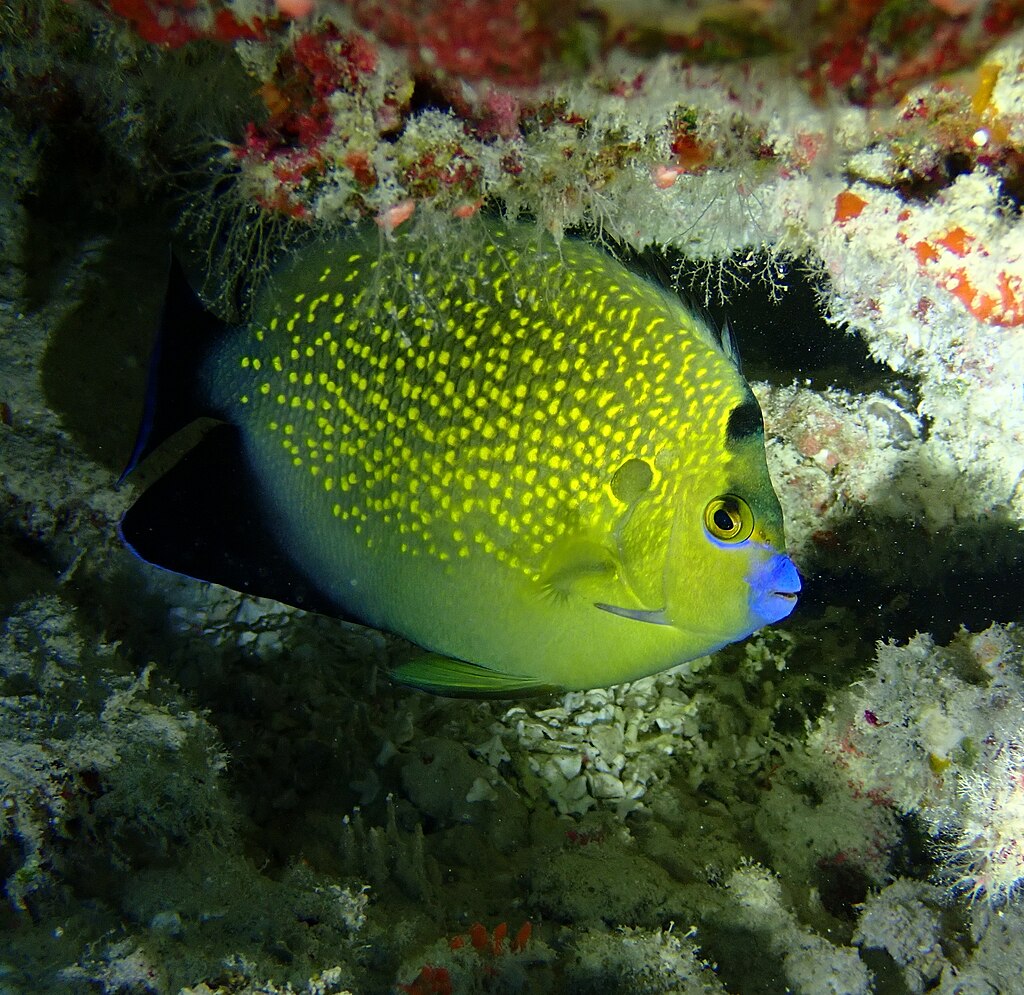
Be cautious with angelfish, butterflyfish, and some large omnivores. These fish may nip soft corals. Also watch for crabs or hitchhikers that climb through the colony repeatedly. Irritation from tank mates can look like a flow or lighting issue at first.
Step-by-Step Placement Guide
Start by dipping the coral if appropriate for your system. Inspect for pests, algae, and damaged tissue. Then place the frag or colony in the lower to middle tank area. Choose a spot with indirect movement and moderate light.
Observe the coral for three to seven days. Look for partial extension, upright posture, and clean tissue. If it droops badly, increase flow slightly. If it remains tightly closed, reduce light stress or check for unstable chemistry. Make one change at a time.
Once the coral looks settled, secure it firmly. Use reef-safe glue, rubble, or a frag plug. Recheck placement after a week. Nephthea often needs a little time before showing its best extension. Patience usually beats constant relocation.
Propagation and Fragging
When to Frag
Frag Nephthea only when the colony is healthy and fully established. Good candidates show regular extension, firm tissue, and active growth tips. Avoid fragging a stressed colony. Wait until it has recovered from shipping, shedding, or recent parameter swings.
How to Frag Nephthea
Use clean scissors or a sharp blade. Cut a healthy branch from the outer colony. Do not crush the tissue. Rinse the frag gently in tank water to remove excess slime. Then attach it to rubble or a plug using a mesh cup, toothpick method, or loose rubber band.
Aftercare for Frags
Place fresh frags in moderate flow and lower light at first. Strong flow helps prevent detritus buildup, but avoid direct blasting. Expect temporary drooping for a few days. Once attached, the frag usually recovers quickly. Stable parameters are the main factor in successful healing.
Common Problems
Why Is My Nephthea Not Opening?
The most common causes are recent stress, poor flow, sudden lighting changes, or unstable salinity. Check for detritus on the branches. Review any recent changes to pumps, lighting, or dosing. Many Nephthea corals close for a day or two after being moved. If parameters are stable, give it time.
Why Is My Nephthea Shrinking or Drooping?
Shrinking often points to low flow, low nutrients, or stress from chemical swings. Test salinity first. Swinging salinity is a common hidden issue. Also check nitrate and phosphate. A tank that is too clean can leave soft corals looking weak and deflated.
Why Is It Shedding a Waxy Film?
Shedding is normal in many soft corals. The coral produces a film and then sloughs it off. This helps remove algae, debris, and old mucus. Increase indirect flow slightly to help the process. Do not peel the film by hand unless tissue is clearly decaying.
Why Is the Base Deteriorating?
Base damage can come from poor attachment, detritus buildup, bacterial infection, or pests. Inspect the base closely. Improve flow around the area. If tissue loss spreads, cut healthy sections above the damage and save them as frags. Remove dying tissue before it fouls the tank.
Frequently Asked Questions
Are Nephthea tree corals good for beginners?
Yes, in most established reef tanks they are beginner friendly. They tolerate minor imperfections well. They still need stable salinity, moderate light, and good flow.
How fast do Nephthea corals grow?
Growth is usually moderate to fast under stable conditions. Nutrient balance, flow, and lighting all affect speed. Some colonies branch quickly once settled.
Do Nephthea corals need feeding?
They can survive mainly from light, but light feeding may improve growth. Use very fine foods and avoid overfeeding the tank.
Can Nephthea live in a nano reef?
Yes, but stability is harder in small tanks. Watch salinity closely. Give the coral room to expand and keep flow consistent.
Is Nephthea the same as Kenya tree coral?
Not always. They are often confused in the trade. Care is similar, but exact species may differ in growth form and hardiness.
Final Thoughts
Nephthea tree corals are beautiful, active soft corals that add motion and height to a reef tank. They are forgiving, but they still reward stable care. Focus on indirect flow, moderate light, and consistent chemistry. Avoid sudden changes. Once settled, they often become one of the easiest and most satisfying soft corals to keep.
Was this helpful?
Related Posts
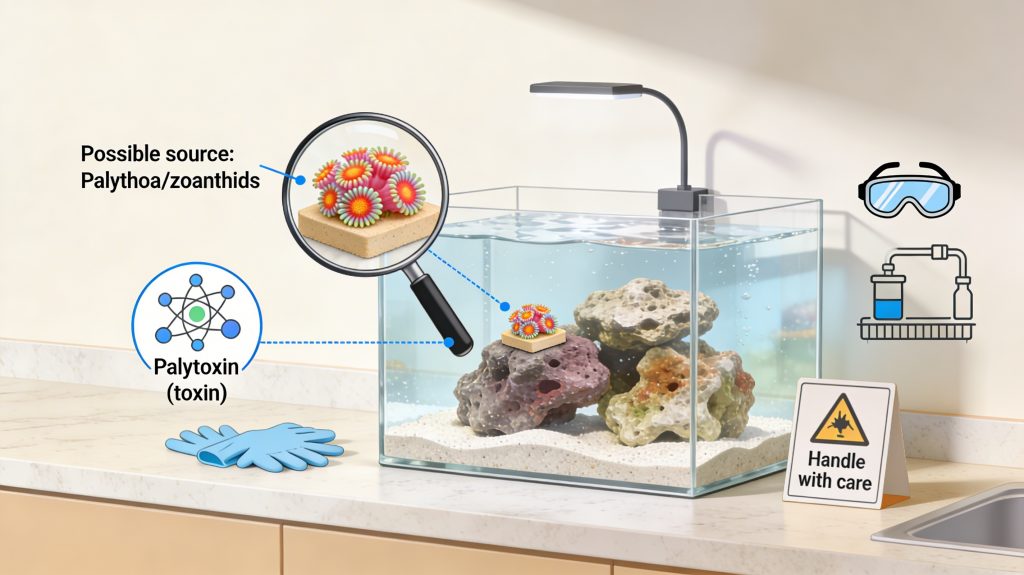
Palytoxin in the Marine Aquarium
Palytoxin in the marine aquarium is a real risk during coral handling. Learn safe practices, warning signs, and…
 By
By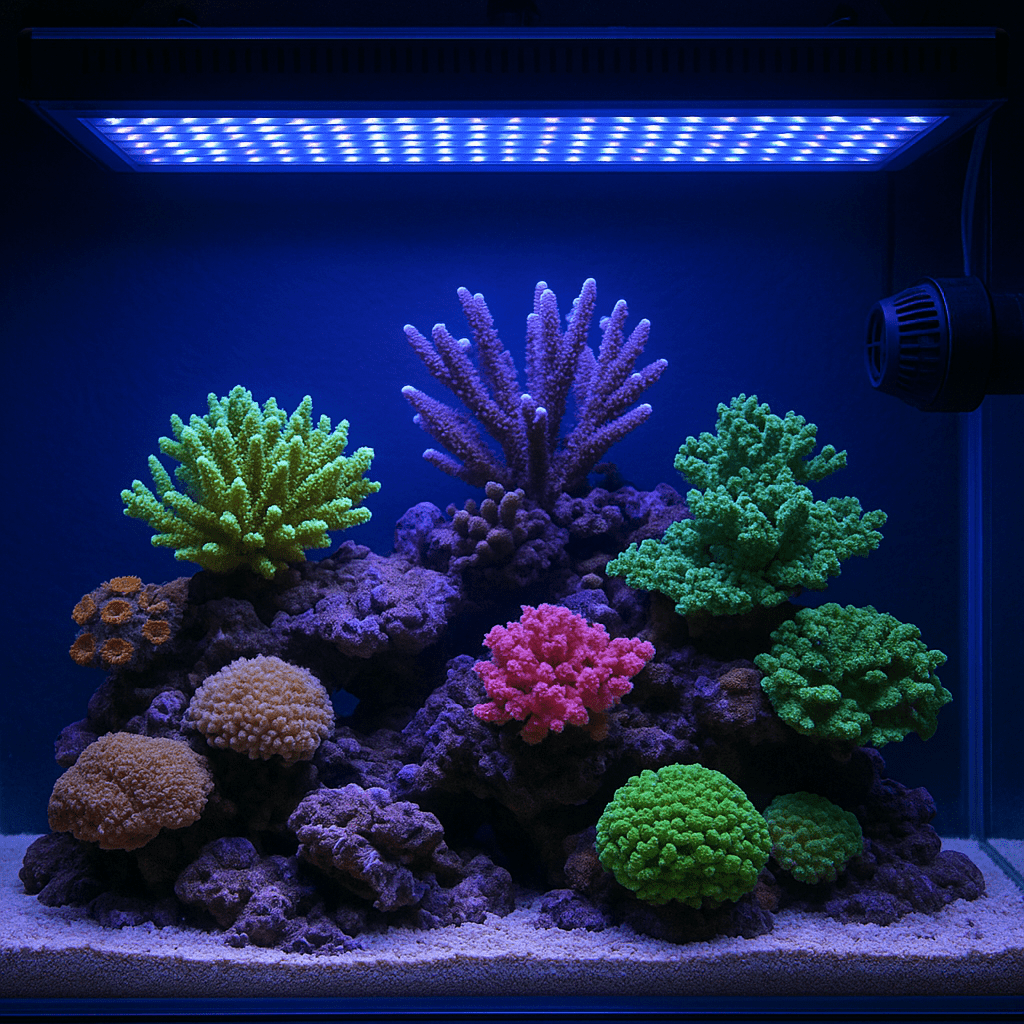
Reef Tank Water Chemistry Basics
Learn reef tank water chemistry basics, including ideal parameters, testing routines, and simple ways to keep corals healthy…
[favorite_button]
My Bookmarks:
To see full list click here
[user_favorites user_id="" include_links="true" site_id="" post_types="" include_thumbnails="true" thumbnail_size="thumbnail" include_excerpt="false"]