

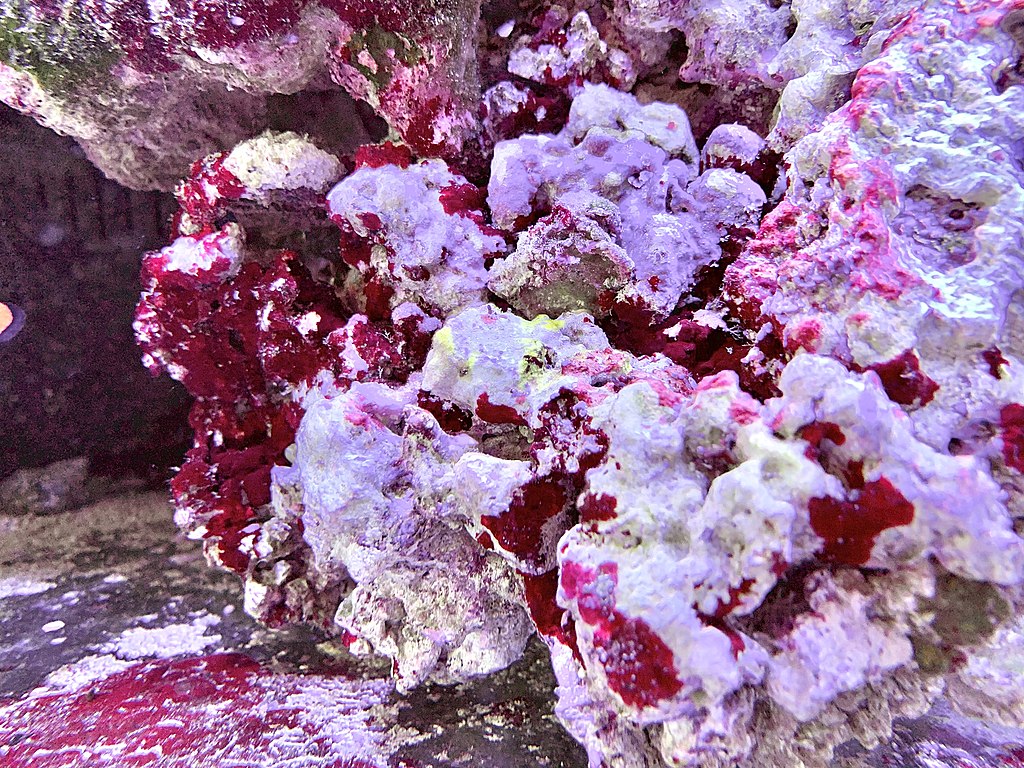
Cyano in a reef tank is common, but it is not harmless. It signals an imbalance in nutrients, flow, or maintenance. The good news is that cyanobacteria can be controlled. Most tanks improve when you fix the cause instead of chasing a quick chemical cure.
Many reef keepers call it red slime algae. It is not a true algae at all. Cyanobacteria is a bacteria that photosynthesizes. It can form red, maroon, brown, dark green, or even black sheets. It traps bubbles, covers sand, and smothers coral tissue. In this guide, you will learn how to identify cyano, why it appears, how to remove it safely, and how to keep it from returning. You will also learn which reef tank mistakes often trigger outbreaks.
Quick Reference Table
| Issue | What It Means | Best Response |
|---|---|---|
| Red or dark slimy film | Likely cyanobacteria | Siphon it out and test nutrients |
| Bubbles trapped in slime | Photosynthetic growth | Increase flow and reduce detritus |
| Low nitrate, high phosphate | Nutrient imbalance | Stabilize nutrient export and feeding |
| Cyano on sand bed | Dead spots or waste buildup | Improve circulation and clean substrate |
| Recurring outbreaks | Root cause not fixed | Review light, flow, filtration, and source water |
Use the table above as a quick guide. It helps you match the symptom to the likely cause. In most reef tanks, cyano appears when several small issues stack together. One change alone may not solve it.
What Is Cyano in a Reef Tank?
Cyanobacteria is an ancient group of bacteria. It uses light to produce energy. In reef aquariums, it often grows as a thin mat over sand, rock, frag plugs, and low-flow corners. It can spread fast when conditions favor it.
Cyano usually appears in newer tanks, but mature systems get it too. It thrives when detritus collects, flow is weak, or nutrients are unstable. It also appears after major changes. Examples include overfeeding, changing lights, dosing amino acids heavily, or cleaning filters too aggressively.
Many hobbyists panic when they first see it. That is understandable. A heavy bloom looks ugly and can irritate coral. Still, cyano is a symptom more than a mystery. If you treat the conditions that favor it, it becomes much easier to control.
How to Identify Cyanobacteria
Cyano has a distinct look. It forms slimy sheets instead of fuzzy tufts. It peels away in mats. It often traps oxygen bubbles during the day. Those bubbles are a strong clue.
Its color varies by tank. Red is common. So are burgundy, rust, dark purple, brown, and green forms. It often starts on the sand bed. Then it spreads onto rocks or coral bases. In low-flow areas, it can cover large sections quickly.
It is often confused with dinoflagellates or diatoms. Diatoms look dusty and brown. They do not usually form thick, slimy mats. Dinoflagellates often look stringy and snot-like. They may produce long strands with bubbles. If you are unsure, observe texture, location, and daily behavior. Cyano usually lifts as a sheet when siphoned.
Why Cyano Appears in Reef Aquariums
Cyano rarely comes from one cause. Most outbreaks come from a mix of excess waste, poor circulation, and unstable nutrients. The tank may also be too clean in one area and too dirty in another.
Low flow is a major trigger. Dead spots let organics settle. Cyano loves that. Dirty filter socks, neglected sumps, and packed mechanical media also add fuel. So does overfeeding. Frozen food juice can contribute if used heavily.
Nutrient imbalance matters too. Many tanks with cyano show very low nitrate and measurable phosphate. That imbalance can favor nuisance growth. Aggressive carbon dosing can also push a tank into this state. Old source water is another issue. If your RO/DI filters are exhausted, unwanted nutrients may enter with top-off and water changes.
Lighting can play a role, but it is rarely the only cause. A long photoperiod, dirty spectrum shift, or sudden intensity increase may worsen an outbreak. Still, light usually amplifies an existing problem rather than creating it alone.
Is Cyano Dangerous to Corals and Fish?
Cyano does not usually kill fish directly. It can, however, stress the whole reef system. Thick mats can cover coral tissue and block light. They can trap detritus and create low-oxygen zones at night. Sensitive corals may stay closed when cyano grows around their base.
LPS corals often suffer when slime settles between fleshy polyps. Zoanthids may stop opening. SPS frags can lose color if the tank remains unstable for weeks. Sand-dwelling invertebrates also dislike heavy mats on the substrate.
The larger risk is what cyano reveals. It tells you the tank is out of balance. If that imbalance continues, coral health often declines over time. For that reason, it is best to address cyano early. Small patches are much easier to beat than a full tank bloom.
Step-by-Step: How to Get Rid of Cyano in a Reef Tank
- Test nitrate, phosphate, alkalinity, and salinity. Record the numbers.
- Manually remove as much cyano as possible. Use airline tubing or a siphon hose.
- Clean detritus traps. Focus on filter socks, rear chambers, sump corners, and powerhead guards.
- Increase flow in affected areas. Reposition pumps instead of blasting corals directly.
- Review feeding. Reduce excess food, but do not starve the tank.
- Check your RO/DI water. Replace filters if TDS is creeping up.
- Shorten the light schedule slightly if it is excessive. Avoid major sudden changes.
- Stabilize nutrients. Aim for measurable nitrate and controlled phosphate.
- Perform regular water changes with clean source water.
- Wait and observe for one to two weeks. Adjust slowly, not all at once.
This process works because it attacks both the growth and the cause. Manual removal gives fast visual relief. Better flow and cleaner export reduce the fuel source. Stable nutrients help competing microbes and corals regain balance.
Aquarium Setup Factors That Encourage Cyano
Some tank layouts are more prone to cyano. Fine sand beds often collect waste in low-flow systems. Rock walls can trap detritus behind the scape. Small all-in-one tanks also develop dead zones easily.
Powerhead placement matters more than many beginners realize. A tank can look turbulent on the surface while the sand bed stays still. Cyano often appears exactly there. Aim for broad, random flow. Try to keep particles suspended long enough for filtration to remove them.
Mechanical filtration should be changed often. Dirty socks and sponges become nutrient factories. Protein skimmers should produce consistent skimmate. Refugiums can help, but they are not a cure by themselves. Good reef setup spreads flow evenly, exports waste, and avoids hidden debris pockets.
Lighting and Water Flow
Cyano uses light well. Long photoperiods can help it spread. If your lights run ten to twelve hours at full intensity, consider trimming that schedule. A modest reduction often helps. Avoid blackout methods as a first response. They can stress corals and only provide temporary relief.
Flow is usually the bigger factor. Cyano loves calm pockets. It settles where waste settles. Add or reposition pumps to improve movement over the sand and around rock bases. Use random, indirect flow when possible. Strong laminar jets can irritate coral tissue and still miss dead spots.
Observe the tank after feeding. Watch where particles collect. Those areas often predict future cyano patches. If food and detritus settle there, cyanobacteria likely will too.
Feeding and Nutrient Management
Overfeeding is a common cause of cyano. Reef tanks do need nutrition, but excess food quickly becomes waste. Feed fish what they consume within a minute or two. Rinse frozen foods if they are especially dirty. Target feed corals carefully.
Do not chase zero nutrients. Ultra-low nitrate can backfire. Many successful mixed reefs keep nitrate measurable. Phosphate should also stay controlled, not bottomed out. Sudden swings often trigger nuisance growth. Stability matters more than perfection.
If you use carbon dosing, amino acids, or coral foods, reduce them during an outbreak. Dose only what the tank can process. Review your export methods too. Skimming, water changes, refugium growth, and mechanical cleaning should match the nutrient input.
Should You Use Cyano Removers?
Chemical treatments can work. They often clear visible cyano fast. That speed is tempting. Still, they should be a last step, not the first. If you do not fix the cause, the cyano often returns.
Use removers carefully. Follow the label exactly. Increase aeration during treatment. Watch oxygen levels, especially at night. Remove carbon if the product requires it. Resume filtration as directed. Expect some bacterial disruption after treatment.
Many hobbyists succeed without chemicals. They improve flow, siphon mats, clean detritus, and stabilize nutrients. That route is slower, but it builds a healthier reef. If you choose a remover, use it as support while fixing the root problem underneath.
Common Problems
Cyano keeps coming back after water changes
Water changes help, but they do not remove the cause. Check for dead spots, dirty media, old RO/DI filters, and overfeeding. Also review nitrate and phosphate together. Repeating the same routine often gives only short-term relief.
Cyano appears after dosing nitrate or phosphate
Rapid nutrient changes can destabilize the tank. Dose slowly. Test often. Avoid large corrections in one day. The goal is balance, not a sudden number.
Cyano covers the sand but not the rocks
This usually points to low flow and trapped waste in the substrate. Increase movement across the sand bed. Siphon lightly during water changes. Avoid stirring too aggressively in old tanks.
Corals stay closed near cyano patches
The slime can irritate tissue and reduce gas exchange. Remove the mat gently. Improve local flow. Then monitor alkalinity and nutrient stability. Corals often recover once the area stays clean.
How to Prevent Cyano Long Term
Prevention is about consistency. Keep flow broad and even. Clean mechanical filtration on schedule. Siphon detritus from hidden areas. Feed enough, but not recklessly. Test nutrients before making major changes.
Use clean source water every time. Replace RO/DI stages when needed. Avoid huge swings in light, nutrients, or dosing. New tanks are especially vulnerable, so be patient during the first months. Let the microbiome mature.
Most important, watch trends instead of single numbers. If waste is building up, address it early. If flow weakens, fix it before slime appears. Small corrections prevent large outbreaks.
Frequently Asked Questions
Will cyano go away on its own?
Sometimes a small patch fades. Most outbreaks persist until conditions improve. Manual removal and husbandry changes work best.
Is cyano caused by high nitrates?
Not always. Cyano often appears with low nitrate and measurable phosphate. The imbalance matters more than one number alone.
Do clean-up crews eat cyanobacteria?
Most snails and hermits do not solve cyano outbreaks. They may graze around it, but they rarely remove mats effectively.
Should I do a blackout for cyano?
A blackout may reduce it briefly. It does not fix the root cause. Use it cautiously if corals are already stressed.
How long does it take to beat cyano?
Mild cases can improve within one to two weeks. Stubborn outbreaks may take a month or longer. Consistency is key.
Related FancyReef Guides
- reef tank parameters
- how to lower phosphate in a reef tank
- reef tank flow guide
- best clean up crew for reef tank
- reef tank water change guide
Was this helpful?
Related Posts
Best Filtration Systems
Best Filtration Systems for a Healthy Saltwater Aquarium Choosing the best filtration system for your saltwater aquarium is…
 By
By
Clown Triggerfish (Balistoides Conspicillum)
Clown triggerfish are stunning but aggressive marine fish that need very large tanks, strong filtration, and careful tankmate…
[favorite_button]
My Bookmarks:
To see full list click here
[user_favorites user_id="" include_links="true" site_id="" post_types="" include_thumbnails="true" thumbnail_size="thumbnail" include_excerpt="false"]