

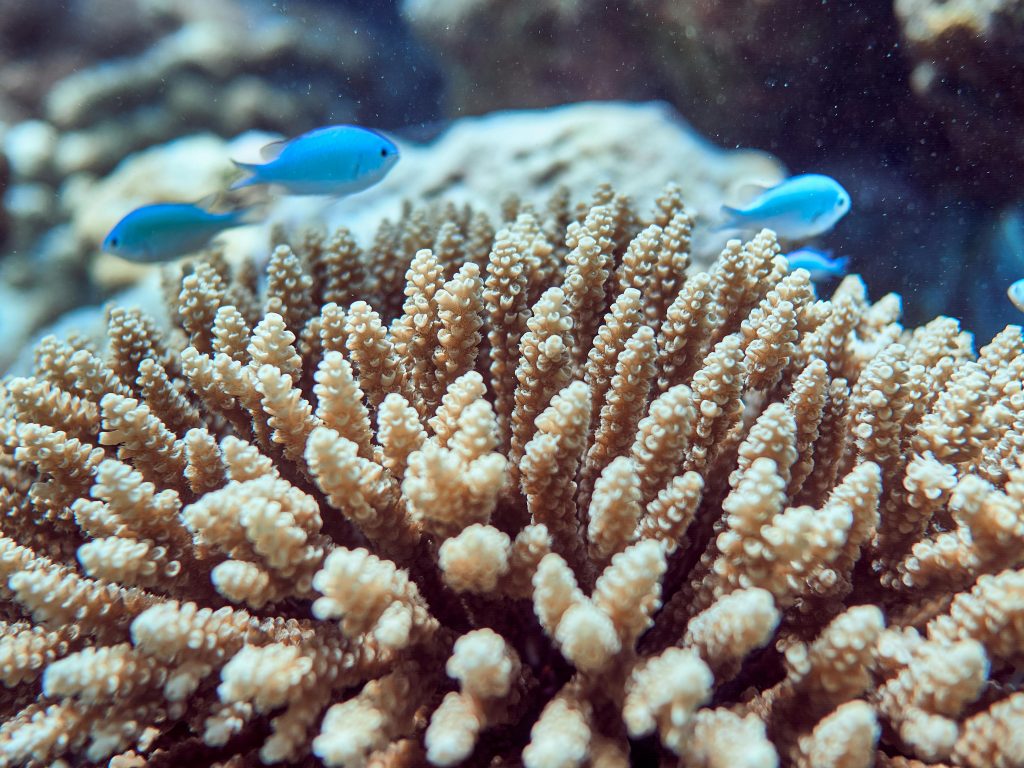
Acropora corals reward stable reef tanks with fast growth, vivid color, and classic branching structure. They are not impossible to keep, but they do demand consistency. If you provide strong light, high flow, clean water, and steady alkalinity, Acropora can thrive in a home reef aquarium.
Many hobbyists view Acropora as an advanced coral. That reputation is partly true. These small polyp stony corals react quickly to swings in chemistry, temperature, and nutrients. They often struggle in new tanks. Still, success becomes much more likely when you understand their needs before buying a frag. In this guide, you will learn how to choose a healthy Acropora, set up the right environment, feed and place it correctly, and solve common problems like browning, tissue loss, and poor polyp extension.
Acropora Care Quick Reference
| Care Factor | Recommendation |
|---|---|
| Difficulty | Moderate to advanced |
| Placement | Upper half of the tank in most systems |
| Lighting | High PAR, usually 250 to 450 |
| Water Flow | Strong, random, turbulent flow |
| Temperature | 76 to 79°F |
| Salinity | 1.025 to 1.026 specific gravity |
| Alkalinity | 7.5 to 9 dKH, kept stable |
| Calcium | 400 to 450 ppm |
| Magnesium | 1250 to 1400 ppm |
| Nitrate | 2 to 15 ppm |
| Phosphate | 0.03 to 0.10 ppm |
| Feeding | Mostly photosynthetic, benefits from fine coral foods |
| Growth Rate | Moderate to fast in stable tanks |
Use this chart as a baseline. Your exact numbers matter less than long-term stability. Acropora usually decline from swings, not from a slightly imperfect target.
What Is Acropora?
Acropora is a large group of stony corals found across tropical reefs. Many species form branches, tables, bushes, or bottlebrush shapes. In reef aquariums, they are prized for color and structure. Popular varieties include green slimer, millepora, tenuis, valida, and tortuosa types.
These corals build hard skeletons from calcium carbonate. That growth requires steady alkalinity, calcium, and magnesium. Acropora also host zooxanthellae, which provide much of their energy through photosynthesis. This is why strong lighting is essential. Their small polyps can capture fine foods, but feeding is a supplement, not the main energy source.
Acropora can be sensitive to rapid changes. A tank that works for soft corals or many LPS corals may still be too unstable for SPS. Mature biology, good export, and consistent dosing make a major difference.
Natural Habitat
Acropora occurs throughout the Indo-Pacific and parts of the Red Sea. Many species grow on shallow reef crests and upper reef slopes. These zones receive intense sunlight and constant water motion. Waves and surge bring oxygen, remove waste, and deliver nutrients.
That habitat explains their aquarium needs. Acropora evolved for bright conditions and heavy, chaotic flow. They are not lagoon corals that prefer dim corners and gentle movement. In nature, they also live in stable seawater. Temperature, salinity, and chemistry do not swing much on healthy reefs. Captive care should aim to copy that stability.
Knowing the habitat helps with placement. Most Acropora belong high on the rockwork with open space around them. They need room for branches to develop and enough flow to reach all sides of the colony.
Aquarium Setup
Acropora can live in tanks of many sizes, but larger systems are easier. A 40-gallon breeder can hold Acropora, yet a 75-gallon or larger reef offers more stability. Bigger tanks resist fast swings in temperature, alkalinity, and nutrients.
Build an aquascape with shelves, arches, and elevated mounting spots. Leave open lanes for flow. Avoid stacking rock too tightly. Dead spots collect detritus and reduce oxygen exchange. Acropora often suffer when waste settles around the base.
Use strong filtration and export. A quality protein skimmer helps. Mechanical filtration should be changed often. Many successful SPS keepers also use refugiums, roller filters, carbon, or phosphate media when needed. Keep the tank mature before adding expensive frags. Six months is a bare minimum for many systems. Older tanks often perform better.
Always quarantine or dip new frags. Pests spread fast in SPS systems. Acropora flatworms and red bugs can ruin a collection.
Lighting Requirements
Acropora needs strong lighting. In most aquariums, aim for 250 to 450 PAR depending on the species and color morph. Some deepwater types prefer a little less. Many common aquacultured strains adapt well to the middle of that range.
LED, T5, and hybrid systems can all work. The key is spread and consistency. Narrow hotspots often cause pale tips and shaded bases. Even coverage helps colonies color and grow more evenly. Blue-heavy spectrums are common because they support coral fluorescence and visual appeal, but total intensity still matters.
Acclimate new frags slowly. Sudden exposure to high PAR can bleach tissue within days. Start lower in the tank or reduce intensity. Then raise light over one to three weeks. Watch for fading, excessive brightness, or retracted polyps. If the coral turns brown, light may be too weak, but nutrients and flow also play a role.
If you need help dialing in your reef lights, see our reef tank lighting guide.
Water Flow
Strong, random flow is critical for Acropora care. These corals dislike direct blasting from one fixed powerhead. They do best under chaotic movement that changes direction and intensity. Gyres, alternating pumps, and pulse modes work well.
Good flow keeps the coral surface clean. It delivers oxygen and nutrients to the polyps. It also removes mucus and waste. Without enough flow, the base can collect detritus and tissue may recede. Too much direct flow can strip tissue or prevent polyp extension.
Watch the coral closely. Polyps should move gently, not flatten hard in one direction. Branches should receive flow from several angles. As colonies grow, they block water from reaching inner areas. You may need to adjust pumps over time. Flow that worked for a small frag may be poor for a mature colony.
Water Chemistry and Stability
This is where many Acropora tanks succeed or fail. Stable chemistry matters more than chasing perfect numbers. Alkalinity should remain steady every day. For many mixed reefs and SPS tanks, 7.5 to 9 dKH is a practical range. Pick a target and hold it there.
Calcium should stay around 400 to 450 ppm. Magnesium should remain near 1250 to 1400 ppm. Salinity should stay at 1.025 to 1.026. Temperature should stay steady, ideally 76 to 79°F. Avoid swings caused by weak heaters, evaporation, or inconsistent top-off.
Nutrients must not bottom out. Ultra-low nitrate and phosphate often lead to pale color and poor growth. A useful starting range is 2 to 15 ppm nitrate and 0.03 to 0.10 ppm phosphate. Test often. Dose alkalinity daily or use a doser, kalkwasser, or calcium reactor as demand rises. Manual dosing can work, but missed days quickly become a problem in SPS-heavy systems.
For a deeper look at chemistry targets, read our reef tank water parameters guide.
Feeding
Acropora gets most of its energy from light. Still, many reef keepers report better color and growth with careful feeding. Fine particulate coral foods, rotifers, reef roids-style powders, amino acids, and broadcast planktonic foods can all help when used sparingly.
Feed small amounts one to three times per week. Turn off the skimmer for a short period if needed. Do not overfeed. Excess food raises phosphate and fuels nuisance algae. In a balanced tank, fish waste and dissolved organics already supply some nutrition.
Strong feeding should be matched with strong export. If nutrients climb too high, colors may brown and growth can slow. If nutrients fall too low, tissue may become pale and brittle. Acropora usually look best in tanks with measurable, controlled nutrients rather than sterile water.
Compatibility
Acropora is generally reef safe with many fish and invertebrates, but placement and tankmates matter. Avoid fish known to nip SPS polyps, such as some angelfish and butterflyfish. Certain crabs can also irritate tissue. Acropora crabs are often harmless or helpful, but hitchhikers should still be observed.
Give Acropora space from aggressive corals. Many LPS corals send out long sweeper tentacles at night. Soft corals may release chemical compounds that irritate SPS in smaller tanks. Carbon and water changes can help in mixed reefs, but direct contact should always be avoided.
Acropora also competes with nearby Acropora. Fast growth leads to shading and branch warfare. Plan for future size, not current frag size. Leave room around each piece. This improves flow and makes maintenance easier.
If you keep a mixed reef, our mixed reef coral placement guide can help you plan spacing.
How to Add a New Acropora Frag
Start with a healthy, aquacultured frag when possible. These frags often adapt better than wild colonies. Look for intact tissue, visible polyp extension, and no white bite marks or pests.
- Match temperature and salinity before introduction.
- Dip the frag using a trusted coral dip.
- Inspect for flatworms, red bugs, and eggs.
- Mount the frag securely with reef-safe glue or epoxy.
- Place it lower than the final target position.
- Increase light exposure gradually over one to two weeks.
- Test alkalinity often during the adjustment period.
Do not move the frag every day. Acropora dislikes constant changes. Give it time to settle. Good signs include daytime polyp extension, encrusting at the base, and stable color after the first week.
Propagation and Fragging
When to Frag Acropora
Frag Acropora when branches are healthy and growing well. Avoid fragging stressed, pale, or recently added colonies. Stable parameters reduce the risk of tissue loss after cutting.
How to Frag It Safely
Use clean bone cutters or coral shears. Cut a healthy branch tip with good color. Avoid crushing the skeleton. Dip the fresh frag if needed. Then glue it to a plug or small rock. Place the new frag in moderate light and strong indirect flow until it encrusts.
Aftercare for Fresh Frags
Fresh cuts can slime heavily. Good flow helps clear mucus. Keep alkalinity steady and avoid major changes for several days. Most healthy Acropora frags begin encrusting before they show fast branch growth.
Common Problems
Why Is My Acropora Turning Brown?
Brown Acropora usually points to excess nutrients, weak light, or both. Test nitrate and phosphate first. Check PAR at the coral. Improve export slowly. Avoid sudden nutrient stripping. Color often returns over several weeks, not overnight.
Why Is My Acropora Bleaching?
Bleaching often follows light shock, heat stress, or rapid chemistry swings. Reduce intensity if the coral was recently moved upward. Confirm temperature stability. Check alkalinity history. A fast rise or drop can trigger pale tissue and white tips.
Why Is Tissue Receding From the Base?
Base recession can result from low flow, detritus buildup, shading, pests, or unstable alkalinity. Improve random flow around the colony. Remove trapped waste. Inspect closely for bite marks or flatworms. Review your dosing schedule.
Why Are Polyps Not Extending?
Poor polyp extension may come from too much direct flow, fish picking, pests, or recent stress. Some Acropora naturally show less extension in bright light. Compare day and night behavior. If extension suddenly stops, inspect for red bugs and parameter swings.
How Do I Prevent Acropora Pests?
Prevention starts with quarantine. Dip every new coral. Inspect under white light and magnification if possible. Never trust a clean-looking frag alone. A separate observation tank can save an entire SPS display.
Our coral dip and quarantine guide covers this process in more detail.
Frequently Asked Questions
Is Acropora good for beginners?
Usually not for brand-new hobbyists. It is better for beginners with a mature tank and solid testing habits. Start with hardy aquacultured frags rather than expensive wild colonies.
How fast does Acropora grow?
Growth depends on species and stability. In a healthy SPS system, many frags encrust within weeks and branch noticeably within months. Some varieties grow very fast.
What is the best alkalinity for Acropora?
Many hobbyists succeed between 7.5 and 9 dKH. The best level is one you can keep stable every day. Stability matters more than a specific number.
Can Acropora live in a mixed reef?
Yes, but placement is important. Keep it away from aggressive LPS corals and chemical-heavy soft corals. Strong flow, carbon, and open spacing improve results.
Do Acropora need feeding?
They do not need heavy feeding to survive. Most energy comes from light. Light supplemental feeding can improve color and growth when nutrient control remains strong.
Final Thoughts
Acropora care centers on consistency. Give these corals strong light, chaotic flow, measurable nutrients, and stable chemistry. Avoid sudden changes. Start with hardy aquacultured frags. Test often and make adjustments slowly. Once your tank is ready, Acropora can become the most rewarding coral group in your reef.
Was this helpful?
Related Posts
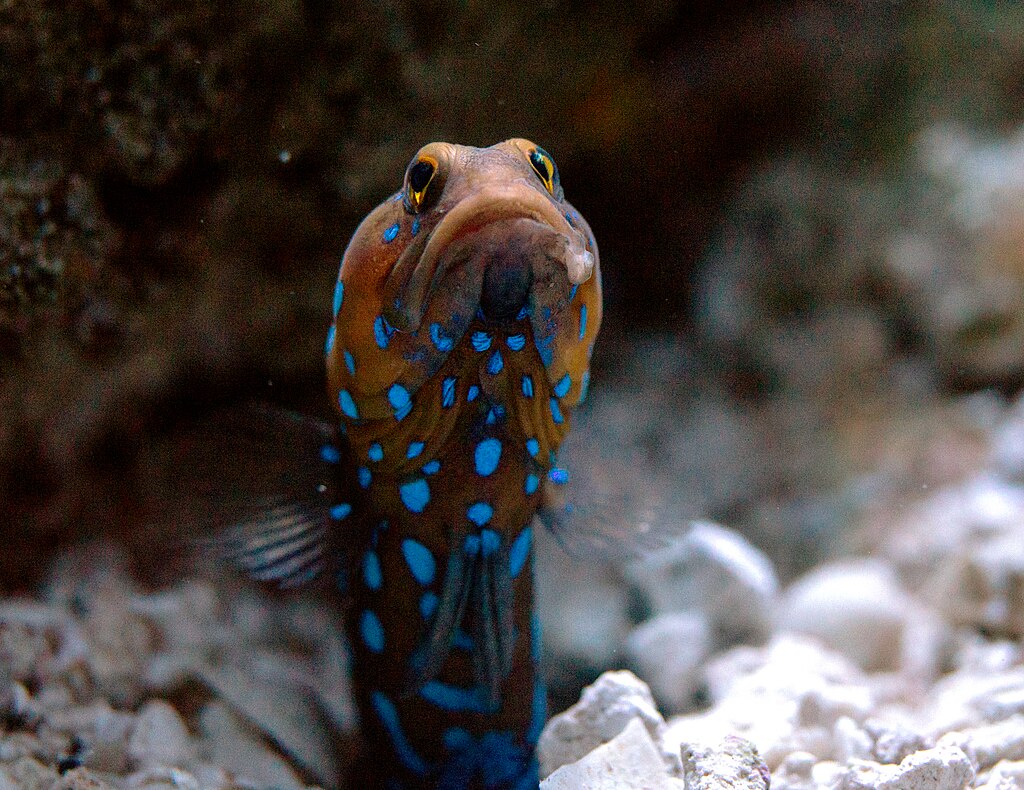
Blue Dot Jawfish (Opistognathus Rosenblatti)
Blue Dot Jawfish need cool water, deep sand, and a tight lid. Learn how to keep Opistognathus rosenblatti…
 By
By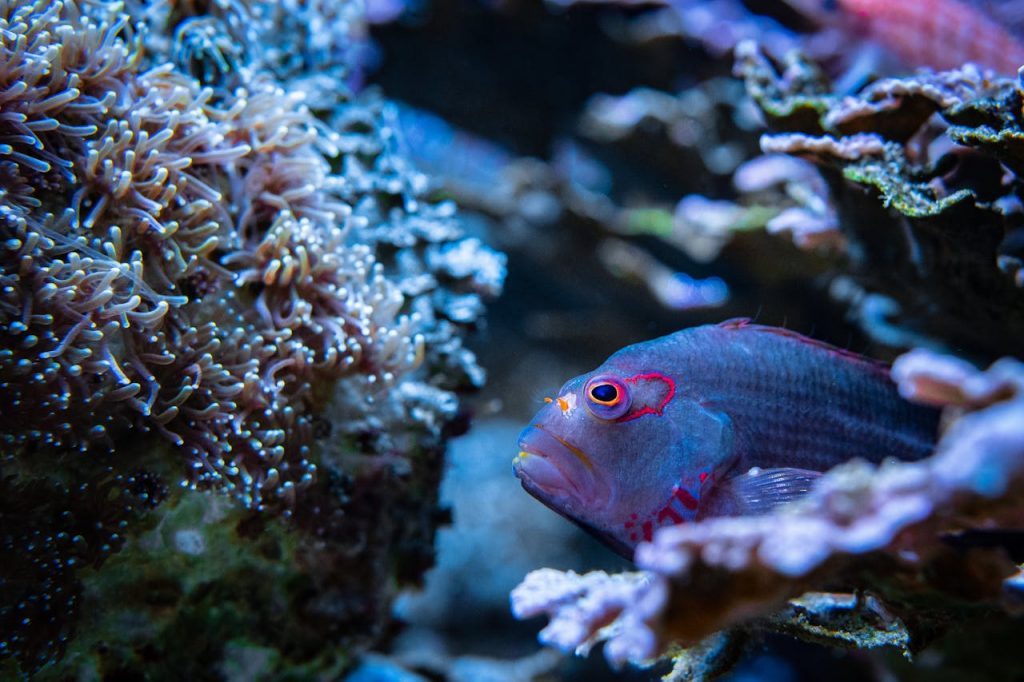
Arc Eye Hawkfish (Paracirrhites arcatus)
Arc Eye Hawkfish care is simple in a stable tank. Learn tank size, feeding, reef safety, and shrimp…
[favorite_button]
My Bookmarks:
To see full list click here
[user_favorites user_id="" include_links="true" site_id="" post_types="" include_thumbnails="true" thumbnail_size="thumbnail" include_excerpt="false"]