

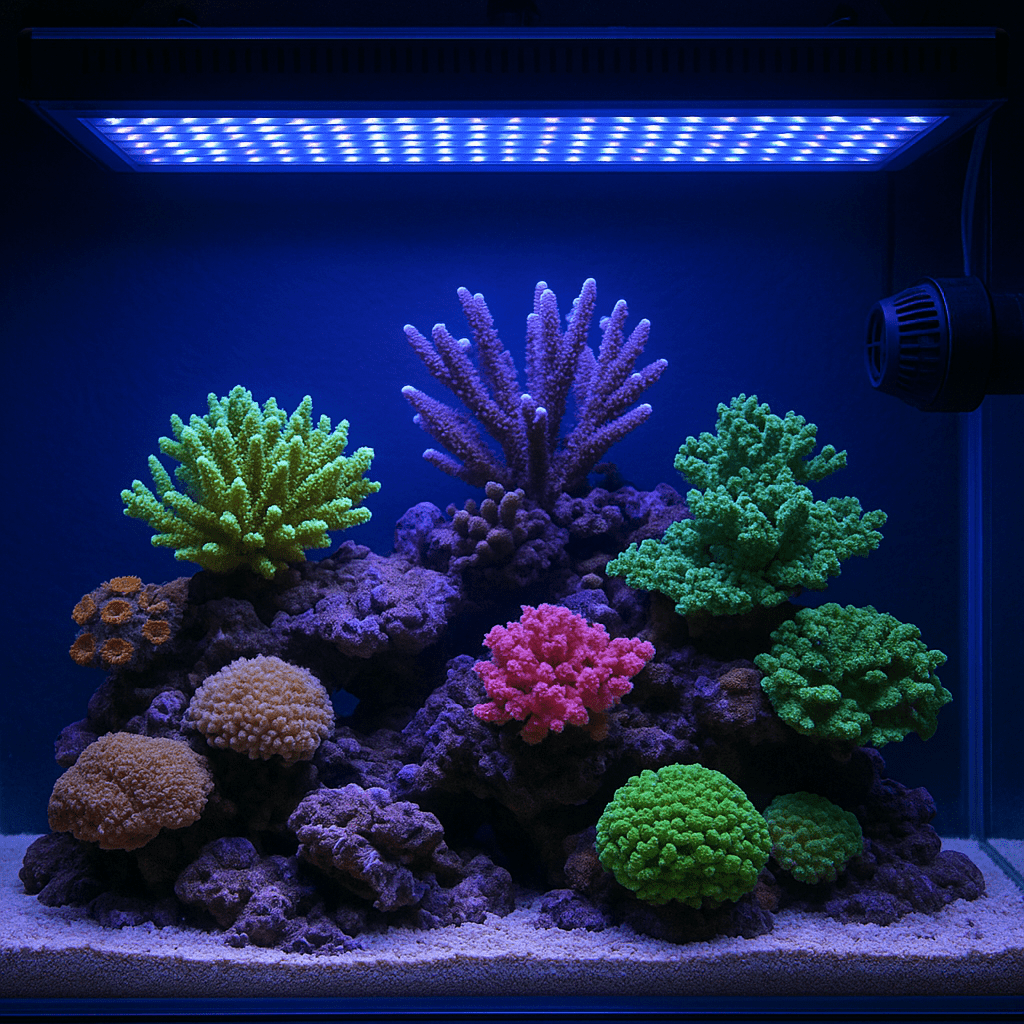
Tangs and surgeonfish are active marine grazers with bright colors and strong personalities. They are also demanding fish. Most species need large tanks, stable water quality, and a steady supply of algae-based foods. When kept correctly, they become hardy, useful, and striking additions to reef aquariums.
This guide explains how to keep tangs successfully in a home reef tank. You will learn about tank size, diet, compatibility, aquascaping, quarantine, and common health issues. We will also cover why some species suit intermediate hobbyists better than beginners. Tangs are often sold small. Many outgrow undersized systems quickly. Planning ahead matters with this group more than with many other reef fish.
Quick Reference Table
| Common name | Tangs and surgeonfish |
| Family | Acanthuridae |
| Care level | Moderate to advanced |
| Temperament | Peaceful to aggressive, species dependent |
| Diet | Mostly herbivorous, some omnivorous |
| Reef safe | Usually yes |
| Minimum tank size | 75 gallons for smaller species, 125 gallons or more for many |
| Temperature | 76–80°F |
| Salinity | 1.024–1.026 |
| pH | 8.1–8.4 |
| Nitrate | Low to moderate, ideally under 15 ppm |
| Special concern | Ich, HLLE, aggression, swimming space |
What Are Tangs and Surgeonfish?
Tangs belong to the family Acanthuridae. The name surgeonfish comes from the sharp spine near the tail. This spine can slash tankmates during fights. It can also injure careless hobbyists during capture. These fish are built for constant swimming. Their narrow bodies and crescent tails help them cruise long distances over reefs.
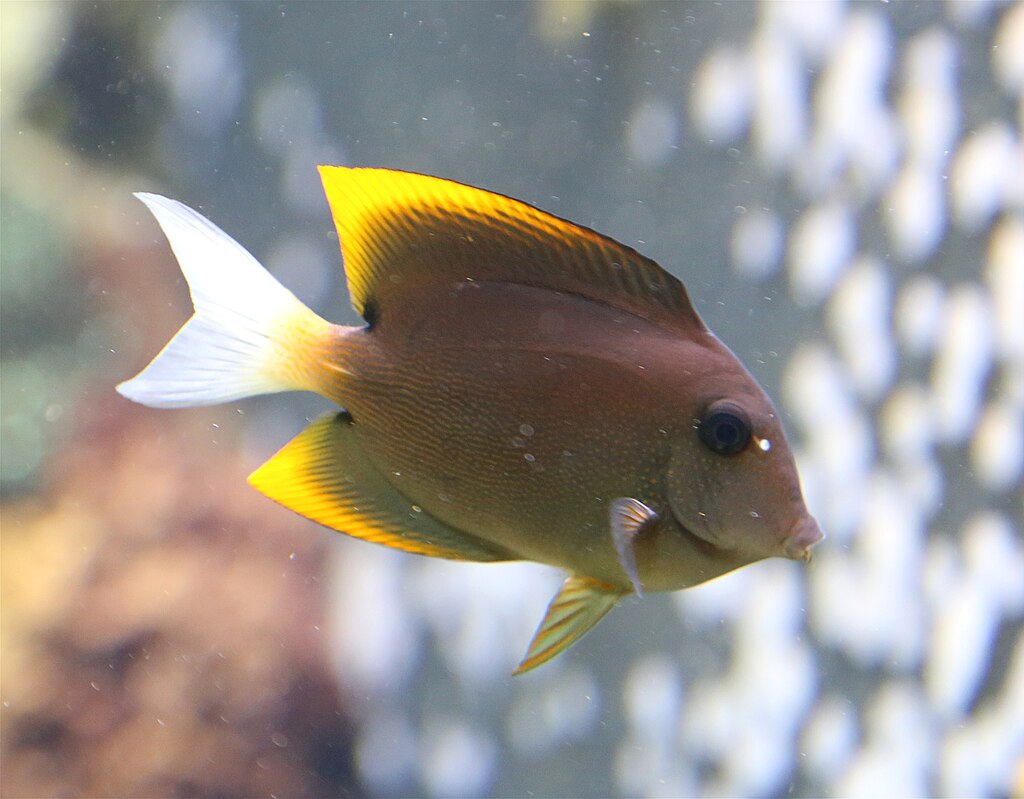
In aquariums, tangs are valued for color and utility. Many species graze nuisance algae from rock and glass. They add movement to larger displays. Popular examples include the yellow tang, kole tang, tomini tang, powder blue tang, naso tang, and hippo tang. Each species has different care needs. Some stay manageable. Others become very large and demanding. That is why buying by appearance alone often leads to problems later.
Natural Habitat
Tangs occur across the Indo-Pacific, Red Sea, and parts of the Atlantic. Most live on shallow coral reefs, reef slopes, and lagoons. They spend the day grazing algae films, turf algae, and detritus from hard surfaces. Some species form schools. Others defend feeding territories. Many travel long distances each day while searching for food.
This natural behavior explains their aquarium needs. Tangs need room to swim. They also need mature rock with natural grazing surfaces. A bare, cramped tank does not suit them well. Species from surge zones often prefer stronger water movement. Species from open reef faces usually appreciate long swimming lanes. Understanding the fish’s habitat helps you choose the right tank and the right species for your setup.
Best Tang Species for Home Reef Tanks
Not all tangs are equal in captivity. Smaller bristletooth tangs are often the best starting point. The kole tang and tomini tang are good examples. They stay smaller than many popular species. They also spend much of the day picking film algae and detritus from rock. This makes them useful in established reefs.
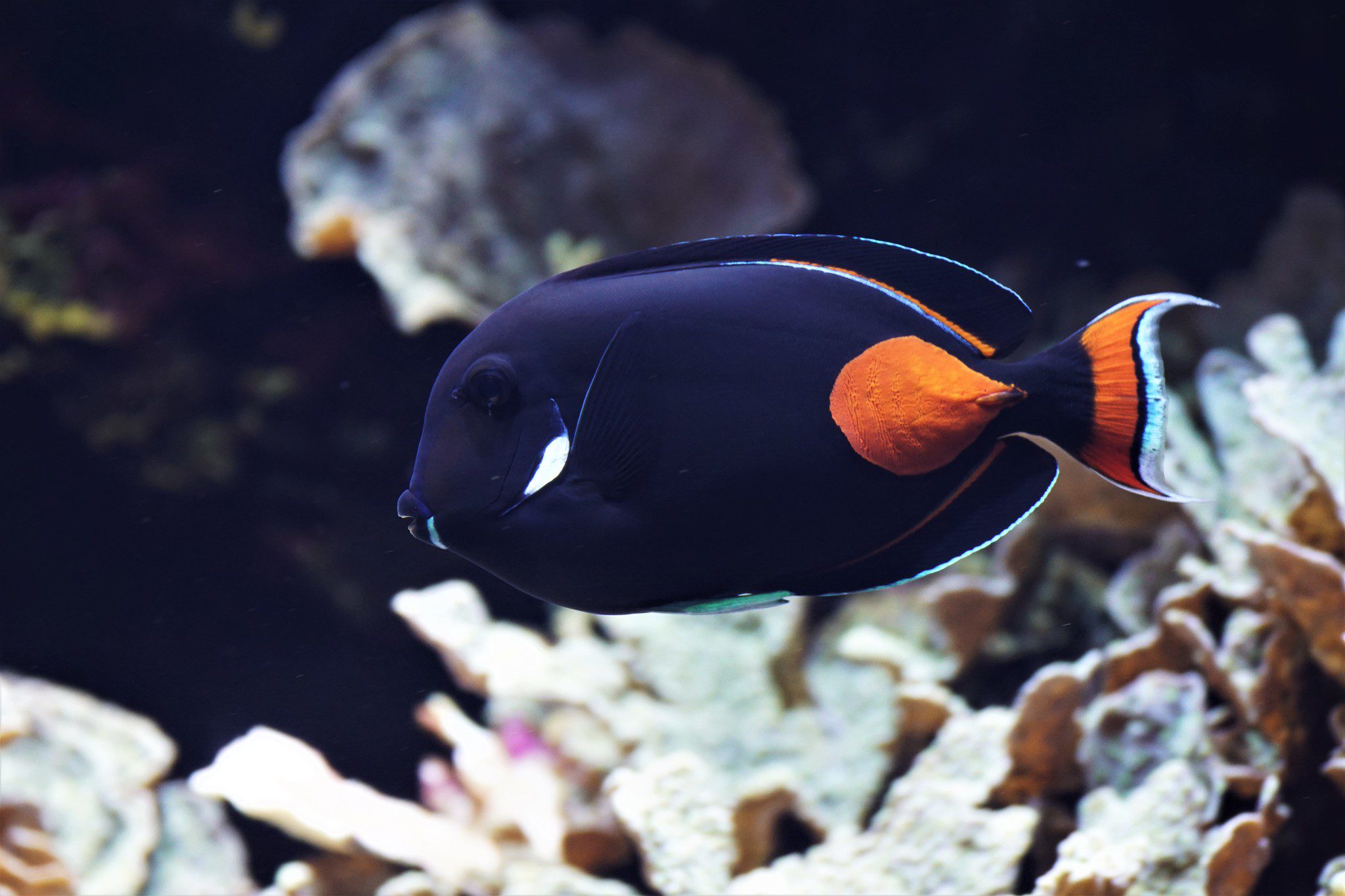
Yellow tangs remain a classic choice for larger tanks. They are hardy once established and usually adapt well. Hippo tangs are beautiful but need more swimming room and often carry parasites. Powder blue and achilles tangs are stunning, but they are poor choices for most beginners. They stress easily and are very prone to disease. Naso tangs become too large for many home aquariums. Always research adult size, behavior, and disease sensitivity before buying.
Aquarium Setup
Tank size is the first major decision. Smaller tangs need at least a 75-gallon tank, and that is a practical minimum. Many species need 125 gallons or more. Larger open-water tangs may require tanks over 180 gallons. Length matters as much as volume. A long tank gives these fish room to build speed and reduce stress.
Aquascape with open swim lanes and stable rockwork. Avoid stacking rock wall-to-wall. Leave clear paths around and between structures. Tangs like to circle the tank and dart through arches. Use mature live rock when possible. It provides natural grazing and supports better biological stability. Strong filtration helps, because tangs eat often and produce heavy waste. A good protein skimmer, regular water changes, and strong circulation are all useful. For new systems, read our guides on reef tank setup and live rock in reef tanks.
Lighting Requirements
Tangs do not have special lighting demands like corals do. Their needs depend more on the reef system than the fish themselves. In a reef tank, lighting should match the corals you keep. Tangs adapt well to typical reef lighting as long as the schedule is stable and the tank includes shaded areas.
Bright lighting can encourage algae growth on rocks and glass. That gives tangs more natural grazing opportunities. Still, do not rely on nuisance algae alone for nutrition. If your tank runs very clean, offer dried seaweed daily. Sudden lighting changes can stress fish. Make intensity changes slowly. If a new tang hides during the first week, that is normal. Give it time, keep the environment calm, and avoid frequent rearranging of the aquascape.
Water Flow
Tangs appreciate strong, oxygen-rich water movement. In nature, many live in areas with constant surge and current. Good flow supports gas exchange and keeps detritus suspended for filtration. It also helps mimic the active reef environment these fish evolved in.
Aim for varied flow rather than one harsh stream. Use multiple pumps or alternating wave modes. This creates calmer zones and stronger channels. Tangs often choose where they feel most comfortable. Good surface agitation is especially important in heavily stocked tanks. These fish have high oxygen demands. If a tang breathes rapidly, check temperature, oxygen, and ammonia first. Poor flow alone will not cause every issue, but weak circulation often adds stress in a crowded reef system.
Feeding
Most tangs need frequent plant-based feeding. Offer dried nori or other marine algae every day. Clip it to the glass where the fish can graze naturally. Supplement with quality herbivore pellets, spirulina foods, and frozen blends that include marine algae. Many tangs also benefit from small amounts of mysis or other meaty foods. This is especially true for omnivorous species.
Feed small portions two to three times daily when possible. This matches their natural grazing behavior better than one large meal. Underfed tangs become thin fast. You may see a pinched belly, faded color, or increased aggression. Variety matters. Nutritional gaps can contribute to poor immune function and head and lateral line erosion. Soak foods in vitamins occasionally. For more help with nutrition, see our articles on reef fish feeding guide and marine algae for herbivores.
Compatibility
Tangs are generally reef safe with corals and most invertebrates. They rarely bother healthy corals. Their main compatibility issue is with other fish, especially other tangs. Many species are territorial and dislike fish with a similar shape, color, or feeding niche. A yellow tang may chase another Zebrasoma species. A powder blue may target nearly any new tang.
Success depends on tank size, species choice, and introduction order. Add the least aggressive tang first when possible. Introduce multiple tangs together in very large systems. Use acclimation boxes if needed. Rearranging rock can reduce old territory claims. Avoid mixing highly aggressive species in moderate tanks. Tangs usually coexist well with clownfish, wrasses, gobies, anthias, and reef-safe angelfish. Watch for bullying at feeding time. Fast, confident species can outcompete shy tankmates if food is not spread around.
Step-by-Step Guide to Adding a Tang
First, choose a species that fits your adult tank size. Do not buy for the current size alone. Second, quarantine the fish before it enters the display. Tangs are notorious for carrying marine ich and other parasites. Third, provide hiding spots in quarantine and offer algae quickly. Many new tangs settle faster when they can graze.
Fourth, confirm stable salinity, temperature, and ammonia-free conditions before transfer. Fifth, use a drip or cup acclimation method based on your quarantine protocol. Sixth, add the fish with lights dimmed. Seventh, offer nori within the first day. Eighth, observe breathing, appetite, and aggression closely for the first two weeks. Ninth, keep hands out of the tank unless needed. New tangs stress easily. Tenth, act early if you see spots, flashing, or refusal to eat. Delay usually makes treatment harder.
Common Problems
Why does my tang have white spots?
White spots often indicate marine ich, though other diseases can look similar. Tangs are especially vulnerable after shipping stress. Rapid breathing, scratching, and reduced appetite are common signs. Move the fish to a treatment system if disease is confirmed. Do not medicate a reef display without research. Quarantine remains the best prevention.
Why is my tang aggressive?
Aggression usually comes from limited space, similar tankmates, or poor introduction timing. Hunger also makes tangs more hostile. Increase feeding frequency, add visual breaks, and review species compatibility. In severe cases, one fish may need removal. A mirror on the glass can distract some dominant tangs temporarily.
Why is my tang losing color or getting pits on the head?
This can point to stress, poor nutrition, stray voltage, or head and lateral line erosion. Improve diet first. Add marine algae, vitamins, and varied foods. Check water quality and activated carbon use if relevant. Stable conditions and better nutrition often help early cases improve.
Why won’t my tang eat?
New tangs often refuse food for a day or two. Offer several algae types, clip food near cover, and reduce disturbances. Check for bullying and disease. A fish that will not eat after several days needs close attention. Weight loss happens quickly in active grazers.
Frequently Asked Questions
Are tangs good for beginners?
Some are, but many are not. A kole tang or tomini tang in a mature tank is manageable. Powder blue and achilles tangs are not beginner fish.
Can I keep more than one tang?
Yes, but success depends on tank size and species. Large tanks work best. Avoid mixing similar body shapes in smaller systems.
Do tangs eat hair algae?
Some do, but results vary by species and by individual fish. They help with grazing, but they are not a cure for poor nutrient control.
How often should I feed a tang?
Feed at least twice daily, with algae available often. Frequent small meals support health better than one large feeding.
Do tangs need quarantine?
Yes. Few reef fish benefit from quarantine more than tangs. It lowers disease risk and helps the fish begin eating in a controlled setting.
Final Thoughts
Tangs are some of the most rewarding fish in reef keeping, but they are not impulse purchases. Give them space, strong flow, stable water, and a plant-rich diet. Choose species with care. Quarantine every new arrival. If you match the fish to the system, tangs can thrive for years and become the centerpiece of a healthy reef aquarium.
Was this helpful?
Related Posts
Reef Tank Basics
Learn reef tank basics, from setup and cycling to lighting, flow, and water chemistry, so your first reef…
 By
By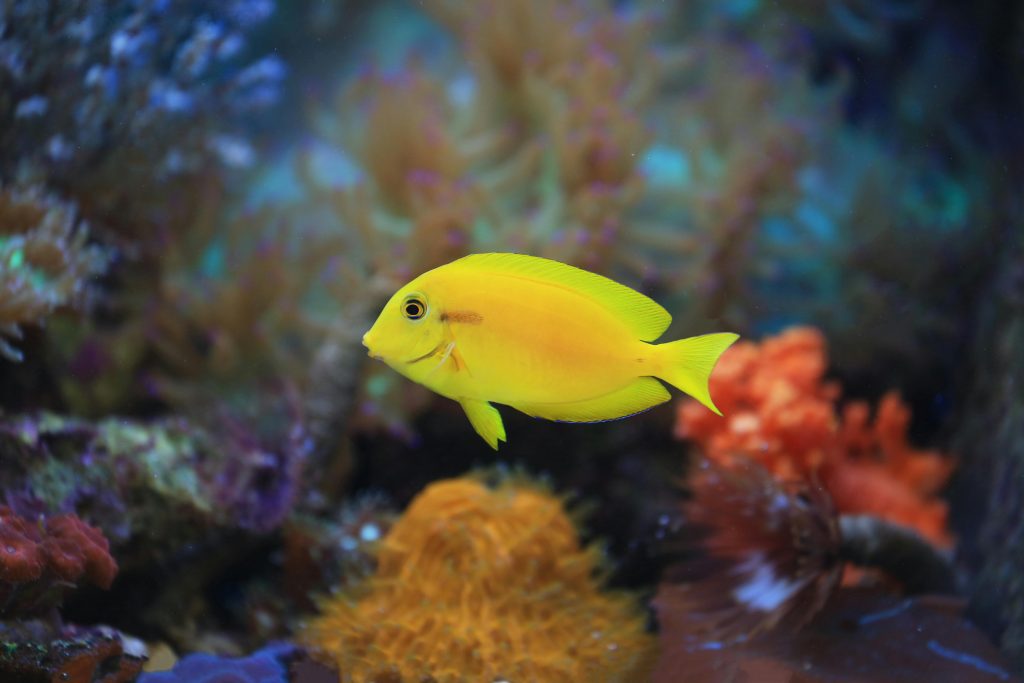
Juvenile Orange Shoulder (acanthurus Olivaceus)
Juvenile orange shoulder tangs are bright, hardy, and reef safe, but they grow large and need a spacious…
[favorite_button]
My Bookmarks:
To see full list click here
[user_favorites user_id="" include_links="true" site_id="" post_types="" include_thumbnails="true" thumbnail_size="thumbnail" include_excerpt="false"]