

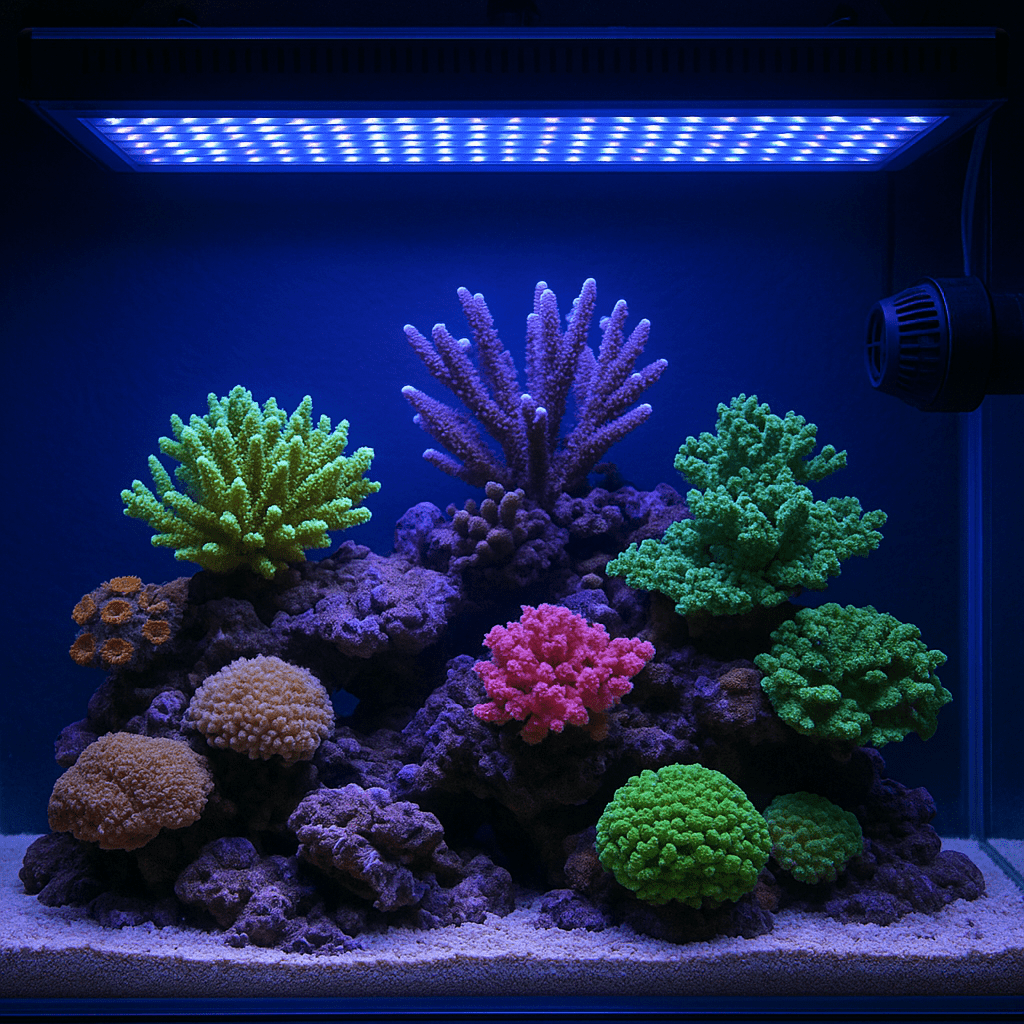
Advanced coral care means controlling stability, light, flow, and nutrition with precision. Success comes from reading coral behavior early, keeping parameters steady, and making small adjustments instead of large corrections.
Many reef keepers reach a point where basic coral care is not enough. Soft corals may grow well, yet acropora fade, LPS recede, or prized frags stall for months. At that stage, the issue is rarely one single number. It is usually the balance between lighting, alkalinity use, nutrient availability, flow patterns, and overall tank maturity. This guide explains how experienced hobbyists approach advanced coral care in a practical way. You will learn how to tune your system, prevent common setbacks, and help demanding corals thrive long term.
Quick Reference Table
| Factor | Recommended Range | Why It Matters |
|---|---|---|
| Temperature | 76 to 79°F | Supports metabolism and reduces stress |
| Salinity | 1.025 to 1.026 SG | Keeps osmotic balance stable |
| Alkalinity | 7.5 to 9 dKH | Drives coral skeleton growth |
| Calcium | 400 to 450 ppm | Supports calcification |
| Magnesium | 1250 to 1400 ppm | Helps stabilize calcium and alkalinity |
| Nitrate | 2 to 15 ppm | Prevents starvation in many corals |
| Phosphate | 0.03 to 0.10 ppm | Supports metabolism without fueling excess algae |
| PAR for SPS | 250 to 400 | Promotes color and growth |
| PAR for LPS | 75 to 200 | Prevents bleaching and tissue stress |
| Flow | Moderate to strong, random | Improves gas exchange and waste removal |
Use this table as a starting point, not a rigid rulebook. Every reef develops its own rhythm over time. What matters most is consistency. Corals usually tolerate slightly imperfect numbers better than daily swings. Test often, log changes, and adjust slowly.
What Advanced Coral Care Really Means
Advanced coral care is not only about keeping rare SPS. It is about understanding interactions inside the reef. Light affects nutrient demand. Flow affects how corals shed mucus. Alkalinity use changes with growth, feeding, and temperature. Once a tank becomes coral heavy, small shifts become more important.
Experienced reef keepers focus on trend lines. They do not chase single test results. A phosphate reading of 0.08 ppm may be fine. A jump from 0.02 to 0.08 in two days is more concerning. The same applies to alkalinity. Corals often react to instability before they react to the actual value.
Advanced care also means observing tissue, polyp extension, color, and growth margins. Corals communicate constantly. Pale tips, dull tissue, or weak inflation often appear before major decline. Learning these signs helps you fix problems early.
Natural Habitat and Why It Matters
Most reef corals come from shallow tropical seas. Many SPS corals live in bright, turbulent zones. They receive intense light and constant water movement. Many LPS corals come from lower energy areas. They often prefer gentler flow and less intense light. Soft corals vary widely, but many tolerate richer water and lower calcification demand.
Natural habitat gives useful clues for placement. Acropora usually prefer high rockwork, strong random flow, and stable chemistry. Euphyllia often do better in moderate light and indirect flow. Trachyphyllia and scolymia usually prefer lower light and a sand bed position. Matching these conditions reduces stress and improves feeding response.
Habitat is not a strict template. Captive corals adapt over time. Still, understanding where a coral evolved helps explain its behavior in your tank.
Aquarium Setup for Demanding Corals
Advanced coral systems need stability first. Tank size helps because larger water volume resists rapid swings. Small tanks can still succeed, but they require tighter maintenance. Use reliable heaters, strong circulation pumps, and an accurate auto top off. Salinity swings can damage sensitive corals fast.
Aquascaping should create varied zones. Build shelves for high light SPS. Leave lower ledges for LPS and shaded areas for lower light species. Avoid dense rock walls that trap detritus. Open structures improve flow and reduce dead spots. This also makes future coral growth easier to manage.
Filtration should match the coral load. A protein skimmer helps with gas exchange and waste export. Mechanical filtration catches particles before they break down. Refugiums and media reactors can help, but they should not strip nutrients too aggressively. Mature reefs usually perform best with balanced export, not extreme export. You may also like reef tank setup guide, reef tank water parameters, and best coral for beginners.
Lighting Requirements
Lighting is one of the biggest factors in advanced coral care. Corals need enough usable light for photosynthesis, but too much light causes bleaching and stress. PAR matters more than marketing claims. Measure light if possible. Guessing often leads to poor placement.
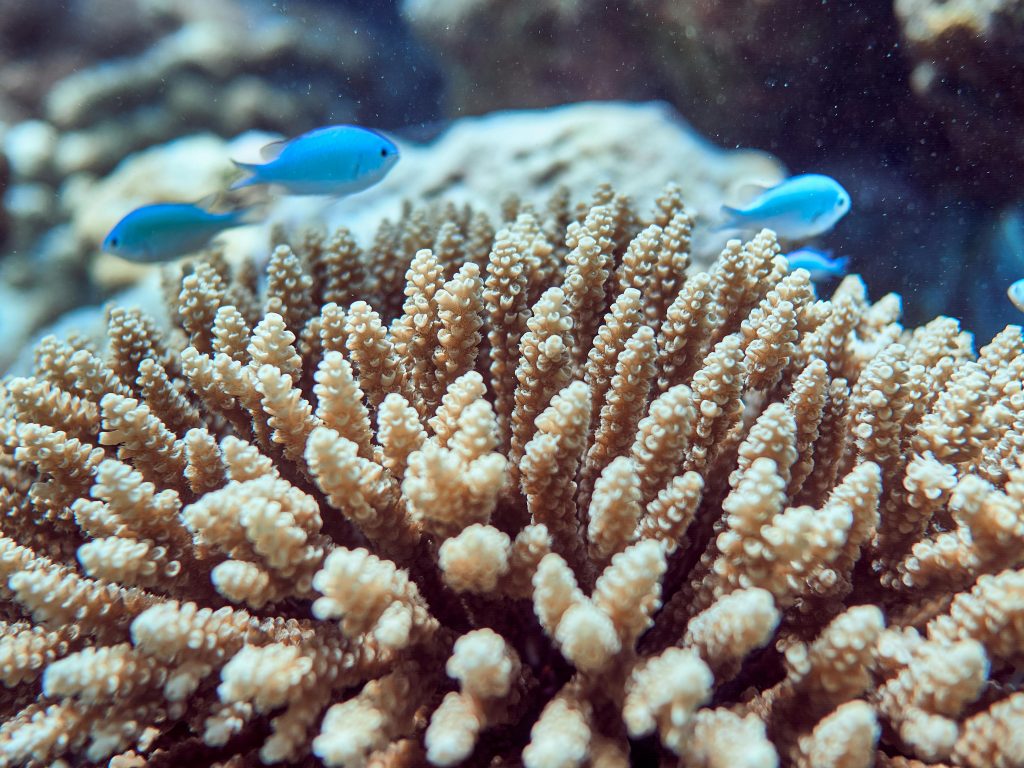
SPS corals often thrive between 250 and 400 PAR. Some can take more, but only in stable systems. LPS usually prefer 75 to 200 PAR. Soft corals often tolerate a broad range. Spectrum also matters. Blue heavy reef lighting supports fluorescence and photosynthesis. However, intensity and consistency matter more than tiny spectrum tweaks.
Always acclimate corals to new lights. Reduce intensity or shorten photoperiod when adding fresh frags. Raise output slowly over one to three weeks. Watch for pale tissue, retracted polyps, or excessive stretching. Those signs tell you if the coral wants more or less light.
Water Flow
Flow delivers oxygen, removes waste, and brings food to coral tissue. In advanced systems, poor flow often limits success more than lighting. Corals need movement across all surfaces. Dead spots collect detritus and fuel irritation. Direct laminar flow can strip tissue from some species.
Random, changing flow works best for most reefs. Use multiple pumps or gyres to create intersecting patterns. SPS usually prefer stronger flow than LPS. Watch how polyps move. Gentle swaying is good for fleshy corals. Violent whipping is not. Acropora should show extension without tissue recession on the flow-facing side.
Flow should also evolve as colonies grow. A tank that had perfect circulation six months ago may now have blocked areas. Reassess pump angles often. Coral growth changes everything.
Water Chemistry and Stability
Stable chemistry separates average coral tanks from excellent ones. Alkalinity is usually the most critical number to track closely. Fast growing corals consume it every day. If alkalinity swings, growth slows and tissue can burn or recede. Calcium and magnesium matter too, but they usually change more slowly.
Nutrients are equally important. Ultra low nutrient systems can produce pale corals and weak growth. Excess nutrients can darken tissue and fuel nuisance algae. Most mixed reefs do well with measurable nitrate and phosphate. Corals need some available nutrients to support zooxanthellae and tissue health.
Dosing pumps are helpful once demand rises. They add small amounts throughout the day. That keeps parameters steadier than manual dosing. Test regularly, especially after adding many new frags. Consumption increases as corals encrust and branch.
Feeding and Nutrition
Corals are not fed by light alone. Many benefit from direct or indirect feeding. LPS often respond well to mysis, finely chopped seafood, or pellet foods designed for corals. SPS usually benefit more from broadcast feeding of fine particulate foods, amino acids, and fish waste in a healthy system.
Feed lightly at first. Heavy feeding without export causes nutrient spikes. Target feed fleshy corals when tentacles are extended. Turn off pumps briefly if needed. Broadcast feed after lights dim if your corals show stronger feeding response at night.
Fish also play a role in coral nutrition. A well fed fish population produces dissolved and particulate waste that corals can use. Many thriving reefs are not sterile. They are nutrient balanced. For more help, see coral feeding guide.
Compatibility in a Mixed Reef
Advanced coral care includes managing aggression. Corals compete for space with sweeper tentacles, mesenterial filaments, and chemical warfare. Euphyllia can sting nearby neighbors. Chalices may send out long sweepers at night. Soft corals can release compounds that irritate SPS.
Give corals room to grow. A small frag can become a major threat later. Run carbon if you keep many soft corals with SPS. Observe the tank after lights out. Nighttime behavior often reveals hidden aggression. Fragging and repositioning are normal parts of long term reef maintenance.
Fish compatibility matters too. Some angelfish nip coral tissue. Certain crabs and shrimp may irritate polyps. Always research livestock before adding it. A peaceful fish list helps coral extension and feeding response.
Step-by-Step Plan to Improve Coral Health
- Test alkalinity daily for one week. Find your real consumption rate.
- Measure nitrate and phosphate. Aim for stable, detectable nutrients.
- Review coral placement by PAR and flow needs.
- Clean pumps and verify strong random circulation.
- Inspect for pests, stings, and tissue damage.
- Start or refine automated dosing if demand is rising.
- Feed corals and fish consistently, but avoid overfeeding.
- Log changes weekly. Avoid multiple corrections at once.
This slow method works because it removes guesswork. Most reef problems get worse when hobbyists change five things in one weekend. Corals need time to respond. Make one adjustment, then observe for several days.
Propagation and Fragging
When to Frag
Frag corals when colonies are healthy and actively growing. Do not frag stressed corals. Fresh cuts need energy to heal. Stable parameters and good flow improve recovery. Many SPS can be clipped once branches are solid. Many soft corals can be cut once they are fully established.
How to Frag Safely
Use clean tools. Wear gloves and eye protection. Some corals release irritants. Cut decisively to reduce tissue damage. Mount frags securely with reef safe glue or epoxy. Place new frags in moderate flow and slightly lower light until they attach and reopen.
Aftercare
Watch for infection, tissue recession, or pest irritation. Keep alkalinity stable during healing. Avoid moving fresh frags repeatedly. Once encrusting begins, growth usually speeds up.
Common Problems
Why are my SPS corals losing color?
Pale SPS often point to excess light, unstable alkalinity, or nutrients that are too low. Check recent changes first. If phosphate or nitrate hit zero, increase feeding slowly. If alkalinity swings, stabilize dosing before changing anything else.
Why is my LPS coral receding?
LPS recession often comes from too much direct flow, aggressive neighbors, or sudden chemistry shifts. Inspect for sweepers at night. Move the coral to gentler indirect flow. Test salinity and alkalinity for hidden instability.
Why are corals not growing?
Slow growth usually means one of three things. The tank is immature. Chemistry is unstable. Or the coral lacks enough light or nutrition. Growth often improves after stabilizing alkalinity and keeping nutrients measurable.
How do I handle coral pests?
Quarantine is the best defense. Dip new corals before they enter the display. Inspect for flatworms, nudibranchs, red bugs, and eggs. Repeat checks weekly when needed. Pests spread fast in coral dense systems.
Frequently Asked Questions
Is advanced coral care only for SPS tanks?
No. LPS and soft coral systems also benefit from advanced care. Stability, placement, and feeding matter in every reef.
Should I chase perfect numbers?
No. Chase stable numbers. Corals usually prefer consistency over perfection.
How often should I test water in a coral heavy tank?
Test alkalinity several times weekly, or daily if demand is changing. Test calcium, magnesium, nitrate, and phosphate weekly or biweekly.
Do corals need direct feeding?
Some do, especially many LPS. Others benefit more from broadcast feeding and a nutrient balanced tank.
What is the biggest mistake in advanced coral care?
Making large corrections too quickly. Slow, measured changes protect coral tissue and keep the reef stable.
Advanced coral care rewards patience more than expensive gear. Learn your tank’s patterns. Keep parameters stable. Place corals with purpose. Feed with restraint. Observe small changes before they become major problems. That approach builds healthy colonies, better color, and a reef that improves year after year. For deeper reading, visit SPS coral care.
Was this helpful?
Related Posts
Best Filtration Systems
Best Filtration Systems for a Healthy Saltwater Aquarium Choosing the best filtration system for your saltwater aquarium is…
 By
By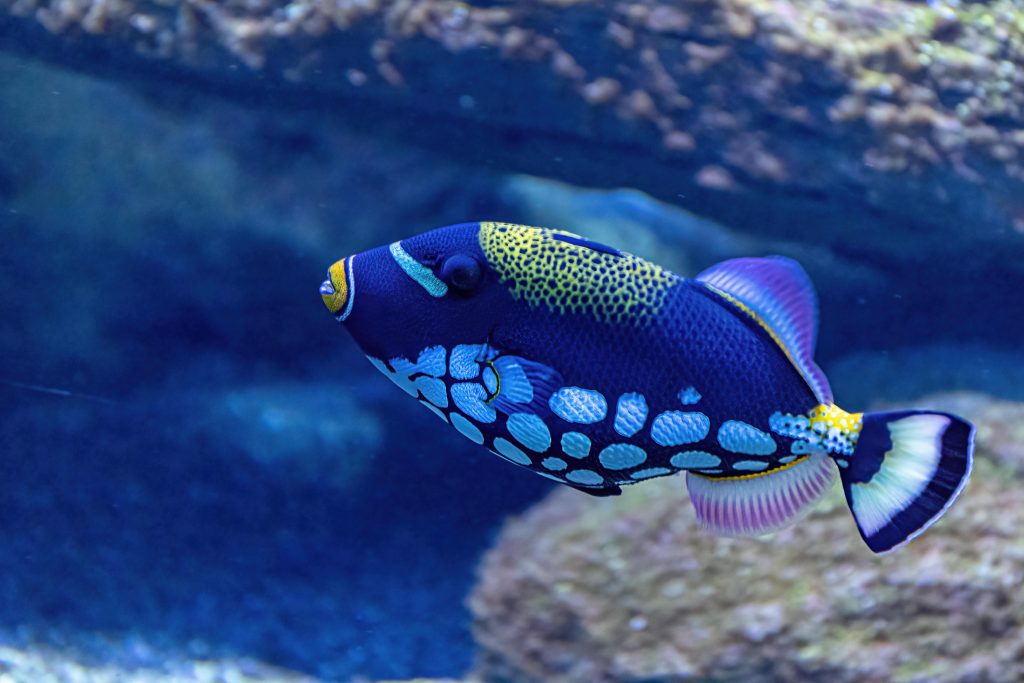
Clown Triggerfish (Balistoides Conspicillum)
Clown triggerfish are stunning but aggressive marine fish that need very large tanks, strong filtration, and careful tankmate…
[favorite_button]
My Bookmarks:
To see full list click here
[user_favorites user_id="" include_links="true" site_id="" post_types="" include_thumbnails="true" thumbnail_size="thumbnail" include_excerpt="false"]