

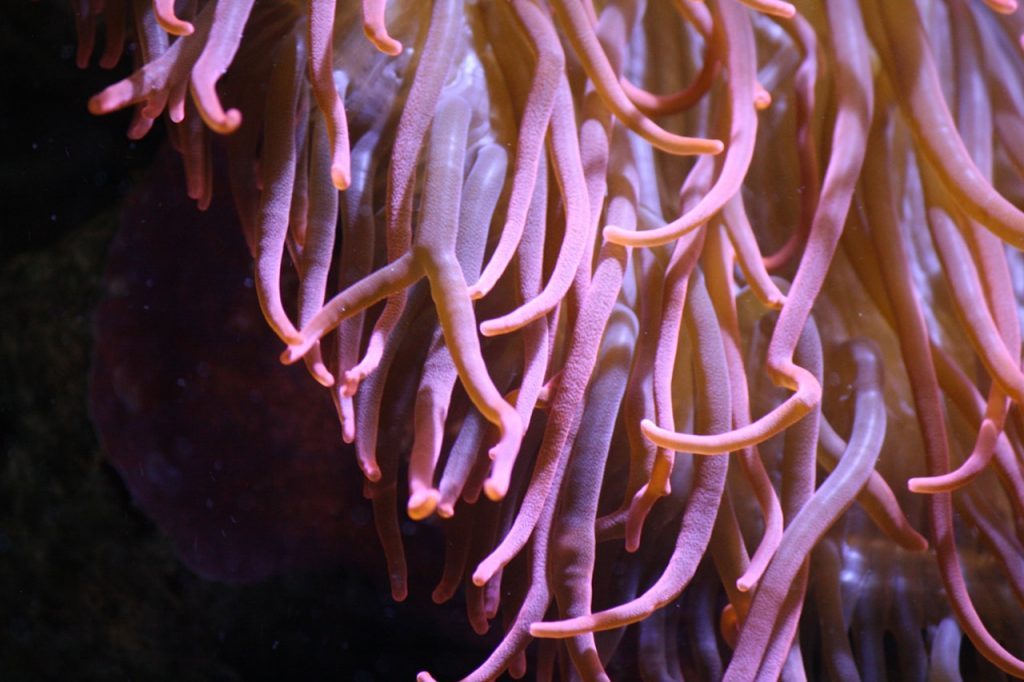
Anemone placement and flow can decide whether your reef tank thrives or turns into a rescue mission. Most hosting anemones need strong light, stable rockwork, and indirect, varied flow. Place them where the foot can anchor deeply, then let the animal tell you if the spot works.
Anemones are beautiful, but they are not passive decorations. They move when conditions feel wrong. That movement can sting nearby corals, hit powerheads, or stress fish and invertebrates. Good placement reduces those risks. Smart flow keeps the anemone inflated, clean, and feeding well. In this guide, you will learn how to choose a safe location, how much flow different anemones prefer, what signs show good or bad placement, and how to troubleshoot common problems before they become tank disasters.
Quick Reference Table
| Anemone Type | Best Placement | Flow Preference | Lighting | Main Risk |
|---|---|---|---|---|
| Bubble Tip Anemone | Rock crevice or island | Moderate, random | Moderate to high | Wandering into corals or pumps |
| Long Tentacle Anemone | Deep sand bed near rock | Moderate, gentle sway | Moderate to high | Poor footing in shallow sand |
| Magnifica Anemone | High rock pinnacle | Strong, turbulent | High | Demanding care and movement |
| Carpet Anemone | Sand or low rock, species dependent | Low to moderate | Moderate to high | Eating fish and stinging neighbors |
Use this table as a starting point. Individual animals still vary. Tank maturity, lighting strength, and aquascape shape all affect final placement.
Why Placement Matters So Much
Anemones choose spots based on survival. In nature, they settle where light, flow, and protection match their needs. In aquariums, the same rule applies. If one factor feels wrong, they often move. That is why placing an anemone is not just about looks. It is about creating a zone that feels safe enough for the animal to stay put.
The foot matters most. A healthy anemone wants a secure anchor point. Bubble tips often wedge deep into rock cracks. Long tentacle anemones bury their column in sand. Magnifica anemones usually climb high and attach to exposed rock. If the foot cannot grip well, the anemone may drift. That can lead to torn tissue, pump injuries, and chemical stress in the tank.
Placement also affects feeding and waste removal. Too little flow lets debris settle on the oral disc. Too much direct flow can keep the animal retracted. Good placement gives the anemone enough movement to exchange gases and shed mucus, without blasting the tentacles flat.
Natural Habitat and What It Tells Us
Many popular reef anemones come from shallow tropical reefs in the Indo-Pacific. These habitats are bright, oxygen rich, and exposed to changing water movement. That does not mean every anemone wants the same exact conditions. It means they evolved in dynamic environments, not stagnant corners.
Bubble tip anemones often live in rocky reef zones. Their feet hide in crevices while tentacles reach into the current. Long tentacle anemones are more often found in sandy areas, with the base buried deeply. Magnifica anemones favor elevated rock structures with intense light and heavy surge. Carpet anemones vary by species, but many sit on sand or attach near the substrate where they can spread wide.
This natural history helps you make better choices. Rock-dwelling species need secure holes and ledges. Sand-dwelling species need depth and stability below them. When hobbyists ignore habitat clues, anemones usually respond by roaming.
Aquarium Setup for Stable Anemone Placement
A mature tank gives anemones the best chance of staying put. Most hobbyists should wait at least six months. Nine to twelve months is even safer. Young tanks swing too much. Salinity, pH, and nutrients often fluctuate. Anemones dislike instability.
Build the aquascape with the anemone in mind. Leave a dedicated zone around it. This buffer helps protect nearby corals from stings. For bubble tips, create a rock island or a crevice-rich section. For long tentacles, provide a deep sand bed of at least three to four inches. For magnifica, offer a high perch near the top with broad, stable rock. Never balance loose rocks around an anemone. It can dig, push, and shift surprisingly hard.
Cover all pump intakes before adding the anemone. Use foam guards, mesh covers, or dedicated anemone-safe guards. Wandering is common during the first days. Protecting powerheads is not optional. It is basic risk management.
Lighting Requirements and Placement Zones
Most hosting anemones need moderate to strong reef lighting. They contain symbiotic zooxanthellae, so light fuels much of their energy. Weak light often causes wandering, shrinking, and pale color. Sudden excess light can bleach them. The goal is strong but acclimated exposure.
Bubble tip anemones usually do well in moderate to high light. They often settle in the middle to upper rockwork once acclimated. Magnifica anemones generally demand very high light and often climb upward until they find it. Long tentacle anemones can accept strong light too, but they still need a proper sandy base. Carpet anemones also appreciate solid lighting, though exact placement depends on species and tank design.
Do not force placement only by light intensity. A bright spot with poor footing will fail. Instead, identify two or three suitable zones where light, flow, and anchoring all overlap. If you use LEDs, acclimate slowly. Reduce intensity at first, then increase over one to two weeks. This lowers stress and improves the chance of early attachment.
Water Flow Tips for Healthy Anemones
Flow should move the tentacles, not flatten them. That is the simplest rule. Most anemones prefer indirect, variable flow rather than a constant jet. Random movement helps deliver oxygen and food while carrying away waste and mucus.
Bubble tip anemones usually like moderate, turbulent flow. Their tentacles should sway and pulse softly. If they stretch hard in one direction, flow may be too direct. If debris gathers on the disc, flow may be too weak. Long tentacle anemones often prefer moderate flow with a smooth back-and-forth motion. Magnifica anemones usually enjoy stronger movement, but it still should not be a narrow blast. Carpet anemones often prefer lower to moderate flow, depending on species.
Aim powerheads across the tank, not straight at the anemone. Let intersecting currents create a mixed pattern. Reef gyres, alternating pumps, and random flow modes often work well. Watch the animal for several hours after any adjustment. Anemones react clearly when flow feels wrong.
Step-by-Step Placement Guide
Start by identifying the species. This step matters. A bubble tip and a long tentacle need different footing. Next, test your target zone. Check light intensity, nearby coral spacing, and pump safety. Make sure the rock is stable or the sand is deep enough.
Turn off strong pumps for a few minutes during introduction. Place rock-dwelling anemones near a crevice where the foot can reach inward. Place sand-dwelling anemones on the substrate with access to a firm base below the sand. Do not force the foot into a hole. Let the animal grip on its own.
Once the foot starts attaching, restore gentle flow. Increase normal flow gradually over the next hour. Keep lights slightly reduced if the anemone came from dimmer conditions. Avoid feeding on day one. Let it settle first. Over the next week, watch for movement, inflation, and mouth condition. A closed mouth and firm attachment are good signs. Repeated deflation, drifting, or gaping suggest the spot or overall tank conditions need review.
Feeding and How Flow Affects It
Anemones get much of their energy from light, but feeding still helps growth and recovery. Offer small meaty foods once or twice weekly. Good choices include mysis shrimp, finely chopped raw shrimp, and small pieces of silverside used sparingly. Large meals can rot or be regurgitated.
Flow affects feeding success. If current is too strong, food blows away before the tentacles can capture it. If current is too weak, uneaten food may sit on the oral disc and foul the tissue. During target feeding, many hobbyists briefly reduce flow for ten to fifteen minutes. That gives the anemone time to close around the food.
Do not overfeed a stressed anemone. A newly moved or deflated specimen often cannot digest well. Focus on stable placement first. Feed only after it is attached, inflated, and responsive. Healthy clownfish sometimes bring food to their host, but do not rely on that alone.
Compatibility With Fish, Corals, and Invertebrates
Anemones can work well in reef tanks, but they need space. Their sting can damage soft corals, LPS, and even some SPS if contact is repeated. Leave a generous buffer around the anemone. This is especially important during the first month, when wandering is most likely.
Clownfish are the classic partners. Many clown species will host bubble tips, magnifica, and some carpets. Their activity can help keep the anemone clean, but it can also irritate a weak specimen. If the anemone is small or stressed, heavy clownfish attention may become too rough. Some fish, especially small gobies and sleeping wrasses, can be at risk with carpet anemones.
Most clean-up crew invertebrates are fine, but avoid placing vulnerable animals where the anemone may move. Shrimp usually coexist well, though food competition can happen during feeding. If you keep mixed corals, an isolated anemone island is often the safest long-term plan.
Common Problems
Why is my anemone wandering?
Wandering usually means one or more needs are unmet. Common causes include poor footing, harsh direct flow, weak light, unstable salinity, or recent tank changes. Check where the foot is trying to go. If it keeps reaching into cracks, the current spot may lack security. Test salinity and temperature first. Then review flow and lighting.
Why does it keep shrinking or deflating?
Periodic deflation can be normal. Frequent or prolonged deflation is not. Look for ammonia, low oxygen, sudden alkalinity swings, or excessive handling. Newly imported anemones may cycle through inflation and deflation while acclimating. If the mouth gapes and the foot loosens, treat it as a warning sign.
What if the tentacles look stretched?
Stretched tentacles often suggest directional flow or a search for better light. Reposition pumps so the current is broader and less direct. Confirm your lighting is adequate for the species. Also inspect for nearby aggression from corals or fish.
How do I protect it from powerheads?
Use guards on every intake and propeller pump. Do this before introduction. If the anemone starts moving, reduce risky flow paths and dark corners that pull it toward equipment. A guarded pump may save the animal and the whole tank.
Propagation and Splitting
Which anemones split in aquariums?
Bubble tip anemones are the most common splitters in home reefs. Healthy specimens may divide after growth, stress, or major environmental changes. Magnifica and carpets are less commonly propagated by hobbyists and are far less forgiving.
How does placement affect splitting?
Stable placement supports growth, and growth often precedes splitting. Good light, secure footing, and moderate feeding help a bubble tip build energy reserves. Anemones that keep moving rarely settle long enough to thrive. If your goal is propagation, consistency matters more than chasing rapid growth.
Frequently Asked Questions
Should I place an anemone on rock or sand?
It depends on the species. Bubble tips prefer rock crevices. Long tentacles need deep sand. Always match the placement to natural behavior.
Can I move my anemone if I do not like where it settled?
You can, but avoid repeated forced moves. Stress rises each time. Improve the preferred zone instead, then let the anemone choose if possible.
Is direct flow ever okay?
Mild direct flow can be tolerated by some specimens, but broad indirect flow is safer. Strong direct jets often cause retraction and movement.
How long does it take an anemone to settle?
Some settle in hours. Others take days or even weeks. Stable water, safe pumps, and proper footing shorten the adjustment period.
Can I keep an anemone in a mixed reef?
Yes, but give it room. An isolated rock island and guarded pumps make mixed reef success much easier.
Final Tips for Long-Term Success
Think of anemone placement as creating a habitat, not assigning a seat. Give the foot security. Provide enough light. Use varied flow. Protect every pump. Then watch the animal closely. A settled anemone looks firm, inflated, and responsive. A roaming anemone is giving feedback. Listen early, and you can prevent most problems before they spread through the tank.
For more reef care help, see how to cycle a reef tank, reef tank flow guide, bubble tip anemone care, and reef lighting for beginners.
Was this helpful?
Related Posts
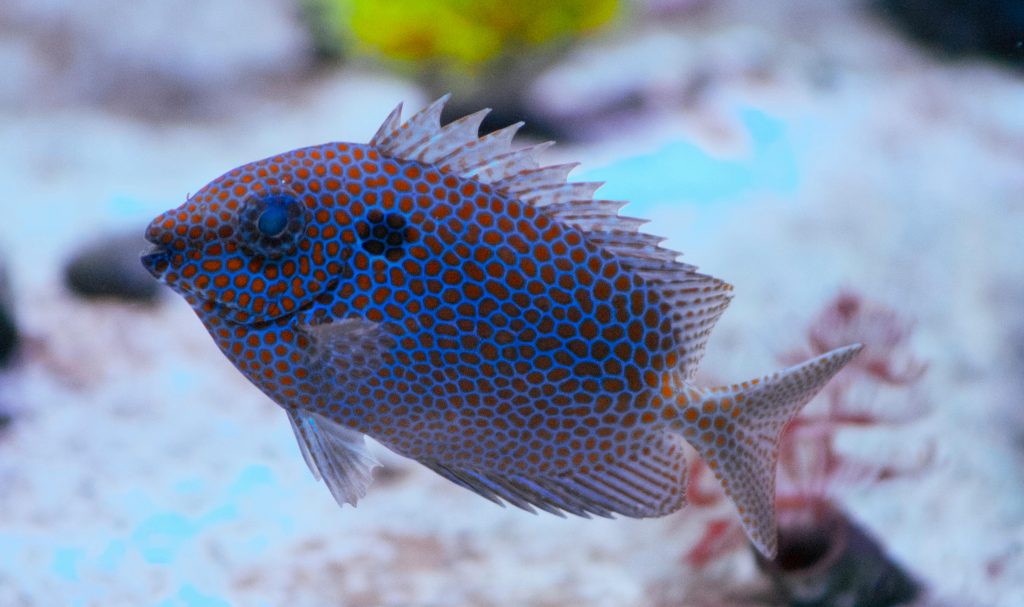
Gold Spotted Rabbitfish (Siganus Punctatus)
Gold Spotted Rabbitfish care includes large tanks, heavy algae feeding, and caution with corals. Learn tank size, diet,…
 By
By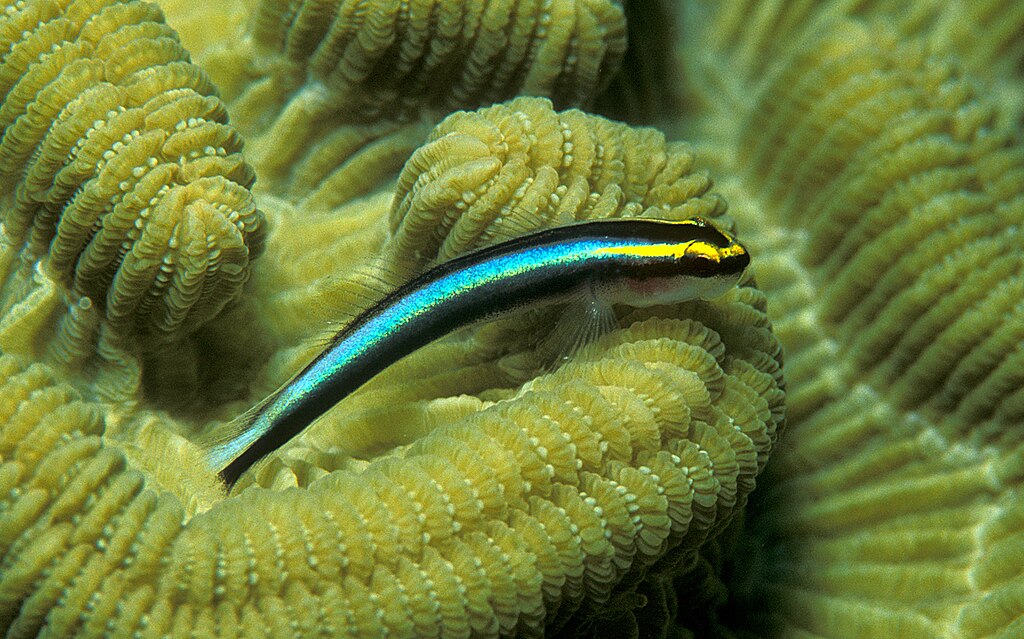
Sharknose Goby (Elacatinus evelynae)
Sharknose Goby care is simple in stable reef tanks. Learn feeding, tank setup, compatibility, and common problems for…
[favorite_button]
My Bookmarks:
To see full list click here
[user_favorites user_id="" include_links="true" site_id="" post_types="" include_thumbnails="true" thumbnail_size="thumbnail" include_excerpt="false"]