

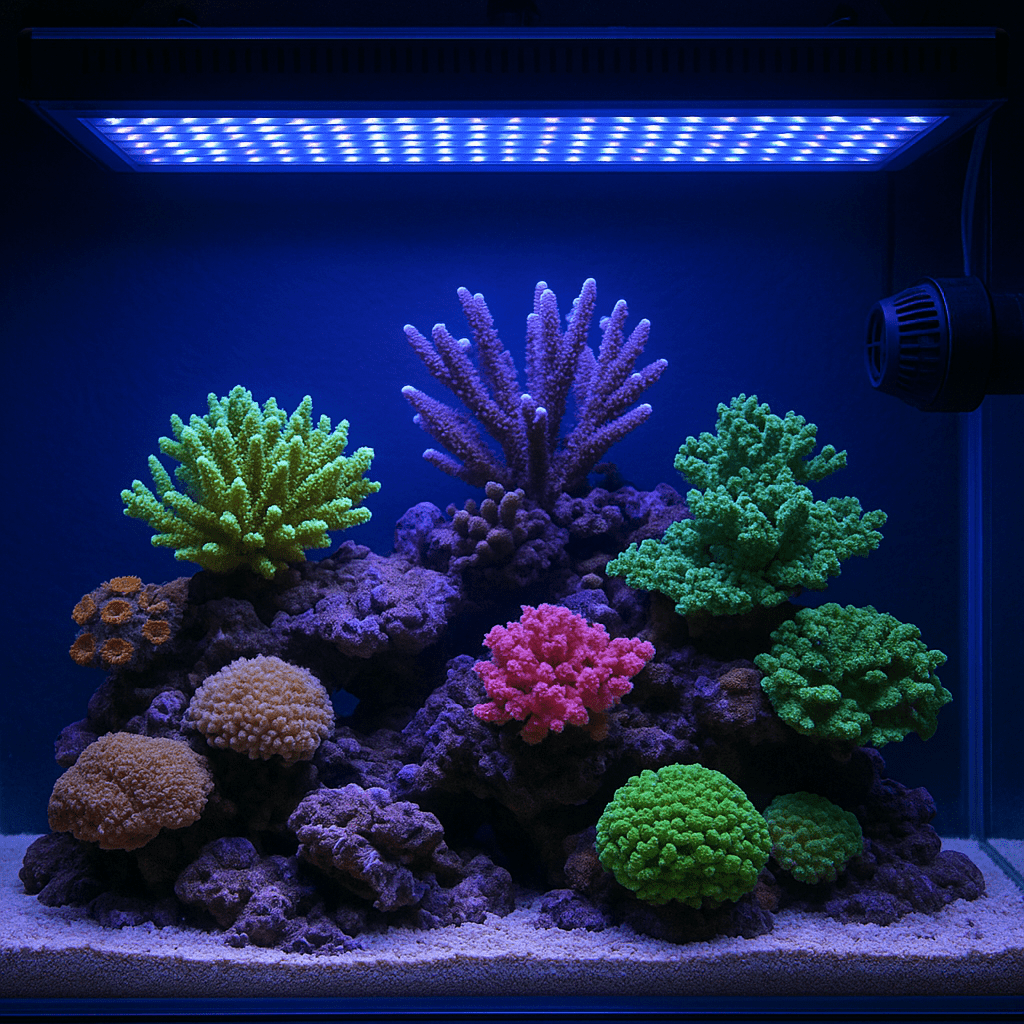
A beginner quarantine tank setup protects your display reef from disease, parasites, and costly losses. It does not need to be fancy. It needs to be stable, easy to clean, and ready before you buy new fish.
Many reef keepers skip quarantine at first. Then they learn the hard way. One sick fish can spread ich, velvet, flukes, or bacterial infections through an entire tank. A simple quarantine system gives you time to observe new arrivals, treat problems early, and help fish recover from shipping stress. In this guide, you will learn what equipment to buy, how to set up the tank, how to cycle it, how to monitor water quality, and how to avoid common beginner mistakes. You will also learn when to use medication and when observation alone makes more sense.
Quick Reference Table
| Item | Recommendation | Why It Matters |
|---|---|---|
| Tank size | 10 to 20 gallons for most beginner setups | Easy to manage and affordable |
| Filtration | Sponge filter or hang-on-back filter | Provides biofiltration and surface movement |
| Heater | Reliable adjustable heater | Keeps temperature stable |
| Hiding places | PVC elbows and couplings | Reduces fish stress |
| Substrate | Bare bottom | Easy cleaning and medication use |
| Lighting | Simple low-output light | Enough for viewing and feeding |
| Salinity | 1.025 to match your display | Reduces acclimation stress later |
| Temperature | 76 to 78°F | Supports fish health and stability |
| Ammonia control | Seeded sponge, testing, water changes | Prevents toxic spikes |
| Quarantine length | 2 to 4 weeks minimum | Allows observation and treatment |
This basic setup works for most reef fish. Larger or delicate species may need more space. The goal is simplicity. A quarantine tank is a temporary medical and observation system, not a display aquarium.
Why Every Beginner Needs a Quarantine Tank
A quarantine tank lowers risk. That is the main reason to use one. Fish often arrive stressed from shipping, holding systems, and repeated transfers. Stress weakens the immune system. Hidden disease can then appear days later.
In a reef display, treatment becomes hard fast. Many medications harm corals, snails, shrimp, worms, and beneficial bacteria. Catching fish from a rock-filled reef is also difficult. Quarantine solves both problems. You can observe fish closely in a simple tank. You can treat them without exposing your reef.
Quarantine also helps with feeding. New fish often refuse food at first. In a small tank, you can monitor appetite, adjust food types, and make sure shy fish eat enough. This is especially useful for wrasses, tangs, clownfish, gobies, and angelfish. A healthy fish enters the display stronger, calmer, and much safer for your other livestock.
What Equipment You Need
You do not need expensive gear. A basic glass aquarium, heater, thermometer, lid, and filter are enough. Most beginners start with a 10-gallon or 20-gallon tank. A 20-gallon long is a great choice. It gives fish more horizontal swimming room.
Use a sponge filter if possible. It is cheap, gentle, and easy to seed with bacteria. A hang-on-back filter also works. Remove carbon if you medicate. Carbon can remove some treatments from the water. Add an air pump if surface movement is weak. Extra oxygen helps stressed fish.
Keep the bottom bare. Do not add sand or rock. Medications can soak into porous material. Waste is also harder to remove from substrate. Use PVC pieces for shelter instead. Fish feel safer with cover, and PVC is easy to disinfect. A simple light is enough. Bright reef lighting is not needed here.
Step-by-Step Beginner Quarantine Tank Setup
- Choose a quiet location away from windows and temperature swings.
- Rinse the tank and equipment with fresh water only.
- Install the heater, thermometer, filter, and lid.
- Add bare-bottom PVC pieces for hiding places.
- Fill the tank with mixed saltwater that matches your display salinity.
- Set temperature to 76 to 78°F and confirm with a thermometer.
- Add a seeded sponge filter if you have one ready.
- Turn on all equipment and check for stable flow and heat.
- Test ammonia, nitrite, pH, and salinity before adding fish.
- Keep extra saltwater ready for emergency water changes.
If you already have a display tank, keep an extra sponge filter in the sump. This is one of the best beginner habits. It gives you instant biological support when a quarantine tank is needed. Without seeded media, ammonia can rise quickly.
How to Cycle a Quarantine Tank
Cycling is often the hardest part for beginners. Fish produce ammonia through waste and respiration. Ammonia is highly toxic. In a quarantine tank, water volume is small, so problems happen fast.
The best method is seeded filtration. Place a sponge filter or filter media in your display sump for at least two weeks. Beneficial bacteria will colonize it. When you need quarantine, move that media into the quarantine tank. This gives you a head start on biofiltration.
If you cannot seed media, use bottled bacteria and test daily. Be ready for water changes. An ammonia alert badge is useful, but liquid test kits are still important. Many beginners also keep a detoxifier on hand for emergencies. Do not rely on it alone. Water changes remain the safest response to rising ammonia.
Water Parameters and Daily Care
Stability matters more than chasing perfect numbers. Keep salinity close to your display tank. This makes transfer easier later. Maintain temperature between 76 and 78°F. Avoid sudden swings. Fish handle stable conditions better than frequent correction.
Test ammonia often, especially during the first week. Nitrite matters less in saltwater than in freshwater, but it still signals an immature system. Nitrate should stay reasonable through water changes. pH should remain steady. Good aeration helps here.
Siphon uneaten food and waste from the bare bottom daily. Feed lightly at first. Small meals reduce waste and help shy fish adjust. Observe breathing, swimming, appetite, and body condition every day. Good quarantine is mostly observation. A fish that eats aggressively and behaves normally gives you useful information before it reaches the display.
Should You Medicate Every New Fish?
This depends on your approach. Some hobbyists use observation-only quarantine. Others use proactive treatment. Both methods can work if done carefully. Observation-only means you watch for symptoms and treat only if needed. This avoids unnecessary medication stress.
Proactive quarantine often includes copper for ich and velvet, praziquantel for flukes, and sometimes antibiotics if symptoms appear. This method can be effective, but it requires precision. Copper must be tested with the correct test kit. Wrong levels can fail treatment or harm fish.
Beginners should avoid mixing medications without a clear plan. Research each fish species first. Some fish, such as certain wrasses and dwarf angels, may react differently to treatment. If you are unsure, start with observation, excellent water quality, and strong feeding response. Then treat based on symptoms or a proven protocol.
Feeding Fish in Quarantine
Feeding is one of the biggest benefits of quarantine. New fish often arrive thin or dehydrated. Offer small meals two to three times daily. Use a variety of foods. Frozen mysis, brine shrimp, pellets, flakes, and algae sheets all have value depending on the species.
Start with foods that trigger interest. Many fish respond well to frozen foods first. Once they eat reliably, begin training them onto pellets or prepared diets. This makes long-term care easier in the display tank. Herbivores need frequent plant-based foods. Carnivores need protein-rich options. Omnivores benefit from rotation.
Remove leftovers after a few minutes. Extra food causes ammonia spikes. Watch each fish closely during feeding. A fish that hides and misses meals may need target feeding or reduced competition. Quarantine gives you this control. That is hard to achieve in a busy reef display.
Compatibility and Stocking Rules
Do not overcrowd a quarantine tank. It is tempting to quarantine several fish together, but more fish means more waste and more stress. For beginners, one fish at a time is easiest. If you quarantine multiple fish, choose peaceful species of similar size.
Avoid mixing aggressive fish with timid fish in a small tank. Tangs, dottybacks, and some damsels can bully weaker tank mates. This creates stress and poor feeding response. Use extra PVC shelters if you must house more than one fish.
Never use quarantine for corals, invertebrates, and fish together. Fish medications can kill invertebrates. Coral pests also require different quarantine methods. Keep separate systems and tools when possible. This prevents cross-contamination and keeps your process simple.
Common Problems
Ammonia Keeps Rising
The usual cause is weak biofiltration or overfeeding. Test daily. Perform immediate water changes if ammonia appears. Add seeded media if available. Feed less for a day or two. Siphon waste from the bottom. Check that dead food is not trapped in PVC or filter compartments.
Fish Will Not Eat
Shipping stress is common. Keep lighting dim. Offer hiding places. Try frozen mysis, live foods, or species-specific diets. Check temperature and ammonia first. Fast breathing, flashing, and clamped fins may point to disease rather than simple stress.
Cloudy Water Appears Overnight
This often means a bacterial bloom or excess waste. Reduce feeding. Increase aeration. Test ammonia and perform a water change. Clean the bottom and filter intake. Cloudiness can also appear after adding bottled bacteria. In that case, it usually clears with time and good oxygenation.
Fish Breathes Fast
Fast breathing can signal ammonia, low oxygen, flukes, velvet, or stress. Test water first. Increase surface agitation. Look for spots, scratching, or mucus. If symptoms progress quickly, act fast. Velvet can kill within days. This is why daily observation matters so much.
How Long Should Fish Stay in Quarantine?
Two weeks is a bare minimum for observation. Four weeks is safer for most hobbyists. If you are treating disease, the clock depends on the treatment plan. Do not move fish early just because they look better. Finish the process. Then observe for normal eating, steady breathing, and clear skin.
Before transfer, match salinity and temperature to the display tank. Use separate nets and tools if possible. Never pour quarantine water into the display. Catch the fish gently and move only the animal. This keeps medication residue and pathogens out of your reef.
Frequently Asked Questions
Can I use live rock in a quarantine tank?
It is not recommended. Live rock absorbs medications and traps waste. It also makes cleaning harder. PVC is a better shelter option.
What is the best quarantine tank size for beginners?
A 10-gallon tank works for small fish. A 20-gallon long is better for flexibility. Choose larger tanks for active or bigger species.
Do I need a protein skimmer?
No. It can help in larger systems, but it is not required. Good aeration, testing, and water changes matter more in a basic setup.
Can I quarantine corals in the same tank?
No. Coral quarantine uses different methods and products. Fish medications can harm corals and invertebrates. Keep the systems separate.
Is observation-only quarantine enough?
It can be, if you are disciplined and observant. Many hobbyists prefer proactive treatment. Choose one method and follow it carefully.
Final Tips for Quarantine Success
Keep your quarantine tank simple. Keep extra mixed saltwater ready. Seed a sponge filter in advance. Test often. Feed carefully. Observe every fish daily. Those habits prevent most beginner problems. Quarantine may feel like extra work, but it saves money, protects your reef, and gives new fish the best possible start.
For more help, read our guides on how to cycle a saltwater tank, reef tank water parameters, marine fish acclimation guide, and common reef fish diseases.
Was this helpful?
Related Posts
Majestic Blue Girdled Angelfish (Pomacanthus Navarchus)
Majestic Angelfish care requires a large stable tank, varied sponge-based foods, and caution in reefs due to coral…
 By
By
Butterflyfish Care in Marine Aquariums
Practical butterflyfish care for marine aquariums, including tank size, feeding steps, and quarantine tips for healthy long-term success.
[favorite_button]
My Bookmarks:
To see full list click here
[user_favorites user_id="" include_links="true" site_id="" post_types="" include_thumbnails="true" thumbnail_size="thumbnail" include_excerpt="false"]