

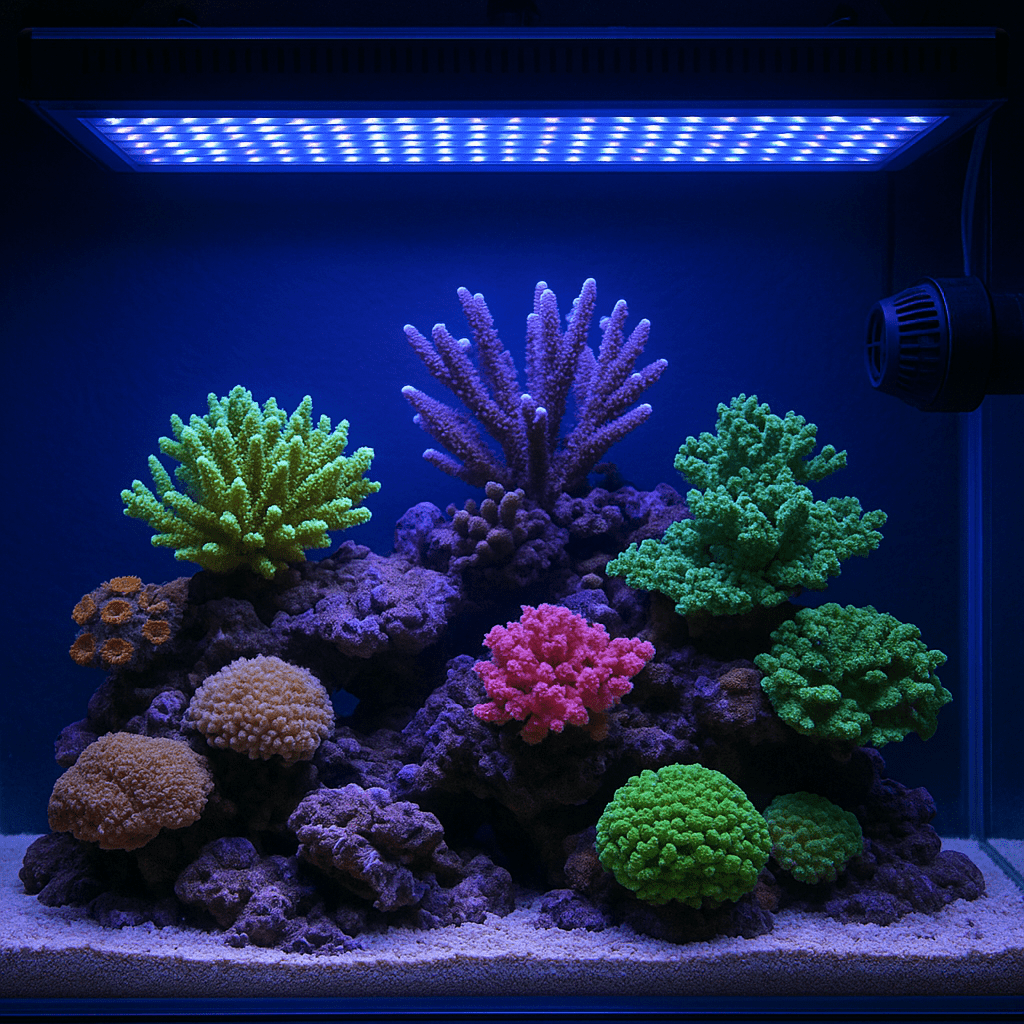
Reef fish disease basics start with observation, quarantine, and stable water quality. Most outbreaks follow stress, poor acclimation, or skipped quarantine. Learn the early warning signs, the most common marine fish diseases, and the safest first steps before a small problem becomes a tank-wide crash.
Many reef keepers lose fish because they react too late or treat the wrong issue. Disease in marine aquariums can look confusing at first. White spots, cloudy eyes, torn fins, heavy breathing, and flashing may appear similar, but the causes can differ. This guide explains the core diseases every hobbyist should know. You will learn how to spot symptoms, what triggers outbreaks, when to use quarantine, and how to support fish through recovery. We will also cover what not to do, because rushed treatment often makes things worse in reef systems.
Quick Reference Table
| Disease or Issue | Common Signs | Typical Cause | Reef Safe Treatment? |
|---|---|---|---|
| Marine ich | White spots, flashing, scratching | Cryptocaryon irritans parasite | No direct reef-safe cure |
| Marine velvet | Dusty coating, rapid breathing, lethargy | Amyloodinium parasite | No direct reef-safe cure |
| Brooklynella | Slime coat, heavy breathing, skin peeling | Protozoan infection | No direct reef-safe cure |
| Uronema | Red sores, tissue damage, weakness | Opportunistic protozoan | No direct reef-safe cure |
| Bacterial infection | Cloudy eyes, fin rot, ulcers | Stress, injury, poor water quality | Usually treated in quarantine |
| Flukes | Flashing, cloudy eyes, excess mucus | Parasitic worms | Treat in quarantine |
Use this table as a fast starting point. It does not replace diagnosis. Similar symptoms can overlap. Always look at breathing rate, body condition, recent additions, and water quality before choosing a treatment plan.
Why Reef Fish Get Sick
Healthy fish resist disease better than stressed fish. Stress lowers immune response. That gives parasites and bacteria an opening. The biggest trigger is skipping quarantine. One new fish can carry a parasite without obvious symptoms. After a few days, the whole tank may show signs.
Water quality also matters. Ammonia burns gills fast. High nitrate adds chronic stress. Low oxygen causes rapid breathing and weakens fish. Salinity swings can damage osmoregulation. Temperature swings can trigger outbreaks. Aggression plays a role too. A bullied fish often hides, stops eating, and becomes vulnerable.
Poor nutrition is another factor. Fish need varied diets. Herbivores need algae. Carnivores need protein-rich foods. Vitamin deficiencies reduce resilience. So does long shipping stress. Many fish arrive depleted. That is why a calm quarantine tank, clean water, and steady feeding often determine success.
Early Signs of Disease in Reef Fish
Most fish do not die suddenly without warning. The signs are often subtle first. Watch your fish daily. Learn their normal behavior. That makes small changes easy to catch. Early action usually gives the best outcome.
- Scratching against rock or sand
- Rapid or labored breathing
- Loss of appetite
- Clamped fins
- Hiding more than usual
- Faded color
- White spots or dusty film
- Cloudy eyes
- Excess mucus
- Frayed fins or open sores
Breathing rate is one of the most important clues. Gill parasites often show there first. A fish may still eat while its gills are under attack. If several fish breathe heavily at once, think about oxygen, ammonia, or a contagious parasite. Test the water immediately. Then move to diagnosis.
The Most Common Reef Fish Diseases
Marine Ich
Marine ich is one of the most common reef fish diseases. It causes distinct white spots that resemble grains of salt. Fish often flash against surfaces. Appetite may drop. Some fish handle ich for weeks. Others decline fast under stress. Ich has a life cycle. Spots may disappear for a few days, then return stronger. That often tricks hobbyists into thinking the fish recovered.
Ich cannot be reliably cured inside a reef display. Effective treatment usually requires a separate tank. Copper or tank transfer methods are common approaches. The display tank must remain fallow long enough to break the parasite life cycle.
Marine Velvet
Velvet is more dangerous than ich. It often kills fast. Fish may show a fine gold or dusty sheen. They usually breathe hard. They may swim into flow or stay near the surface. Many stop eating quickly. Velvet attacks the gills early. By the time visible signs appear, the fish may already be in severe trouble.
This is an emergency. Move fish to quarantine if possible. Fast diagnosis matters. Delayed treatment often leads to major losses. If a tank has velvet, assume every fish was exposed.
Brooklynella
Brooklynella is common on clownfish, but it can affect others. It causes thick mucus, skin sloughing, heavy breathing, and rapid decline. Fish may look dull and patchy. It is often confused with other diseases. Brooklynella can kill within days. Quick isolation is important.
Uronema
Uronema often affects chromis and other stressed fish. It can cause red sores, tissue erosion, and lethargy. It thrives in poor conditions and can become serious fast. This disease is especially frustrating because it may already be present on weak imported fish.
Flukes and Bacterial Problems
Flukes are parasitic worms that often cause flashing, cloudy eyes, excess mucus, and breathing issues. Bacterial infections usually follow stress, wounds, or poor water quality. They may appear as fin rot, ulcers, swollen areas, or cloudy eyes. These are secondary problems in many cases. Treating the symptom without fixing the cause rarely works long term.
Step-by-Step: What To Do When You See a Sick Fish
Do not panic. Fast action helps. Random action hurts. Follow a simple process.
- Observe the fish closely. Note spots, mucus, breathing, and behavior.
- Test water for ammonia, nitrite, nitrate, pH, salinity, and temperature.
- Check oxygen and flow, especially if several fish breathe hard.
- Remove aggression if one fish is being chased or pinned down.
- Prepare a quarantine or hospital tank if treatment is needed.
- Do not dose copper or antibiotics in a reef display.
- Identify the likely disease before choosing medication.
- Continue feeding if the fish will eat. Nutrition supports recovery.
A simple hospital tank saves lives. It does not need to be fancy. Use a bare-bottom tank, heater, sponge filter, and hiding places made from PVC. Keep it clean. Match salinity and temperature carefully. Stability matters more than decoration.
Quarantine Basics for Reef Fish
Quarantine is the best disease prevention tool in reef keeping. It protects your display tank from parasites and gives new fish time to recover from shipping. A proper quarantine period also helps fish start eating well before facing competition.
Many hobbyists quarantine for observation only. Others use proactive treatment. Either method is better than adding fish straight to the display. During quarantine, watch for spots, flashing, heavy breathing, and appetite changes. Keep ammonia at zero. Use seeded biofiltration if possible. Test often. Small tanks can swing fast.
Quarantine also helps with compatibility. You can assess temperament before release. This is useful for tangs, wrasses, and clownfish. For more on stable systems, see reef tank parameters, reef tank cycling guide, and best clean up crew for reef tank.
Aquarium Conditions That Prevent Disease
You cannot prevent every disease. You can reduce outbreaks sharply. Stable conditions are your first defense. Keep salinity steady. Avoid sudden temperature changes. Maintain strong gas exchange. Feed varied foods. Minimize aggression with good stocking choices and aquascape breaks.
Good maintenance matters. Perform regular water changes. Clean mechanical filters. Remove detritus from dead spots. Quarantine all new fish. Dip and inspect corals when appropriate. Avoid sharing nets and tools between tanks without cleaning them. Cross contamination is common. So is adding one fish “just this once” without quarantine.
Stress reduction is often overlooked. Give shy fish hiding places. Acclimate new arrivals gently. Keep lights dim after introduction. Feed small amounts several times daily when needed. A fish that eats well usually handles stress better than one that refuses food.
Common Problems
My fish has white spots. Is it always ich?
No. White spots can be ich, but not always. Sand stuck to mucus, lymphocystis, or minor skin irritation can look similar. Look at the pattern. Ich usually appears as many small, even spots. Watch for flashing and recurring cycles. If breathing is heavy and the fish declines fast, consider velvet instead.
My fish is breathing hard but has no spots
Think gill disease first. Velvet, flukes, ammonia, and low oxygen can all cause this. Test water immediately. Increase aeration. Check whether other fish are affected. A fish can have severe gill damage before body symptoms appear.
Can I treat fish disease in a reef tank?
Usually no. Most effective medications are not reef safe. Copper harms invertebrates. Many antibiotics disrupt biology. “Reef safe” cures rarely eliminate serious parasites. They may reduce symptoms for a short time. That can create false confidence while the disease remains in the tank.
Why do diseases appear after adding a new fish?
New fish often carry pathogens without obvious signs. Shipping stress then weakens both new and established fish. Aggression adds more stress. A parasite that was hidden can spread rapidly once the fish enters the display.
Frequently Asked Questions
How long should I quarantine reef fish?
Many hobbyists use two to four weeks for observation. Longer is often safer. The ideal length depends on your quarantine method and risk tolerance.
Can healthy fish fight off marine ich on their own?
Some fish tolerate ich for a while. That does not mean the parasite is gone. Stress often causes a stronger return later.
Should I freshwater dip a sick marine fish?
Freshwater dips can help with some parasites, such as flukes. They also stress fish. Use them only when you understand the goal and method.
Does UV sterilization prevent fish disease?
UV can reduce free-swimming pathogens in the water column. It does not replace quarantine. It is a support tool, not a cure.
What is the best first purchase for disease prevention?
A simple quarantine tank setup is the best investment. It prevents many disasters and protects every future fish purchase.
For more beginner help, read how to quarantine reef fish and reef fish compatibility guide. Disease prevention is easier than treatment. In reef keeping, patience usually beats medication.
Was this helpful?
Related Posts
Majestic Blue Girdled Angelfish (Pomacanthus Navarchus)
Majestic Angelfish care requires a large stable tank, varied sponge-based foods, and caution in reefs due to coral…
 By
By
Butterflyfish Care in Marine Aquariums
Practical butterflyfish care for marine aquariums, including tank size, feeding steps, and quarantine tips for healthy long-term success.
[favorite_button]
My Bookmarks:
To see full list click here
[user_favorites user_id="" include_links="true" site_id="" post_types="" include_thumbnails="true" thumbnail_size="thumbnail" include_excerpt="false"]