Starting a reef tank feels complex at first. The good news is that success comes from simple habits. Focus on stable parameters, slow stocking, and consistent maintenance.
Plan the tank and choose beginner-safe gear
Pick a tank size that forgives mistakes. A 20–40 gallon tank works well. A 40 breeder is a top choice for stability. Avoid tiny tanks under 10 gallons at first.
Use a reliable heater and thermometer. Aim for 77–79°F with under 1°F swing daily. Add a powerhead for random flow. Target 20–40x turnover per hour in reefs. Use a lid or mesh top to stop jumpers.
Decide on filtration early. A hang-on-back filter can work on small tanks. A sump makes upgrades easier later. Many beginners benefit from a protein skimmer. Choose one rated for your total volume. Oversizing slightly is fine.
Lighting depends on your goals. Soft corals need less light than SPS. Start with a reef LED that covers your tank footprint. Use a timer for 8–10 hours daily. Keep intensity moderate at first. You can raise it slowly later.
- Starter gear checklist: heater, ATO or marked top-off line, refractometer, test kits, powerhead, RO/DI water plan.
- Target salinity: 1.025 specific gravity at 77°F.
- Helpful reads: cycling a saltwater tank and reef gear basics.
Cycle the reef tank and lock in stable parameters
Start with RO/DI water if possible. Mix salt to 1.025 and heat it to 78°F. Add dry rock or cured live rock. Add sand after rinsing, if it is not live. Run pumps and heater 24/7.
Cycle the tank before adding fish. Add an ammonia source to reach 1–2 ppm. Test ammonia, nitrite, and nitrate every few days. The cycle is done when ammonia and nitrite hit zero. This should happen within 2–6 weeks.
Track key parameters once cycling ends. Keep nitrate under 20 ppm for fish. Aim under 10 ppm for many corals. Keep phosphate around 0.03–0.10 ppm. Maintain alkalinity at 8–9 dKH for stability. Keep calcium near 420 ppm and magnesium near 1300 ppm.
Do a large water change after the cycle. Replace 20–30% to reduce nitrate. Then switch to 10% weekly or 20% every two weeks. Match salinity and temperature during every change. This prevents stress and algae blooms.
- Cycle tip: keep lights low during cycling to limit algae.
- Testing rhythm: weekly nitrate and phosphate, plus alkalinity for coral tanks.
- Common mistake: topping off with saltwater. Use fresh RO/DI for top-off.
Stock slowly, feed carefully, and troubleshoot early
Add livestock in phases. Start with a clean-up crew after the cycle. Add a few snails first. Try 3–5 snails per 10 gallons. Add hermits only if you accept some risk. Then add one hardy fish at a time.
Quarantine new fish for 2–4 weeks when you can. Watch for spots, flashing, and heavy breathing. Use a simple bare tank with a sponge filter. This step prevents many outbreaks. Learn more in our quarantine tank setup guide.
Feed less than you think you need. Offer small portions once or twice daily. Food should be gone in 30–60 seconds. Rinse frozen foods to reduce phosphate. If nitrate climbs fast, cut feeding by 25% for a week.
Watch for early warning signs. Brown dust on sand can be diatoms. It often fades in weeks. Green hair algae points to excess nutrients and weak export. Increase water changes and clean filters weekly. Add a media bag with activated carbon monthly if water yellows.
- Beginner livestock picks: ocellaris clownfish, royal gramma, firefish, zoanthids, mushrooms.
- Algae control steps: shorten light to 7–8 hours, clean glass daily, siphon detritus weekly.
- Stability rule: change one thing at a time. Wait 3–7 days before another change.
A beginner reef tank succeeds with patience and steady routines. Choose stable equipment, cycle fully, and stock slowly. Test often and respond early to small problems. Your reef will reward you with growth and color over time.
Sources: R. Fenner, The Conscientious Marine Aquarist; J. Sprung, The Reef Aquarium (Vol. 1); T. Frakes, Reefkeeping 101 (magazine reference); Manufacturer guides for refractometer calibration and salt mix parameters.
Was this helpful?
Related Posts
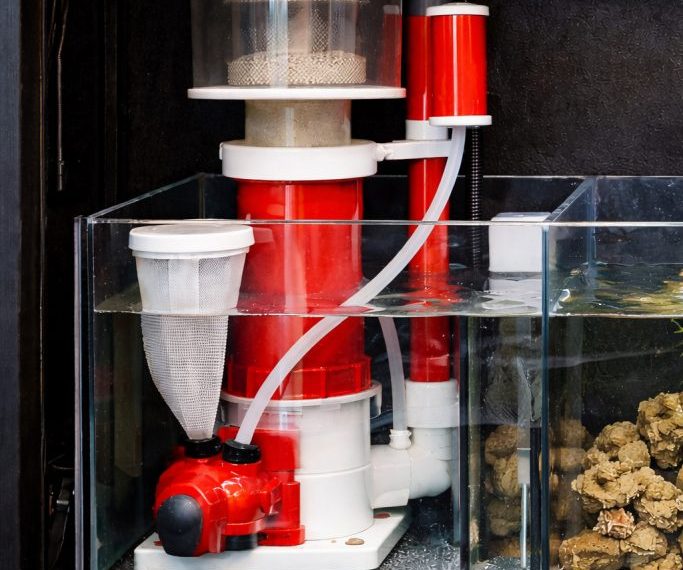
Protein Skimmer Reef Tank Guide
Learn how a protein skimmer works, how to size one, and how to tune it for a cleaner,…
 By
By
Reef Aquarium Water Parameters
Learn the ideal reef aquarium water parameters, safe ranges, and how to keep salinity, alkalinity, nutrients, and pH…