

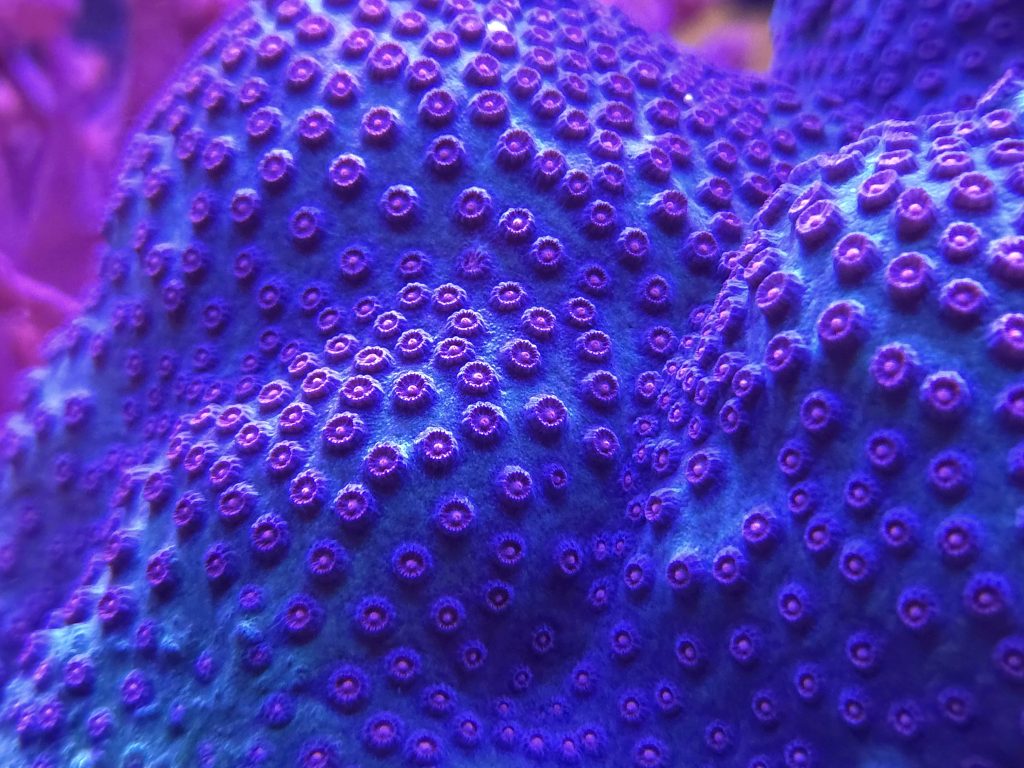
Cyphastrea corals are hardy, colorful encrusting LPS corals that suit many reef tanks. They prefer moderate light, gentle to moderate flow, and stable water chemistry. Most varieties grow well when placed on isolated rock, fed lightly, and protected from aggressive neighbors.
Many reef keepers choose Cyphastrea because it offers bright color without extreme care demands. It can be a great first coral for hobbyists moving beyond soft corals. This guide covers placement, lighting, flow, feeding, compatibility, fragging, and common problems. You will also learn how Cyphastrea behaves in mixed reefs and how to keep it growing with strong color.
Cyphastrea Coral Quick Care Table
| Common Name | Cyphastrea coral |
| Scientific Genus | Cyphastrea |
| Care Level | Easy to moderate |
| Temperament | Mostly peaceful, but can encrust nearby surfaces |
| Placement | Lower to middle areas of the tank |
| Lighting | Low to moderate PAR, usually 50 to 150 |
| Water Flow | Gentle to moderate, indirect flow |
| Feeding | Benefits from fine meaty foods and reef nutrition |
| Growth Form | Encrusting |
| Best For | Mixed reefs, nano reefs, beginner LPS keepers |
This table gives a quick overview, but success depends on stability. Cyphastrea often tolerates a range of conditions. Still, it performs best when changes happen slowly. Avoid sudden jumps in light, alkalinity, or nutrient levels. Those swings cause more trouble than slightly imperfect numbers.
What Is a Cyphastrea Coral?
Cyphastrea is an encrusting stony coral with small corallites and bright contrast colors. Many hobbyists love meteor shower Cyphastrea, but there are many morphs. You may see red, orange, green, blue, yellow, or purple combinations. The coral usually spreads across rock rather than building branches.
It is often grouped with beginner-friendly LPS corals. In practice, it behaves a bit differently from fleshy LPS species. Its tissue stays close to the skeleton. Its polyps are small. Its growth is usually steady rather than fast. This makes it attractive for reef keepers who want color and texture without a large, sweeping coral colony.
Cyphastrea also works well in mixed reefs because it can fill empty rock surfaces. It creates a mature look over time. Many aquarists use it on vertical faces, shaded ledges, or isolated islands. That placement helps control spread and shows off its encrusting growth pattern.
Natural Habitat
Cyphastrea species occur across Indo-Pacific reef environments. They are often found on reef slopes and protected areas with moderate water movement. In nature, they commonly grow on hard substrate where they can encrust over rock and dead coral skeleton.
Many colonies do not sit in the brightest reef crest zones. That helps explain their preference for lower to moderate light in aquariums. They still need enough light to support their zooxanthellae. However, they often react poorly to intense light when moved too quickly.
Natural reefs also provide constant water exchange and stable chemistry. That matters in captivity. Cyphastrea can handle modest nutrient levels, but it dislikes instability. Replicating nature means giving it steady alkalinity, low stress, and a secure surface for growth. When those needs are met, it usually adapts very well.
Aquarium Setup
Cyphastrea can live in nano tanks and large reefs. Tank size matters less than stability. A mature aquarium with consistent parameters is ideal. Beginners can keep this coral successfully if they avoid rushing placement and dosing changes.
Mount Cyphastrea on a rock with room to spread. Isolated islands work best. This prevents the colony from creeping onto prized neighbors. It also makes future fragging easier. Flat rock faces and lower ledges are excellent choices.
Keep standard reef parameters stable. Aim for salinity near 1.025, temperature around 76 to 79 degrees Fahrenheit, and alkalinity in a stable range. Calcium and magnesium should stay consistent as well. Nitrate and phosphate should not bottom out completely. Ultra-clean water can reduce color and growth in some systems.
If you are still building your reef, read our reef tank setup guide. It helps create the stable foundation this coral needs.
Lighting Requirements
Cyphastrea generally prefers low to moderate light. A PAR range of 50 to 150 works for many morphs. Some hobbyists keep it slightly higher, but acclimation must be slow. Strong light can bleach tissue, fade color, or cause recession.
Most keepers place Cyphastrea in the lower third of the tank. This is especially wise under modern LEDs. LEDs can create intense hotspots even when average tank light seems reasonable. Start low, then observe color and polyp extension for several weeks.
Signs of too much light include pale tissue, reduced extension, and a washed-out base color. Signs of too little light include dull coloration and very slow growth. Adjust slowly. Move the coral a few inches at a time. You can also reduce intensity through your lighting schedule.
If you struggle with coral placement, our reef aquarium lighting guide explains PAR, acclimation, and LED hotspots in simple terms.
Water Flow
Cyphastrea likes gentle to moderate indirect flow. The goal is steady movement across the colony without blasting the tissue. Good flow helps remove waste, deliver oxygen, and keep detritus from settling in the small corallites.
Avoid direct powerhead flow. Strong, constant pressure can irritate tissue and slow growth. It may also keep polyps retracted. On the other hand, stagnant zones can trap debris and encourage algae around the coral edge.
Watch how the coral responds during the day and after feeding. Light polyp movement is ideal. If detritus gathers on the surface, increase indirect flow slightly. If tissue looks irritated, redirect the pump rather than moving the coral first. Small flow changes often solve the issue quickly.
Feeding
Cyphastrea gets much of its energy from light, but feeding can improve growth and color. It can capture very fine foods. Offer powdered coral foods, rotifers, reef roids style blends, or tiny meaty foods after lights dim. Turn off strong flow for a short time during target feeding.
Do not overfeed. Excess food raises nutrients and can fuel nuisance algae. In most tanks, feeding one or two times each week is enough. Fish waste and dissolved nutrients also help support this coral. A lightly fed mixed reef often provides more than enough nutrition.
If your tank runs very lean, modest coral feeding may help. If nutrients already run high, focus first on stability and cleanliness. Better feeding does not fix poor placement or unstable alkalinity. It only supports a healthy coral that already has its basic needs met.
Compatibility in a Reef Tank
Cyphastrea is usually reef safe with fish and invertebrates. It does well in mixed reefs when given space. The main concern is coral warfare. While Cyphastrea is not the most aggressive coral, it can lose battles against species with long sweeper tentacles or stronger sting.
Keep it away from euphyllia, galaxea, chalices, and other aggressive neighbors. It may also get shaded by faster-growing SPS colonies. Since it encrusts outward, leave room around the edges. This prevents contact and makes the colony easier to manage.
Most reef fish ignore Cyphastrea. Still, some angelfish, butterflies, and large crabs may pick at tissue. Observe new livestock closely. If you are planning a mixed reef, our best reef safe fish list can help you avoid common compatibility mistakes.
Propagation and Fragging
When to Frag Cyphastrea
Frag Cyphastrea when the colony is healthy, attached well, and growing steadily. Do not frag a stressed colony. Wait until color is strong and tissue is fully extended at normal times. Healthy growth margins are a good sign that the coral can recover well.
How to Frag It Safely
Cyphastrea is usually fragged by cutting the rock or plug beneath the tissue. Bone cutters, a band saw, or a rotary tool may be used depending on the base. Avoid crushing the coral surface. Make clean cuts whenever possible. Then glue the frag onto a fresh plug or small rock.
Aftercare for New Frags
Place fresh frags in low to moderate light and gentle flow. Give them time to heal before moving them higher. Watch for tissue recession around the cut edge. Stable alkalinity and clean water are critical during recovery. Most healthy frags heal well if left undisturbed.
Common Problems
Why Is My Cyphastrea Bleaching?
Bleaching usually points to light shock, heat stress, or rapid parameter changes. Check recent lighting adjustments first. Many cases happen after adding a new frag too high in the tank. Lower the coral, reduce intensity, and confirm stable temperature and salinity.
Why Is the Tissue Receding?
Tissue recession often comes from alkalinity swings, pest irritation, aggression, or poor flow. Inspect nearby corals for stings. Check for detritus buildup. Test alkalinity over several days rather than once. Daily fluctuation can be the hidden cause. Our reef tank water parameters guide can help you diagnose instability.
Why Is My Cyphastrea Not Growing?
Slow growth is common under very low nutrients, weak light, or unstable chemistry. Some morphs also grow slower than others. If color looks good and tissue is healthy, patience may be all you need. If not, review PAR, nutrient levels, and alkalinity stability.
Why Is Algae Growing on the Edges?
Algae on the growth margin often means the coral is stressed or losing a battle for space. Improve flow, remove algae gently, and correct any nutrient imbalance. Make sure herbivores can reach the area. Also check that the colony is not being shaded or stung.
Step-by-Step Placement Guide
1. Inspect the frag for pests, damage, and healthy tissue before adding it.
2. Start the coral low in the tank under indirect flow.
3. Leave space around the frag for future encrusting growth.
4. Acclimate to light slowly over two to three weeks.
5. Test alkalinity, calcium, magnesium, nitrate, and phosphate regularly.
6. Feed lightly once or twice each week if your tank runs lean.
7. Watch for bleaching, recession, or algae at the edges.
8. Make one change at a time so you can track results clearly.
Frequently Asked Questions
Is Cyphastrea a good beginner coral?
Yes. It is one of the better beginner LPS options. It tolerates a range of conditions, but still needs stable parameters and careful light acclimation.
Does Cyphastrea need low light?
Most varieties do best in low to moderate light. Strong light can work in some tanks, but only after slow acclimation.
How fast does Cyphastrea grow?
Growth is usually moderate. It depends on the morph, placement, nutrients, and stability. Healthy colonies often spread steadily across rock over time.
Can Cyphastrea touch other corals?
It is best to avoid contact. Cyphastrea may be overpowered by aggressive corals, and its encrusting growth can create conflicts later.
Can I keep Cyphastrea in a nano reef?
Yes, if the tank is stable. Nano reefs can work very well, but they swing faster. Watch alkalinity, salinity, and temperature closely.
Final Thoughts
Cyphastrea corals are rewarding, colorful, and easier than many reef keepers expect. Their biggest needs are stable parameters, moderate conditions, and smart placement. Start low, avoid harsh light, and protect the colony from aggressive neighbors. With patience, Cyphastrea can become one of the most reliable encrusting corals in a mixed reef.
Was this helpful?
Related Posts
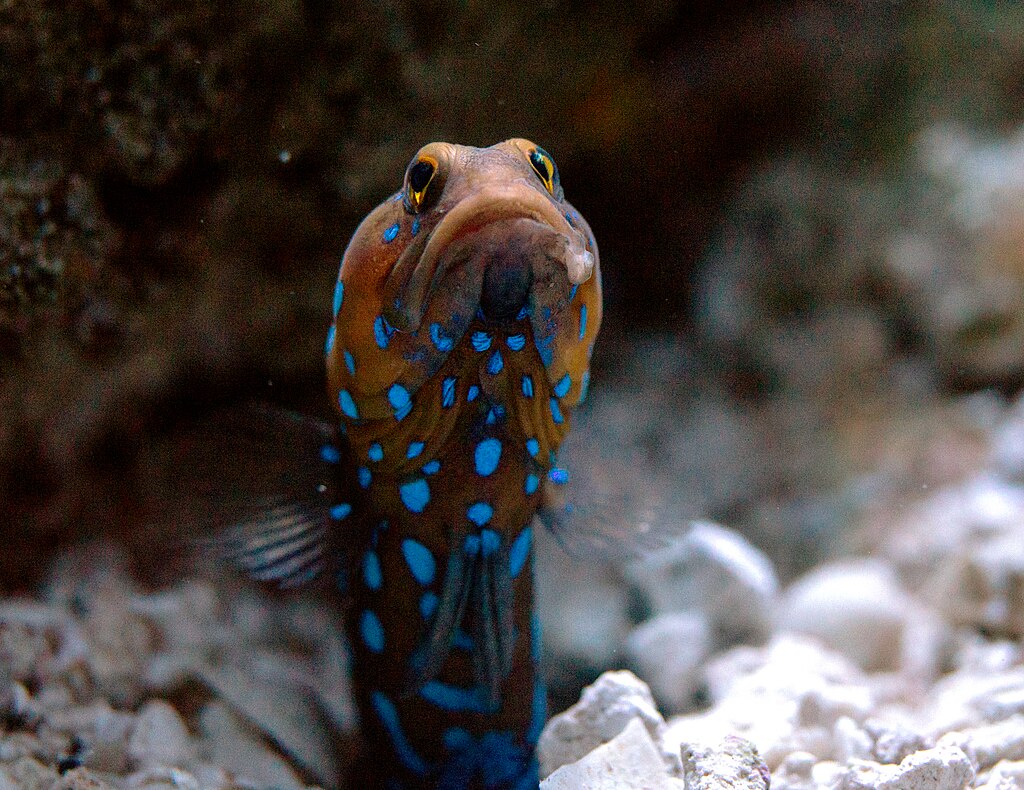
Blue Dot Jawfish (Opistognathus Rosenblatti)
Blue Dot Jawfish need cool water, deep sand, and a tight lid. Learn how to keep Opistognathus rosenblatti…
 By
By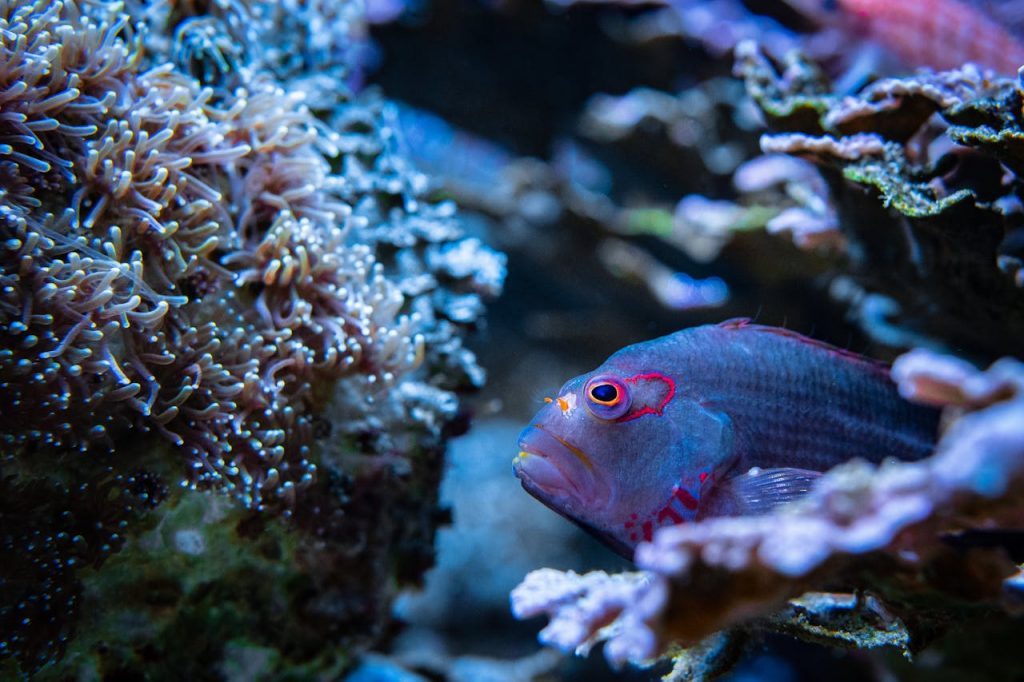
Arc Eye Hawkfish (Paracirrhites arcatus)
Arc Eye Hawkfish care is simple in a stable tank. Learn tank size, feeding, reef safety, and shrimp…
[favorite_button]
My Bookmarks:
To see full list click here
[user_favorites user_id="" include_links="true" site_id="" post_types="" include_thumbnails="true" thumbnail_size="thumbnail" include_excerpt="false"]