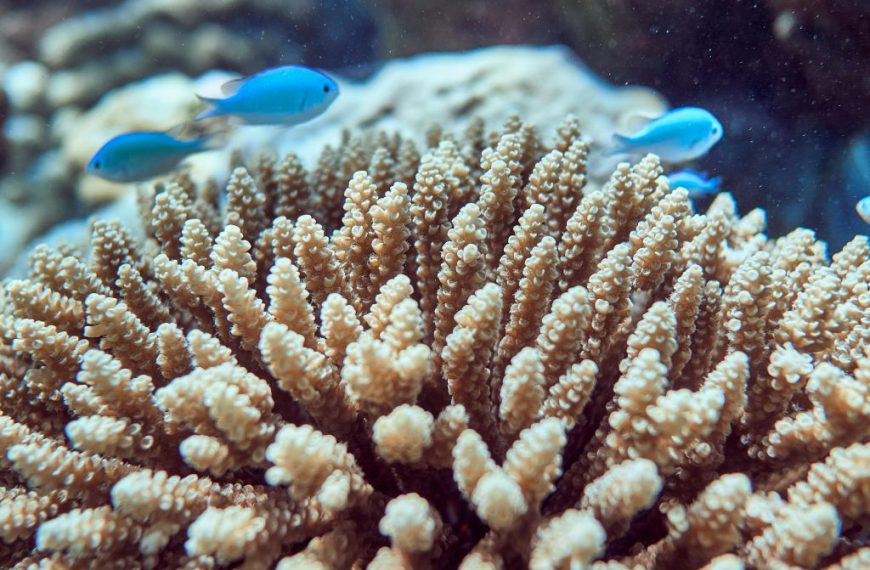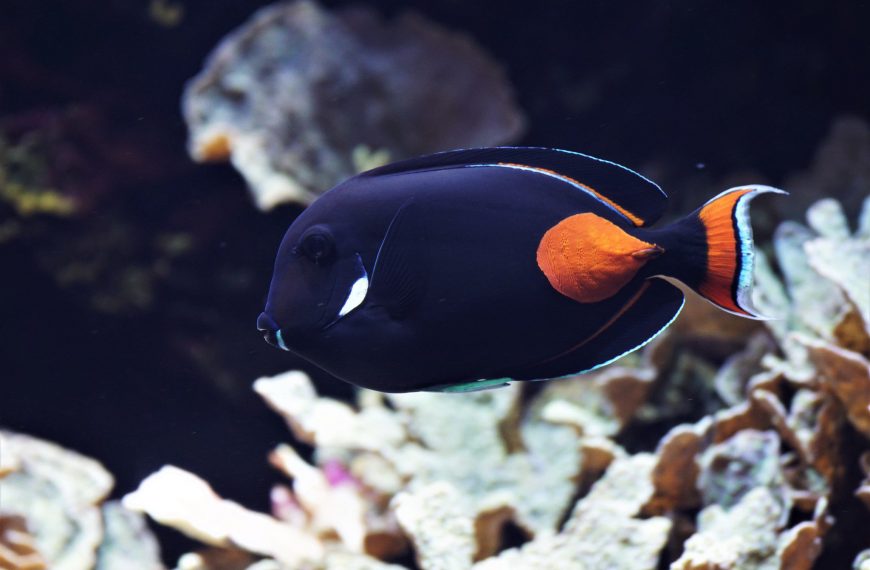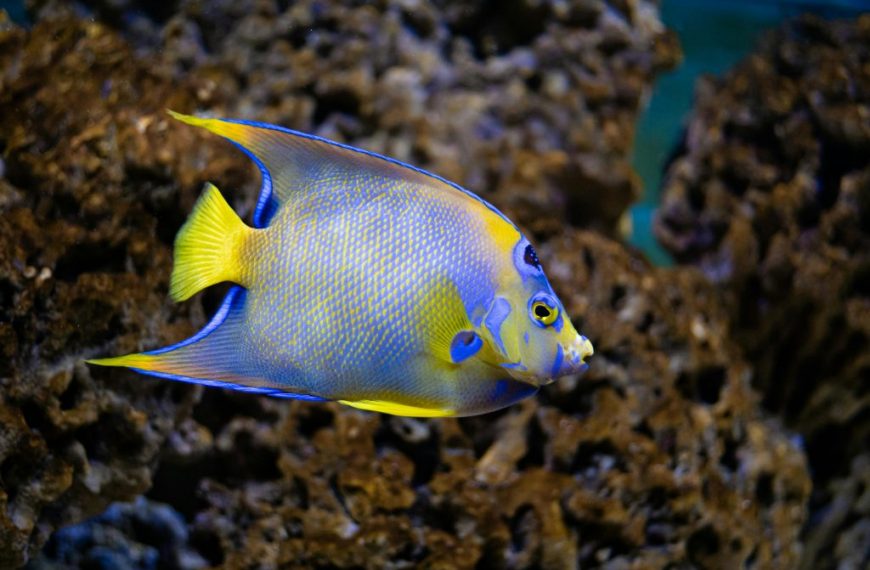
A great centerpiece fish sets the tone for your whole reef. It should look bold, behave predictably, and fit your tank size. This guide helps you pick a show fish without wrecking your stocking plan.
What makes a fish a true centerpiece
A centerpiece fish should be visible most of the day. It should also handle normal reef activity. Aim for species that eat prepared foods. Avoid fish that only graze live prey.
Match the fish to your tank volume and footprint. Many “medium” fish still need long tanks. Use length as your main limit. A 4-inch fish can still need a 4-foot tank.
Temperament matters more than color. A bully fish can force you to understock. It can also stress timid tankmates. Stress often leads to ich outbreaks.
Build your plan around stable parameters. Keep salinity at 1.025–1.026. Hold temperature at 77–79°F. Keep nitrate under 20 ppm for most mixed reefs.
- Pick one centerpiece per tank in most setups.
- Quarantine for 14–30 days when possible.
- Feed 2–3 small meals daily for active swimmers.
For a full stocking approach, see reef tank stocking guide. For disease prevention, review the saltwater fish quarantine.
Best centerpiece fish by tank size
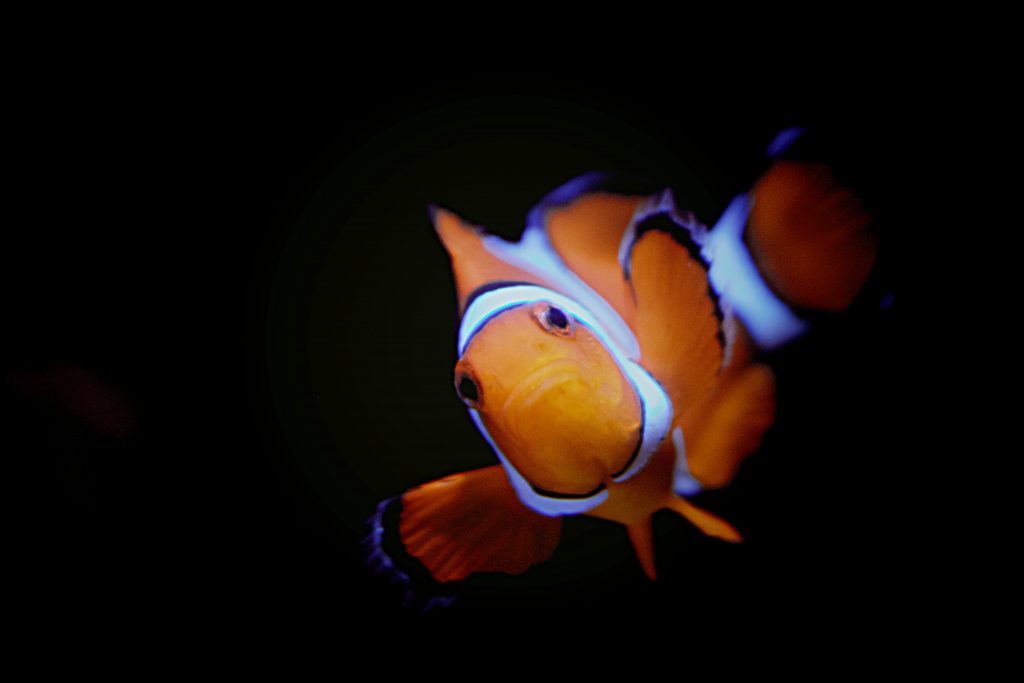
For 30–40 gallons, consider a pair of ocellaris clownfish. Add a royal gramma for contrast. A captive-bred coral beauty can work in 55 gallons. Watch for nipping on fleshy LPS.
For 55–90 gallons, a one-spot foxface is a strong pick. It reaches about 8 inches. It needs algae and swimming room. It is usually peaceful but can defend itself with venomous spines.
For 75–125 gallons, a yellow tang can be a classic centerpiece. Plan for a 4-foot tank minimum. Feed nori daily and frozen foods at night. Add it last to reduce aggression.
For 120+ gallons, a kole tang plus a fairy wrasse often works well. Fairy wrasses add motion and color. Use a tight lid. Many wrasses jump during the first week.
- 30–40g: clown pair, royal gramma, watchman goby.
- 55–90g: foxface, coral beauty, flasher wrasse.
- 120g+: tangs, larger wrasses, reef-safe angels with caution.
Need help with algae-focused feeding? Read how to feed nori in a reef tank.
Care, feeding, and common mistakes
Most centerpiece fish fail from poor acclimation and thin feeding. Use drip acclimation for 30–45 minutes. Match salinity within 0.001 specific gravity. Dim lights for the first day.
Feed for color and immunity. Offer a mix of pellets, mysis, and algae. Add nori sheets for tangs and foxfaces. Soak food in vitamins 2–3 times weekly.
Watch for early trouble signs. Flashing can mean parasites or irritation. Clamped fins often signal stress. Rapid breathing can mean low oxygen. Increase surface agitation right away.
Avoid the “one more fish” mistake. Centerpiece fish need territory. Overcrowding spikes nitrate and phosphate. Aim for weekly 10–15% water changes in new systems.
- Keep pH stable at 8.0–8.3 with good gas exchange.
- Use an auto top-off to prevent salinity swings.
- Add new fish after rearranging rockwork to reduce fighting.
Sources: Fenner, R. (The Conscientious Marine Aquarist); Sprung, J. (The Reef Aquarium); Humblefish disease management summaries (general husbandry principles).
A centerpiece fish should fit your tank, your corals, and your routine. Choose one that eats well and stays visible. With stable parameters and smart feeding, your show fish will thrive.
Was this helpful?
Related Posts
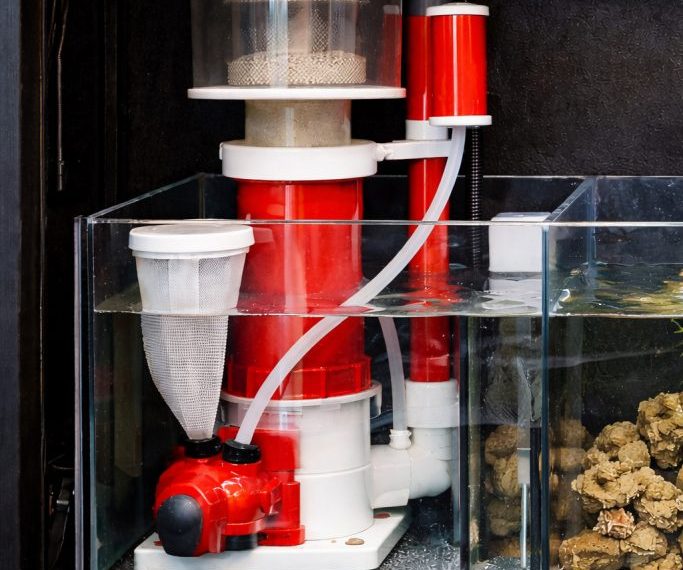
Protein Skimmer Reef Tank Guide
Learn how a protein skimmer works, how to size one, and how to tune it for a cleaner,…
 By
By
Reef Aquarium Water Parameters
Learn the ideal reef aquarium water parameters, safe ranges, and how to keep salinity, alkalinity, nutrients, and pH…