

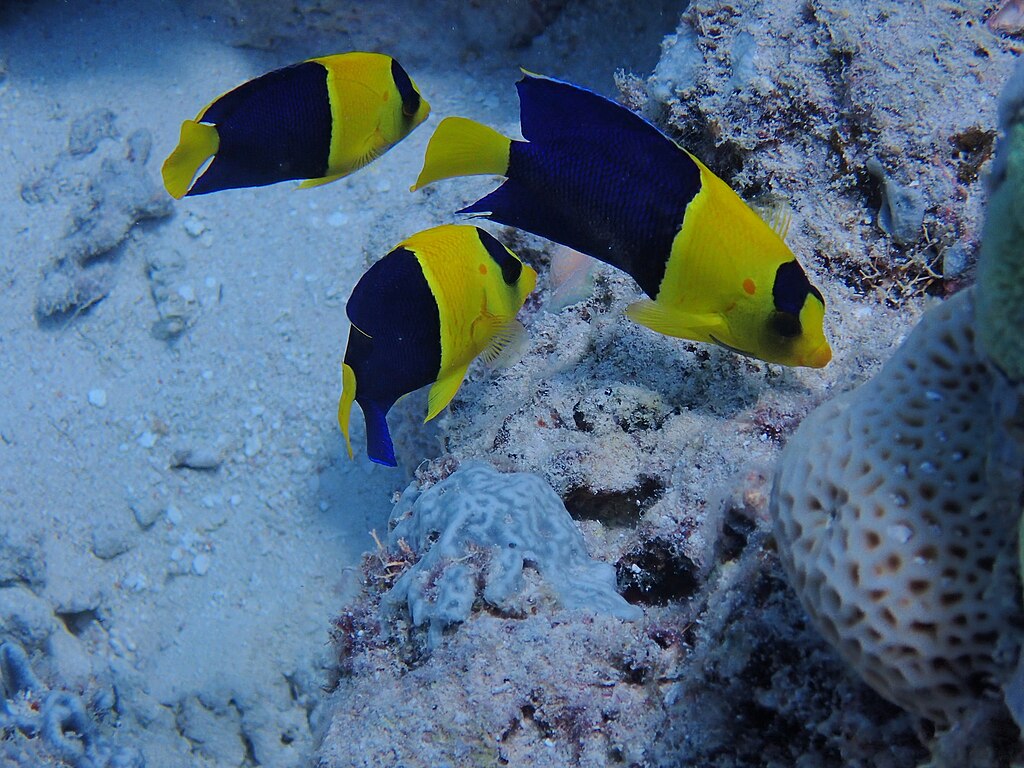
Bicolor angelfish are striking dwarf angels with bold yellow and blue colors. They are beautiful, but they are not the easiest reef fish to keep. Success depends on a mature tank, steady water quality, careful feeding, and realistic expectations about coral nipping.
The bicolor angelfish, Centropyge bicolor, attracts many reef keepers for one reason. It looks incredible in a marine aquarium. Its bright yellow front half and deep blue rear half make it stand out in almost any aquascape. Yet this species has a mixed reputation in captivity. Some specimens adapt well and become hardy display fish. Others arrive shy, refuse food, or pick at corals. In this guide, you will learn how to choose a healthy specimen, set up the right tank, feed it properly, manage compatibility, and avoid the common mistakes that cause losses.
Quick Care Facts
| Common name | Bicolor Angelfish |
| Scientific name | Centropyge bicolor |
| Family | Pomacanthidae |
| Adult size | Up to 6 inches |
| Minimum tank size | 70 gallons |
| Temperament | Semi-aggressive |
| Diet | Omnivore with heavy grazing needs |
| Reef safe | With caution |
| Care level | Moderate to difficult |
| Ideal temperature | 76 to 80°F |
| Salinity | 1.024 to 1.026 |
| pH | 8.1 to 8.4 |
This species does best in stable, mature systems. It is a poor choice for a new tank. It often struggles in bare environments with little natural grazing. Think of it as a fish that needs both prepared foods and a living reef structure.
Natural Habitat
Bicolor angelfish occur across the Indo-Pacific. They are found around coral-rich reefs, lagoons, and outer reef slopes. In the wild, they spend much of the day picking at algae, detritus, sponges, and tiny benthic organisms. They stay close to rockwork and coral structure. That habitat gives them food, shelter, and escape routes.
This natural behavior explains many of their care needs. They are not open-water cruisers. They want caves, overhangs, and mature rock surfaces to inspect. Wild fish also graze constantly. That means one large daily feeding is rarely enough. A healthy captive environment should mimic the reef in function, not just appearance. Plenty of established live rock helps reduce stress. It also gives the fish a familiar way to feed between meals.
Aquarium Setup
A 70-gallon tank is the practical minimum for one bicolor angelfish. Larger tanks are better. A tank in the 90-gallon range gives more rockwork, more grazing area, and more stable water chemistry. Stability matters with this species. Sudden swings often lead to hiding, poor feeding, or disease.
Build the aquascape with caves and broken lines of sight. Leave open swimming space in front. Use mature live rock if possible. Dry rock can work, but the tank should be fully established before adding this fish. Avoid sterile setups. They often fail with bicolor angels. Strong filtration is important because these fish need frequent feeding. A good protein skimmer helps. So does regular maintenance. Keep ammonia and nitrite at zero. Keep nitrate controlled, but do not chase ultra-low nutrients at the expense of fish health.
If you are still planning your system, read these guides: reef tank setup, live rock for reef tanks, and reef tank parameters.
Lighting Requirements
Bicolor angelfish do not need special lighting for their own health. Lighting should match the needs of the tank and its corals. Moderate to strong reef lighting is fine if the fish has shaded areas to retreat into. Bright tanks with no shelter can keep them stressed.
In mixed reefs, use your normal coral lighting plan. Focus on creating depth in the aquascape. Overhangs and caves let the fish move in and out of brighter zones. This matters during acclimation. New specimens often hide for days. If the tank is too exposed, they may refuse food longer. A dimmer introduction period can help. Some hobbyists reduce intensity for the first few days after release. That can lower stress and encourage exploration.
Water Flow
Moderate, varied flow works best. The fish should be able to move through calm pockets and stronger current. Avoid blasting all rock faces with direct flow. Constant heavy flow can make shy fish stay hidden. It also reduces their ability to graze naturally.
Random flow patterns are ideal in a reef tank. They keep detritus suspended and support coral health. At the same time, they create sheltered areas behind the rockwork. Watch the fish after introduction. If it always stays pinned in one quiet corner, the tank may be too aggressive or too exposed. Good flow should support oxygenation and cleanliness without making the fish feel chased all day.
Feeding
Feeding is where many bicolor angelfish succeed or fail. This species needs variety. It also needs frequency. Offer small meals two to three times daily when possible. A single feeding is often not enough, especially during acclimation.
Good foods include frozen mysis, enriched brine, finely chopped seafood, angelfish formulas with sponge, spirulina blends, pellets, and sheets of nori. Not every fish accepts all foods right away. Start with several options. Observe closely. Many newly imported fish respond best to frozen foods first. Once feeding begins, slowly add pellets and algae-based items. Mature rockwork remains important because it gives the fish a natural grazing source between feedings.
Do not assume this is a pure algae eater. It is an omnivore. Sponge material and mixed marine proteins help long-term health. A fish that only picks at rocks but ignores prepared foods is at risk. That behavior often looks normal at first. Over time, the fish loses weight. A rounded belly and active feeding response are better signs of success.
Compatibility
Bicolor angelfish are semi-aggressive. They usually do well with peaceful to moderately assertive reef fish. Good tankmates include clownfish, fairy wrasses, flasher wrasses, gobies, blennies, and many reef-safe basslets. Avoid housing them with very aggressive tangs, large angelfish, or bully species that dominate feeding time.
Keep only one dwarf angelfish in smaller systems. In large tanks, mixing dwarf angels is sometimes possible, but it is risky. Territorial disputes are common. Introduce with care and only in spacious aquariums with complex rockwork.
As for corals, this fish is reef safe with caution. Some individuals behave well for years. Others nip at zoanthids, fleshy LPS corals, clam mantles, and coral polyps. There is no guarantee. If your tank contains prized acans, open brains, or clams, understand the risk before purchase. For more stocking advice, see reef fish compatibility and reef safe angelfish.
Step-by-Step Acclimation Guide
Careful acclimation improves your odds with this species. Follow a simple, consistent process.
- Choose a fish that is alert and already eating.
- Quarantine the fish before adding it to the display.
- Provide PVC, rock, or shelter in quarantine.
- Match salinity and temperature slowly.
- Offer frozen food within the first day.
- Watch for marine ich, flukes, and bacterial issues.
- Transfer only after the fish feeds aggressively.
- Add it with the lights dimmed.
- Feed lightly but often during the first week.
- Monitor coral nipping once it enters the reef.
Quarantine is especially valuable here. Many bicolor angelfish arrive stressed from shipping. They often hide illness until later. A calm quarantine tank lets you confirm feeding and treat disease before the fish faces competition in the display.
Propagation or Breeding
Can Hobbyists Breed Bicolor Angelfish?
Breeding bicolor angelfish in home aquariums is rare. Like many marine angelfish, they are pelagic spawners. They release eggs into the water column, usually at dusk. Raising the larvae is the hard part. It requires specialized live foods, separate rearing systems, and precise timing.
Sex Differences and Pairing
Visible sex differences are limited. Dwarf angels are protogynous hermaphrodites. That means the dominant fish can become male. In theory, pairs or harems may form in large systems. In practice, aggression often makes pairing difficult in home tanks.
Common Problems
Why is my bicolor angelfish not eating?
The most common causes are shipping stress, bullying, poor acclimation, and lack of natural grazing. First, check for aggression from tankmates. Next, offer several food types. Use frozen mysis, brine, and sponge-based angel foods. Dim the lights if the fish is new. Make sure it has hiding places. If it still refuses food in quarantine, inspect for parasites or rapid breathing.
Why is it hiding all the time?
Hiding is common at first. It can also signal stress. Review the aquascape. The fish needs caves and visual cover. Check for aggressive tankmates. Test ammonia, salinity, and temperature. Sudden parameter swings often cause prolonged hiding. Newly added fish may need a week or more to settle, but they should still show interest in food.
Why is it nipping my corals?
Some individuals simply develop the habit. Hunger can make it worse. Increase feeding frequency first. Add more algae-based and sponge-based foods. If the fish targets the same coral every day, removal may be the only long-term fix. No feeding plan can fully guarantee reef-safe behavior.
Why did my bicolor angelfish decline suddenly?
This species often declines from cumulative stress. Common triggers include disease, low food intake, unstable salinity, and harassment. Weight loss can be subtle. Watch the belly line and body thickness behind the head. If the fish looks pinched, act quickly. Improve feeding, isolate bullies, and evaluate for parasites.
Frequently Asked Questions
Is the bicolor angelfish good for beginners?
Not usually. It is better for patient hobbyists with stable, mature tanks. Beginners often do better with hardier first fish.
How big does a bicolor angelfish get?
Most reach about 5 to 6 inches in captivity. Adults need more room than many other dwarf angels.
Can I keep a bicolor angelfish in a reef tank?
Yes, but with caution. Some individuals ignore corals. Others nip soft corals, LPS, zoanthids, or clam mantles.
What is the best food for bicolor angelfish?
A varied omnivore diet works best. Include frozen foods, algae items, pellets, and sponge-based angelfish formulas.
Do bicolor angelfish need quarantine?
Yes. Quarantine is strongly recommended. It helps confirm feeding and catches disease before the fish enters the display.
Final Thoughts
The bicolor angelfish is one of the most attractive dwarf angels in the hobby. It can also be one of the more frustrating. The keys are simple, even if the fish is not. Buy a healthy specimen. Use a mature tank. Feed a varied diet often. Expect some risk with corals. If you respect those limits, Centropyge bicolor can become a colorful and active centerpiece in the right marine aquarium.
Was this helpful?
Related Posts
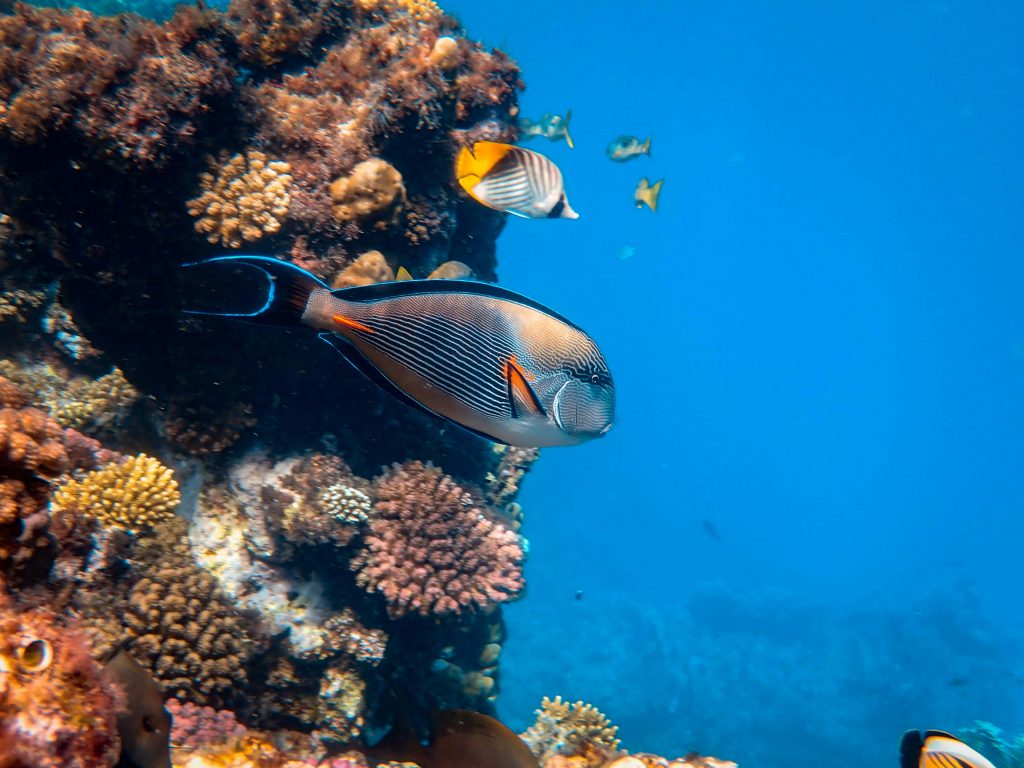
Sohal Tang (Acanthurus Sohal)
Sohal Tang care centers on space, heavy feeding, and aggression control. Learn tank size, diet, compatibility, and common…
 By
By
Reef Safe Fish Guide
Learn which reef safe fish work best in coral tanks, plus species to avoid, compatibility tips, and beginner-friendly…
[favorite_button]
My Bookmarks:
To see full list click here
[user_favorites user_id="" include_links="true" site_id="" post_types="" include_thumbnails="true" thumbnail_size="thumbnail" include_excerpt="false"]