
Zoanthid coral care is beginner friendly when you keep conditions stable. These colorful polyps like moderate light, varied flow, clean water, and regular feeding support. Success comes from stable placement, pest checks, and avoiding sudden swings in alkalinity, nutrients, or salinity.
Zoanthids are among the most popular reef corals for good reason. They come in endless colors, grow in attractive mats, and fit many tank styles. They also tolerate a wider range of conditions than many SPS corals. That said, they are not invincible. New hobbyists often struggle with closed polyps, melting colonies, nuisance algae, or pests like sundial snails and nudibranchs. In this guide, you will learn how to choose healthy zoanthids, place them correctly, feed them, frag them safely, and solve common problems before they spread. You will also learn why stability matters more than chasing perfect numbers.
Zoanthid Coral Care Quick Reference
| Care Level | Easy to moderate |
| Temperament | Mostly peaceful, can overgrow neighbors |
| Lighting | Low to moderate, some varieties prefer higher light |
| Water Flow | Low to moderate, indirect and varied |
| Placement | Lower to middle rockwork, adjust by response |
| Temperature | 76–79°F |
| Salinity | 1.025–1.026 specific gravity |
| pH | 8.1–8.4 |
| Alkalinity | 8–9 dKH, stable |
| Nitrate | 5–15 ppm preferred |
| Phosphate | 0.03–0.10 ppm |
| Feeding | Optional but beneficial |
| Growth Rate | Moderate to fast |
| Special Caution | May contain palytoxin, handle with care |
Use this table as a starting point. Individual morphs can vary. Some high-end zoa varieties prefer slightly lower light at first. Others adapt well to brighter systems once acclimated.
What Are Zoanthid Corals?
Zoanthids are colonial polyps that grow across rock, plugs, and rubble. Each polyp opens into a small disc with a ring of tentacles. Many reef keepers call them zoas. They are prized for color, pattern, and fast coverage. Some morphs form tight mats. Others spread in looser clusters.
They are often grouped with palythoas, but hobbyists usually keep them separate by appearance. Zoanthids tend to have smaller, cleaner polyps. Palythoas are usually larger and fleshier. Both can contain palytoxin. That means safety matters during fragging and handling.
Zoanthids host symbiotic algae called zooxanthellae. These algae provide much of their energy under reef lighting. The coral still benefits from dissolved nutrients and occasional feeding. This mix makes zoanthids adaptable. It also explains why they can survive in many mixed reefs when more demanding corals fail.
Natural Habitat
Zoanthids occur in tropical marine habitats around the world. Many species live in shallow reef zones. Others occur in lagoons, tide pools, and protected reef flats. In nature, they often grow on hard substrate where light is available and flow brings oxygen and suspended food.
These habitats are not static. Light changes through the day. Flow shifts with tides and surge. Nutrients rise and fall with weather and feeding activity. This helps explain their tolerance in aquariums. They are used to some variation. Still, reef tanks are small systems. Sudden swings are harsher in glass boxes than on reefs.
Many zoanthids grow in areas with moderate water movement. Their polyps open best when debris does not settle on them. They also benefit from enough current to keep a mucus film from building. When you recreate these conditions in a reef tank, colonies usually open wider and spread faster.
Aquarium Setup
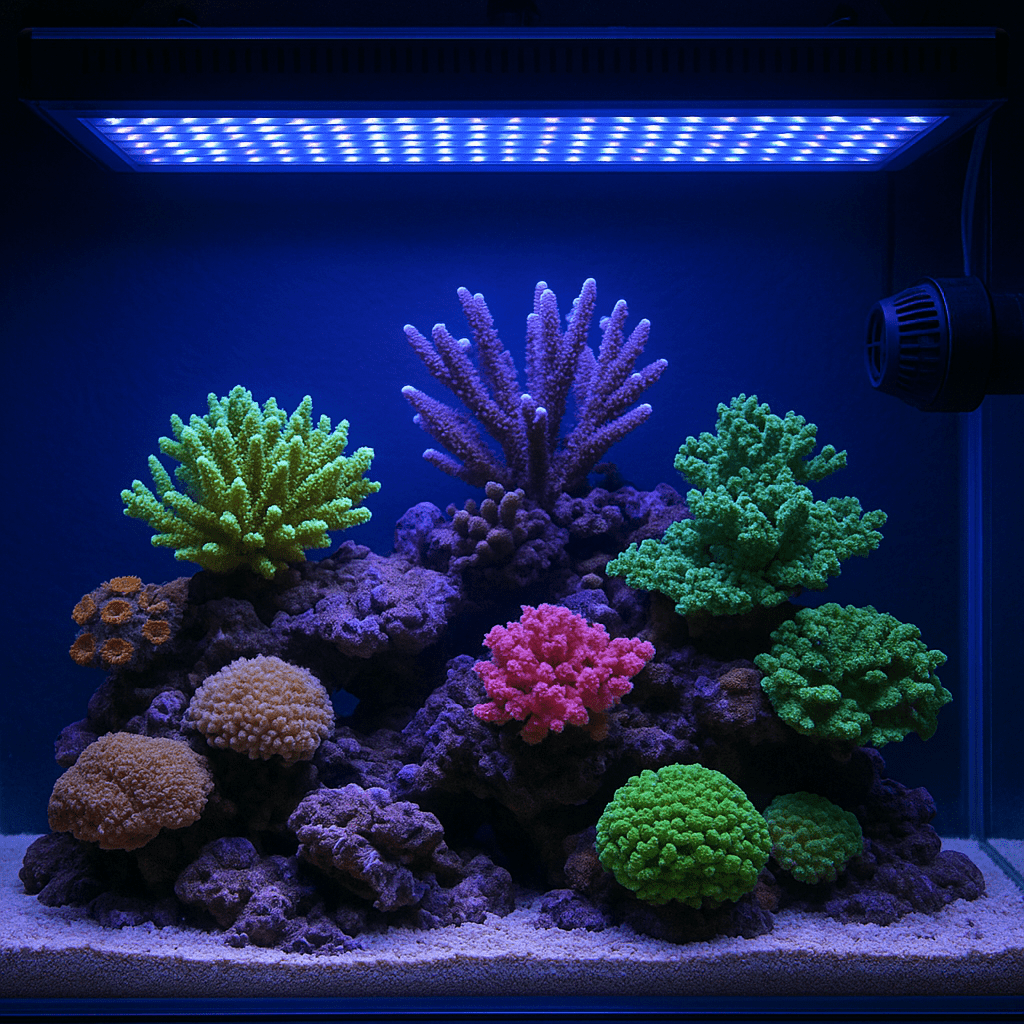
Zoanthids work in nano reefs, mixed reefs, and larger coral grow-out systems. Tank size matters less than stability. A mature 20-gallon tank can grow beautiful colonies. A neglected 100-gallon system can still lose them. Aim for stable salinity, stable alkalinity, and predictable nutrient levels.
Place zoanthids on isolated rocks when possible. This gives you better control over spread. Many varieties grow quickly. They can cover nearby rock and crowd slower corals. Leave space around LPS corals with long sweeper tentacles. Zoanthids usually lose direct sting battles.
Use a good protein skimmer if your tank is heavily stocked. Run activated carbon if you keep many soft corals. Chemical competition can stress corals in mixed reefs. Keep temperature between 76 and 79 degrees. Match salinity carefully during water changes. Avoid large corrections unless a parameter is clearly dangerous.
Lighting Requirements
Most zoanthids prefer low to moderate light. A practical target is roughly 50 to 150 PAR for many common morphs. Some colorful designer varieties do better at the lower end. Others can adapt to 150 to 200 PAR over time. Start lower if you are unsure.
Too much light causes stress. Polyps may stay small, close often, or bleach. Colors can wash out. Too little light can reduce growth and stretch the polyps upward. This is called reaching. The colony may look tall and sparse instead of compact.
Acclimate new frags carefully. Place them low in the tank for several days. Then move them upward if needed. If you use LEDs, avoid dramatic intensity changes. Increase output slowly over one to two weeks. Watch the coral, not just the schedule. Open, full polyps usually mean the placement is working.
Water Flow
Zoanthids like low to moderate, indirect flow. They do best when the polyps sway lightly but do not fold over. Good flow keeps detritus from settling between the polyps. It also supports gas exchange and helps prevent bacterial buildup on the colony surface.
Direct blast from a powerhead is a common mistake. Strong laminar flow can keep the colony closed all day. It can also irritate tissue around the base. On the other hand, dead spots invite algae, cyanobacteria, and detritus. These issues often start at the edges of the mat.
If a colony stays closed, check the flow pattern before moving it for light. Sometimes a small change in angle solves the problem. Alternating flow works well in mixed reefs. It mimics natural surge and reduces debris buildup without constantly battering the coral.
Feeding
Zoanthids get much of their energy from light, but feeding can still help. Fine particle foods, reef roids, amino acid supplements, and dissolved organics may improve growth and coloration. This is especially true in low nutrient systems where corals look pale or stagnant.
Do not overfeed. Heavy target feeding can foul water fast. In many tanks, fish feeding alone provides enough suspended nutrition. If you want to feed zoanthids directly, use a small amount once or twice weekly. Turn off strong flow for a few minutes. Then let the tank clear normally.
Watch your nitrate and phosphate after changing the feeding routine. Zoanthids usually prefer some nutrients in the water. Ultra-low nutrient tanks often lead to poor extension and dull color. Balanced nutrients matter more than frequent feeding. If your skimmer strips the water too clean, feed fish a bit more or reduce export slowly.
Compatibility
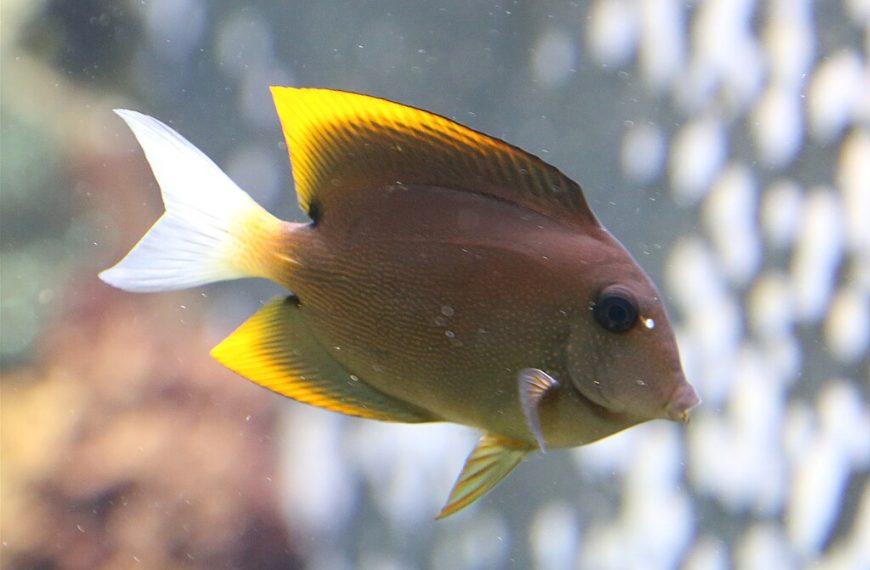
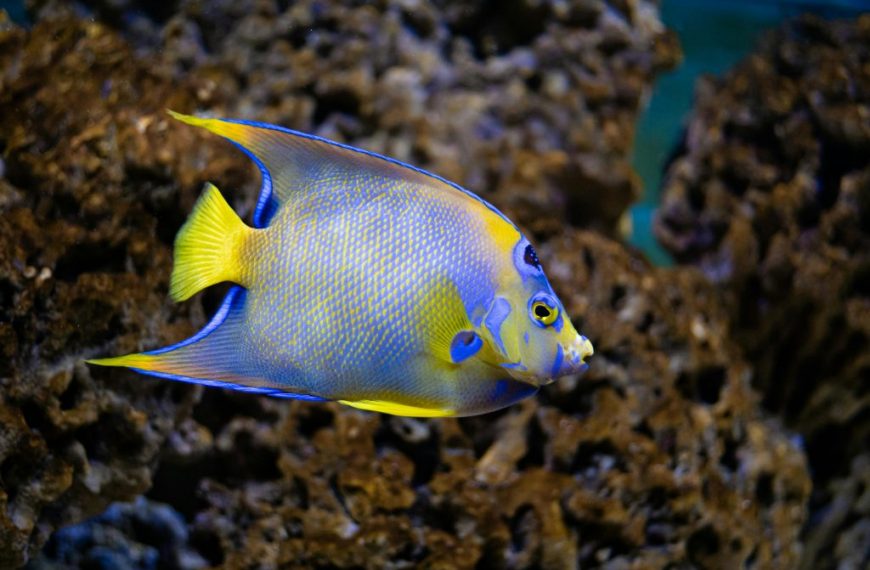
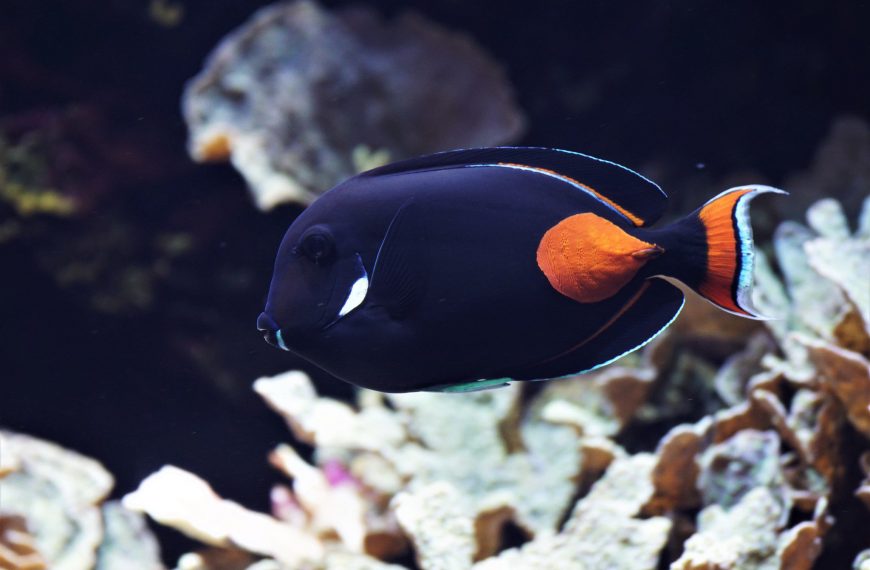
Zoanthids are generally reef safe with most community fish. Clownfish, gobies, blennies, wrasses, and many reef-safe tangs ignore them. Some angelfish and butterflyfish may nip at polyps. Emerald crabs, hermits, and snails are usually safe, though large crabs can irritate colonies while climbing.
With other corals, the main issue is space. Zoanthids can spread over rock and shade nearby frags. They also release chemical compounds into the water. In mixed reefs, this can contribute to coral stress. Carbon and regular water changes help reduce this pressure.
Keep them away from aggressive LPS like euphyllia, galaxea, and chalices with long sweeper tentacles. Zoanthids also should not be allowed to grow onto prized acropora bases. Use islands or separate rubble zones when planning your aquascape. This makes future maintenance much easier.
How to Acclimate New Zoanthids
New zoanthid frags often arrive stressed and closed. That is normal. The goal is to reduce shock and prevent pests from entering your display. A simple process works best.
- Float the bag to match temperature.
- Check salinity if possible.
- Dip the frag in a coral dip according to the label.
- Inspect for nudibranchs, egg spirals, sundial snails, and algae.
- Rinse in clean saltwater.
- Place the frag in lower light and moderate flow.
- Wait several days before moving it higher.
Do not judge a new frag on day one. Some open within hours. Others need several days. Stability is your best tool. Avoid moving the coral repeatedly unless you see a clear reason.
Propagation and Fragging
Safety First
Zoanthids may contain palytoxin. Always wear gloves and eye protection. Work in a ventilated area. Never boil rocks or expose cut tissue to heat. Keep pets and children away from the workspace. Wash tools and hands after handling.
How to Frag Zoanthids
Fragging is simple when the colony grows on a plug or small rock. Remove the piece from the tank. Use a sharp scalpel or bone cutters. Separate a small section of mat with several polyps attached. Glue the frag to a new plug or rubble piece. Let the glue set. Then return it to moderate flow and lower light for recovery.
Aftercare
Fresh frags may stay closed for a few days. Keep them clean and stable. Avoid strong light right away. Inspect the cut edges for algae or tissue damage. Most healthy frags recover quickly and begin attaching within one to two weeks.
Common Problems
Zoanthids Not Opening
This is the most common complaint. Likely causes include shipping stress, too much flow, poor placement, pests, or unstable salinity. Start by checking for sundial snails and nudibranchs. Then review recent changes. If you changed lights, dosing, or salinity, the coral may be reacting. Keep conditions stable and give the colony time.
Melting or Receding Polyps
Melting often points to bacterial irritation, pest damage, or severe parameter swings. Check alkalinity first. Large swings can stress soft tissue fast. Remove detritus around the colony. Improve indirect flow. Dip the coral if pests are suspected. If only one area is affected, frag away healthy polyps before the issue spreads.
Algae Growing Between Polyps
Algae usually means low flow, excess nutrients, or both. Gently turkey baste the colony during maintenance. Increase random flow slightly. Review feeding and export. Manual cleaning helps, but the long-term fix is better balance. Healthy zoanthids resist algae better when they stay open consistently.
Zoanthid Pests
Watch for zoanthid-eating nudibranchs, sundial snails, spiders, and egg masses. Many pests match the coral color and hide well. Inspect after lights out with a flashlight. Dips help, but repeated checks matter more. Quarantine all new frags if possible. One missed pest can spread through a whole collection.
Color Loss or Stretching
Pale colors often mean too much light or too few nutrients. Stretching usually means too little light. Adjust slowly. Raise nutrients slightly if nitrate and phosphate are near zero. Lower the coral if bleaching is suspected. Give each change a week or two before making another.
Frequently Asked Questions
Are zoanthids good for beginners?
Yes. They are one of the best beginner corals. They tolerate a range of conditions and show clear signs when unhappy. Stable parameters still matter.
How fast do zoanthids grow?
Growth depends on the morph and conditions. Many common varieties spread steadily in a few months. High-end morphs may grow much slower.
Do zoanthids need feeding?
Not always. Many thrive from light and fish waste alone. Light supplemental feeding can improve growth in some tanks.
Can zoanthids sting other corals?
They are not the strongest stingers, but they can overgrow neighbors and compete chemically. Give them space and use carbon in mixed reefs.
Are zoanthids toxic?
Some can contain palytoxin. Always handle with gloves and eye protection. Frag carefully and keep the work area ventilated.
Final Tips for Long-Term Success
Zoanthid coral care is simple when you focus on consistency. Keep salinity steady. Keep alkalinity stable. Avoid chasing perfect numbers every day. Give colonies time to settle. Dip all new frags. Inspect for pests often. Use moderate light and indirect flow as your baseline. Then adjust based on how the polyps respond.
If you want to improve your reef husbandry, also read our guides on reef tank water parameters, coral dipping guide, beginner soft corals, and reef tank lighting basics. These topics connect directly to healthy zoanthid growth and better reef stability.
Was this helpful?
Related Posts
Bristleworms
Bristleworms are usually helpful reef tank scavengers. Learn how to identify them, control numbers, and spot the rare…
 By
By
What is a Chaeto Reactor, and How Does it Help Control Nutrients?
A chaeto reactor grows macroalgae in a sealed chamber to remove nitrate and phosphate, helping reef tanks control…