

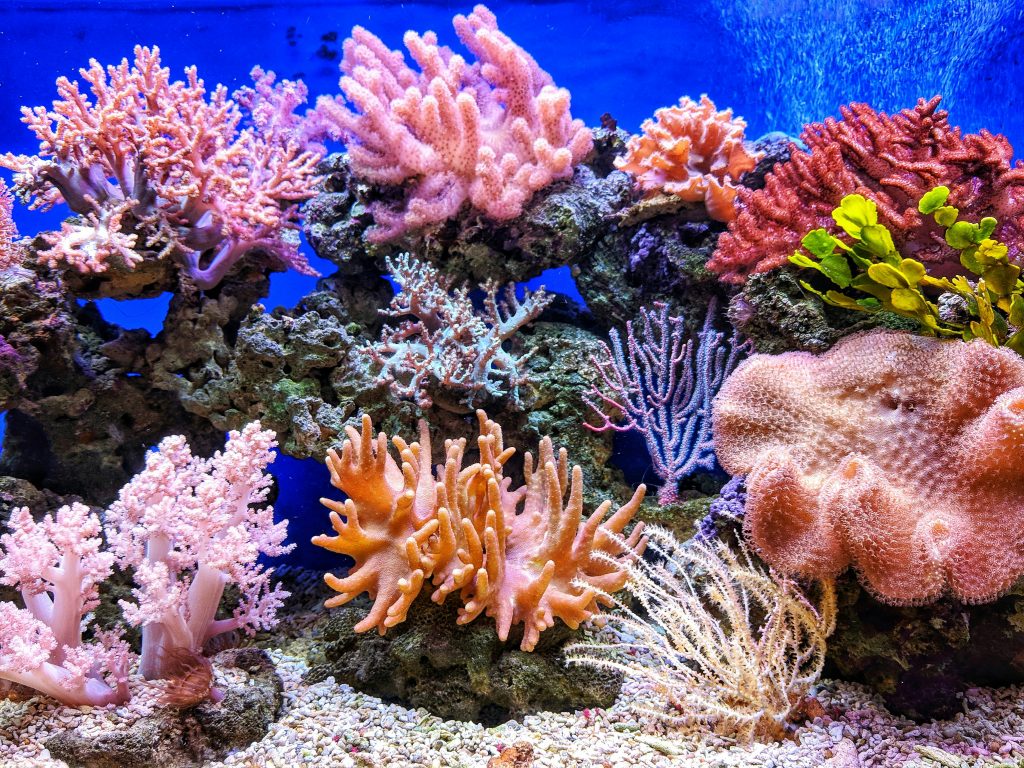
Beginner soft corals are some of the best first corals for a new reef tank. They tolerate small mistakes, grow under moderate equipment, and show great movement and color without the demanding care that many stony corals need.
If you are starting your first reef aquarium, soft corals are usually the safest place to begin. They help new hobbyists learn placement, lighting, flow, feeding, and water stability without the pressure of keeping delicate SPS corals alive. In this guide, you will learn which beginner soft corals are easiest to keep, how to set up the tank for success, what water conditions matter most, and how to avoid common mistakes. You will also learn how soft corals behave in mixed reefs and when fast growth becomes a problem instead of a benefit.
Quick Reference Table
| Coral | Difficulty | Light | Flow | Growth Rate | Best For |
|---|---|---|---|---|---|
| Mushroom corals | Easy | Low to moderate | Low to moderate | Moderate | New tanks and lower light areas |
| Zoanthids | Easy | Moderate | Low to moderate | Fast | Colorful coral gardens |
| Green star polyps | Very easy | Moderate | Moderate to high | Very fast | Isolated islands and back walls |
| Leather corals | Easy | Moderate | Moderate | Moderate to fast | Beginner mixed reefs |
| Xenia | Easy | Moderate | Low to moderate | Fast | Nutrient-rich beginner systems |
| Clove polyps | Easy | Moderate | Moderate | Fast | Movement and fast coverage |
Use this table as a starting point. Final placement should always depend on your tank’s actual lighting and flow pattern.
What Are Soft Corals?
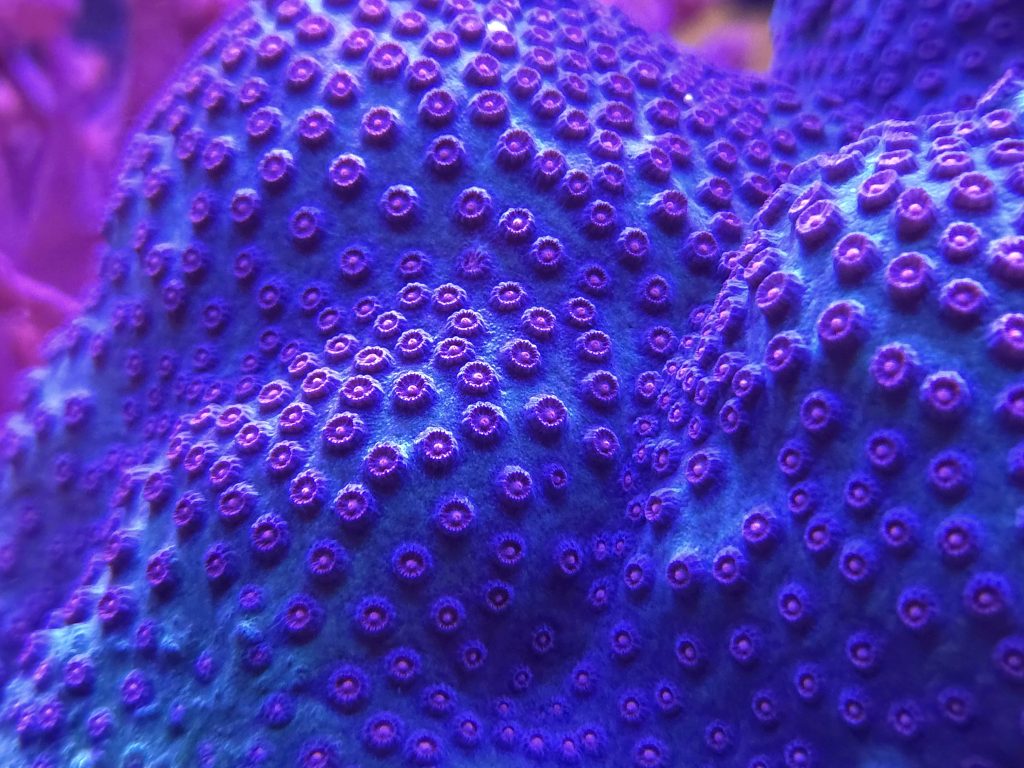
Soft corals are corals without a hard calcium skeleton. They bend, sway, and expand with water movement. Many beginners love them because they look alive in a way that rock-hard corals often do not. They also adapt well to normal reef conditions.
Common beginner soft corals include mushrooms, zoanthids, leather corals, green star polyps, xenia, and clove polyps. Most of these corals prefer stable water more than perfect water. That point matters. New hobbyists often chase exact numbers. Soft corals usually reward consistency instead.
They also fit many reef styles. You can build a soft coral nano tank, a mixed reef, or a coral garden with varied textures. Some stay small and compact. Others spread quickly across rock. That growth can be helpful at first. It can also become a control issue later. Knowing which species spread aggressively will save you trouble down the road.
Best Beginner Soft Corals
Mushroom corals are among the easiest corals in the hobby. They handle lower light well and usually prefer gentler flow. They come in many colors and textures. They also recover from shipping stress better than many other beginner corals.
Zoanthids are another favorite. They are colorful, affordable, and easy to frag. Many grow into bright mats over time. Place them where they cannot overrun slow-growing neighbors. Always handle zoanthids carefully. Some species may contain palytoxin.
Leather corals are hardy and forgiving. Toadstool leathers are especially good for new reef keepers. They need moderate light and enough flow to keep their surface clean. Green star polyps and xenia are also easy. Both grow fast. Both can take over rockwork if not isolated. Clove polyps offer beautiful movement but can spread in the same way. Pick these only if you plan for their growth from day one.
Natural Habitat
Many soft corals come from shallow tropical reefs in the Indo-Pacific. They often live in areas with changing flow, suspended nutrients, and moderate light. Some grow in sheltered lagoons. Others grow on reef slopes with stronger current. This variety explains why soft corals adapt so well in aquariums.
In nature, soft corals compete for space just like they do in captivity. Fast growers spread over rock and shade nearby animals. Chemical competition also happens on wild reefs. Many soft corals release compounds that irritate neighbors. This is one reason carbon use is helpful in mixed reefs.
Understanding habitat helps with placement. Mushrooms often do well lower in the tank. Toadstool leathers prefer more open areas. Green star polyps enjoy enough current to keep debris from settling. When you match your aquarium zones to natural conditions, coral behavior becomes easier to predict.
Aquarium Setup
Soft corals can thrive in tanks as small as 10 gallons, but larger tanks are easier to keep stable. A 20-gallon long, 32-gallon, or 40-gallon breeder gives beginners more room for error. Stability improves with water volume. That usually means fewer sudden swings.
Use porous live rock or quality dry rock with open structure. Leave space between islands if you plan to keep spreading corals. This simple choice prevents future battles. Isolated rocks work very well for green star polyps, xenia, and clove polyps.
A basic soft coral setup does not need extreme equipment. You need reliable heating, decent lighting, random water movement, and strong filtration habits. A protein skimmer helps but is not mandatory on every soft coral tank. Regular water changes often cover many beginner mistakes. If you want help building a stable first system, see reef tank setup guide and best nano reef tank.
Lighting Requirements
Most beginner soft corals prefer low to moderate light. That makes them ideal for newer LED fixtures and mixed reef tanks. A rough PAR target of 50 to 150 works for many common species. Mushrooms often prefer the lower end. Zoanthids and leathers usually handle the middle range well.
Too much light can cause shrinking, bleaching, or failure to open. Too little light may lead to stretching, dull color, or slow growth. Start lower than you think. Then adjust slowly. Sudden lighting changes stress corals more than slightly imperfect intensity.
Acclimation matters. New corals often come from dim holding systems. Place them lower in the tank first. Watch their response for a week or two. Then move them gradually if needed. If your coral closes after a lighting change, do not panic. Give it time before making another adjustment. For more help, read reef tank lighting guide.
Water Flow
Soft corals need enough flow to remove waste and bring oxygen and food. They do not want a constant blast. Most species prefer indirect, random movement. You want the coral to sway, not collapse or stay rigid.
Leather corals like moderate flow. This helps them shed waxy films from their surface. Green star polyps and clove polyps enjoy stronger movement than mushrooms. Mushrooms often shrink in high flow. Xenia usually likes gentle to moderate flow and often pulses best when conditions stay stable.
Dead spots create problems fast. Detritus settles. Algae grows. Coral tissue gets irritated. Position powerheads so flow crosses and bounces off the glass or rockwork. That creates more random movement. If one coral stays closed while others look fine, check its local flow first. The issue may be placement, not water chemistry.
Water Chemistry for Soft Coral Success
Soft corals are forgiving, but they still need stable reef parameters. Aim for salinity around 1.025, temperature between 76 and 78 degrees Fahrenheit, and pH around 8.0 to 8.4. Keep alkalinity stable, usually between 8 and 10 dKH. Calcium and magnesium matter less than with SPS, but they still support overall reef balance.
Nitrate and phosphate should not be zero. Many soft corals actually prefer a little nutrient in the water. Very clean tanks can lead to pale color and weak extension. A practical target is nitrate around 5 to 15 ppm and phosphate around 0.03 to 0.1 ppm, though tanks vary.
The biggest mistake is constant correction. New hobbyists often dose too early. Test regularly. Make small changes. Let the tank settle. Stability beats perfection. If you need a refresher on reef chemistry basics, visit reef tank water parameters.
Feeding
Most beginner soft corals rely heavily on light and dissolved nutrients. They do not need heavy direct feeding. In many tanks, fish feeding and normal nutrient levels provide enough support. That is one reason they are ideal for beginners.
Some corals benefit from occasional broadcast feeding with fine coral foods, phytoplankton, or amino acid supplements. Keep this light. Overfeeding causes more problems than underfeeding in a soft coral tank. Extra food can raise phosphate, fuel algae, and irritate corals if detritus builds up.
Watch the coral instead of following a strict feeding schedule. Good extension, steady growth, and normal color usually mean the coral is getting enough. If your tank already carries moderate nutrients, feeding corals directly may add little benefit. Feed your fish well. Keep nutrients balanced. Let the corals use what the system provides.
Compatibility
Soft corals are generally reef safe, but they are not always peaceful. Many spread into nearby space. Some release chemical irritants. In mixed reefs, this can bother LPS and SPS corals. Running activated carbon helps reduce this chemical warfare.
Most reef-safe fish ignore soft corals. Clownfish may occasionally host in toadstool leathers or large mushrooms. That behavior can be charming, but rough hosting may keep a coral closed. Angelfish and some butterflyfish may nip at polyps, so research fish carefully before mixing them with corals.
Invertebrates are usually safe. Hermits, snails, and cleaner shrimp coexist well. Emerald crabs and larger crabs can become unpredictable. The bigger compatibility issue is coral-to-coral placement. Give leathers room. Isolate invasive species. Plan growth before adding frags. A tank can look sparse today and crowded six months later.
Step-by-Step Guide to Adding Beginner Soft Corals
First, wait until your tank is cycled and stable. Do not add corals to a brand-new system on day one. A few weeks of stable salinity and temperature make a big difference.
Second, start with one or two hardy species. Toadstool leather, mushrooms, or common zoanthids are smart first choices. Avoid filling the tank too quickly.
Third, inspect and dip each coral before placement. Coral dips help reduce pests and hitchhikers. Follow the product directions exactly.
Fourth, place the coral in lower light at first. Watch for opening, inflation, and tissue response over several days. Move only if needed.
Fifth, keep your hands out of the tank as much as possible. New hobbyists often overreact. Corals need time to adjust. Make one change at a time and observe the result.
Propagation and Fragging
Fragging Leather Corals
Leather corals are easy to frag once established. Use clean scissors or a sharp blade. Cut a small section and attach it to rubble with mesh, a toothpick method, or a coral-safe container until it reattaches.
Splitting Mushrooms
Mushrooms can be cut into halves or quarters with a clean blade. Each piece can regrow if handled gently. Keep the pieces in low flow during recovery so they do not blow away.
Managing Spreading Polyps
Zoanthids, clove polyps, and green star polyps often frag themselves by spreading onto nearby rock. You can remove those small rocks and trade or relocate them. Wear gloves and eye protection when handling zoanthids.
Common Problems
Why is my soft coral closed?
Recent changes are the most common reason. Check for lighting changes, flow changes, salinity swings, or irritation from nearby corals. Also inspect for pests or detritus settling on the coral. Many soft corals reopen after a day or two if conditions stabilize.
Why is my leather coral shedding?
This is often normal. Leather corals shed a waxy coating as they grow. Increase moderate flow around the coral. Do not peel the film off by hand. The coral usually opens again after the shedding cycle ends.
Why are my mushrooms shrinking?
Mushrooms usually shrink from too much light, too much flow, or unstable salinity. Move them to a lower, calmer area. Then verify your refractometer and top-off routine.
Why is xenia melting?
Xenia can crash after sudden chemistry swings. It also struggles in ultra-clean tanks. Check alkalinity stability, salinity, and nutrient levels. Avoid chasing numbers too quickly.
How do I stop soft corals from taking over?
Use isolated rocks from the start. Trim growth often. Remove runners before they reach the main structure. Prevention is much easier than full removal later.
Frequently Asked Questions
What is the easiest soft coral for beginners?
Mushroom corals and toadstool leathers are among the easiest. Both handle beginner mistakes well and adapt to many tanks.
Do soft corals need dosing?
Many soft coral tanks do fine with regular water changes alone. Dosing becomes more important as coral mass and demand increase.
Can soft corals live in a nano reef?
Yes. Many soft corals do very well in nano reefs. Just watch for fast spread and keep salinity stable.
Are soft corals good for new tanks?
They are better than many other corals, but the tank should still be cycled and stable first. Avoid adding them to an immature system too early.
Can I mix soft corals with LPS and SPS?
Yes, but spacing matters. Carbon helps. Fast-growing soft corals should be isolated so they do not overrun slower corals.
Beginner soft corals offer one of the easiest paths into reef keeping. They are colorful, active, and forgiving. Pick hardy species, keep your water stable, and plan for future growth. If you do that, your first coral tank will be much easier to enjoy and much easier to maintain.
Was this helpful?
Related Posts
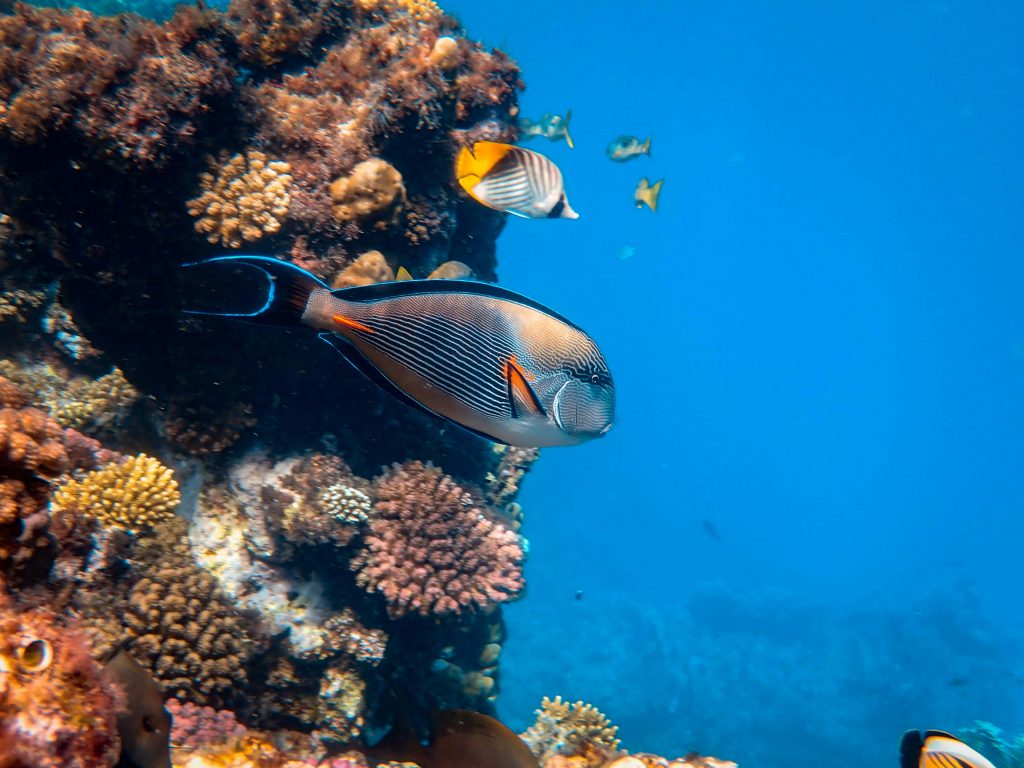
Sohal Tang (Acanthurus Sohal)
Sohal Tang care centers on space, heavy feeding, and aggression control. Learn tank size, diet, compatibility, and common…
 By
By
Reef Safe Fish Guide
Learn which reef safe fish work best in coral tanks, plus species to avoid, compatibility tips, and beginner-friendly…
[favorite_button]
My Bookmarks:
To see full list click here
[user_favorites user_id="" include_links="true" site_id="" post_types="" include_thumbnails="true" thumbnail_size="thumbnail" include_excerpt="false"]