Beginner SPS corals can thrive in home reefs when you choose hardy species and keep conditions stable. Start with forgiving options, provide strong light and flow, and focus on consistency over chasing perfect numbers.
SPS corals often intimidate new reef keepers. They have a reputation for demanding care and fast declines. That reputation is partly true. SPS corals usually react quickly to instability. Still, not every SPS is only for experts. Several species adapt well to beginner-friendly mixed reefs. The key is smart coral selection and disciplined husbandry. In this guide, you will learn which SPS corals are best for beginners, how to set up the tank, what water parameters matter most, and how to solve common problems before they become serious losses.
Quick Reference Table
| Category | Beginner SPS Recommendation |
|---|---|
| Best starter corals | Montipora digitata, Montipora capricornis, Birdsnest, Pocillopora |
| Tank maturity | At least 6 months old |
| Minimum tank size | 20 gallons for a few frags, 40+ gallons preferred |
| Temperature | 76-79°F |
| Salinity | 1.025-1.026 specific gravity |
| Alkalinity | 8-9 dKH, keep stable |
| Calcium | 400-450 ppm |
| Magnesium | 1250-1400 ppm |
| Nitrate | 2-15 ppm |
| Phosphate | 0.03-0.10 ppm |
| Lighting | Moderate to high PAR, usually 200-350 |
| Flow | Moderate to strong, random flow |
| Feeding | Mostly photosynthetic, benefits from nutrients and occasional fine foods |
Use this table as a starting point. Stability matters more than hitting a perfect number once. SPS corals usually prefer a steady environment every day.
What Are SPS Corals?
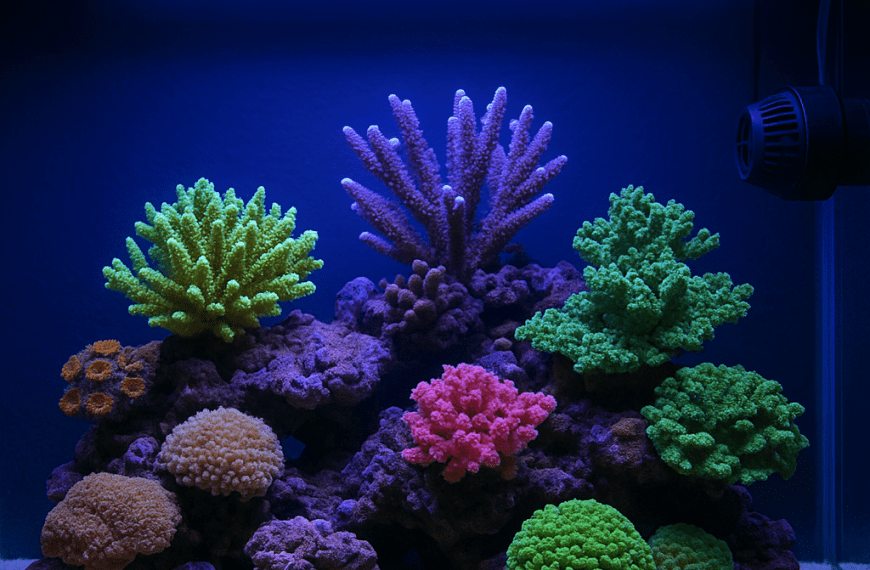
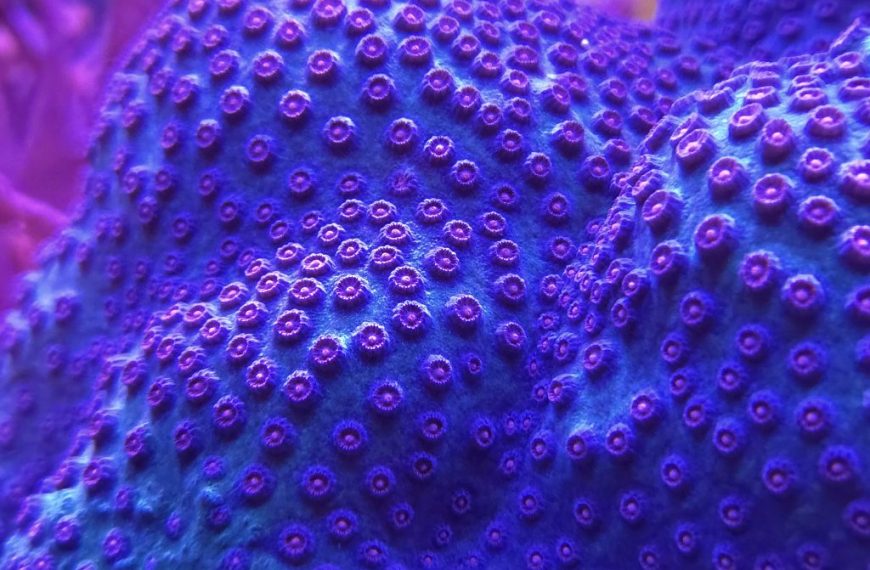
SPS stands for small polyp stony corals. These corals build hard calcium skeletons. Their polyps are much smaller than those on many LPS corals. Popular SPS groups include Acropora, Montipora, Birdsnest, Stylophora, and Pocillopora. In nature, many live in bright, turbulent reef zones.
For hobbyists, SPS corals are prized for color and growth form. Some branch like tiny trees. Others plate outward in shelves or scrolls. Healthy SPS can grow quickly. They can also become excellent indicators of tank stability. If your SPS look happy, the system is often in good shape.
Beginners should know one important fact. SPS success is rarely about one fancy product. It usually comes from stable salinity, strong export, reliable dosing, and patience. That is why newer tanks often struggle. The biology is still settling. Once the tank matures, beginner SPS become much easier to keep.
Best Beginner SPS Corals
Not all SPS are equal. Some are much tougher than others. If you are just starting, choose hardy species first. Avoid expensive Acropora frags until your tank proves stable for several months.
- Montipora digitata: One of the best starter SPS corals. It grows fast and tolerates minor mistakes better than many SPS.
- Montipora capricornis: This plating coral is colorful and forgiving. Give it room to expand outward.
- Birdsnest coral: Usually Seriatopora. It likes strong, random flow and can show fast growth in stable tanks.
- Pocillopora: A hardy branching SPS with fluffy daytime polyp extension. It can adapt well to mixed reefs.
- Stylophora: Often thicker branched and durable. It handles beginner systems better than delicate Acropora.
Start with aquacultured frags whenever possible. They are usually hardier than wild colonies. They also adapt better to aquarium life. Small frags may seem less impressive at first. They often survive shipping and acclimation much better than large colonies.
Natural Habitat
Most beginner SPS corals come from shallow Indo-Pacific reefs. These areas receive intense sunlight for much of the day. Water movement is strong and chaotic. Waves, surge, and currents constantly wash over the coral surface. This helps remove waste and deliver oxygen and nutrients.
Water chemistry on natural reefs is also very stable. Temperature shifts are limited. Salinity stays consistent. Alkalinity and calcium remain available for skeleton growth. That stability explains why SPS react poorly to sudden swings in aquariums. Their natural environment does not change much from hour to hour.
Understanding habitat helps you copy what matters most. You do not need to recreate the ocean perfectly. You do need bright light, turbulent flow, clean water, and stable parameters. Those four factors drive most SPS success.
Aquarium Setup
A beginner SPS tank should be mature, stable, and easy to maintain. A small nano reef can keep SPS, but larger tanks are more forgiving. A 40-gallon breeder or larger is a great starting point. More water volume means slower parameter swings.
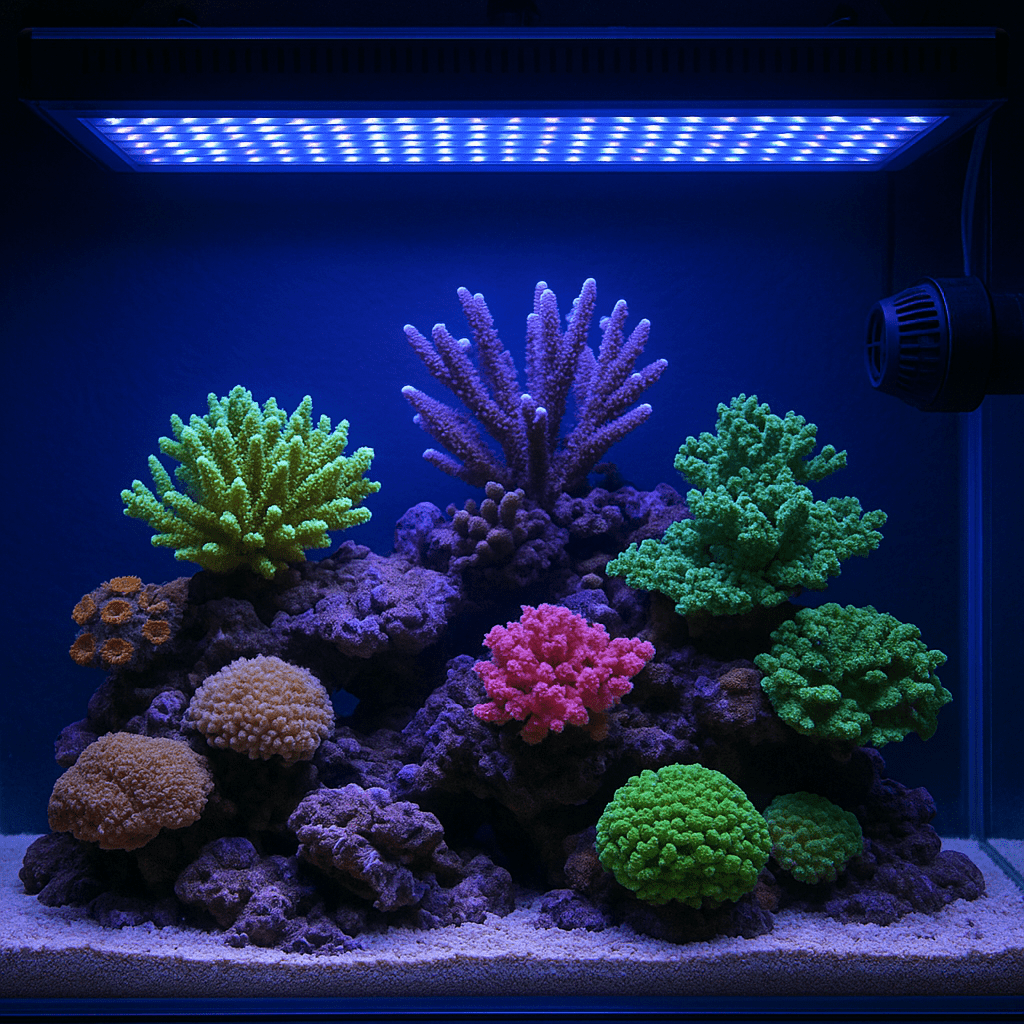
Build an open aquascape with room for flow. Avoid stacking rock into a solid wall. SPS need water movement around all sides. Open arches, islands, and shelves work well. Leave space between colonies for future growth. Many beginner corals can double in size faster than expected.
Use strong filtration and export. A quality protein skimmer helps. So does regular maintenance. An auto top off is almost essential. Salinity swings stress SPS quickly. Many hobbyists also use dosing pumps once coral growth increases. Manual dosing can work at first, but automation improves consistency.
If you are still building the system, these guides may help: reef tank cycling guide, reef tank aquascaping ideas, saltwater aquarium water parameters, and how to dip coral frags.
Lighting Requirements
SPS corals need stronger light than many soft corals. Most beginner species do well in the 200 to 350 PAR range. Some can adapt lower or higher, but sudden changes are risky. Use a PAR meter if possible. Guessing often leads to bleaching or slow decline.
Blue-heavy reef lighting usually brings out better color. Still, intensity matters more than a trendy spectrum. Provide a consistent photoperiod of about 8 to 10 hours of peak lighting. Ramp up and down if your fixture allows it. This reduces stress during transitions.
Always acclimate new SPS to light. Start lower in the tank or reduce intensity. Then increase exposure over one to two weeks. A frag that came from dimmer lighting can bleach fast under powerful LEDs. Pale tissue after placement often points to too much light, too quickly.
Water Flow
Flow is just as important as light. SPS corals need moderate to strong, random water movement. Constant laminar flow from one direction is less effective. It can even damage tissue on one side while leaving dead spots elsewhere.
Use two or more powerheads if possible. Aim for intersecting currents and changing patterns. This helps remove mucus, bring oxygen to the coral, and prevent detritus from settling on branches. Birdsnest and Pocillopora especially appreciate lively flow.
Watch the coral, not just the pump setting. Good flow produces gentle polyp movement without tissue whipping hard in one direction. If detritus collects on the colony, flow is too weak. If tissue recedes on the side facing a pump, flow may be too direct.
Water Parameters That Matter Most
Beginners often chase exact numbers. SPS care works better when you chase stability instead. Keep your parameters within a healthy range and avoid sudden swings. Alkalinity is the most important value to monitor closely. Large dKH changes can trigger tissue loss fast.
- Temperature: 76-79°F
- Salinity: 1.025-1.026
- Alkalinity: 8-9 dKH
- Calcium: 400-450 ppm
- Magnesium: 1250-1400 ppm
- Nitrate: 2-15 ppm
- Phosphate: 0.03-0.10 ppm
Do not run nutrients at zero. Ultra-low nutrients can cause pale corals, weak growth, and tissue issues. Many beginner SPS tanks do better with measurable nitrate and phosphate. Test weekly at first. As coral growth increases, alkalinity and calcium consumption will rise too.
Feeding
SPS corals are mainly photosynthetic. Their zooxanthellae provide much of their energy. Still, they benefit from dissolved nutrients and occasional fine particulate foods. Reef roids, powdered plankton foods, amino acids, and fish waste all contribute in moderation.
Do not overfeed the tank chasing faster growth. Excess food can raise nutrients too quickly and hurt water quality. A better approach is balanced feeding. Feed fish well. Let the reef receive some indirect nutrition. Then add coral foods sparingly once or twice weekly if nutrients remain controlled.
If your SPS are pale and nutrients are near zero, the tank may simply be too clean. In that case, feed fish a bit more or reduce aggressive nutrient export. Color often improves when nitrate and phosphate become detectable again.
Compatibility
Beginner SPS corals do well in many mixed reefs. Still, placement and tankmates matter. Keep them away from aggressive LPS with long sweeper tentacles. Euphyllia, Galaxea, and some chalices can sting nearby SPS at night. Leave several inches of space.
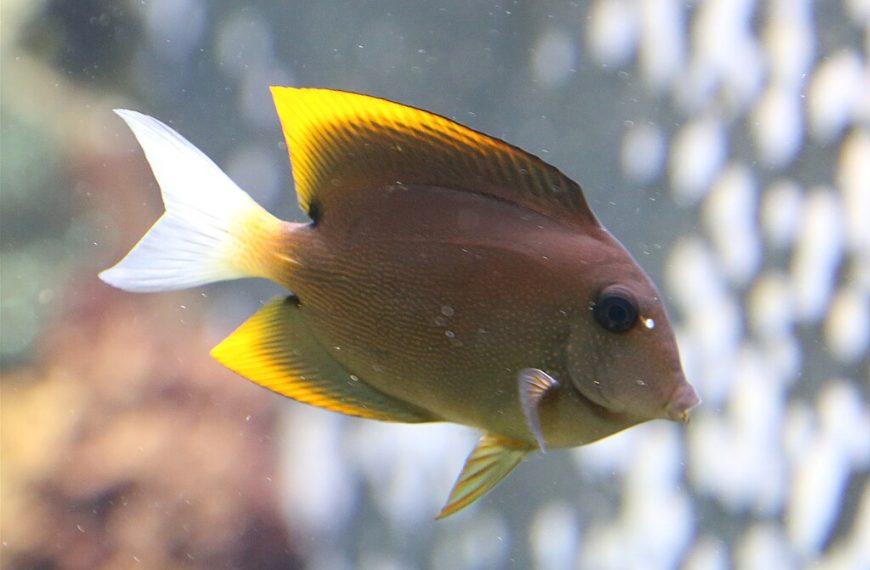
Most reef-safe fish are fine. Watch for coral nippers like some angelfish and butterflyfish. Certain crabs may irritate polyps. Sea stars and snails are usually safe. Some wrasses are excellent additions because they help control pests.
Also consider growth competition. Montipora capricornis can shade corals below it. Fast-growing digitata can crowd neighbors. Plan ahead when mounting frags. Place plating species where they can expand without blocking light to slower corals.
Step-by-Step: How to Add Your First SPS Frag
- Choose a hardy aquacultured frag from a trusted seller.
- Inspect it for pests, eggs, and tissue damage.
- Dip the frag using a coral dip according to directions.
- Match temperature and salinity before placement.
- Start the frag in moderate light and good indirect flow.
- Mount it securely with reef-safe glue or putty.
- Test alkalinity every few days during the first weeks.
- Watch for polyp extension, tissue color, and encrusting growth.
- Adjust placement slowly if needed. Avoid repeated moves.
The biggest beginner mistake is changing too many things at once. If the frag looks stressed, make one adjustment and wait. SPS often need time to settle before showing improvement.
Propagation and Fragging
When to Frag
Frag SPS only after the colony is healthy and growing well. Look for strong color, good polyp extension, and active encrusting at the base. Fragging a stressed coral usually makes things worse.
How to Frag Beginner SPS
Branching SPS are easiest. Use clean bone cutters and clip a healthy tip or branch. Dip if needed, then glue the new frag onto a plug or rubble piece. Keep fresh frags in moderate flow so mucus and debris do not settle.
Aftercare
Stable alkalinity is critical after fragging. New cuts heal best in clean, well-oxygenated water. Avoid major maintenance or parameter changes right after cutting corals.
Common Problems
Why Is My SPS Turning Brown?
Brown SPS usually point to excess nutrients, weak lighting, or both. Test nitrate and phosphate first. Then review PAR and bulb or LED output. Corals often darken when zooxanthellae density increases under lower light.
Why Is My SPS Turning White?
White tissue often means bleaching from too much light, rapid alkalinity change, or severe stress. Check recent adjustments. Did you increase LED intensity? Did alkalinity swing after a missed dose? Correct the cause slowly.
Why Is Tissue Receding From the Base?
Base recession can come from unstable alkalinity, poor flow, shading, pests, or detritus buildup. Improve random flow around the colony. Test dKH daily for a week. Inspect for nudibranchs, flatworms, or irritation from nearby corals.
Why Does My SPS Have No Polyp Extension?
Poor extension can mean stress, pests, recent placement, or fish picking. Some SPS extend more at night. If color is good and growth continues, limited daytime extension is not always a problem. Look for trends, not one snapshot.
Frequently Asked Questions
Can beginners keep SPS corals?
Yes. Start with hardy species like Montipora and Birdsnest. Use a mature tank and keep parameters stable.
How old should a tank be before adding SPS?
Six months is a good minimum. Older tanks are often more stable and easier for SPS.
Do SPS need dirty or clean water?
They need clean, stable water with some nutrients present. Zero nitrate and zero phosphate are usually not ideal.
What is the easiest SPS coral?
Montipora digitata is one of the easiest. It grows fast and tolerates beginner mistakes better than many SPS.
Should I dose alkalinity every day?
If your corals consume enough to cause daily drops, yes. Small daily dosing is better than large, occasional corrections.
Final Thoughts
Beginner SPS success comes from restraint and consistency. Pick forgiving corals. Keep salinity stable. Monitor alkalinity closely. Provide strong light and random flow. Avoid dramatic changes. Once your first Montipora or Birdsnest starts encrusting and branching, SPS become much less intimidating. They reward patient reef keepers with fast growth, vivid color, and a clear sign that the tank is thriving.
Was this helpful?
Related Posts
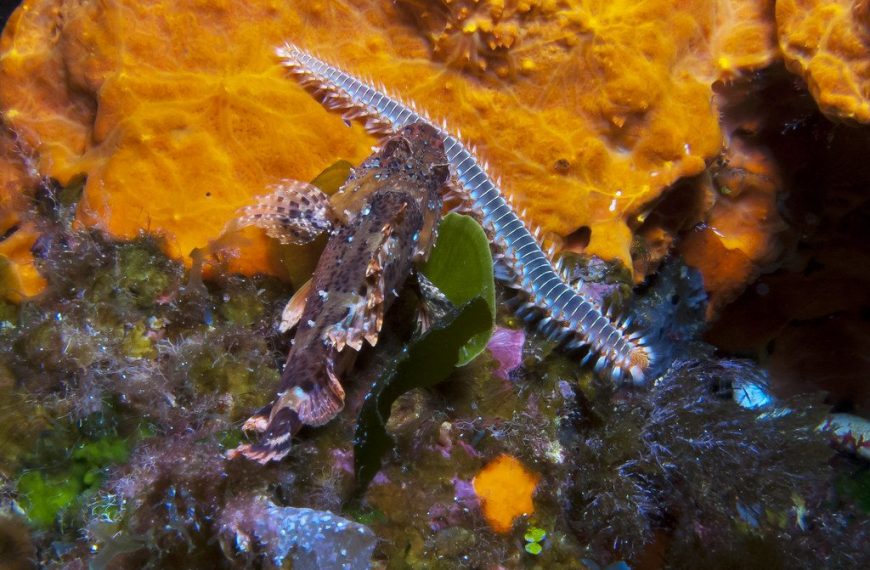
Bristleworms
Bristleworms are usually helpful reef tank scavengers. Learn how to identify them, control numbers, and spot the rare…
 By
By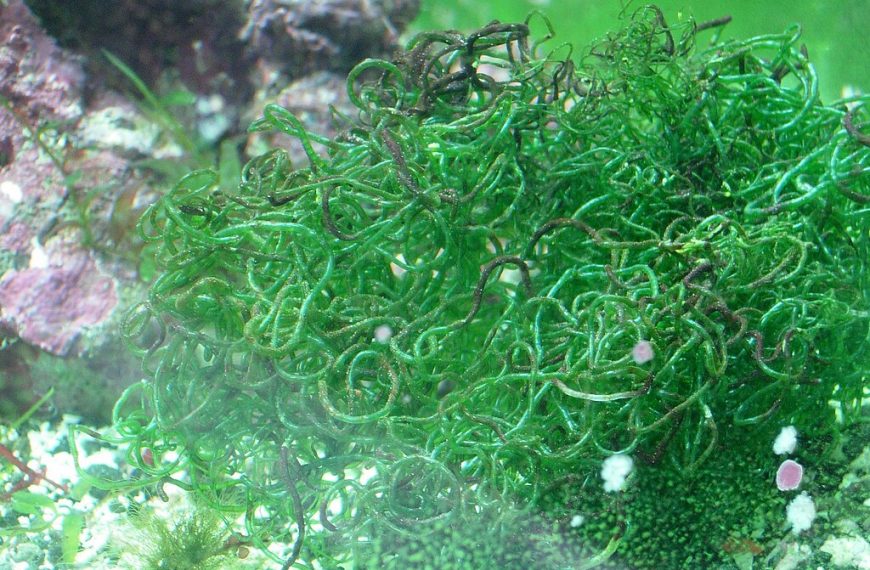
What is a Chaeto Reactor, and How Does it Help Control Nutrients?
A chaeto reactor grows macroalgae in a sealed chamber to remove nitrate and phosphate, helping reef tanks control…