


Blood Red Fire Shrimp, also called Lysmata debelius, is one of the most striking reef-safe shrimp in the hobby. It is hardy once settled, reef compatible, and useful as a cleaner. Success depends on stable water, gentle acclimation, and a peaceful tank with shaded rockwork.
This shrimp attracts many reef keepers for good reason. Its deep red body, bright white spots, and waving antennae stand out in almost any aquarium. It also shows interesting behavior. Fire shrimp often set up cleaning stations and may remove parasites and dead tissue from willing fish. Still, they are more secretive than cleaner shrimp. Many beginners buy one for color, then worry when it hides for days. That behavior is normal. In this guide, you will learn how to care for Blood Red Fire Shrimp, what tank conditions they need, how to feed them, how they behave with fish and corals, and how to solve common problems before they become serious.
Quick Reference Care Table
| Common name | Blood Red Fire Shrimp |
| Scientific name | Lysmata debelius |
| Care level | Easy to moderate |
| Temperament | Peaceful, shy |
| Adult size | About 2 to 3 inches |
| Minimum tank size | 20 gallons |
| Diet | Omnivore, scavenger |
| Reef safe | Yes |
| Temperature | 76 to 80°F |
| Salinity | 1.024 to 1.026 |
| pH | 8.1 to 8.4 |
| Nitrate | Low, ideally under 15 ppm |
| Special note | Very sensitive to sudden salinity and copper |
Natural Habitat
Blood Red Fire Shrimp come from the Indo-Pacific. They are found around reef slopes, caves, and ledges. In the wild, they prefer shaded areas with crevices and overhangs. This helps explain their shy nature in home aquariums. They are not open-water animals. They stay close to structure and retreat quickly when startled.
These shrimp often live in pairs or small groups in protected spots. They may establish cleaning stations where fish visit for grooming. Their long white antennae act like signals. Fish learn to recognize them and may approach calmly. In aquariums, this behavior can take time to appear. A new specimen usually hides first. Once it feels secure, it becomes bolder during feeding and may interact with tankmates more often. Replicating that secure habitat is one of the best ways to keep this species healthy and visible.
Aquarium Setup
A 20-gallon tank is the practical minimum for one Blood Red Fire Shrimp. Larger tanks are better. They offer more stable water and more hiding places. Stability matters more than raw volume, but small tanks swing faster. That can stress shrimp during molts.
Build your aquascape with caves, arches, and shaded pockets. Fire shrimp do best when they can choose between cover and open areas. Live rock is ideal. It provides shelter and natural grazing surfaces. Avoid bare, exposed layouts if this shrimp is your focus. It will hide more and feel less secure.
Use a tight routine for salinity, alkalinity, and temperature. Shrimp react poorly to sudden changes. Keep ammonia and nitrite at zero. Maintain low nitrate and low phosphate. Good filtration helps, but avoid blasting the shrimp with direct flow. If you run medications, remember one key rule. Never expose ornamental shrimp to copper. Copper is highly toxic to them.
Lighting Requirements
Blood Red Fire Shrimp do not need special lighting. Their needs are simple. They prefer dimmer areas and indirect light. In reef tanks with strong LEDs, they often stay under ledges during peak intensity. That is normal behavior. It does not mean the shrimp is unhealthy.
If your tank is coral-focused, you do not need to lower lighting just for the shrimp. Instead, create shaded zones in the rockwork. Overhangs and caves solve the problem. This lets you keep high PAR for corals while still giving the shrimp a comfortable retreat. If your shrimp only appears at dusk, that is also common. Many become more active in lower light periods and around feeding time.
Sudden light changes can startle them. When possible, use ramp-up and ramp-down schedules. This reduces stress and creates more natural behavior in the tank.
Water Flow
Moderate flow works best for Blood Red Fire Shrimp. They do not enjoy strong, direct current. In nature, they stay around reef structure where flow is broken and uneven. In the aquarium, place their preferred hiding spot away from powerhead output.
They still benefit from good circulation. Strong overall turnover keeps oxygen levels up and waste suspended for filtration. The key is flow pattern. Aim for broad, indirect movement rather than a hard jet. If the shrimp struggles to walk, braces itself constantly, or never leaves one sheltered crack, the flow may be too harsh in that area.
During molting, calm and stable conditions matter even more. A shrimp that has just molted is soft and vulnerable. Gentle, predictable flow helps it recover without being tossed around the rockwork.
Feeding
Blood Red Fire Shrimp are omnivores and opportunistic scavengers. They eat leftover food, meaty frozen foods, pellets, and bits of detritus. They may also clean fish, but do not rely on that behavior as their main food source. A cleaner role is a bonus, not a feeding plan.
Feed small amounts several times per week. In busy reef tanks, they often grab enough during normal fish feeding. In sparse tanks, target feed them with a turkey baster or feeding tube. Good choices include mysis shrimp, finely chopped seafood, brine shrimp, and quality sinking pellets. Variety helps support molting and long-term health.
Watch feeding response at night if the shrimp is shy. Many specimens become much bolder after lights dim. Do not overfeed to “make sure” it eats. Excess food harms water quality fast. A healthy fire shrimp usually emerges when it smells food and feels safe.
Compatibility
Blood Red Fire Shrimp are reef safe with corals and most invertebrates. They do not nip healthy corals. They are good additions to peaceful community reef tanks. Their biggest risk comes from aggressive fish, not from corals.
Good tankmates include clownfish, gobies, blennies, cardinalfish, dartfish, and many reef-safe wrasses. Use caution with larger hawkfish, lionfish, triggers, puffers, and aggressive dottybacks. These fish may harass or eat shrimp. Some larger wrasses can also be a problem. Research every fish before adding ornamental shrimp.
Fire shrimp can coexist with cleaner shrimp in larger tanks, but they may compete for territory and food. In small tanks, one species often settles better than a mixed group. If you want a pair of fire shrimp, add them carefully and provide several hiding zones. True compatible pairing is possible, but crowding increases stress.
Helpful internal reads: reef-safe clean up crew guide, best reef safe fish for beginners, reef tank water parameters, drip acclimation for saltwater fish and inverts.
Step-by-Step Acclimation Guide
Proper acclimation is critical for Blood Red Fire Shrimp. Many losses happen in the first day. The cause is often osmotic shock. Follow a slow process.
- Dim the lights before opening the bag.
- Float the bag for 15 to 20 minutes for temperature matching.
- Transfer the shrimp and bag water to a clean container.
- Start a drip line from the tank to the container.
- Drip slowly for 45 to 90 minutes.
- Discard excess water as the container fills.
- Gently net or cup the shrimp into the aquarium.
- Do not add store water to the display tank.
- Leave lights low for several hours.
- Do not force feeding right away.
After release, expect hiding. That is normal. Do not move rock to “find” the shrimp. Let it settle on its own.
Propagation and Breeding
Can Blood Red Fire Shrimp breed in aquariums?
Yes, they can breed in captivity. Like other Lysmata shrimp, they are simultaneous hermaphrodites. In simple terms, mature shrimp can function as both sexes during reproduction. Hobbyists sometimes see eggs carried under the abdomen and larvae released into the water column.
Why is raising the larvae difficult?
Larval rearing is the hard part. The larvae are tiny and planktonic. They need specialized foods, clean rearing systems, and careful timing. Most display tanks will not support survival. Filtration and pumps usually remove the larvae quickly. Breeding events are common enough. Successful grow-out is not.
Best hobbyist approach
If breeding interests you, start by observing molts, pairing behavior, and egg carrying. Record release timing. Dedicated larval systems offer the best chance. For most reef keepers, enjoying natural reproductive behavior is a realistic goal.
Common Problems
Why is my fire shrimp hiding all the time?
Shyness is normal, especially in new tanks or bright aquariums. Lack of caves, aggressive fish, or strong flow can make it worse. Add more shaded rockwork. Review tankmates. Feed consistently at the same time each day. Many shrimp become more visible after a few weeks.
Why did my shrimp die after molting?
Molting problems often point to unstable salinity, poor nutrition, or sudden parameter swings. Check salinity with a calibrated refractometer. Keep alkalinity and temperature steady. Offer varied foods. Avoid rapid water changes with mismatched salinity. Also check for harassment from fish during the soft-shell stage.
Why is my fire shrimp not eating?
A new shrimp may refuse food for a day or two. Stress is the usual cause. If the tank is stable, try feeding after lights dim. Offer mysis or another strong-smelling meaty food. If it still refuses food and stays weak, test water quality and review recent changes.
Can copper or medication harm fire shrimp?
Yes. Copper is dangerous to ornamental shrimp. Many medications are also unsafe for invertebrates. Always read labels. Treat fish in a separate quarantine tank when needed. Never assume a product is reef safe without checking.
Why did my fish attack the shrimp?
Predatory fish often view shrimp as food. The risk rises after molting. Research compatibility before stocking. If attacks happen, the fish may need removal. Rearranging rock rarely fixes true predation.
Frequently Asked Questions
Are Blood Red Fire Shrimp reef safe?
Yes. They are considered reef safe with corals and most invertebrates. The main concern is fish compatibility.
How big do Blood Red Fire Shrimp get?
Most reach about 2 to 3 inches in length. Females and males are not easily separated in the usual hobby sense due to their reproductive biology.
Do fire shrimp clean fish like cleaner shrimp do?
Yes, they can. However, they usually do it less openly than skunk cleaner shrimp. Many remain more secretive.
Can I keep two fire shrimp together?
Sometimes, yes. A bonded or compatible pair can work well. Provide enough space and hiding places. Monitor for chasing in smaller tanks.
What is the best tank size for a fire shrimp?
Twenty gallons is the minimum. A larger reef tank is easier to keep stable and usually leads to better long-term success.
Final Thoughts
Blood Red Fire Shrimp are excellent reef invertebrates for beginners and intermediate hobbyists. They combine beauty, useful scavenging behavior, and strong reef compatibility. Their care is straightforward once you respect their sensitivity to change. Keep water stable. Acclimate slowly. Provide shaded rockwork. Choose peaceful tankmates. Do those things well, and Lysmata debelius can thrive for years while adding motion and color to your reef.
Was this helpful?
Related Posts
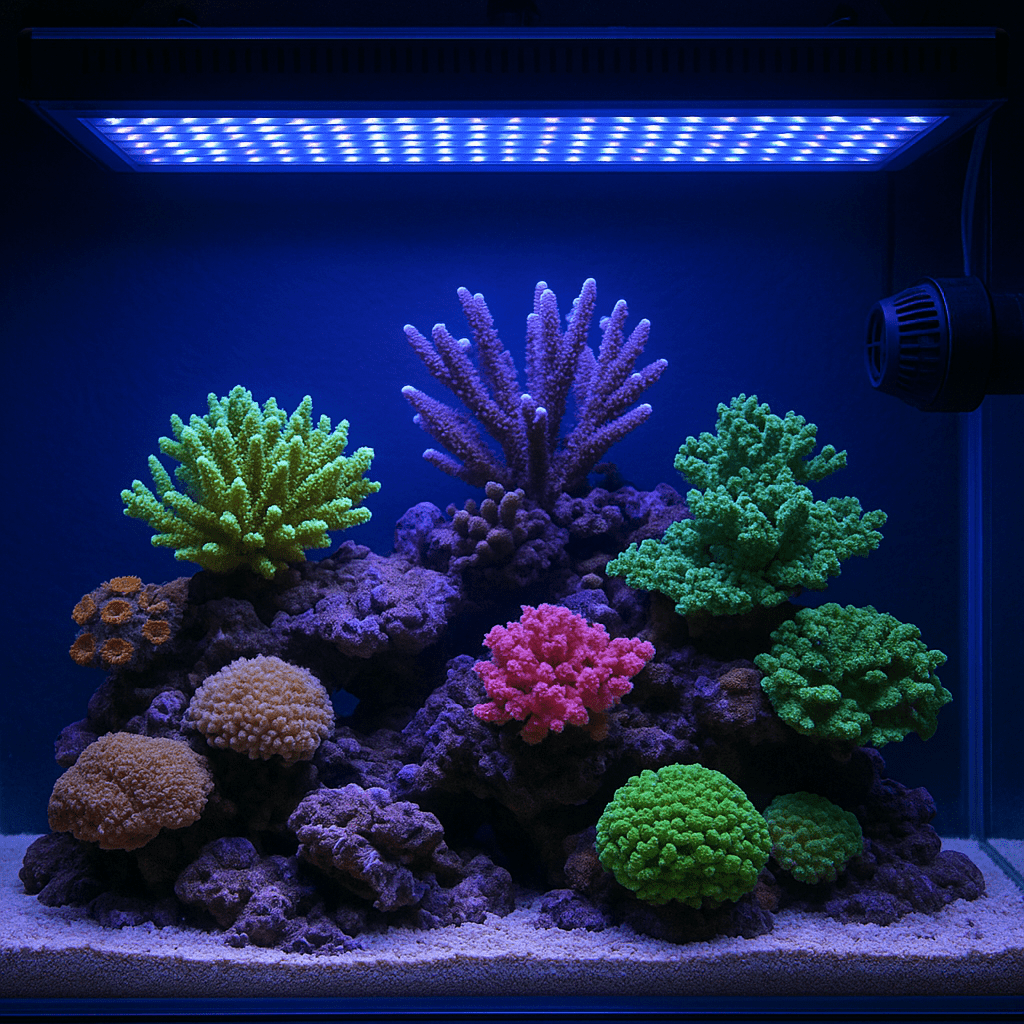
Best Filtration Systems
Best Filtration Systems for a Healthy Saltwater Aquarium Choosing the best filtration system for your saltwater aquarium is…
 By
By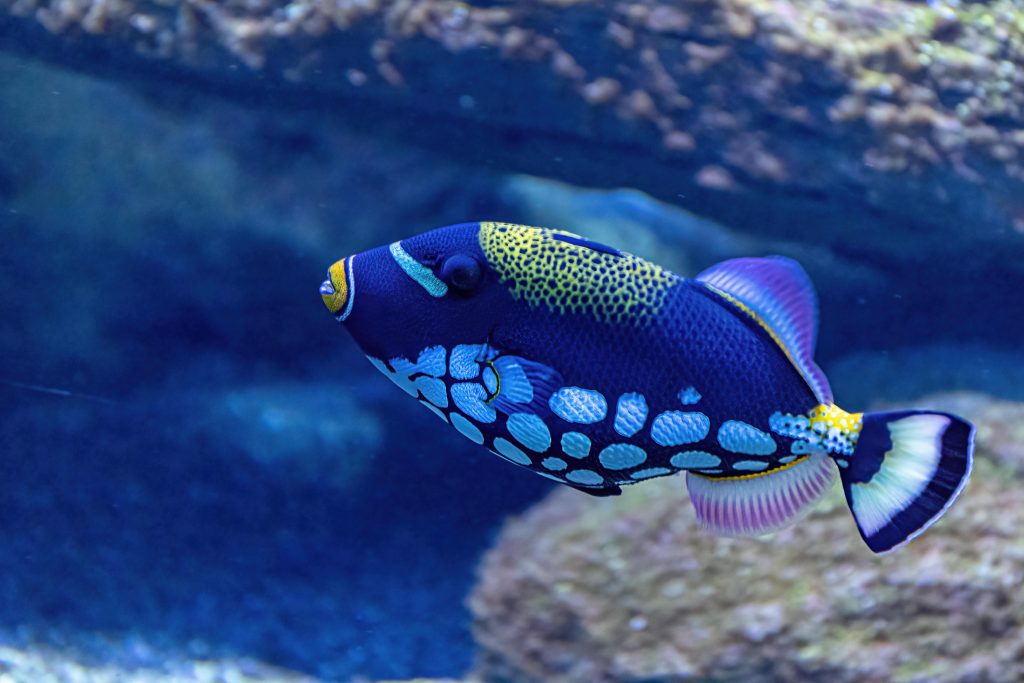
Clown Triggerfish (Balistoides Conspicillum)
Clown triggerfish are stunning but aggressive marine fish that need very large tanks, strong filtration, and careful tankmate…
[favorite_button]
My Bookmarks:
To see full list click here
[user_favorites user_id="" include_links="true" site_id="" post_types="" include_thumbnails="true" thumbnail_size="thumbnail" include_excerpt="false"]