

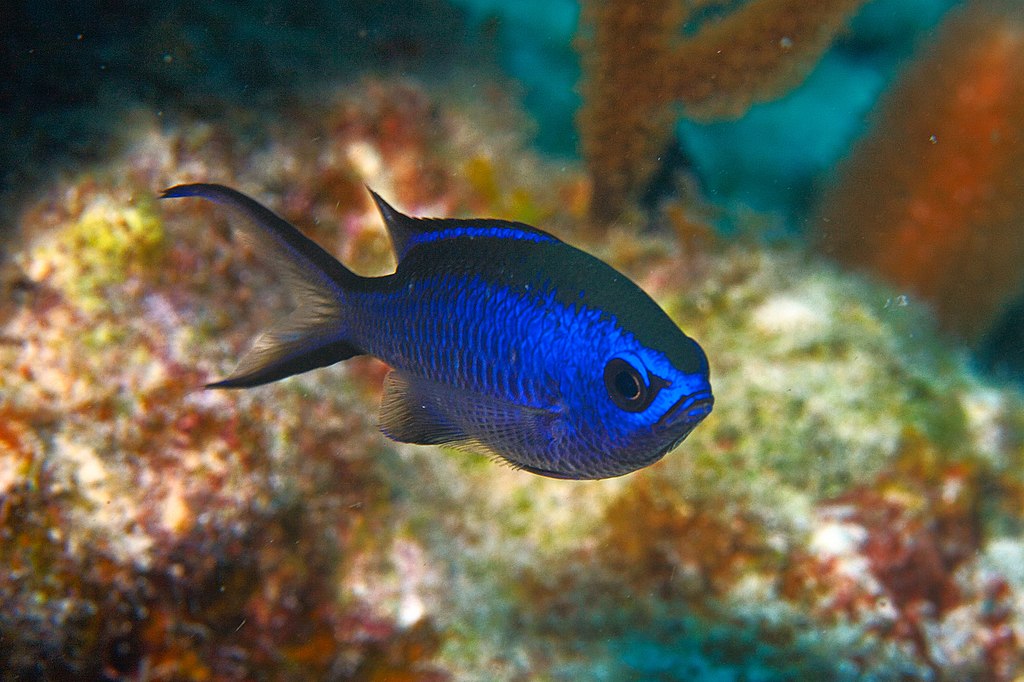
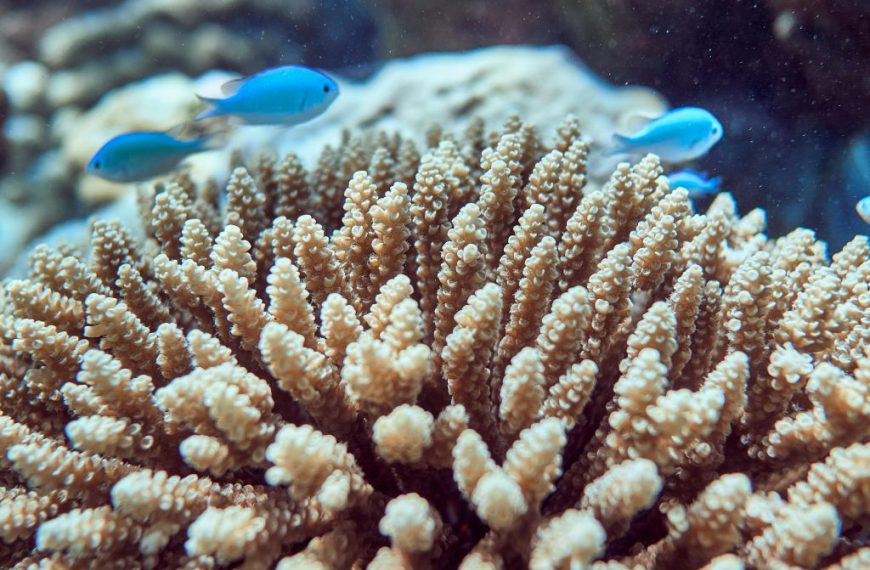
Blue Reef Chromis (Chromis cyaneus) bring steady motion to reef tanks. They school, flash blue-green, and stay active all day. With the right setup, they are hardy and peaceful.
Natural behavior and choosing healthy fish
In the wild, Blue Reef Chromis hover above reef slopes. They pick plankton from the water column. In aquariums, they do best in groups. A group spreads stress and reduces bullying.
Plan your group size around tank volume. Use 5 fish in a 55-gallon tank. Use 7 to 9 fish in a 75-gallon tank. In smaller groups, one fish may become dominant.
Choose fish with full bellies and clear eyes. Avoid fish with frayed fins or fast breathing. Ask to see them eat before buying. A strong feeding response matters.
Quarantine prevents surprises in a display reef. Use a 10 to 20-gallon bare tank. Add a sponge filter and PVC for cover. Keep salinity at 1.025 and temperature at 25–26°C.
- Buy all chromis at once to reduce pecking order fights.
- Aim for similar sizes within 10–15% length difference.
- Watch for flashing, white spots, and cloudy eyes during quarantine.
Tank setup, water parameters, and aquascape
Blue Reef Chromis need open water and strong oxygenation. Provide a long tank if possible. A 55-gallon is a practical minimum for a group. Larger tanks give calmer social behavior.
Keep reef-stable parameters and avoid swings. Target salinity 1.024–1.026. Keep temperature 24.5–26.5°C. Maintain pH 8.1–8.4 and alkalinity 8–9 dKH.
Keep nutrients low but not sterile. Aim nitrate 2–15 ppm and phosphate 0.03–0.10 ppm. Chromis feed often and add bioload. Use a skimmer sized for your tank volume.
Build rockwork with caves and overhangs. Leave a clear front swimming lane. Add moderate to strong flow in one zone. Create a calmer zone for rest at night.
For more on stable chemistry, review our reef tank water parameters guide. For filtration planning, see protein skimmer sizing basics.
- Use a tight lid or mesh top to prevent jumps.
- Add an air stone during heat waves or power issues.
- Do 10% weekly water changes to control nutrients.
Feeding plan, compatibility, and troubleshooting
Feed small portions two to three times daily. Chromis have fast metabolisms. Offer frozen mysis, brine with spirulina, and fine pellets. Add a plankton-style food once daily.
Use a simple routine for consistent results. Feed pellets in the morning. Feed frozen in the evening after thawing. Rinse frozen foods if phosphate runs high.
Compatibility is usually easy in reef tanks. Pair them with clownfish, gobies, and fairy wrasses. Avoid very aggressive damsels and large dottybacks. Add chromis before pushy fish when possible.
Common issues include slow attrition in groups. This often comes from stress and hidden disease. It can also come from bullying in small tanks. Increase group size or rehome the dominant fish.
If you see rapid breathing, check oxygen and ammonia first. Keep ammonia at 0 ppm at all times. If spots appear, isolate and treat in quarantine. Learn the steps in our marine fish quarantine workflow.
- Soak food in vitamins twice weekly to prevent deficiencies.
- Use a feeding ring to keep food from overflowing the weir.
- Dim lights for 30 minutes after adding new chromis.
Blue Reef Chromis reward steady care and stable water. Keep them in a proper group and feed small meals often. With good flow and oxygen, they stay bright and active for years.
Sources: FishBase (Chromis cyaneus species summary); Scott W. Michael, Marine Fishes; Fenner, The Conscientious Marine Aquarist.
Was this helpful?
Related Posts
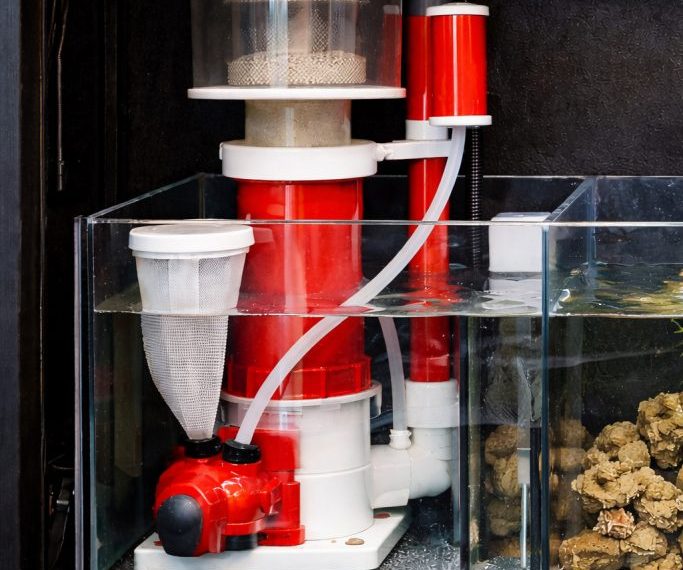
Protein Skimmer Reef Tank Guide
Learn how a protein skimmer works, how to size one, and how to tune it for a cleaner,…
 By
By
Reef Aquarium Water Parameters
Learn the ideal reef aquarium water parameters, safe ranges, and how to keep salinity, alkalinity, nutrients, and pH…
.jpg)