

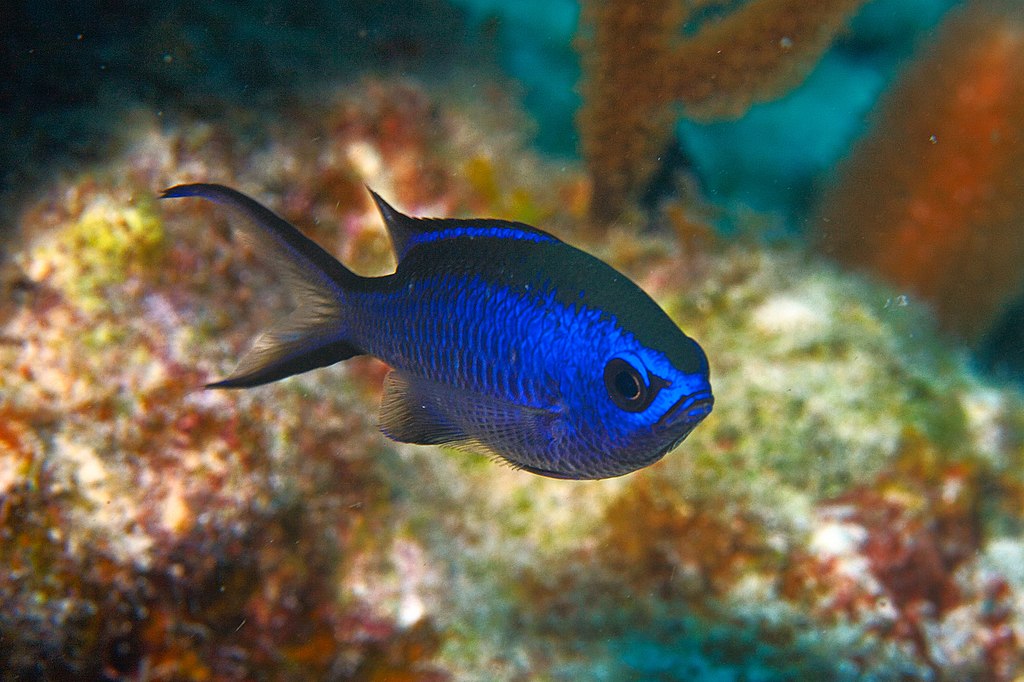
Blue Reef Chromis is a vivid Caribbean damselfish with active schooling behavior and strong reef appeal. It suits larger, established marine tanks best. Success depends on swimming room, stable water quality, smart stocking, and frequent feeding with varied meaty foods.
The Blue Reef Chromis, Chromis cyanea, is often overlooked beside more common green chromis. That is a mistake. This species offers electric blue color, constant motion, and a natural reef look that few fish can match. It is hardy once settled, but it is not a perfect beginner fish for every setup. It can become territorial, especially in cramped tanks or poorly planned groups. In this guide, you will learn how to keep Blue Reef Chromis successfully, how to choose tankmates, what they eat, and how to avoid the common mistakes that cause stress and aggression.
Quick Reference Care Table
| Common name | Blue Reef Chromis |
| Scientific name | Chromis cyanea |
| Family | Pomacentridae |
| Care level | Easy to moderate |
| Temperament | Semi-aggressive |
| Adult size | Up to 5 inches |
| Minimum tank size | 70 gallons for one, 125+ gallons for groups |
| Diet | Omnivore with strong preference for meaty planktonic foods |
| Reef safe | Yes |
| Temperature | 76-80°F |
| Salinity | 1.024-1.026 |
| pH | 8.1-8.4 |
| Nitrate | Preferably under 15 ppm |
| Ideal flow | Moderate to strong |
| Lighting | No special need; matched to reef setup |
Natural Habitat
Blue Reef Chromis comes from the tropical western Atlantic. It is found in the Caribbean, the Gulf region, and nearby Atlantic reefs. In nature, these fish hover above coral heads, rocky ledges, and reef slopes. They often stay in loose groups. They pick plankton from the water column and retreat quickly into structure when threatened.
This habitat explains much of their aquarium behavior. They want open water for swimming. They also need caves and branching rockwork for security. Fish that lack shelter often become skittish or aggressive. Their natural diet also explains why they do best with frequent small meals. They are built to feed often, not just once per day. When you copy their reef environment, they show better color, stronger feeding response, and calmer social behavior.
Appearance and Behavior
This species is striking under reef lighting. The body is bright blue to blue-green, often with darker edging on the fins. Healthy specimens look almost neon when they turn in the light. Juveniles are attractive, but adults become even more impressive with size and confidence.
Blue Reef Chromis is active all day. It spends much of its time in midwater. That makes it a great contrast fish in tanks with rock-dwelling gobies, blennies, or clownfish. However, many hobbyists assume all chromis are peaceful schoolers. That is not always true. Blue Reef Chromis can be pushy. Dominance issues often appear in small groups. In undersized tanks, weaker fish may be chased constantly. A single specimen often works well. A properly sized group can also work. The middle ground is where problems usually start.
Aquarium Setup
A single Blue Reef Chromis should have at least a 70-gallon aquarium. Bigger is better. For a group, start around 125 gallons, and use a long tank if possible. Swimming length matters more than height. These fish use open water heavily and do not enjoy cramped rock walls from end to end.
Build the aquascape with two goals in mind. First, leave open space in the front and upper water column. Second, provide several caves, arches, and retreat zones. This helps lower stress during social disputes. Stable live rock also supports pods and natural grazing behavior. Good filtration is important because active planktivores eat often and produce waste. Use a quality protein skimmer, strong biological filtration, and regular water changes. If you are planning a reef display, review your overall reef tank setup guide before adding active midwater fish.
Water Parameters and Stability
Blue Reef Chromis is reasonably hardy, but it still needs stable marine conditions. Aim for a temperature of 76 to 80 degrees Fahrenheit. Keep salinity between 1.024 and 1.026. Maintain pH from 8.1 to 8.4. Ammonia and nitrite must stay at zero. Nitrate should stay low, ideally under 15 ppm.
Stability matters more than chasing perfect numbers. Sudden salinity swings cause stress fast. Poor oxygen levels also cause trouble because this species is active and uses the upper water column. Strong surface agitation helps a lot. If your fish hide, breathe quickly, or stop feeding, test the water first. Many behavior problems begin with declining water quality. Hobbyists who are still learning marine chemistry should read this simple guide to reef tank water parameters. It helps connect fish behavior with real test results.
Lighting Requirements
Blue Reef Chromis does not need species-specific lighting. It adapts well to the lighting used for most fish-only systems and reef tanks. In mixed reefs, moderate to high reef lighting often makes its blue coloration look richer. The fish itself is not demanding about PAR. Coral placement matters far more than chromis placement.
What does matter is a consistent day and night cycle. Sudden lighting changes can startle this fish, especially after introduction. A ramp-up and ramp-down schedule helps reduce panic swimming. If your tank lights switch on abruptly, the fish may slam into rockwork. Dim acclimation periods help new arrivals settle. Floating acclimation boxes can also help if the fish seems nervous under bright lights. If you run a coral-heavy system, balance lighting for coral health first, then let the chromis enjoy the benefits of a bright display.
Water Flow
This species enjoys moderate to strong water movement. In nature, it hovers where currents bring suspended food. In the aquarium, good flow keeps oxygen high and waste suspended for filtration. It also encourages natural swimming behavior. The fish often faces into current and darts through open water.
Avoid one harsh stream with no relief areas. Instead, create broad, turbulent flow with calmer zones behind rockwork. This gives the fish choice. It can exercise in current and retreat when needed. Random flow patterns work well in reef systems. If your fish constantly hides in corners, the flow may be too chaotic, or aggression may be present. Always look at the whole setup before blaming one factor.
Feeding
Blue Reef Chromis is an eager feeder. It accepts many prepared foods once established. Offer small meaty items such as mysis shrimp, finely chopped seafood, enriched brine shrimp, copepod blends, and quality marine pellets. It will also take flakes, but flakes alone are not ideal long term.
Feed two to three small meals daily when possible. Frequent feeding matches its natural planktivore lifestyle. It also helps reduce aggression because hungry fish are often pushier. Rotate foods for balanced nutrition. Include vitamin-enriched options a few times each week. In a busy community tank, watch carefully during feeding. Faster fish can outcompete timid new chromis. A fish that misses meals declines quickly. If you want to improve overall diet quality in your system, this article on best reef fish food is a helpful next read.
Compatibility
Blue Reef Chromis is reef safe with corals and most invertebrates. It does not nip coral tissue and generally ignores shrimp, snails, and crabs. The main compatibility issue is fish aggression. It can hold its own with semi-aggressive reef fish, but it should not be mixed with very aggressive triggers, large hawkfish, or predatory groupers.
Good tankmates include tangs, fairy wrasses, many clownfish, gobies, blennies, cardinalfish, and reef-safe dwarf angels in suitable tanks. Be cautious with dottybacks and aggressive damsels. In small tanks, these combinations can become tense. If keeping more than one Blue Reef Chromis, add the group together. Odd-numbered groups sometimes spread aggression better, but tank size is still the key factor. Quarantine every new fish before introduction. That protects both the chromis and the rest of the reef. A strong marine fish quarantine guide can save months of trouble.
Step-by-Step Acclimation Guide
Acclimation is simple, but it should be deliberate. Stress at this stage often causes early losses.
- Prepare a quarantine tank before purchase. Match salinity and temperature closely.
- Dim the lights before opening the bag.
- Float the bag for 15 to 20 minutes to equalize temperature.
- Use drip acclimation if salinity differs noticeably.
- Transfer the fish without store water when possible.
- Observe breathing and swimming immediately after transfer.
- Offer a small meal later that day or the next morning.
- Watch for bullying if multiple fish were added together.
Quarantine for several weeks is ideal. It allows observation for parasites, bacterial issues, and feeding response before the fish enters the display tank.
Propagation and Spawning
Blue Reef Chromis is not commonly bred by home hobbyists, though spawning behavior is possible in large, stable systems. Like other damselfish relatives, they are egg layers. The male may prepare and guard a nesting site. Eggs are usually laid on a cleaned surface, then guarded until hatching.
The challenge is not getting eggs. The challenge is raising tiny larvae. They need very small live foods at the right stages, plus dedicated rearing systems. Most hobbyists focus on long-term care rather than breeding. If you observe pair formation, nest cleaning, or site defense, your fish are comfortable and well established. That alone is a good sign of husbandry success.
Common Problems
Why is my Blue Reef Chromis chasing tankmates?
The most common causes are crowding, too few hiding places, or too small a group in too little space. Feeding too little can also increase aggression. Rearrange rockwork if one fish claims a single territory. In severe cases, remove the bully or keep only one specimen.
Why is my Blue Reef Chromis hiding all the time?
Check for poor water quality, bullying, or recent introduction stress. New fish often hide for several days. Fast breathing suggests oxygen or ammonia issues. A fish that hides and refuses food needs close observation in quarantine.
Why did one fish disappear from the group?
This often happens in unstable social groups. Dominant fish may harass weaker ones until they decline. Jumping is another possibility. Use a tight lid or mesh screen. Always inspect overflows and floor areas if a fish vanishes suddenly.
Are Blue Reef Chromis prone to disease?
They can contract common marine diseases like ich, velvet, and bacterial infections. Wild-caught fish are especially vulnerable during shipping stress. Quarantine is the best defense. Do not medicate blindly. Observe symptoms and confirm the likely cause first.
Frequently Asked Questions
Is Blue Reef Chromis good for beginners?
Yes, in a mature tank with proper size and stable parameters. It is easier as a single fish than in a poorly planned group.
How many Blue Reef Chromis should I keep?
One works well in many tanks. Groups need much more space and careful stocking. Avoid small groups in undersized aquariums.
Will Blue Reef Chromis eat coral?
No. It is considered reef safe and does not normally bother coral tissue.
What is the minimum tank size?
Around 70 gallons for a single fish is a sensible minimum. Larger is strongly recommended, especially for active reef communities.
Can Blue Reef Chromis live with clownfish?
Usually yes. Most clownfish pair well with them in medium to large reef tanks, provided both species have space.
Final Thoughts
Blue Reef Chromis is a beautiful and rewarding reef fish when kept with intention. It is active, colorful, and reef safe. It also has more attitude than many hobbyists expect. Give it room, current, structure, and frequent feeding. Choose tankmates carefully. If you do, this Caribbean species can become one of the most eye-catching fish in your display.
Was this helpful?
Related Posts
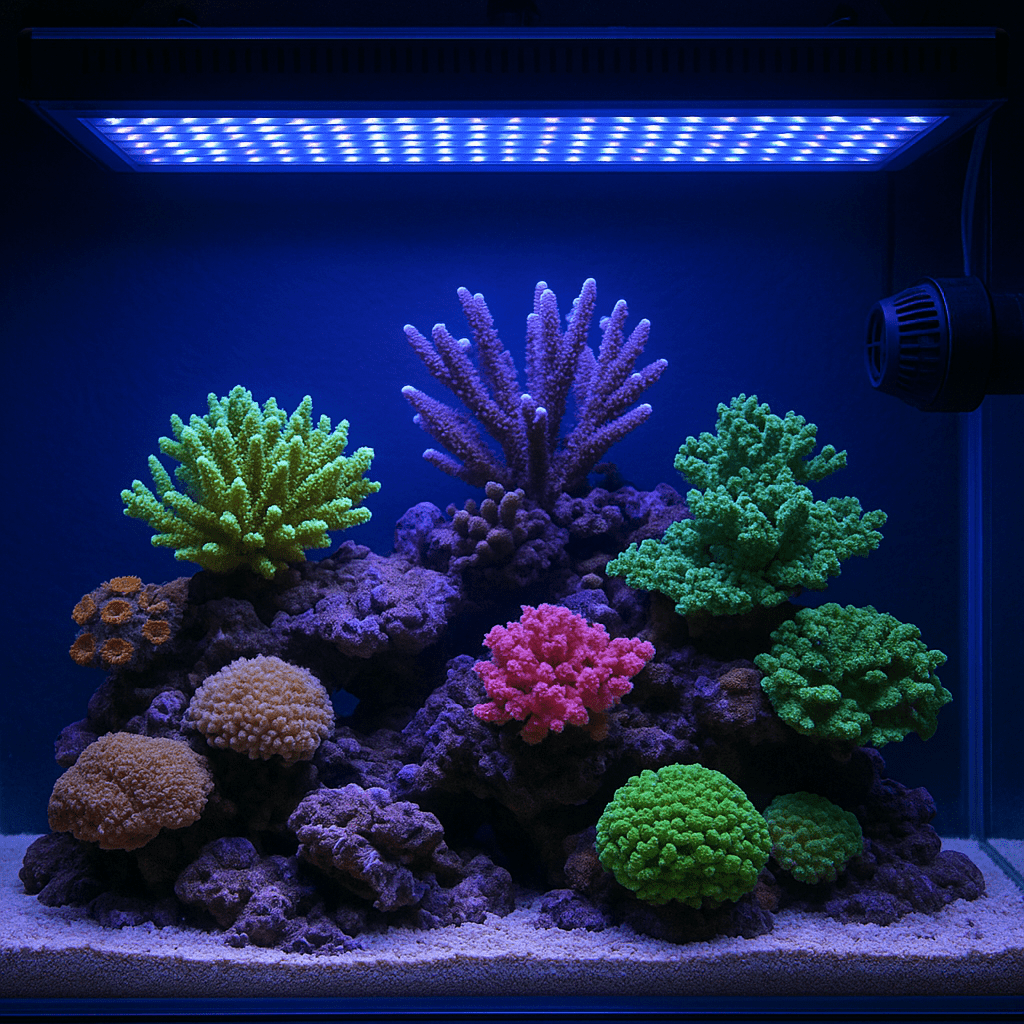
Reef Tank Basics
Learn reef tank basics, from setup and cycling to lighting, flow, and water chemistry, so your first reef…
 By
By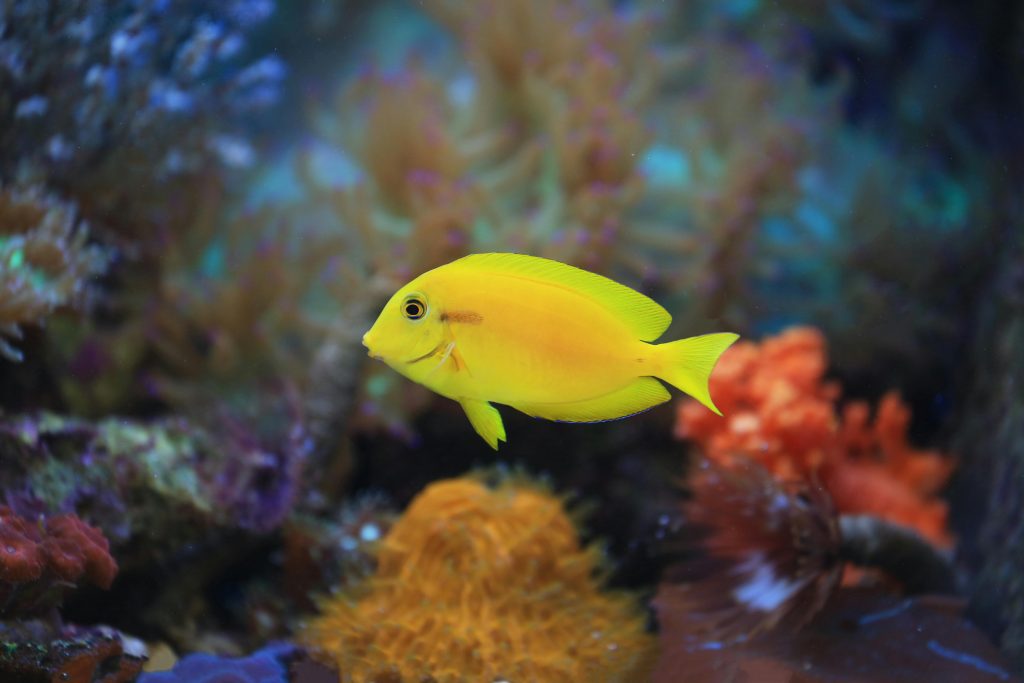
Juvenile Orange Shoulder (acanthurus Olivaceus)
Juvenile orange shoulder tangs are bright, hardy, and reef safe, but they grow large and need a spacious…
[favorite_button]
My Bookmarks:
To see full list click here
[user_favorites user_id="" include_links="true" site_id="" post_types="" include_thumbnails="true" thumbnail_size="thumbnail" include_excerpt="false"]