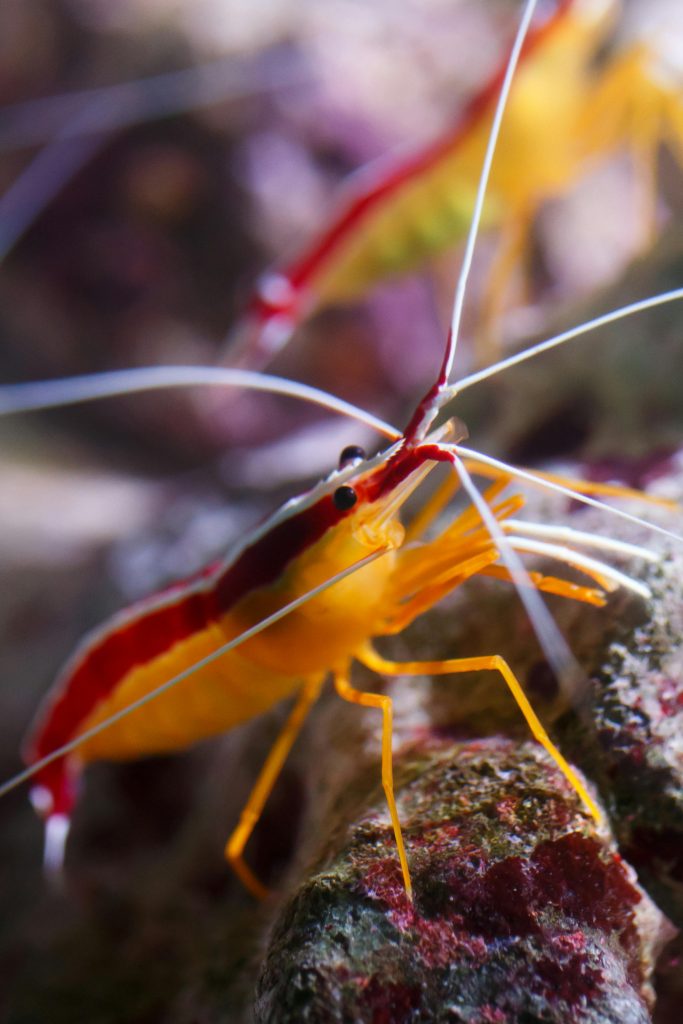
The Scarlet Skunk Cleaner Shrimp, Lysmata amboinensis, is one of the best reef-safe invertebrates for beginners. It is hardy, active, and useful. This shrimp cleans parasites and dead tissue from fish, adds movement to the tank, and usually adapts well to community reefs when water quality stays stable.
This guide covers care, feeding, compatibility, tank setup, and common problems. You will also learn how cleaner shrimp behave, how to acclimate them safely, and what conditions help them molt and thrive. If you want a helpful and attractive reef invertebrate, this species deserves a close look.
Quick Care Reference
| Common name | Scarlet Skunk Cleaner Shrimp |
| Scientific name | Lysmata amboinensis |
| Care level | Easy |
| Temperament | Peaceful |
| Reef safe | Yes |
| Adult size | 2 to 2.5 inches |
| Minimum tank size | 20 gallons |
| Diet | Omnivore and scavenger |
| Temperature | 75 to 79°F |
| Salinity | 1.024 to 1.026 |
| pH | 8.1 to 8.4 |
| Alkalinity | 8 to 11 dKH |
| Placement | Rockwork, caves, ledges, cleaning stations |
What Makes the Scarlet Skunk Cleaner Shrimp So Popular?
This shrimp is popular for good reason. It combines beauty with useful behavior. The bright red body, white dorsal stripe, and long white antennae stand out in almost any reef tank. It also spends much of the day in the open. That makes it easier to enjoy than many shy crustaceans.
Its most famous behavior is cleaning fish. Cleaner shrimp often set up a “cleaning station” on a rock ledge or cave entrance. Fish learn to visit that spot. The shrimp then picks at loose tissue, mucus, and tiny parasites. This behavior is fascinating to watch. It also helps create a more natural reef display.
That said, hobbyists should not treat cleaner shrimp as a cure for fish disease. They can assist with general hygiene, but they will not replace quarantine, observation, or proper treatment. For better fish health planning, see reef fish quarantine guide.
Natural Habitat
Lysmata amboinensis comes from the Indo-Pacific. It is found around coral reefs from the Red Sea to the Pacific islands. In nature, these shrimp live in crevices, under ledges, and among branching reef structures. They usually stay where fish can find them easily.
Wild cleaner shrimp often form cleaning stations in shallow reef zones. Reef fish approach them calmly and allow contact. This is a classic symbiotic relationship. The fish get grooming. The shrimp gets food and protection through recognition.
This habitat explains their aquarium needs. They prefer stable salinity, oxygen-rich water, and plenty of rockwork. They also like secure hiding places, especially after molting. A tank with natural caves and moderate flow suits them well. Replicating that environment reduces stress and improves survival after shipping.
Aquarium Setup
A 20-gallon reef can house one Scarlet Skunk Cleaner Shrimp. Larger tanks are even better. More water volume means better stability. Stability matters more than raw size with this species. Sudden salinity swings can kill shrimp quickly.
Build the aquascape with caves, overhangs, and protected ledges. The shrimp will often choose one area as its home base. It may hang upside down under rock shelves. It may also perch in a visible spot where fish can approach. Leave some open space around the rockwork so fish can visit the shrimp easily.
Use a tight lid if possible. Shrimp can climb equipment and may end up near overflow boxes. Cover pump intakes when needed. Avoid tanks with unstable cycling conditions. Ammonia and nitrite are dangerous. If you are still building your system, read how to cycle a reef tank before adding delicate invertebrates.
Lighting Requirements
Scarlet Skunk Cleaner Shrimp do not have strict lighting demands. They can live under soft coral lighting, mixed reef lighting, or stronger SPS systems. Light intensity matters less than access to shade. They should always have dim areas under rockwork.
In brighter tanks, these shrimp often stay under ledges during part of the day. That is normal. They usually become bolder at feeding time. Their colors often look best under balanced reef lighting with blue and white channels. The white stripe and antennae become especially visible.
Do not place them in a bare setup with no cover under intense light. They feel safer with structure nearby. Stress reduction is important during acclimation and after molts. If your reef uses powerful lighting for corals, just make sure the shrimp can retreat into shaded rockwork when needed.
Water Flow
Moderate flow works best. These shrimp like clean, oxygenated water, but they do not want to be blasted constantly. In strong flow zones, they may struggle to hold position. In weak flow zones, waste can collect and reduce water quality around their hiding spots.
A mixed reef pattern is ideal. Let the tank have random movement with calmer pockets in the rockwork. The shrimp will choose a comfortable perch. It often sits where current brings food particles but does not push it around. This is another reason natural aquascaping helps.
Watch behavior to judge flow. If the shrimp stays hidden all day, gets pushed off its perch, or avoids open areas, review your pump placement. If detritus settles heavily around its cave, flow may be too low. Good circulation also helps support stable reef chemistry. Learn more in reef tank water parameters.
Feeding
Cleaner shrimp are omnivores and opportunistic scavengers. They eat leftover fish food, meaty frozen foods, pellets, flakes, and bits of organic material from the rockwork. They may clean fish, but that behavior alone will not meet all nutritional needs. They still need regular feeding.
Feed small amounts several times each week. Offer mysis shrimp, finely chopped seafood, brine shrimp, or quality reef pellets. Target feeding with tongs or a turkey baster works well. The shrimp often grabs food quickly with its front legs and carries it away. That is normal behavior.
Do not overfeed. Excess food can fuel nutrients and algae. In busy community tanks, make sure the shrimp actually gets a share. Fast fish and aggressive crabs can steal meals. During and after molting, good nutrition becomes even more important. For broader nutrient control, see reef tank nitrate and phosphate control.
Compatibility
Scarlet Skunk Cleaner Shrimp are reef safe and peaceful. They usually coexist well with clownfish, gobies, blennies, tangs, wrasses that are shrimp-safe, and many other community fish. They also mix well with corals, snails, hermits, and other non-predatory invertebrates.
The biggest risk is predation. Avoid keeping them with hawkfish, lionfish, large predatory wrasses, triggers, puffers, and some dottybacks. Even fish that ignore them at first may attack after a molt, when the shrimp is soft and vulnerable. Large coral banded shrimp can also be aggressive toward them.
Many hobbyists keep cleaner shrimp in pairs. That can work very well in established tanks. In fact, this species is often more comfortable when not kept alone. Still, add them carefully and provide enough hiding spots. If you are planning a peaceful clean-up crew, also review best clean-up crew for reef tank.
Acclimation and Step-by-Step Introduction
Shrimp are sensitive to salinity and pH shifts. Slow acclimation is critical. Rushing this step causes many losses. Use this simple process for the best chance of success.
- Turn off bright lights before opening the bag.
- Float the sealed bag for 15 to 20 minutes.
- Open the bag and transfer the shrimp and water to a clean container.
- Use airline tubing for a slow drip acclimation.
- Drip tank water into the container for 45 to 90 minutes.
- Discard some water if the container gets too full.
- Gently move the shrimp into the tank with a specimen cup.
- Do not add store water to the aquarium.
- Keep lights dim for the rest of the day.
- Offer a small meal after it settles.
Always test salinity before adding shrimp. Many losses happen because store water and tank water differ too much. Stable conditions after introduction matter just as much as the acclimation itself.
Propagation and Breeding
Scarlet Skunk Cleaner Shrimp are fascinating breeders. Like other Lysmata species, they are simultaneous hermaphrodites. In simple terms, mature shrimp can function as both sexes. Paired individuals often carry eggs regularly in healthy aquariums.
Spawning Behavior
After molting, mating often occurs quickly. One shrimp may carry a visible mass of greenish eggs under the abdomen. These eggs develop over time and darken before hatching. In display tanks, larvae usually hatch at night.
Raising the Larvae
Raising larvae is difficult. They need separate rearing systems, gentle aeration, spotless water, and very small live foods. Most larvae do not survive in mixed reef displays because filtration and tankmates consume them. Breeding is possible, but it is an advanced project rather than a beginner goal.
Common Problems
Cleaner Shrimp Died After Molting
This is one of the most common issues. The likely causes are salinity swings, low iodine assumptions leading to overdosing, poor nutrition, or predation while the shrimp was soft. Do not dose iodine blindly. Regular water changes usually supply trace elements. Focus on stable salinity, good feeding, and safe tankmates.
Cleaner Shrimp Hides All the Time
Hiding usually means stress. Check for aggressive fish, excessive flow, recent introduction, or a coming molt. New shrimp often hide for a few days. If water quality is good and no predator is present, they usually become bolder with time.
Cleaner Shrimp Is Not Cleaning Fish
Not every shrimp cleans constantly. Some fish also ignore cleaning behavior. If the shrimp is eating well and acting normal, this is not always a problem. Cleaning is a natural behavior, not a guaranteed service schedule.
Cleaner Shrimp Was Attacked by a Fish
This usually points to poor compatibility. Review your stocking list carefully. Predatory wrasses, hawkfish, and larger carnivores are common culprits. The danger increases after lights out and during molts. If attacks continue, the shrimp may need relocation.
Frequently Asked Questions
How many Scarlet Skunk Cleaner Shrimp can I keep?
One is fine in smaller reefs. A pair works well in larger, peaceful tanks. Add more only if the aquarium is spacious and has many hiding spots.
Are Scarlet Skunk Cleaner Shrimp reef safe?
Yes. They are considered reef safe with corals and most invertebrates. They may steal food from corals during feeding, but they do not usually damage healthy coral tissue.
Do cleaner shrimp eat ich?
They may pick at mucus and loose material on fish, but they do not cure ich. Proper quarantine and treatment remain the correct approach for marine disease.
How often do cleaner shrimp molt?
Molting frequency varies by age, diet, and conditions. Healthy shrimp may molt every few weeks. Remove concern, not the molt shell. It is often mistaken for a dead shrimp.
Can Scarlet Skunk Cleaner Shrimp live with peppermint shrimp?
Sometimes, yes. Success depends on tank size, food availability, and hiding space. In smaller tanks, competition and territorial stress can become an issue.
Final Thoughts
The Scarlet Skunk Cleaner Shrimp is one of the most rewarding reef invertebrates you can keep. It is attractive, useful, and full of personality. Give it stable salinity, peaceful tankmates, secure rockwork, and regular feeding. In return, it will become one of the most visible and interesting animals in your reef.
For beginners, this shrimp is a smart first invertebrate after the tank matures. For experienced hobbyists, it remains a classic choice. Few reef animals combine function and beauty this well.
Was this helpful?
Related Posts
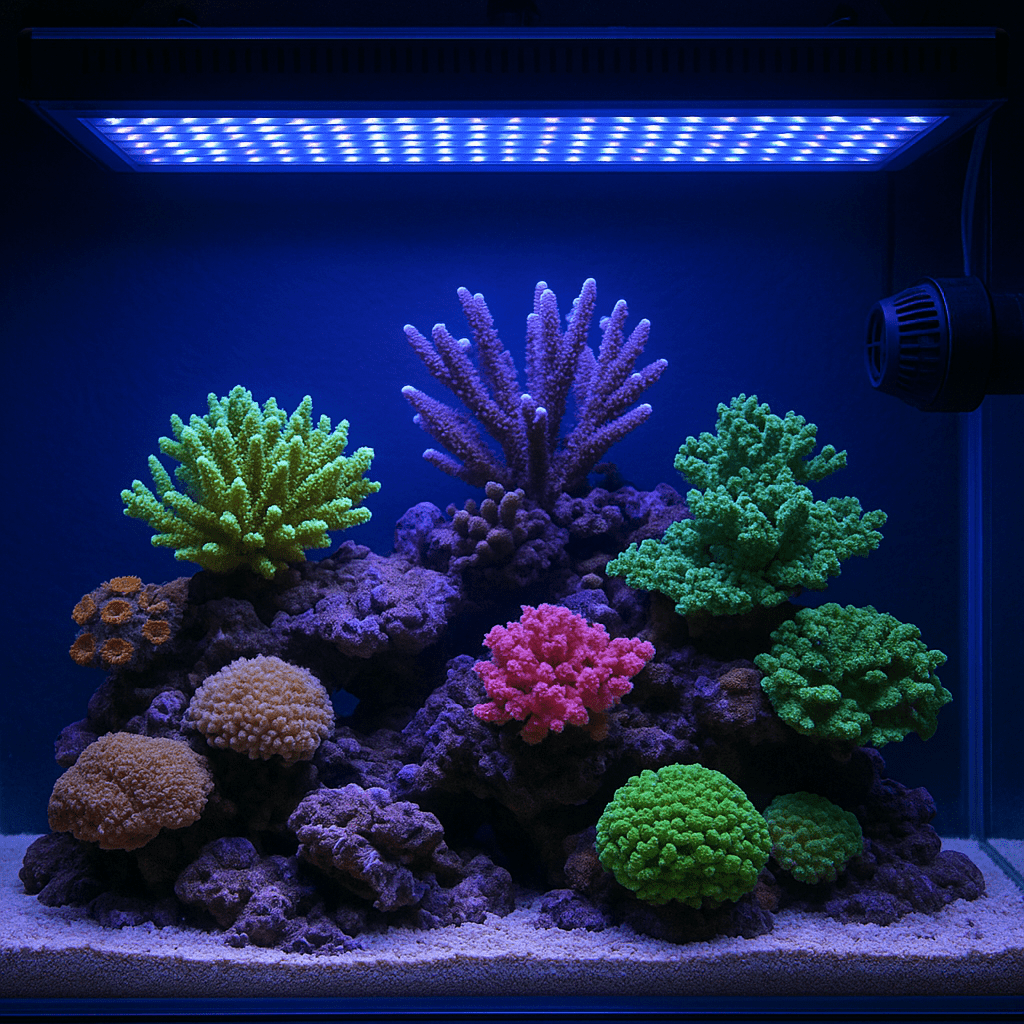
Choosing The Right Corals
Learn how to choose the right corals for your reef tank based on lighting, flow, tank size, and…
 By
ByNano Reef Stability Tips
Nano reef stability depends on consistency. Learn how to control salinity, nutrients, feeding, and maintenance in small reef…