Bristleworms are common reef tank hitchhikers. Most are helpful scavengers, not dangerous pests. The key is learning which worms are harmless, which ones can cause problems, and when removal actually makes sense.
Many reef keepers panic after spotting a long, bristly worm in the rockwork. That reaction is understandable. These worms look strange, and they often appear after lights out. In most aquariums, though, bristleworms play a useful role. They eat leftover food, dead tissue, and other waste that would otherwise break down in the tank. This makes them part of the clean-up crew, even if they were never invited. In this guide, you will learn what bristleworms are, how to identify the good and bad types, how they behave in reef aquariums, and what to do if their numbers get out of control.
Quick Reference Table
| Common Name | Bristleworms |
| Scientific Group | Mostly polychaete worms |
| Reef Safe | Usually yes, depending on species |
| Primary Role | Scavenger and detritus eater |
| Typical Size | 1 to 12 inches, sometimes larger |
| Diet | Leftover food, detritus, dead tissue |
| Activity | Mostly nocturnal |
| Main Risk | Overpopulation, stings, rare predatory species |
| Removal Needed? | Only if numbers explode or harmful species appear |
This quick chart covers the basics. The real challenge is identification. Not every worm with bristles is a problem. In fact, most are beneficial in a balanced reef system.
What Are Bristleworms?
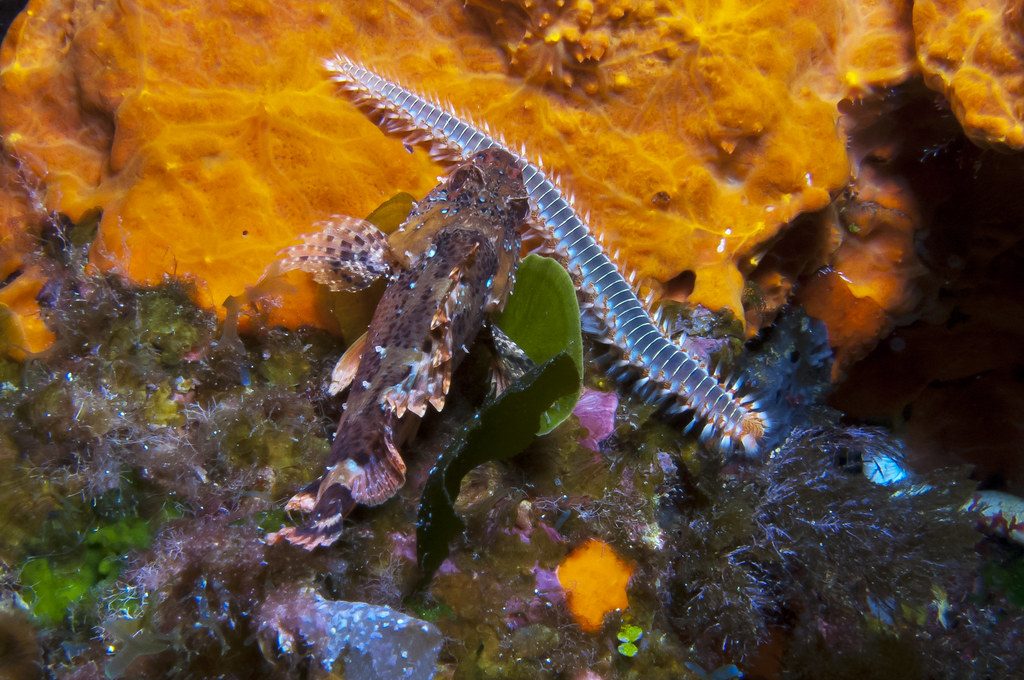
Bristleworms are segmented marine worms in the polychaete group. They have rows of tiny bristles along their sides. Those bristles help them move and protect them from predators. In aquariums, they usually arrive as hitchhikers on live rock, coral frags, or macroalgae.
Most bristleworms stay hidden during the day. They emerge at night to search for food. You may see them stretch from holes in the rock or glide across the sand bed. Their bodies are often pink, tan, gray, orange, or reddish brown. Many harmless species have a flatter body and short white bristles.
The name “bristleworm” is broad. It covers many species. This is why hobby advice can seem confusing. One reefer may praise them. Another may call them pests. Both can be right, depending on the worm involved. In most home aquariums, the common small scavenging species are useful. They help process waste and support a healthier biological system.
Natural Habitat
Bristleworms occur in oceans around the world. They live in coral reefs, lagoons, seagrass beds, mangroves, and sandy bottoms. Many species hide in crevices, rubble, and sediment during the day. At night, they leave shelter to feed.
On wild reefs, these worms are part of the clean-up chain. They consume decaying organic matter before it fouls the environment. Some species also burrow through sand and rubble. This movement helps stir detritus and improves oxygen exchange in the substrate.
Because they are so common in reef zones, it is no surprise that they enter aquariums on live rock. A healthy reef tank often mirrors this natural biodiversity. Tiny worms, pods, snails, and bacteria all work together. Bristleworms are one piece of that larger system. Their presence alone does not mean something is wrong. It often means your tank contains active microfauna, which is usually a good sign.
Are Bristleworms Good or Bad in a Reef Tank?
Most bristleworms are beneficial. They eat uneaten food, fish waste, and dead material. This reduces nutrient spikes and helps prevent waste from rotting in hidden areas. In tanks with heavy rockwork, they can reach places snails and crabs cannot.
They are not perfect. Large populations often point to overfeeding or excess detritus. If you see dozens of worms at feeding time, your tank may be producing more waste than the clean-up crew can handle. The worms are responding to available food. They are not creating the problem by themselves.
There are also exceptions. Fireworms, especially larger predatory types, can irritate corals and attack weak invertebrates. These are less common than harmless scavengers, but they do exist. The goal is not to remove every worm. The goal is to identify whether your worms are ordinary scavengers or true pests. In most cases, a few to many small bristleworms are normal and useful in a mature reef aquarium.
How to Identify Harmless Bristleworms vs Fireworms
Harmless bristleworms are usually thin or moderately thick. They are pink, tan, gray, or dull red. Their bristles are visible but not dramatic. They move quickly into holes when exposed to light. These worms usually scavenge and avoid healthy livestock.
Problem fireworms often look more striking. They may have a thicker body, brighter coloration, and more obvious tufts of white bristles. Some have a greenish, reddish, or orange sheen. The notorious bearded fireworm can grow large and has a more robust appearance than common scavengers.
Behavior matters too. If a worm is found on a dying coral, it may only be cleaning up dead tissue. That does not prove it caused the damage. Look for repeated signs. Is the worm consistently bothering healthy coral flesh? Is it attacking clams or snails? Is it unusually large and bold? Accurate identification prevents unnecessary panic. If possible, observe the worm at night and compare it to trusted reef references before deciding on removal.
Aquarium Setup and Population Control
Bristleworms do not need a special setup. If your reef tank has live rock, sand, and regular feeding, they can thrive. They prefer crevices, caves, and protected zones where food particles collect. Mature tanks with lots of biodiversity usually support larger populations.
The best way to control numbers is indirect. Feed less. Remove detritus during maintenance. Clean mechanical filtration often. Siphon waste from low-flow areas. If excess food enters the tank every day, bristleworms will multiply to match that resource.
A balanced aquascape also helps. Strong random flow keeps waste suspended so the filtration system can remove it. Dead spots behind rocks often become worm hotspots. This does not mean the worms are bad. It means organic debris is collecting there. Stable nutrient management matters more than chasing every worm you see. If the tank is clean and feeding is controlled, populations usually settle at a natural level over time.
Feeding and Behavior
Bristleworms are mostly opportunistic scavengers. They eat leftover fish food, decaying algae, dead snails, and dying tissue. Some species consume detritus trapped in sand and rock pores. This makes them efficient recyclers in reef aquariums.
They are usually nocturnal. After the lights go out, they become much more visible. You may notice them extending from the rock during feeding. This is normal. They detect food quickly and gather where particles settle. A sudden increase in visible worms often follows heavier feeding.
Do not target feed them. There is no benefit in doing so. If you intentionally feed the worms, their population may grow too fast. Instead, let them survive on normal tank waste. In a healthy reef, that is enough. Their role is support, not centerpiece livestock. If you enjoy observing your tank after dark, they can actually be a fascinating part of the clean-up ecosystem.
Compatibility
Most common bristleworms are compatible with reef fish, corals, snails, and shrimp. They do not usually attack healthy animals. They spend much of their time hidden and emerge mainly to scavenge. For many tanks, they are quietly helpful and rarely noticed.
Problems can arise with very large worms or predatory fireworm species. These may irritate soft corals, LPS corals, clams, or weakened invertebrates. Still, this is far less common than hobby forums suggest. Many reports involve worms feeding on tissue that was already dying.
Be careful when adding predators just to remove worms. Some wrasses, dottybacks, arrow crabs, and coral banded shrimp may eat small worms. They may also harass other tankmates. Never add a fish or crab solely for pest control unless it fits your stocking plan. Good compatibility decisions should support the whole reef, not just one issue. For more on peaceful stocking, see: reef safe fish, clean up crew, coral compatibility, live rock biodiversity.
Step-by-Step: What to Do If You Have Too Many Bristleworms
First, confirm that the worms are actually common bristleworms and not a harmful fireworm species. Use night observations and photos if possible. Correct identification should always come before removal.
Second, review feeding habits. Cut back slightly if food is reaching the sand or rockwork uneaten. Feed smaller portions. Watch how much your fish consume within a minute or two.
Third, improve maintenance. Siphon detritus during water changes. Clean filter socks and cups more often. Blow debris from the rockwork before water changes. This removes the food source that supports large worm populations.
Fourth, trap or manually remove only the largest problem worms. Use tweezers, forceps, or a worm trap. Wear gloves. Never grab them with bare hands.
Fifth, avoid overreacting. Removing every worm is unnecessary and usually impossible. Focus on nutrient control. That approach works better and causes less disruption to the reef.
Common Problems
Why are there suddenly so many bristleworms?
This usually points to excess food or waste. Heavy feeding, dirty sand, and low-flow zones all support population growth. Reduce feeding, improve flow, and siphon detritus. The population should decline gradually.
Are bristleworms killing my coral?
Usually no. Most worms feed on tissue that is already damaged or dying. Check water chemistry, flow, lighting, and pests first. If the coral declined before the worm appeared, the worm is likely a scavenger, not the cause.
What happens if a bristleworm stings you?
The bristles can lodge in your skin and cause burning or itching. Remove visible bristles with tape or tweezers. Rinse the area well. Gloves are the best prevention. Reactions vary, so seek medical advice if symptoms are severe.
Should I remove every bristleworm from my tank?
No. That is rarely needed. Small populations are beneficial. Total removal also removes part of your clean-up system. Target only unusually large or clearly harmful worms.
Why do I only see them at night?
Bristleworms are mainly nocturnal. They avoid bright light and daytime predators. Seeing them after lights out is normal behavior, not a warning sign by itself.
Propagation or Reproduction
How bristleworms multiply in aquariums
Bristleworms reproduce readily when food is abundant. Some species spawn, while others can regenerate from damaged segments. In practical terms, hobbyists notice this as a slow increase in worm numbers over time.
Why reproduction speeds up
Extra nutrients drive growth. A tank with heavy feeding and trapped detritus provides ideal conditions. If you want fewer worms, reduce available waste. Population control starts with husbandry, not chemicals.
Frequently Asked Questions
Are bristleworms reef safe?
Most are reef safe. Common small scavenging species are usually beneficial. Only a few larger fireworm types are true concerns.
Do bristleworms clean the tank?
Yes. They help consume leftover food and decaying material. They are part of the natural clean-up crew in many reef tanks.
Can fish eat bristleworms?
Some fish do. Certain wrasses and dottybacks may eat smaller worms. Results vary, and predator additions should fit the tank long term.
Do bristleworms live in the sand bed?
Yes. Many live in sand, rubble, and rock crevices. They often emerge from the substrate at night to feed.
Should beginners worry about bristleworms?
Usually not. Beginners should focus more on stable parameters, careful feeding, and regular maintenance. Most bristleworms are helpers, not threats.
Was this helpful?
Related Posts
What is a Chaeto Reactor, and How Does it Help Control Nutrients?
A chaeto reactor grows macroalgae in a sealed chamber to remove nitrate and phosphate, helping reef tanks control…
 By
By
What is a Propagation Tank, and How Do Reef Hobbyists Use it to Grow Coral Frags?
A propagation tank is a dedicated coral grow-out system. It helps reef hobbyists heal, organize, and multiply coral…