

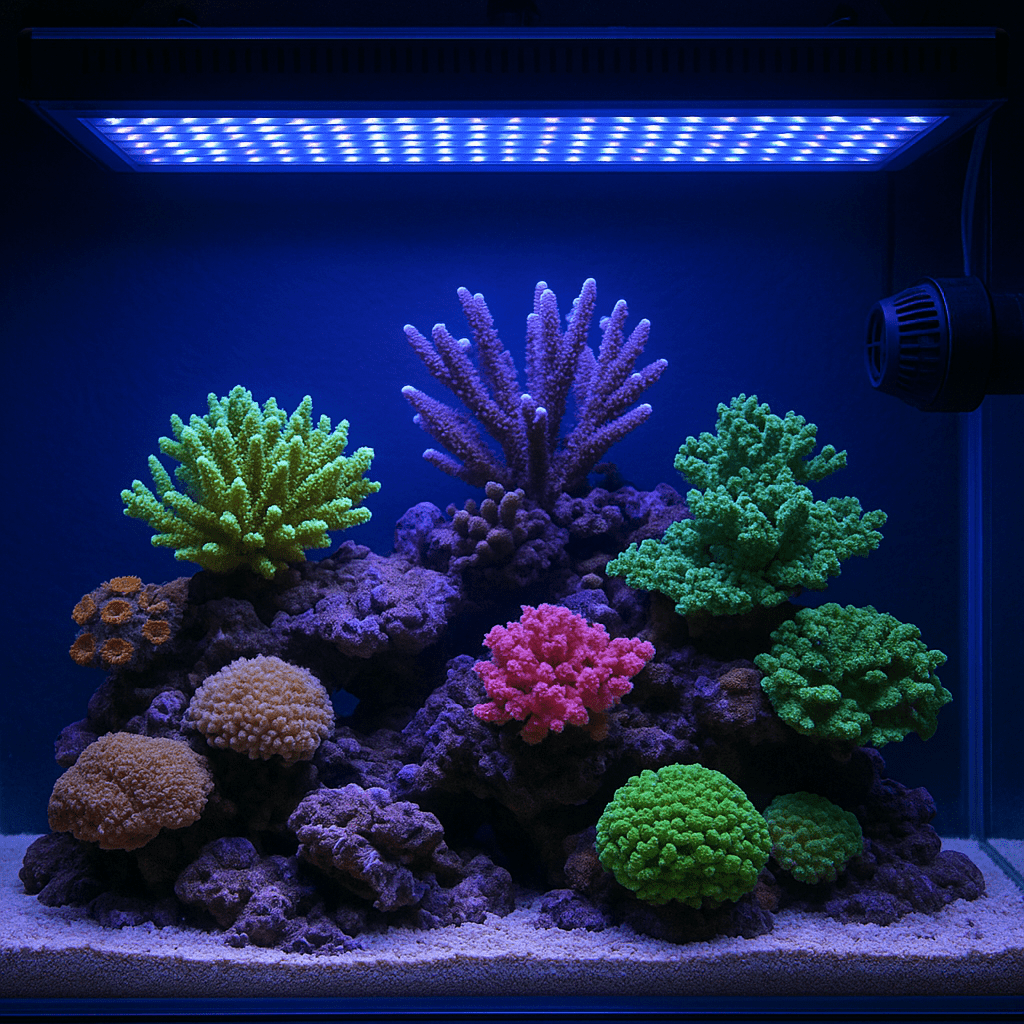
Clove polyps corals are soft corals with feathery tentacles and fast growth. They are attractive, hardy, and often beginner friendly. They do best in stable reef tanks with moderate light, moderate flow, and regular nutrient control. Their beauty is easy to enjoy, but their spreading habit needs planning.
In this guide, you will learn how to keep clove polyps healthy long term. We will cover lighting, flow, feeding, placement, compatibility, and common problems. You will also learn why some reef keepers love them, while others remove them. Good care starts with understanding both their strengths and their risks.
Quick Reference Table
| Common name | Clove Polyps |
| Scientific group | Clavularia spp. and related soft polyps |
| Care level | Easy to moderate |
| Temperament | Peaceful but invasive |
| Lighting | Low to moderate, sometimes moderate to high |
| Flow | Moderate, indirect, varied |
| Placement | Isolated rock or lower to middle areas |
| Feeding | Mostly photosynthetic, benefits from fine foods |
| Growth rate | Moderate to fast |
| Best for | Mixed reefs with controlled placement |
This table gives a quick snapshot, but success depends on stability. Clove polyps can tolerate a range of conditions. They still respond poorly to sudden changes. Stable salinity, temperature, alkalinity, and nutrient levels matter more than chasing exact numbers. That is especially true in younger tanks.
What Are Clove Polyps Corals?
Clove polyps are colonial soft corals. Each polyp has a slender stalk and flower-like tentacles. Many varieties show eight feathery tentacles. That gives them a soft, waving look in current. Colors range from tan and brown to green, blue, purple, and metallic shades.
They are often sold under several common names. These names can overlap in the hobby. Care is similar across many forms, but growth habits can differ. Some stay manageable. Others spread over rockwork very quickly. That is why identification at purchase matters.
Many hobbyists choose clove polyps for movement. They add life to a reef without requiring difficult care. They also fill empty space fast. That can be helpful in new aquascapes. It can also become a problem in small tanks or packed mixed reefs.
Natural Habitat
Clove polyps occur in tropical marine environments. They are found in shallow reef zones and lagoon areas. Many grow attached to hard surfaces like rock, rubble, or reef framework. In nature, they receive changing current and bright filtered sunlight.
These habitats usually have stable salinity and warm temperatures. Water movement brings oxygen, removes waste, and delivers suspended food. That helps explain their aquarium needs. They prefer steady conditions and enough flow to keep detritus from settling between polyps.
Natural reefs also offer space for colonies to expand. In aquariums, that same growth can create competition. Understanding their habitat helps with placement. Give them room, but contain them from the start. That single decision can prevent future frustration.
Aquarium Setup
Clove polyps can live in nano reefs, but larger tanks offer more control. A stable tank of 20 gallons or more is a safer starting point. In very small systems, swings in salinity and nutrients happen faster. Soft corals often react by staying closed or shedding mucus.
Placement matters as much as tank size. The best method is an isolated island rock. Keep that rock separated from the main structure. This helps limit spreading. If you place clove polyps on your main aquascape, expect them to move into nearby gaps over time.
Use mature live rock or a well-cycled reef. Avoid adding them to unstable tanks with new parameter swings. Keep temperature around 76 to 78 degrees Fahrenheit. Maintain salinity near 1.025. Aim for alkalinity around 8 to 9 dKH. Nitrate and phosphate should be present but controlled. Ultra-clean systems can cause poor extension.
If you are still building your system, see our reef tank setup guide. It helps beginners avoid common early mistakes.
Lighting Requirements
Clove polyps usually prefer low to moderate light. Many adapt well to moderate reef lighting. Start lower if you are unsure. Then increase slowly if color or extension looks weak. Sudden jumps in intensity can cause retraction and stress.
A practical PAR range is often around 50 to 150. Some strains tolerate more. That depends on the exact coral and how it was grown. Frags from dim systems may bleach under strong LEDs. Acclimation is the key. Use light reduction settings or move the coral upward over several weeks.
Watch the coral closely. Healthy polyps open fully and sway gently. Bleaching, shrinking, or staying closed can signal excess light. Dull color and stretching may suggest too little light. Make one change at a time. Fast adjustments make diagnosis harder.
For a deeper look at reef lighting basics, read our reef aquarium lighting guide. It explains PAR, spectrum, and coral acclimation in simple terms.
Water Flow
Moderate, indirect flow works best for most clove polyps. They enjoy movement, but not a harsh blast. Strong direct flow can keep polyps closed. Weak flow lets debris settle on the mat. That can lead to irritation and algae growth.
The ideal pattern is varied and random. A gentle swaying motion is a good sign. If the tentacles whip violently, reduce the current. If the colony looks limp and collects waste, increase flow slightly. Small changes often make a big difference.
Good flow also helps with gas exchange and waste removal. That is important in mixed reefs with many soft corals. Soft corals release mucus and chemical compounds. Proper circulation and filtration help dilute those substances and keep the tank cleaner.
Feeding
Clove polyps rely mostly on photosynthesis. Their symbiotic algae provide much of their energy. That means direct feeding is not always required. In many tanks, they grow well without target feeding. Still, they may benefit from occasional fine particulate foods.
You can offer phytoplankton, reef roids, powdered coral foods, or other micro foods in small amounts. Feed lightly once or twice each week. Turn off strong pumps briefly if needed. Avoid overfeeding. Excess food raises nutrients and fuels nuisance algae.
Fish waste and dissolved organics also support soft coral growth. That is why clove polyps often do well in tanks with moderate nutrient levels. If your reef runs very lean, the colony may open less fully. Balanced nutrients usually produce better extension and color.
If you struggle with nutrient balance, our reef tank water parameters guide explains practical target ranges.
Compatibility
Clove polyps are peaceful in the usual sense. They do not sting aggressively like some LPS corals. Their main issue is overgrowth. They can spread across nearby rock and crowd slower corals. This is the real compatibility concern in mixed reefs.
They usually coexist well with reef-safe fish and most invertebrates. Avoid fish known to nip soft corals, though this is uncommon. Shrimp, snails, and crabs rarely bother healthy colonies. Problems usually come from placement, not livestock aggression.
Give space between clove polyps and zoanthids, mushrooms, and encrusting corals. Fast growers can create long-term battles for territory. Running activated carbon helps in tanks with many soft corals. It can reduce chemical warfare and improve overall clarity.
If you keep a mixed reef, our best soft corals for beginners article can help you choose compatible species.
Propagation and Fragging
How Clove Polyps Spread
Clove polyps usually spread by extending a mat or stolon across hard surfaces. New polyps appear as the colony grows outward. This makes propagation simple. It also explains why they can become invasive. A small frag can become a large patch in a short time.
How to Frag Them Safely
Fragging is usually easy. Remove the rock if possible. Use a sharp blade or coral scissors to separate a small section of the mat. Attach the frag to rubble or a plug with reef-safe glue, mesh, or a rubber band method. Gentle handling works best. Do not crush the tissue.
Aftercare for New Frags
Place fresh frags in moderate flow and lower light at first. This reduces stress. Most reopen within a few days if conditions are stable. Watch for detachment, slime, or prolonged closure. Stable salinity and clean water improve recovery. Wear gloves when handling corals, and wash hands after fragging.
Common Problems
Why Are My Clove Polyps Closed?
Closed polyps usually point to stress. Check for sudden changes in salinity, alkalinity, temperature, or lighting. Inspect flow at the colony. Too much or too little current can cause retraction. Also look for detritus, sand, or algae covering the mat. If you recently moved the coral, give it several days to adjust.
Why Are They Melting or Receding?
Recession often comes from unstable parameters, poor water quality, or physical damage. Test alkalinity, nitrate, and phosphate. Extremely low nutrients can hurt soft coral health. Bacterial issues are less common, but damaged tissue can decline fast. Improve stability first. Avoid making many corrections at once.
Why Are They Spreading Too Fast?
This is a common complaint. Healthy clove polyps can overrun rockwork. Remove small sections early. Do not wait until they reach prized corals. Isolated islands make control much easier. Some reef keepers use kalk paste or careful manual removal on unwanted patches, but regrowth is common if tissue remains.
Why Is Algae Growing Between the Polyps?
Algae usually means low flow, excess nutrients, trapped detritus, or weak coral health. Increase indirect flow slightly. Siphon debris during water changes. Review feeding and filtration. If the colony is shaded, improve placement. Healthy, open colonies resist algae buildup better than stressed ones.
Step-by-Step Care Tips for Long-Term Success
- Choose a healthy frag with open polyps and no algae on the base.
- Dip the coral if needed, following the product directions carefully.
- Place it on an isolated rock to control future spreading.
- Start in low to moderate light and moderate indirect flow.
- Keep salinity and temperature stable every day.
- Test alkalinity, nitrate, and phosphate regularly.
- Feed lightly only if your tank runs very clean.
- Trim unwanted growth early before it reaches other corals.
- Run carbon in mixed reefs to reduce soft coral chemicals.
- Observe daily and change only one variable at a time.
Frequently Asked Questions
Are clove polyps good for beginners?
Yes, in many cases. They are hardy and adaptable. Their biggest challenge is controlling spread. Beginners who plan placement carefully often do well with them.
Do clove polyps need feeding?
Usually not every day. They are mainly photosynthetic. Occasional fine foods can help, especially in low nutrient systems.
Can clove polyps sting other corals?
They are not strong stingers. Their main threat is overgrowth. They can crowd and shade nearby corals over time.
How fast do clove polyps grow?
Growth is usually moderate to fast under stable conditions. Nutrients, light, and placement affect the speed. Some strains spread much faster than others.
Can I keep clove polyps in a nano reef?
Yes, but containment is harder in small tanks. Use an isolated rock and watch growth often. Stability is also more difficult in nano systems.
Final Thoughts
Clove polyps corals are beautiful, active, and easy to enjoy. They bring motion and texture to a reef tank. They also tolerate a wide range of conditions when the tank is stable. For many hobbyists, they are a rewarding soft coral.
The most important lesson is simple. Treat them as a coral that needs boundaries. Give them moderate light, moderate flow, and room to grow. Keep nutrients balanced and parameters steady. If you do that, clove polyps can thrive without taking over your reef.
Was this helpful?
Related Posts
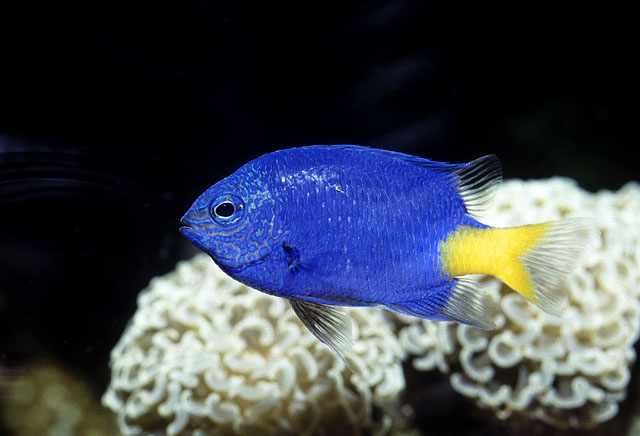
Yellowtail Damselfish (Chrysiptera Parasema)
Yellowtail Damselfish are hardy, colorful, and reef safe, but they can be territorial. Learn their care, feeding, tank…
 By
ByWater Chemistry Basics
Water chemistry basics are the foundation of reef success. Learn the key parameters, target ranges, and simple ways…
[favorite_button]
My Bookmarks:
To see full list click here
[user_favorites user_id="" include_links="true" site_id="" post_types="" include_thumbnails="true" thumbnail_size="thumbnail" include_excerpt="false"]