

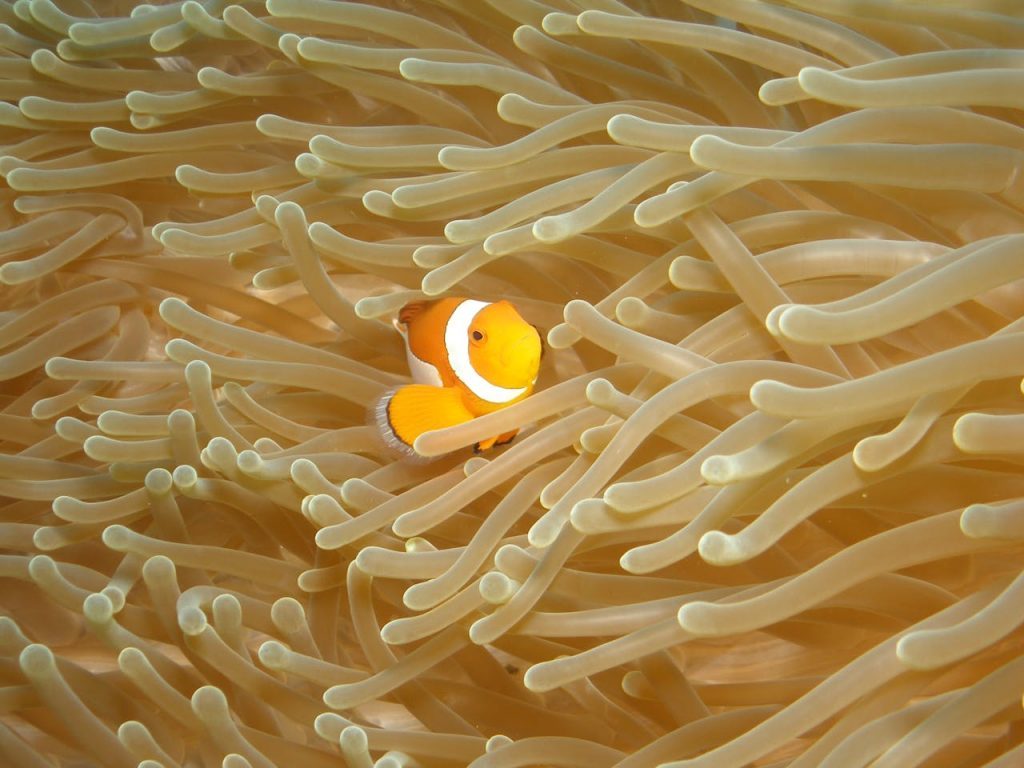
Clownfish are hardy, colorful, and beginner-friendly marine fish. They do best in stable reef tanks with peaceful tankmates, quality food, and consistent water parameters. Most species stay small, accept prepared foods, and adapt well to aquarium life when quarantine and acclimation are done carefully.
In this clownfish care guide, you will learn how to choose the right tank, set up a safe environment, feed clownfish properly, and avoid common mistakes. We will also cover behavior, compatibility, breeding basics, and troubleshooting. Whether you want a single clown, a bonded pair, or a reef-safe community fish, this guide will help you keep clownfish healthy for years.
Clownfish Care Quick Reference
| Common Name | Clownfish, anemonefish |
| Scientific Group | Amphiprion and Premnas species |
| Care Level | Easy to moderate |
| Minimum Tank Size | 20 gallons for a pair of smaller species |
| Temperament | Peaceful to semi-aggressive |
| Diet | Omnivore |
| Reef Safe | Yes |
| Temperature | 76-80°F |
| Salinity | 1.024-1.026 specific gravity |
| pH | 8.1-8.4 |
| Lifespan | 5-10+ years |
| Best Kept As | Single fish or bonded pair |
Clownfish are among the best saltwater fish for beginners. They are widely available and captive-bred. That matters because captive-bred clownfish usually ship better and adapt faster. They also accept pellets and frozen foods with little trouble.
Natural Habitat
Clownfish live in the warm Indo-Pacific. They occur around reefs, lagoons, and sheltered coastal areas. In nature, many species live close to host anemones. The anemone gives protection from predators. The clownfish returns nutrients and helps defend the host.
Not every clownfish species uses every anemone species. These relationships are specific in the wild. In aquariums, clownfish may host anemones, large-polyp corals, powerheads, or even a corner of the tank. This is normal behavior. It does not mean they need an anemone to survive.
Understanding their habitat helps with care. Clownfish prefer stable conditions over constant change. They are not open-water swimmers like tangs. They usually claim a small territory and stay near it. That makes them ideal for smaller reef tanks, as long as aggression is managed.
Best Clownfish Species for Home Aquariums
The most common species are the ocellaris clownfish and the percula clownfish. Ocellaris are often the best beginner option. They are hardy, widely bred, and usually less aggressive. Perculas look similar but often have thicker black edging and a slightly different body shape.
Tomato, cinnamon, and maroon clownfish are also popular. These species are bolder and often more aggressive. Maroon clownfish especially can become territorial as adults. They are beautiful fish, but they are not always the best choice for peaceful community reefs.
If you are new to reef keeping, start with a captive-bred ocellaris pair. Designer morphs are also common. Snowflake, black ocellaris, and Picasso variants can all be good choices. Focus on health and temperament first. Pattern should come second.
Aquarium Setup
A 20-gallon tank works for a pair of smaller clownfish. Larger tanks give more stability and more options for tankmates. A 30 to 40-gallon breeder is an excellent long-term choice. It offers enough room for rockwork, coral placement, and territory separation.
Use porous live rock or quality dry rock. Build caves and visual breaks. Clownfish do not need huge swimming lanes. They need secure areas and a place to claim. Avoid sharp decor. Clownfish often sleep near rock, coral, or their chosen host.
Strong filtration helps, but stability matters most. Run a protein skimmer if possible. Use a heater with a controller or reliable thermostat. Keep salinity stable with an auto top-off. Sudden salinity swings stress clownfish and weaken disease resistance. A lid or mesh top is wise because clownfish can jump during fights or sudden scares.
If you want an anemone, wait until the tank is mature. Six months is a common minimum. Many hobbyists wait longer. Anemones need stable nutrients, strong light, and consistent chemistry. Clownfish do not require one, so do not rush this step.
Water Parameters and Stability
Clownfish tolerate a range of conditions, but they thrive in stable water. Aim for a temperature of 76 to 80°F. Keep salinity between 1.024 and 1.026. Maintain pH from 8.1 to 8.4. Ammonia and nitrite should always be zero.
Nitrate should stay low, though clownfish are not as sensitive as some corals. In mixed reefs, many hobbyists target nitrate between 5 and 15 ppm. Phosphate should remain controlled but not stripped out completely. Sudden swings cause more trouble than slightly imperfect numbers.
Perform regular water changes. Test salinity often. Match temperature and salinity before adding new water. Many clownfish problems begin with stress. Stress often starts with unstable parameters, poor acclimation, or aggression. Good habits prevent most issues before they appear. For more on stability, see water chemistry basics and reef tank cycling.
Lighting Requirements
Clownfish do not have special lighting needs. They adapt to most reef aquarium lighting schedules. The main concern is the needs of the tank itself. If you keep corals or anemones, choose lighting based on those animals first.
Very intense light can make newly added clownfish hide at first. This is common in bright SPS systems. Use a normal ramp-up and ramp-down schedule if your fixture allows it. A consistent day and night cycle reduces stress. Avoid sudden changes in photo period.
If clownfish host a coral, watch the coral closely. Some LPS corals stay irritated from constant rubbing. In those cases, you may need to adjust placement. For broader reef planning, see reef tank lighting guide.
Water Flow
Moderate flow is ideal for clownfish. They can handle stronger movement, but they do not enjoy being blasted all day. In most reef tanks, they stay in calmer zones behind rock or near a host coral or anemone.
Create varied flow across the tank. This benefits corals and gives clownfish choices. Avoid direct powerhead streams aimed at their sleeping area. Also protect pump intakes. Small clownfish can get injured if they investigate uncovered equipment.
If your clownfish constantly struggle to swim, the flow may be too harsh. If waste settles everywhere, flow may be too weak. Balance is the goal. For more detail, see reef aquarium flow guide.
Feeding Clownfish
Clownfish are omnivores and usually eager eaters. Feed a varied diet once or twice daily. Good staples include quality marine pellets, frozen mysis shrimp, brine shrimp, finely chopped seafood, and omnivore blends. Captive-bred fish often take pellets right away.
Variety improves color, energy, and long-term health. Rotate foods through the week. Include some algae-based foods or spirulina blends. This supports balanced nutrition. Overfeeding is a common mistake. Offer only what they finish in a minute or two.
Watch each fish during feeding. A clownfish that stops eating is often stressed or sick. Loss of appetite can point to bullying, poor water quality, internal parasites, or early disease. In pairs, the larger female often eats first. Make sure the smaller fish still gets enough food.
Compatibility
Clownfish are reef safe with corals and most invertebrates. They work well with gobies, blennies, firefish, cardinalfish, and many peaceful wrasses. They can also live with cleaner shrimp, snails, hermits, and other common cleanup crew animals.
Avoid mixing multiple clownfish species in smaller tanks. This often leads to fighting. In most home aquariums, keep one clownfish or one bonded pair. Large systems sometimes support groups of one species, but this takes planning and experience.
Be careful with aggressive tankmates. Dottybacks, larger damsels, triggerfish, and territorial angelfish can harass clownfish. The reverse can also happen. Established clownfish may bully new fish that enter their area. Add peaceful fish first if possible. Quarantine all new arrivals before introduction. See reef fish compatibility chart for stocking ideas.
How to Add Clownfish to a New Tank
Start with a fully cycled aquarium. Do not add clownfish to an uncycled tank. Test ammonia and nitrite before purchase. Choose fish with clear eyes, full fins, and steady breathing. Avoid fish with white spots, frayed fins, or stringy waste.
Quarantine new clownfish whenever possible. A separate quarantine tank helps you observe feeding, treat disease, and reduce risk to the display. Acclimate slowly to temperature and salinity. Then release the fish with lights dimmed. This lowers stress.
If you want a pair, buy two small juveniles or a confirmed bonded pair. Do not mix random adults. Clownfish form a social hierarchy. The larger fish becomes female. The smaller fish becomes male. Two established females usually fight hard. Give them time to sort out mild chasing, but intervene if damage appears.
Propagation and Breeding
How clownfish pairs form
Clownfish are protandrous hermaphrodites. They begin life as males. In a pair, the dominant fish becomes female. The smaller subordinate fish remains male. This is why buying two juveniles often works well. The hierarchy forms naturally over time.
Spawning behavior
Healthy pairs often spawn in stable tanks. They clean a flat surface near their host site. The female lays eggs. The male tends and fans them. Eggs usually hatch after several days, depending on temperature. Parents may become more aggressive during this period.
Raising fry
Raising clownfish fry is possible, but it takes preparation. Larvae need separate rearing tanks and tiny live foods, usually rotifers at first. This process is rewarding, but not simple. Most hobbyists enjoy breeding behavior without attempting to raise the young.
Common Problems
Why is my clownfish breathing fast?
Rapid breathing often points to stress, poor oxygen, ammonia, or disease. Check temperature first. Warm water holds less oxygen. Test ammonia and nitrite immediately. Also inspect for gill irritation, velvet, or brooklynella. Increase surface agitation and move quickly if symptoms worsen.
Why is my clownfish swimming at the top?
This can indicate low oxygen, poor water quality, or feeding anticipation. If the fish also gasps, treat it as an emergency. Check for blocked flow, dirty filters, and heater issues. A sudden top-swimming clownfish deserves testing right away.
Why does my clownfish have white mucus or peeling skin?
Brooklynella is a major concern with clownfish. It can cause excess mucus, sloughing skin, lethargy, and fast breathing. This disease can progress quickly. Quarantine and treatment are critical. Never ignore these signs. Early action saves fish.
Why are my clownfish fighting?
Some chasing is normal when a pair forms. Constant attacks, torn fins, or one fish trapped in a corner are not normal. The pair may be mismatched, both may be female, or the tank may be too small. Rearranging rockwork can help. Severe cases may require separation.
Why is my clownfish not eating?
New clownfish often skip meals for a day or two. Ongoing refusal suggests stress or illness. Offer frozen mysis, small pellets, and live enriched brine if needed. Check for bullying and test water. A healthy clownfish usually regains interest once stress is removed.
Frequently Asked Questions
Do clownfish need an anemone?
No. Clownfish can live long, healthy lives without an anemone. Many never host one in captivity.
Can I keep one clownfish alone?
Yes. A single clownfish can do very well. A pair is also fine if the fish are compatible.
How many clownfish can I keep together?
In most tanks, keep one fish or one bonded pair. Groups need large systems and careful planning.
Are clownfish good for beginners?
Yes. Captive-bred ocellaris clownfish are among the best beginner saltwater fish.
How long do clownfish live?
With good care, many clownfish live 5 to 10 years or longer. Stable conditions matter most.
Clownfish are popular for good reason. They are hardy, full of personality, and well suited to reef life. Start with healthy captive-bred fish. Keep the environment stable. Feed a varied diet. Manage aggression early. Do those things well, and clownfish can become one of the most rewarding fish in your aquarium.
Was this helpful?
Related Posts
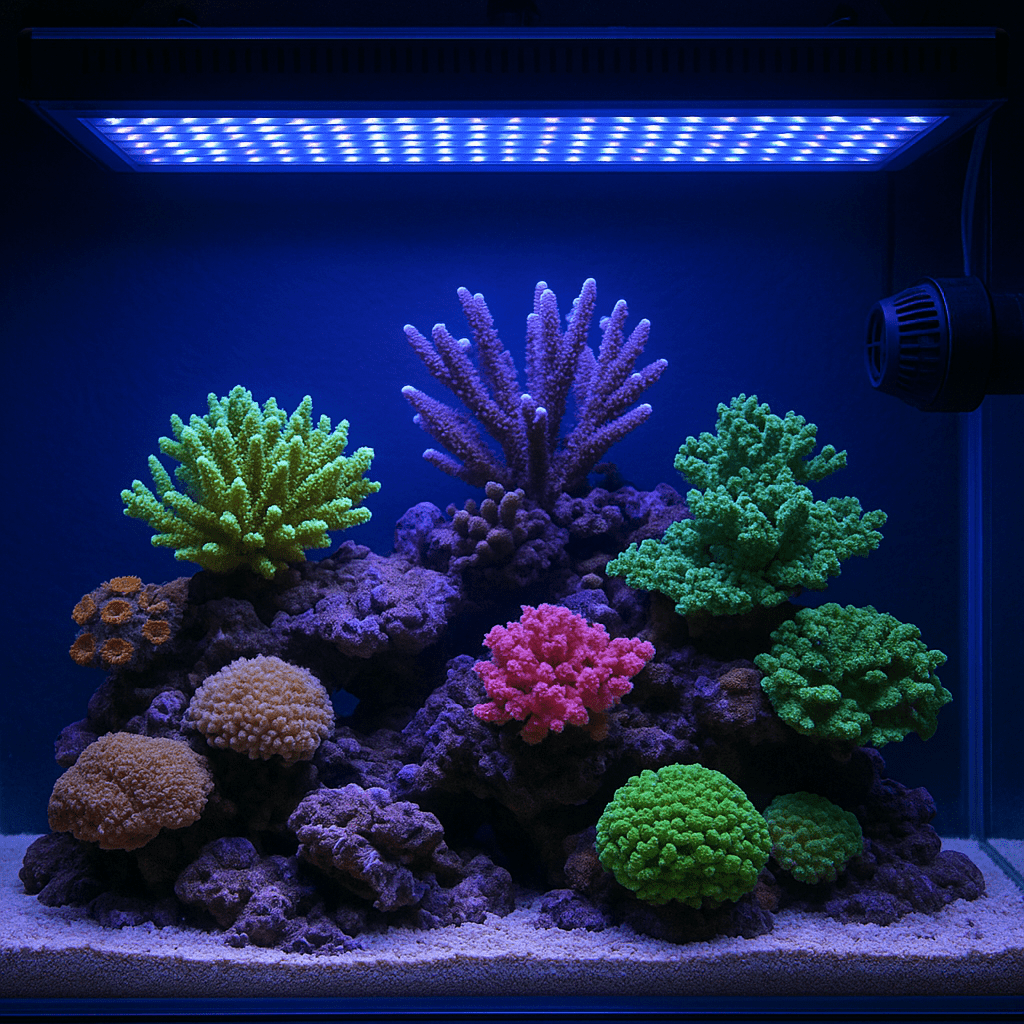
Best Filtration Systems
Best Filtration Systems for a Healthy Saltwater Aquarium Choosing the best filtration system for your saltwater aquarium is…
 By
By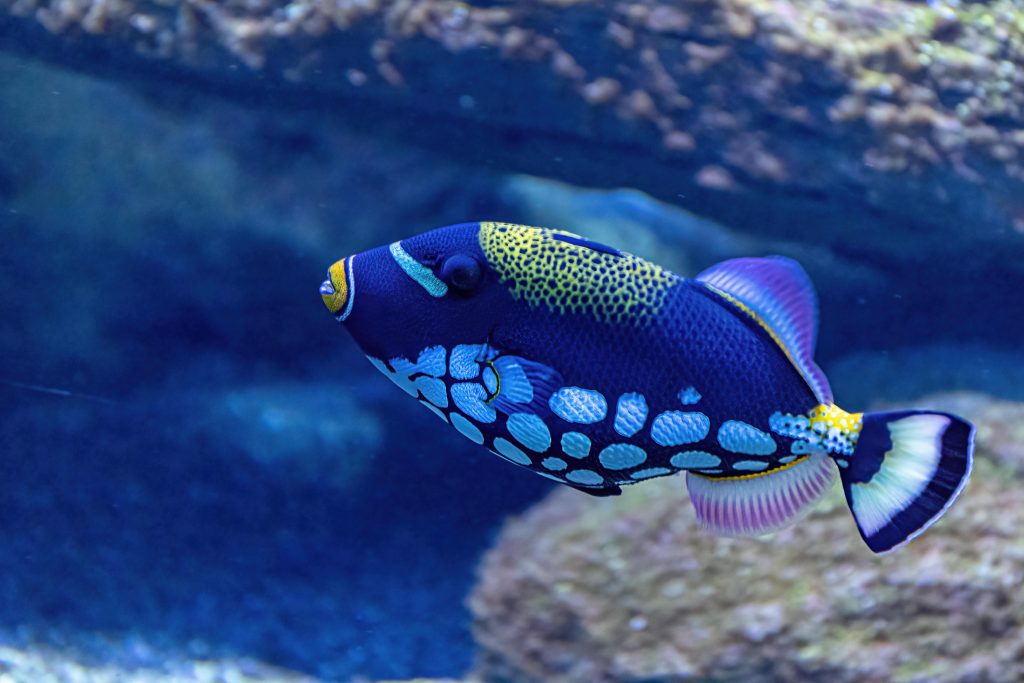
Clown Triggerfish (Balistoides Conspicillum)
Clown triggerfish are stunning but aggressive marine fish that need very large tanks, strong filtration, and careful tankmate…
[favorite_button]
My Bookmarks:
To see full list click here
[user_favorites user_id="" include_links="true" site_id="" post_types="" include_thumbnails="true" thumbnail_size="thumbnail" include_excerpt="false"]