

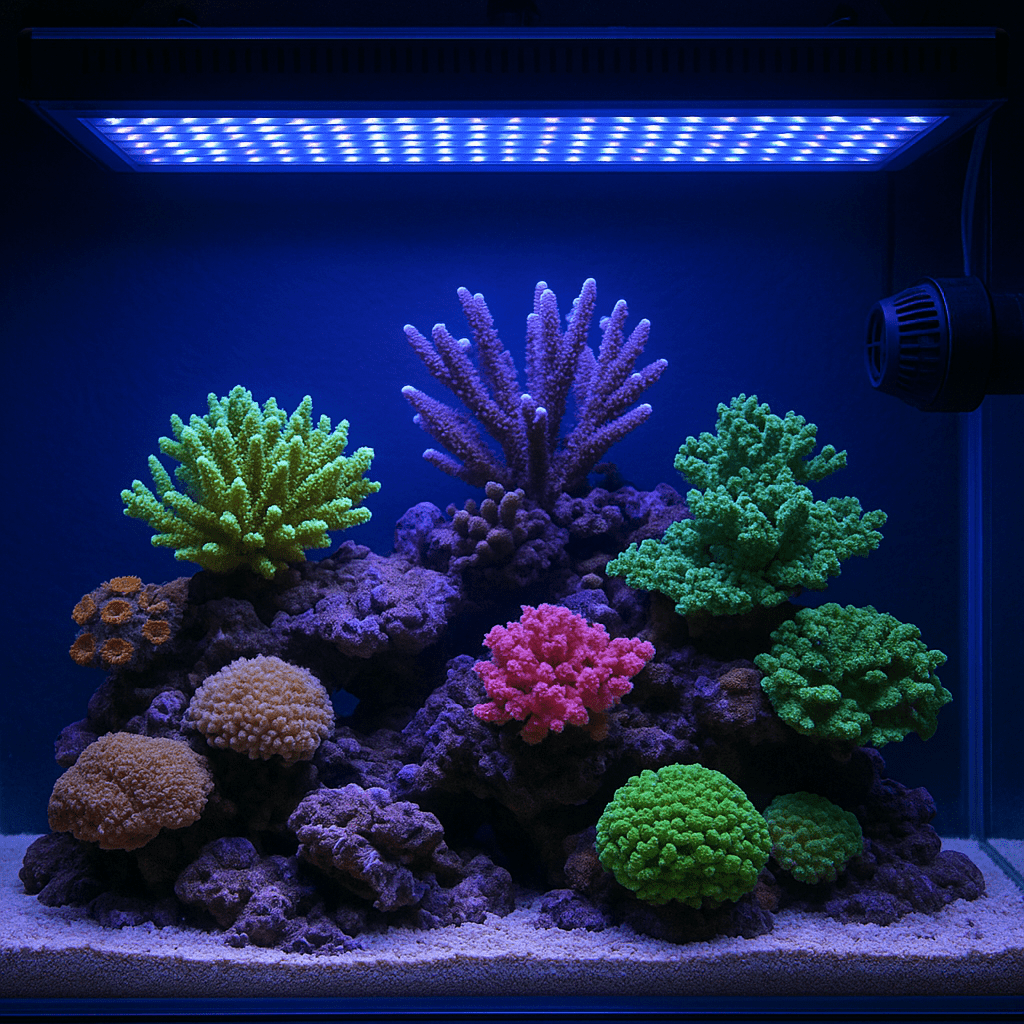
An aquarium controller can make reef keeping easier. It can also prevent costly mistakes. Still, not every tank needs one. The best choice depends on your budget, system size, and how much automation you truly need.
Many reef hobbyists wonder if a controller is essential gear. The short answer is no. You can run a healthy reef without one. Plenty of successful tanks use simple timers, quality heaters, and regular testing. Yet controllers offer real benefits. They improve monitoring. They add automation. They can also provide alerts before a small issue becomes a disaster. In this guide, you will learn what an aquarium controller does, who benefits most, when it is worth the money, and when simpler equipment makes more sense.
Quick Reference: Should You Buy an Aquarium Controller?
| Situation | Controller Recommended? | Why |
|---|---|---|
| Small beginner reef on a tight budget | Usually no | Basic gear and good habits matter more |
| Mixed reef with expensive corals | Often yes | Alerts and automation protect livestock |
| Frequent traveler | Yes | Remote monitoring adds peace of mind |
| Advanced SPS system | Usually yes | Stable temperature and pH tracking help a lot |
| Fish-only marine tank | Maybe | Useful, but less critical than for reefs |
| Hobbyist who enjoys manual control | Maybe not | Simple systems can be very reliable |
This table gives the short version. The full answer depends on your goals. It also depends on how much risk you want to reduce. Reef tanks reward stability. Controllers help with stability, but they do not replace good husbandry.
What Is an Aquarium Controller?
An aquarium controller is a central device that monitors and automates equipment. Think of it as the brain of your reef system. It can control heaters, lights, pumps, dosing systems, and more. Most modern controllers also track parameters like temperature and pH. Some can monitor salinity, leak detection, water level, and power use.
The biggest benefit is coordination. Instead of each device acting alone, the controller manages them together. For example, it can shut off a heater if the tank overheats. It can turn off a return pump during feeding. It can send an alert if pH drops suddenly. This level of oversight can save livestock. It can also save you from expensive damage.
Still, a controller is only as good as its setup. Bad programming creates problems. Dirty probes can give false readings. That is why controllers work best for hobbyists who will maintain them properly.
What Can an Aquarium Controller Actually Do?
Most controllers handle three jobs. They monitor, automate, and alert. Monitoring means tracking key parameters over time. Temperature is the most common example. pH is another popular metric. More advanced systems add salinity and dissolved oxygen. Seeing trends helps you catch issues early.
Automation is the second major feature. You can schedule lights. You can control a refugium cycle. You can shut off skimmers during feeding. You can also link top-off systems and dosing pumps. This reduces daily manual work. It also improves consistency.
Alerts are often the most valuable feature. A text or app notification can warn you about overheating, power loss, or a leak. That matters most when you are away from home. For many reef keepers, this is the real reason to buy a controller. It is not about convenience alone. It is about reducing the chance of a crash.
Do Beginners Need an Aquarium Controller?
Most beginners do not need a controller right away. A new reefer benefits more from learning the basics first. That means understanding salinity, temperature, alkalinity, and nutrient control. It also means buying reliable core equipment. A quality heater matters more than a controller. So does a dependable auto top off. Good test kits are also more important early on.
For a small beginner tank, simple gear often works best. A heater controller, light timer, and ATO can cover the essentials. This setup costs less. It is also easier to troubleshoot. Many new hobbyists get overwhelmed by apps, programming, and probe calibration. That frustration can distract from the fundamentals.
That said, some beginners do benefit from a controller. This is especially true if they travel often. It also helps if the tank contains expensive coral early on. If your budget allows it, a controller can add safety. Just do not treat it like a shortcut. It does not replace regular observation and maintenance.
When an Aquarium Controller Is Worth the Money
A controller becomes much easier to justify as tank value rises. A reef full of acropora, torches, and rare fish represents a major investment. In those systems, one heater failure can be devastating. A stuck doser can wipe out coral. A leak can damage floors and cabinetry. Controllers reduce these risks.
They are also worth it for larger or more complex systems. If you run a sump, dosing pumps, refugium, UV, and multiple powerheads, coordination matters more. A controller helps organize all that equipment. It can also simplify maintenance routines. Feed mode is a great example. One button can pause pumps and skimmers together.
Frequent travelers gain major value too. Remote access brings peace of mind. You can check temperature while away. You can verify that equipment is running. You can ask a tank sitter to respond before things get worse. In that situation, the controller is not just a gadget. It is insurance.
When You Probably Do Not Need One
Not every reef tank needs a controller. If you have a simple soft coral or LPS system, basic equipment may be enough. Many nano reefs run well with a heater controller, ATO, and light app. That setup covers the biggest risks without adding much complexity.
You may also skip a controller if you enjoy hands-on reef keeping. Some hobbyists prefer manual testing and direct equipment control. They trust fewer points of failure. That view is reasonable. Controllers add wires, probes, modules, and software. Every extra component can fail.
Budget matters too. If buying a controller means delaying essential gear, wait. Spend money first on stable salinity control, strong flow, and dependable heating. Quarantine tools and test kits may also deserve priority. A controller is helpful, but it should not come before the basics that keep livestock alive.
Most Useful Controller Features for Reef Tanks
If you do buy a controller, focus on the features that matter most. Temperature monitoring should be first. Heat swings stress coral fast. A controller can shut off a heater before disaster. pH monitoring is also useful, especially in homes with high indoor carbon dioxide. Watching trends helps you diagnose problems.
Leak detection is another underrated feature. A small sump overflow can become a huge mess. Water on the floor can also ruin cabinets and outlets. Leak sensors add real protection. Power monitoring is helpful too. It can tell you if a pump stopped drawing power. That can reveal failure before livestock suffers.
Feed mode, maintenance mode, and remote alerts are quality-of-life upgrades. They save time and reduce mistakes. Dosing control can be useful, but it requires care. Never trust automation without limits and safeguards. The best controller setup is simple, clear, and easy to review.
Step-by-Step: How to Decide If You Need One
- List your current equipment. Include heaters, lights, pumps, dosers, and ATO.
- Identify your biggest risks. Heat, overflow, power loss, and dosing mistakes are common.
- Estimate livestock value. Expensive coral changes the math quickly.
- Consider your schedule. Travel and long work hours increase the value of alerts.
- Review your budget. Make sure core gear is already solid.
- Decide what you want automated. Avoid paying for features you will not use.
- Compare controller cost against potential losses. One tank crash can cost more.
- Start small if needed. Use temperature control and alerts first.
This process keeps the decision practical. It also prevents buying based on hype. The best reef purchases solve real problems. They should not just look impressive on a product page.
Common Problems and Misconceptions
A controller will prevent every tank crash
It will not. A controller reduces risk. It does not eliminate it. Probes drift. Modules fail. Programming errors happen. You still need backups, maintenance, and observation.
Controllers are too complicated for normal hobbyists
They can be simple if you keep the setup focused. Start with temperature, alerts, and feed mode. Add more only when needed. Complexity grows fast when you automate everything at once.
My pH reading looks wrong
This is common. pH probes need calibration and cleaning. Old probes often drift. Electrical interference can also cause odd readings. Always confirm strange values before reacting.
A controller replaces testing
No controller replaces regular reef testing. You still need to monitor alkalinity, calcium, magnesium, nitrate, and phosphate. Automation helps, but chemistry still needs your attention.
Best Practices If You Buy One
Keep your programming simple. Name outlets clearly. Set heater limits conservatively. Use redundant safety rules where possible. For example, let the heater thermostat do one job and the controller do another. That way one failure does not become catastrophic.
Maintain probes on schedule. Calibrate them as recommended. Replace aging sensors before they fail. Test alerts often. Do not assume your app is working. Simulate a problem and verify that the notification reaches your phone.
Most importantly, avoid overconfidence. Controllers are tools, not caretakers. Look at your tank every day. Observe coral extension, fish behavior, and water level. Those visual checks still catch many problems first.
Frequently Asked Questions
Is an aquarium controller worth it for a nano reef?
Usually not at first. A heater controller, ATO, and reliable light are often enough. If the nano contains expensive coral or you travel often, it becomes more appealing.
What is the most important controller feature?
Temperature monitoring and control offer the biggest value for most reef tanks. Remote alerts come next. Those two features prevent many common disasters.
Can a controller manage dosing safely?
Yes, but only with limits and careful setup. Always use conservative dosing amounts. Check alkalinity often. Never trust a new dosing program without close supervision.
Do fish-only tanks need a controller?
Not usually. Fish-only systems can benefit from temperature alerts and leak detection, but they are less dependent on tight stability than coral-heavy reefs.
What should I buy before a controller?
Buy a quality heater, heater backup, ATO, test kits, and dependable flow first. Those basics support reef health more directly than advanced automation.
Final Verdict
Do you need an aquarium controller? Strictly speaking, no. Many beautiful reef tanks thrive without one. But a controller can be very useful. It adds monitoring, automation, and peace of mind. It becomes more valuable as your tank gets larger, more expensive, or more complex.
If you are a beginner, master the basics first. If you already run a valuable reef, a controller is often a smart upgrade. Buy it for safety and stability, not just convenience. That mindset leads to better decisions and healthier reef tanks.
reef tank parameters
best auto top off systems
reef aquarium heater guide
how to lower pH in a reef tank
reef tank maintenance checklist
Was this helpful?
Related Posts
Best Filtration Systems
Best Filtration Systems for a Healthy Saltwater Aquarium Choosing the best filtration system for your saltwater aquarium is…
 By
By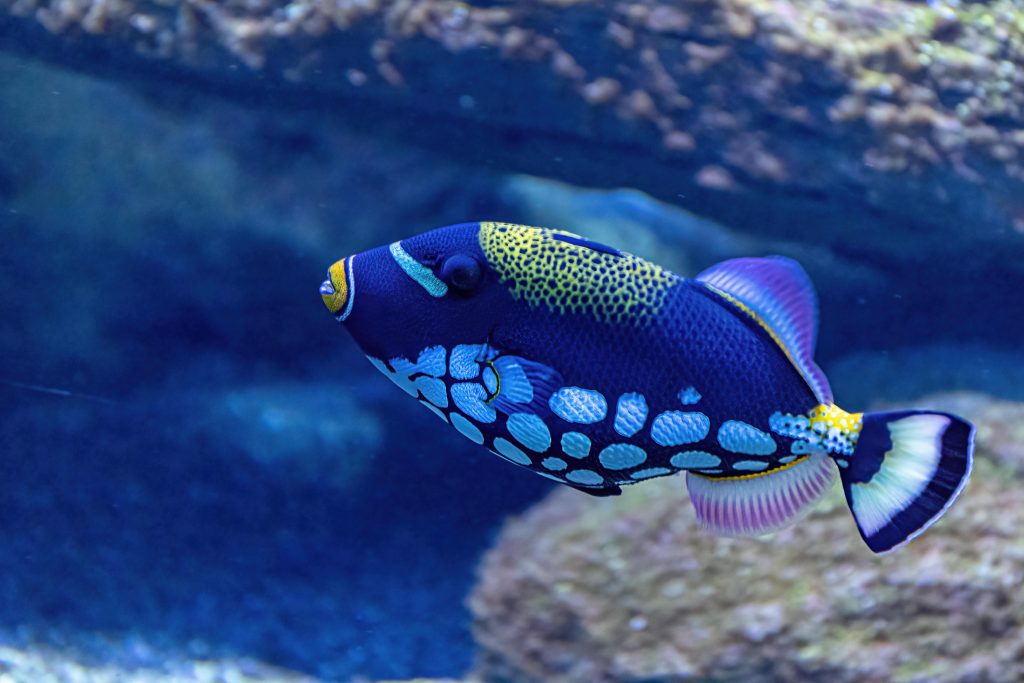
Clown Triggerfish (Balistoides Conspicillum)
Clown triggerfish are stunning but aggressive marine fish that need very large tanks, strong filtration, and careful tankmate…
[favorite_button]
My Bookmarks:
To see full list click here
[user_favorites user_id="" include_links="true" site_id="" post_types="" include_thumbnails="true" thumbnail_size="thumbnail" include_excerpt="false"]