

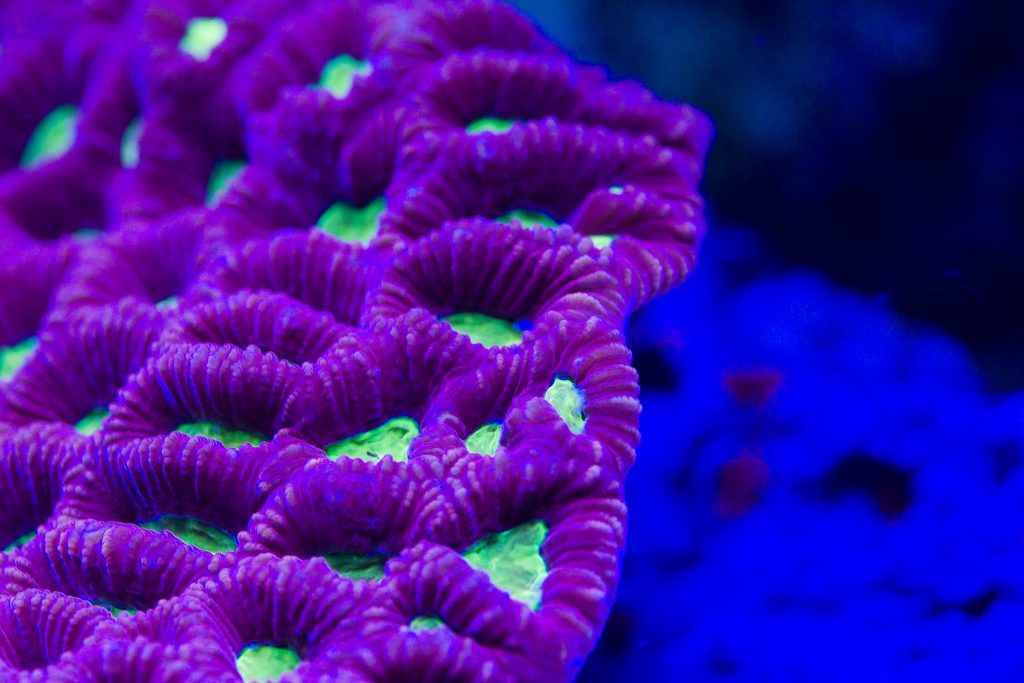
Favia and Favites corals are hardy large polyp stony corals that suit many reef tanks. They like stable water, moderate light, and moderate flow. Their care is straightforward, but placement and feeding matter if you want strong color, steady growth, and healthy tissue.
These corals are often grouped together by hobbyists because they look similar. Both form fleshy, bumpy colonies with bright mouths and contrasting ridges. They are popular with beginners because they tolerate a wider range of conditions than many SPS corals. They also reward good husbandry with bold color and visible growth. In this guide, you will learn how to identify Favia and Favites, where to place them, how to feed them, and how to solve common problems before they become serious.
Quick Reference Table
| Common names | Favia coral, Favites coral, brain coral, closed brain coral |
| Care level | Easy to moderate |
| Temperament | Semi-aggressive |
| Lighting | Low to moderate, sometimes moderate-high with acclimation |
| Flow | Moderate, indirect |
| Placement | Lower to middle rockwork, with space from neighbors |
| Diet | Photosynthesis plus meaty foods |
| Growth rate | Slow to moderate |
| Ideal temperature | 76-79°F |
| Salinity | 1.025-1.026 specific gravity |
| Alkalinity | 8-9 dKH |
| Calcium | 420-450 ppm |
| Magnesium | 1300-1400 ppm |
| Nitrate | 2-15 ppm |
| Phosphate | 0.03-0.10 ppm |
How to Tell Favia and Favites Apart
The difference is subtle, and many reef keepers confuse them. Favia corallites usually have separate walls. Each polyp looks more distinct. Favites corallites often share walls. This creates a tighter, maze-like pattern across the colony. In stores, both may be labeled as brain coral. That is common and usually harmless for care purposes.
For reef care, the two corals need very similar conditions. Both belong to the LPS group. Both build a hard skeleton under fleshy tissue. Both can extend feeder tentacles at night. Both can sting nearby corals if placed too close. Because their care overlaps so much, most hobbyists can follow the same husbandry plan. The key is to observe the coral in your tank. Watch how far the tissue expands. Look for nighttime sweepers. Then adjust spacing and flow based on what you see.
Natural Habitat
Favia and Favites occur across the Indo-Pacific. They are found on reef slopes, lagoons, and protected reef areas. Many colonies grow in places with moderate water movement and stable salinity. Some live in brighter shallow zones. Others occur deeper where light is less intense. This range explains why many specimens adapt well to reef aquariums.
In nature, these corals rely on both light and food. Their zooxanthellae provide energy through photosynthesis. They also capture plankton and organic particles from the water. At night, many extend feeder tentacles to hunt. Their hard skeleton protects them from current and grazing pressure. Their fleshy tissue helps them store energy and recover from minor stress. When you understand this habitat, their aquarium needs make more sense. They want stable conditions, not extreme intensity. They also benefit from occasional feeding and enough space to avoid constant chemical or physical warfare.
Aquarium Setup
Favia and Favites can thrive in many tank sizes. A nano reef can keep a small frag. A larger tank makes placement easier. Stability is the real priority. New tanks often swing in alkalinity, salinity, and nutrients. These swings stress LPS corals quickly. It is better to add them after the tank matures.
Place the coral on stable rockwork or a secure frag plug. Lower to middle placement is usually best at first. Give it several inches of space from other corals. This is very important. Many Favia and Favites send out sweeper tentacles after lights out. Those tentacles can damage acans, chalices, zoanthids, and even some tougher LPS. Keep the colony away from high traffic areas where snails or crabs can knock it over. Avoid burying the tissue against sand. Sediment can irritate the flesh and lead to recession. If the coral is new, start in a gentler spot and move it slowly if needed.
Lighting Requirements
These corals do best under low to moderate light. Many hobbyists target roughly 50 to 150 PAR. Some pieces can handle more. That depends on the strain and its previous conditions. Bright rainbow morphs often color up nicely under moderate light. Too much light too fast can bleach them. Tissue may pale first. Mouths may stay retracted. Growth can stall.
Always acclimate new frags to stronger lighting. Start lower in the tank or reduce your schedule. Then increase exposure over one to two weeks. Blue-heavy reef lighting often makes their colors pop. You may see green, red, orange, teal, and purple pigments stand out. Strong white light can wash out the appearance, even if the coral stays healthy. Watch the tissue closely. A happy coral shows full flesh, visible feeding response, and steady color. If the tissue tightens against the skeleton, the light may be too intense. If the coral browns out, nutrients may be high, or the light may be too weak.
Water Flow
Moderate, indirect flow works best. You want enough movement to keep detritus from settling. You also want enough flow to bring oxygen and food. Direct, blasting flow is a mistake. It can keep the tissue withdrawn and irritate the fleshy surface. Over time, that stress can cause recession around the edges or mouths.
Look for gentle tissue movement, not whipping. If debris collects between ridges, increase flow slightly. If the flesh looks pinched on one side, redirect the pump. Random flow patterns are ideal. They mimic natural reef movement and reduce dead spots. In mixed reefs, it often helps to place Favia and Favites in zones meant for LPS. These areas usually have less intensity than SPS shelves. Good flow also lowers the chance of bacterial issues. Dirty water and trapped waste can irritate the coral. Stable circulation keeps the surface clean and helps the coral feed more effectively at night.
Water Chemistry and Stability
Stable chemistry matters more than chasing perfect numbers. Favia and Favites build a calcium carbonate skeleton. That means alkalinity, calcium, and magnesium must stay in range. Sudden alkalinity swings are especially risky. Many LPS corals react with recession after a fast change. Keep salinity stable too. Top off evaporation daily or use an auto top off system.
Aim for 76 to 79 degrees Fahrenheit. Keep alkalinity around 8 to 9 dKH. Calcium should stay near 420 to 450 ppm. Magnesium should remain around 1300 to 1400 ppm. Nitrate should not be zero. Phosphate should not be stripped out completely. Ultra-low nutrients often cause pale tissue and poor feeding response. Moderate nutrients support color and health. Test regularly, especially if the tank contains several stony corals. As colonies grow, their demand rises. Water changes help, but many mixed reefs eventually need dosing. Consistency is what keeps these corals inflated, colorful, and actively growing.
Feeding
Favia and Favites get much of their energy from light. They still benefit from direct feeding. Small meaty foods work best. Try mysis shrimp, finely chopped seafood, reef roids, or other coral foods. Feed after lights dim. That is when feeder tentacles often appear. A turkey baster or pipette helps target each mouth.
Start with one or two feedings each week. Turn off return flow for a short time if needed. This helps the coral hold the food. Do not overfeed. Excess food can rot and raise nutrients. Watch the response. Healthy polyps grab food and move it toward the mouth. Some corals need a few weeks to settle before they feed strongly. Regular feeding can improve growth and thickness of tissue. It may also boost color in nutrient-poor systems. If fish or shrimp steal food, use a feeding dome or cover the coral briefly with a cut bottle top. This simple trick often works very well in busy mixed reefs.
Compatibility
These corals are reef safe, but they are not passive. They can sting nearby corals with sweeper tentacles. Give them room from euphyllia, acans, chalices, zoanthids, and SPS frags. Many hobbyists underestimate their reach at night. Leave several inches of space. More is better if you cannot inspect the tank after dark.
Most reef fish ignore Favia and Favites. Clownfish may rub against them, but this is less common than with fleshy soft corals. Angelfish and some butterflyfish may nip tissue. Certain crabs can irritate the surface while climbing. Peppermint shrimp and cleaner shrimp may steal food during target feeding. Invertebrates are usually fine if they do not sit on the coral repeatedly. In mixed reefs, careful placement prevents most issues. Keep aggressive LPS separated. Avoid direct contact with encrusting corals that can slowly overgrow the edges. If you plan your aquascape early, these corals can become long-term centerpiece colonies with little conflict.
Propagation and Fragging
When to Frag
Frag only healthy colonies. The tissue should be full and firmly attached. Avoid fragging a stressed or newly imported specimen. Wait until the coral shows stable color and feeding response. Larger colonies handle cutting better than tiny frags.
How to Frag Safely
Use a band saw, rotary tool, or bone cutters for small branches of skeleton. Plan cuts between mouths when possible. Clean cuts reduce damage. Wear eye protection. Rinse the frag in clean saltwater afterward. Many hobbyists dip the cut pieces in an iodine-based coral dip to lower infection risk.
Aftercare for New Frags
Place fresh frags in lower light and moderate flow. Avoid blasting the cut edge. Watch for brown jelly, tissue peeling, or exposed skeleton spreading from the cut. Stable alkalinity and clean water help healing. Feeding can resume once the frag reopens and shows normal inflation.
Common Problems
Why Is My Favia or Favites Receding?
Tissue recession usually points to stress. Common causes include alkalinity swings, excessive light, aggressive flow, or coral warfare. Check nearby corals for sweepers. Test alkalinity first. Then inspect salinity and temperature. If the coral was moved recently, reduce stress and give it time.
Why Is the Coral Bleaching?
Bleaching is often caused by too much light or sudden change. It can also follow heat stress. Move the coral lower in the tank. Shorten the photoperiod if needed. Keep nutrients from bottoming out. A bleached coral may recover if tissue remains intact and conditions stabilize quickly.
Why Is It Not Opening or Feeding?
New corals often stay tight for days or weeks. Check for pests, fish nipping, and excess flow. Test nitrate and phosphate. Corals in very sterile tanks may show weak feeding response. Try feeding after dark with pumps off. Use a small amount of food first.
Brown Jelly or Rapid Tissue Loss
This is more urgent. Remove the affected piece if possible. Siphon away jelly-like material. Improve flow around the area, but avoid direct blasting. Consider an iodine dip. Check for injury, detritus buildup, and unstable water chemistry. Fast action can save part of the colony.
Step-by-Step Placement Guide
First, inspect the coral for pests, damaged tissue, and exposed skeleton. Second, dip the coral if you follow a coral quarantine routine. Third, place it in low to moderate light on the lower rockwork. Fourth, provide moderate indirect flow. Fifth, leave several inches of open space around it.
Sixth, monitor the coral for one week. Look for inflation, color retention, and nighttime feeder tentacles. Seventh, adjust placement only if needed. Move it slowly, not all at once. Eighth, begin target feeding once the coral settles. Ninth, test alkalinity and salinity regularly. Tenth, inspect the colony after lights out to confirm it is not stinging nearby corals. This simple process prevents most beginner mistakes and gives the coral the best chance to adapt.
Frequently Asked Questions
Are Favia and Favites good beginner corals?
Yes. They are among the better beginner LPS corals. They tolerate a range of conditions, but they still need stable parameters.
How fast do Favia and Favites grow?
Growth is usually slow to moderate. Good feeding, stable alkalinity, and proper placement can improve growth over time.
Can I keep them on the sand bed?
Sometimes, yes. The sand must stay clean and stable. Many hobbyists prefer rock placement to avoid irritation from shifting sand.
Do they need direct feeding?
They do not require it to survive in every tank. However, regular feeding often improves growth, tissue fullness, and color.
How much space should I leave around them?
Leave several inches at minimum. More space is safer because sweeper tentacles can extend farther than expected at night.
Final Tips for Long-Term Success
If you want success with Favia and Favites, focus on consistency. Keep alkalinity stable. Avoid sudden lighting changes. Feed lightly but regularly. Give the coral space to expand and defend itself. Observe it after dark. Small details matter with LPS corals.
These corals can become stunning long-term colonies. Their patterns grow more dramatic with age. Their colors often deepen in stable systems. For more help with placement and water quality, see our guides on reef tank parameters, LPS coral care, coral lighting guide, and reef aquarium flow guide. If you build around stability and patience, Favia and Favites are some of the most rewarding brain corals you can keep.
Was this helpful?
Related Posts
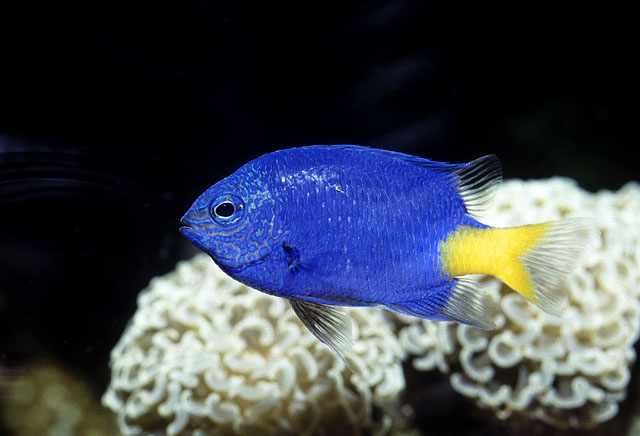
Yellowtail Damselfish (Chrysiptera Parasema)
Yellowtail Damselfish are hardy, colorful, and reef safe, but they can be territorial. Learn their care, feeding, tank…
 By
By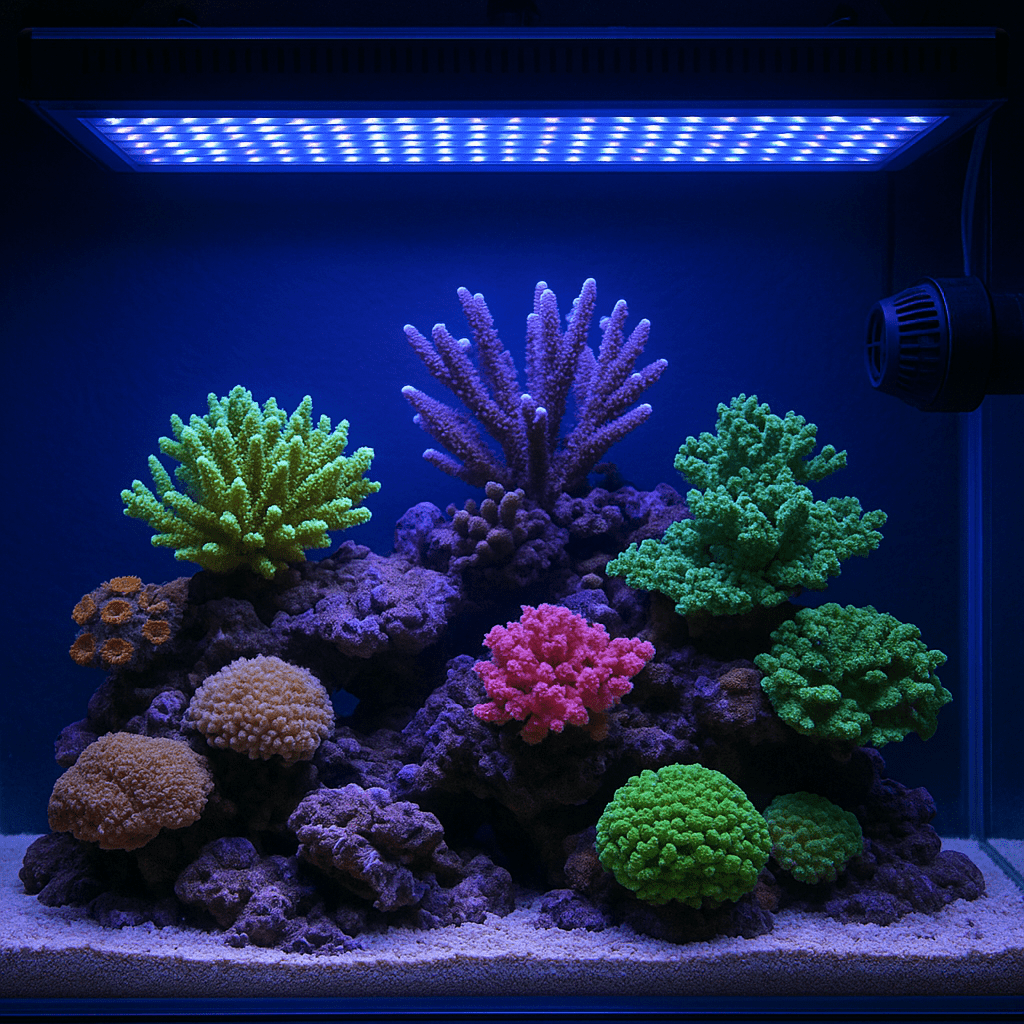
Water Chemistry Basics
Water chemistry basics are the foundation of reef success. Learn the key parameters, target ranges, and simple ways…
[favorite_button]
My Bookmarks:
To see full list click here
[user_favorites user_id="" include_links="true" site_id="" post_types="" include_thumbnails="true" thumbnail_size="thumbnail" include_excerpt="false"]