

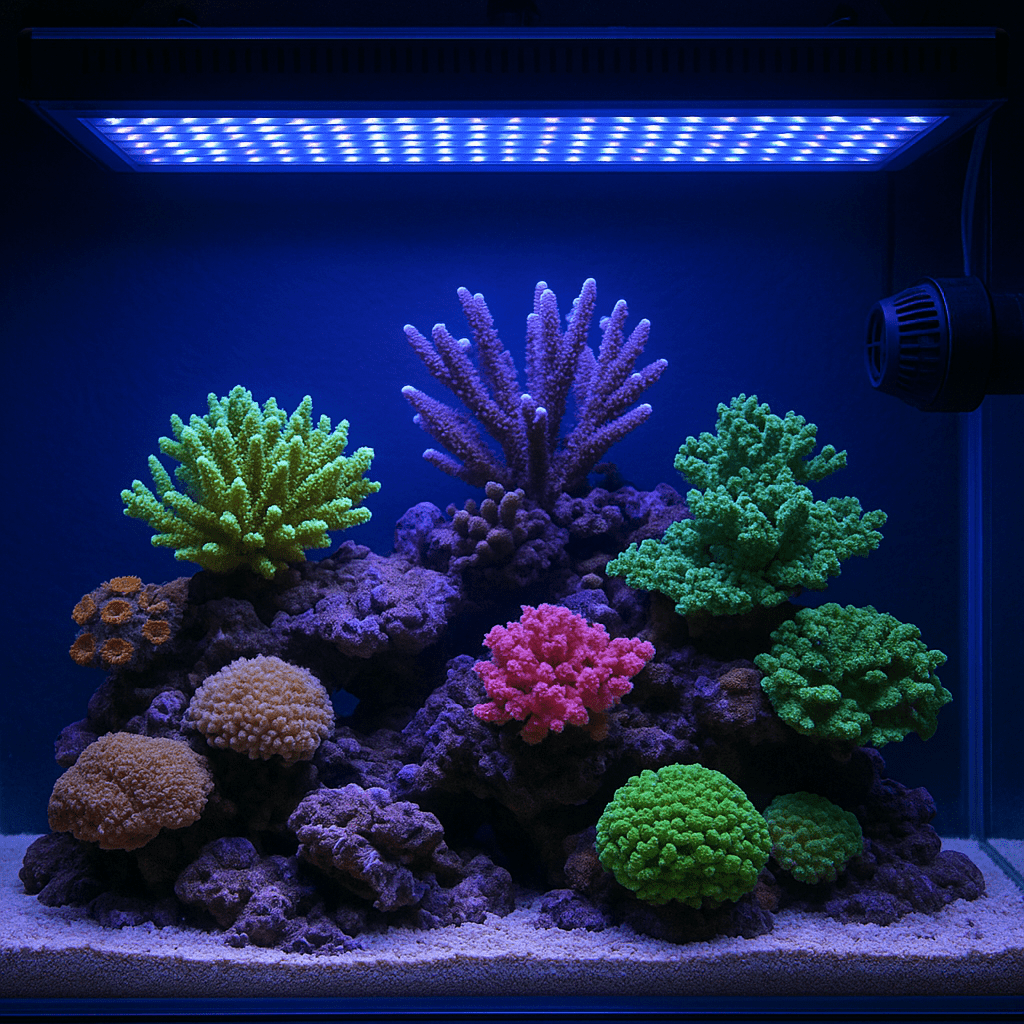
Filter systems are the backbone of a healthy reef aquarium. They remove waste, process nutrients, and keep water stable. The best setup is not always the most expensive one. It is the one that matches your tank size, livestock, and maintenance habits. In this guide, you will learn how reef filtration works, which equipment matters most, and how to choose a simple system that supports long-term coral and fish health.
Many beginners think filtration means one box under the tank. In reef keeping, it is broader than that. Filtration includes mechanical removal of debris, biological processing of ammonia and nitrate, and chemical media that polish water or target specific problems. Live rock, protein skimmers, filter socks, roller mats, refugiums, and reactors all play a role. The challenge is knowing what each part does and when you actually need it. A smart filter system keeps nutrients controlled without stripping the tank too hard. It also makes routine care easier. That balance is what creates a stable reef.
Quick Reference Table
| Filtration Type | Main Job | Best Use | Watch Out For |
|---|---|---|---|
| Mechanical | Traps particles and detritus | All reef tanks | Needs frequent cleaning |
| Biological | Processes ammonia and nitrite | Essential in every tank | Can be disrupted by overcleaning |
| Chemical | Removes dissolved compounds | Targeted problem solving | Do not overuse media |
| Protein Skimmer | Removes organics before breakdown | Most medium and large reefs | Needs tuning and cleaning |
| Refugium | Exports nutrients with macroalgae | Nutrient control and pod growth | Needs proper light and flow |
| Reactors | Run carbon, GFO, or specialty media | Advanced nutrient control | Too much media can stress corals |
What a Reef Filter System Actually Does
A reef filter system does more than clear cloudy water. Its main job is to support the nitrogen cycle. Fish waste and uneaten food produce ammonia. Ammonia is highly toxic. Beneficial bacteria convert it into nitrite, then nitrate. That is biological filtration. Without it, livestock can die quickly.
Filtration also removes solid waste before it breaks down. That is mechanical filtration. Filter socks, floss, and roller mats handle this step. Chemical filtration works differently. It removes dissolved impurities that you cannot see. Activated carbon removes yellowing compounds. GFO helps reduce phosphate. Specialty resins can target metals or silicates.
In reef tanks, filtration is also about stability. Corals dislike sudden swings. A good system keeps oxygen high, nutrients manageable, and water clarity strong. It should also fit your maintenance routine. The best filter setup is one you will actually clean and monitor every week.
The Three Core Types of Filtration
Every reef tank uses mechanical, biological, and chemical filtration in some form. Understanding these basics makes equipment choices much easier.
Mechanical filtration captures physical debris. This includes fish waste, leftover food, and floating detritus. Common tools include filter socks, floss trays, and roller mats. These work well, but they need regular cleaning. Dirty mechanical media can become a nutrient source instead of a nutrient export tool.
Biological filtration is the most important layer. Beneficial bacteria live on live rock, sand, ceramic media, and other surfaces. They process toxic waste into less harmful compounds. This is why reef tanks need time to cycle. It is also why replacing all media at once is risky.
Chemical filtration uses media to bind or absorb dissolved substances. Carbon is the most common example. It improves clarity and removes toxins released by some corals. GFO targets phosphate. Chemical media is useful, but it should solve a real need. More media is not always better.
Common Reef Filtration Equipment
Most reef systems combine several tools. Sumps are popular because they increase water volume and hide equipment. They also give you room for skimmers, heaters, probes, and refugiums. A sump is not mandatory, but it makes reef keeping easier.
Protein skimmers are one of the most useful upgrades. They remove dissolved organic waste before it breaks down into nitrate and phosphate. They also improve gas exchange. This helps maintain oxygen and pH. For many mixed reefs, a skimmer adds a strong safety margin.
Filter socks are simple and effective. They polish water well, but they must be changed often. Roller mats automate this job. They cost more, but they reduce maintenance. Refugiums grow macroalgae, usually chaetomorpha, to absorb nitrate and phosphate. They also support copepods.
Media reactors are useful for carbon or GFO. They force water evenly through the media. This improves efficiency. Canister filters can work on reef tanks too, but they need frequent service. If neglected, they trap waste and raise nutrients.
How to Choose the Right Filter System
Start with your tank size and livestock plan. A small soft coral nano reef needs less filtration than a heavily fed SPS system. Fish load matters too. More fish means more waste. More waste means stronger export is needed.
For most beginner reef tanks, a simple setup works best. Use quality live rock, reliable mechanical filtration, and a protein skimmer if your tank is medium or large. Add carbon as needed. If nutrients rise, consider a refugium or phosphate media. Build slowly. Do not buy every device at once.
Think about maintenance honestly. If you hate washing socks, choose a roller mat or floss cup. If you want low-tech filtration, use live rock and regular water changes. If you enjoy tuning equipment, a sump with skimmer and reactors offers more control.
The best reef filter system is balanced. It should export waste without making the tank sterile. Corals still need some nutrients. Ultra-clean water can cause pale color, poor polyp extension, and slow growth in many systems.
Step-by-Step: Building a Basic Reef Filtration Setup
Step 1: Start with enough biological surface area. Use quality live rock or dry rock that has been properly cycled. This creates the bacterial base of your system.
Step 2: Add mechanical filtration at the overflow or rear chamber. Use filter floss, socks, or a roller mat. Place it where water enters first.
Step 3: Install a protein skimmer if your system can support one. Size it for your true water volume. Avoid oversized skimmers on lightly stocked tanks.
Step 4: Use activated carbon if water looks yellow or corals are engaging in chemical warfare. Run a small amount first. Replace it regularly.
Step 5: Test nitrate and phosphate weekly. If they stay high, add a refugium or phosphate media. Make one change at a time.
Step 6: Clean your filtration on schedule. Mechanical media often needs service every few days. Skimmer cups need regular cleaning. Neglected equipment loses value fast.
Aquarium Setup Considerations
Tank design affects filtration choices. All-in-one aquariums usually rely on rear chambers. These can hold floss, media baskets, small skimmers, and return pumps. They are compact and beginner friendly. Their main limit is space.
Drilled tanks with sumps offer more flexibility. You can separate mechanical filtration, skimming, refugium space, and return sections. This design also adds total water volume. More water usually means better stability. That helps with temperature, salinity, and nutrient swings.
Aquascaping matters too. Leave enough room around rockwork for flow. Dead spots trap detritus. Trapped waste eventually fuels algae and raises nutrients. Open rock structures are easier to keep clean than dense walls of rock.
If you keep sand, make sure flow is strong enough to suspend waste without creating sandstorms. Good filtration starts with smart layout. Equipment can only remove waste that actually reaches it.
Compatibility With Corals, Fish, and Invertebrates
Different reef animals produce different amounts of waste. Large fish, messy eaters, and heavy feeding schedules demand stronger filtration. Predatory fish systems often need oversized skimmers and frequent mechanical media changes.
Corals have different nutrient preferences. Many soft corals and LPS corals tolerate moderate nutrients well. Some even prefer them. SPS corals usually need cleaner, more stable water. However, even SPS tanks should not hit zero nutrients for long. Corals need available nitrate and phosphate in small amounts.
Invertebrates can be sensitive to sudden chemical media changes. Running too much fresh carbon or stripping phosphate too quickly can stress shrimp, snails, and corals. Make adjustments gradually. Watch livestock response for several days.
If you keep chemical warfare corals like leathers, mushrooms, or some LPS, carbon becomes more useful. It helps remove toxins released into the water. This is especially important in mixed reefs.
Common Problems
Why are nitrate and phosphate still high?
The filter may be undersized, dirty, or overloaded. Check feeding first. Overfeeding is common. Next, inspect mechanical media. If socks or floss sit too long, trapped waste breaks down. Empty the skimmer cup and confirm the skimmer is producing consistently. Test source water too. Poor RO/DI water can add nutrients before water even enters the tank.
Why is my water cloudy?
Cloudiness can come from bacterial blooms, suspended detritus, or disturbed sand. Improve mechanical filtration and surface agitation. Replace dirty floss. Run carbon if the water looks yellow or hazy. If the tank is newly set up, cloudiness may settle as the system matures.
Why does my skimmer stop producing foam?
Skimmers react strongly to oils, additives, and water depth changes. Clean the neck and air intake. Check salinity. Make sure the pump is clear. Some foods and coral supplements temporarily reduce foam. Give it time before making large adjustments.
Can filtration be too aggressive?
Yes. Overskimming, heavy carbon dosing, and large amounts of phosphate remover can strip water too fast. Corals may pale or stop extending polyps. If nutrients bottom out, reduce export and feed a bit more. Stability matters more than chasing perfect numbers.
Maintenance Tips That Prevent Most Filtration Issues
Consistency beats complexity. Change or rinse mechanical media often. Clean skimmer cups before buildup gets thick. Replace carbon on a schedule, not only when problems appear. Test nitrate and phosphate every week, especially after adding fish or changing feeding routines.
Do not deep clean all biological media at once. That can reduce bacterial populations. Rinse media gently in removed tank water when needed. Keep pumps free of calcium buildup. Reduced flow lowers filtration performance across the whole system.
It also helps to log changes. Write down when you replaced media, adjusted skimmer settings, or added new livestock. Patterns become easier to spot. Good records often solve reef problems faster than buying new gear.
Frequently Asked Questions
Do reef tanks need a protein skimmer?
No, but many benefit from one. Small tanks can succeed with live rock and water changes. Medium and large reefs usually gain stability from skimming.
Is live rock enough for filtration?
Live rock provides strong biological filtration. It does not replace mechanical export. Most tanks still need debris removal and regular maintenance.
Should I run carbon all the time?
Many reef keepers do. It helps with water clarity and coral toxins. Use moderate amounts and replace it regularly.
Are canister filters bad for reef tanks?
Not inherently. They work well if cleaned often. If neglected, they trap waste and can raise nitrate.
What is the simplest reef filtration setup?
A simple setup uses cycled live rock, filter floss, steady flow, and regular water changes. Add a skimmer as stocking increases.
Final Thoughts
Good reef filtration is about function, not hype. Your system should remove waste, support bacteria, and stay easy to maintain. Start simple. Add equipment only when a real need appears. That approach saves money and creates a more stable tank. If you want to keep improving your reef, read our guides on reef tank cycling, protein skimmer basics, reef water parameters, and refugium setup guide.
Was this helpful?
Related Posts
Reef Alkalinity and Calcium Guide
Learn the ideal reef alkalinity and calcium ranges, how they interact, and how to test, dose, and troubleshoot…
 By
ByReef Tank Basics
Learn reef tank basics, from setup and cycling to lighting, flow, and water chemistry, so your first reef…
[favorite_button]
My Bookmarks:
To see full list click here
[user_favorites user_id="" include_links="true" site_id="" post_types="" include_thumbnails="true" thumbnail_size="thumbnail" include_excerpt="false"]