

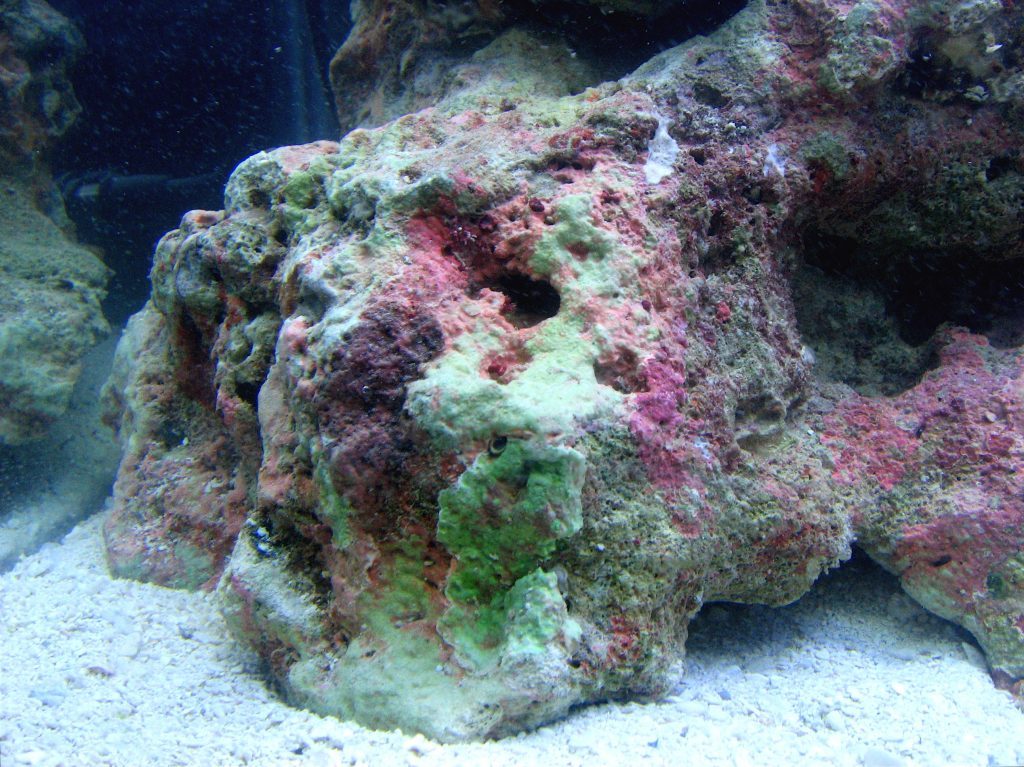
A fish only with live rock setup, often called FOWLR, gives you the color and movement of marine fish without the higher demands of a full reef tank. It is one of the best ways to enter saltwater keeping. You get natural filtration, realistic aquascape options, and room to keep many popular fish that may not be reef safe.
This guide explains how a FOWLR tank works, why live rock matters, and how to build one that stays stable long term. You will learn about tank size, filtration, cycling, stocking, feeding, and common mistakes. If you want a practical marine aquarium that looks natural and supports healthy fish, this setup is a smart place to start.
Quick Reference Table
| Category | Recommendation |
|---|---|
| Best for | Beginners and intermediate marine hobbyists |
| Tank size | 40 gallons minimum, 75 gallons or larger preferred |
| Core filtration | Live rock, protein skimmer, mechanical filtration |
| Rock amount | About 0.75 to 1.5 pounds per gallon |
| Temperature | 76 to 78°F |
| Salinity | 1.024 to 1.026 specific gravity |
| pH | 8.1 to 8.4 |
| Nitrate goal | Under 20 ppm, lower is better |
| Water flow | Moderate, with no dead spots |
| Lighting | Basic marine lighting is usually enough |
| Water changes | 10 to 20 percent every 1 to 2 weeks |
What Is a Fish Only with Live Rock Setup?
A FOWLR tank is a saltwater aquarium built around fish and live rock. It does not focus on corals. That makes equipment choices simpler. It also gives you more flexibility with fish selection. Many angelfish, puffers, triggers, and butterflyfish fit better in FOWLR systems than in reef tanks.
Live rock is the key feature. It is porous rock colonized by beneficial bacteria and small organisms. These bacteria process fish waste. They convert toxic ammonia into nitrite, then nitrate. This makes live rock a powerful biological filter. It also creates hiding places and territories for fish.
Compared with a bare fish only tank, a FOWLR system usually looks more natural and stays more stable. The rock helps buffer swings in water quality. It also supports pods, worms, and other micro life. Those organisms add biodiversity and help break down waste.
Why FOWLR Is Great for Beginners
Many new hobbyists want marine fish but feel overwhelmed by reef care. A FOWLR setup lowers that barrier. You still need stable salinity and good husbandry. But you do not need to chase coral lighting goals or strict calcium and alkalinity demand from stony corals.
This setup also forgives small mistakes better than many reef tanks. Fish generally tolerate slightly higher nutrients than corals. That gives you a wider margin while you learn. You can focus on quarantine, feeding, filtration, and observation. Those skills matter in every marine tank.
Another benefit is stocking freedom. Some of the most striking marine fish are not coral safe. A FOWLR system lets you enjoy species that would nip polyps, eat shrimp, or disturb sessile invertebrates. You still need to research compatibility, but your options are much broader.
Natural Habitat and Why It Matters
Most marine fish kept in FOWLR tanks come from coral reef zones, rocky ledges, lagoons, and outer reef slopes. In nature, they use rockwork for shelter, feeding, and territory. They move through caves and crevices to avoid predators. They also graze surfaces or hunt among the rocks.
That is why live rock is more than decoration. It mimics the structure fish expect. A tank with open water only can stress many species. Fish often feel exposed and become shy, aggressive, or skittish. Good rockwork helps them settle faster and show more natural behavior.
Try to match the aquascape to the fish you want. Wrasses and tangs need open swimming lanes. Dottybacks and hawkfish like perches and holes. Angelfish often browse rock surfaces. Eels need secure caves. A habitat-based design makes the tank more functional and attractive.
Aquarium Setup: Tank Size, Rock, and Equipment
Tank size shapes your success. A 40-gallon breeder can work for smaller fish. A 75-gallon tank is a better starting point for most hobbyists. Larger tanks dilute waste better. They also give you more stocking options and more stable chemistry.
Use enough live rock to support filtration and habitat. Around 0.75 to 1.5 pounds per gallon is common. The exact amount depends on rock density. Build a structure with caves, arches, and open channels. Keep the rock stable. Never stack loose pieces where fish can topple them.
Core equipment should include a quality heater, strong return or circulation pumps, and a protein skimmer. Mechanical filtration helps trap debris. Filter socks or floss work well if cleaned often. A sump is helpful but not required. You can also run activated carbon for water clarity and odor control.
Choose a secure lid. Many marine fish jump. Wrasses, gobies, and even tangs can launch during stress. A simple mesh screen prevents losses and allows gas exchange.
Lighting Requirements
Lighting is simpler in a FOWLR tank than in a reef aquarium. Your fish do not need high PAR. The live rock does not demand intense reef lighting either. In most cases, basic marine LED lighting is enough. Aim for a natural day and night rhythm rather than coral growth targets.
Moderate lighting helps you enjoy fish color and tank appearance. It also supports coralline algae over time. Avoid blasting the tank with very strong light unless you have a reason. Excess light can fuel nuisance algae if nutrients rise. This is common in heavily fed fish systems.
A schedule of 8 to 10 hours usually works well. If algae becomes a problem, reduce the photoperiod first. Also check nitrate, phosphate, and feeding habits. Light alone rarely causes algae. It usually exposes an underlying nutrient issue.
Water Flow and Filtration Strategy
Good water movement keeps oxygen high and waste suspended. It also prevents detritus from settling deep in the rockwork. Most FOWLR tanks do best with moderate, varied flow. You do not need the intense random flow used for SPS corals. You do need enough movement to avoid dead spots.
Place pumps so debris moves toward filtration instead of collecting behind the rocks. Watch fish behavior after making changes. If fish struggle in constant current, redirect the flow. If food and waste settle quickly, increase circulation.
Your filtration plan should combine biological, mechanical, and protein export. Live rock handles much of the biological load. A skimmer removes dissolved organics before they break down. Mechanical media catches particles but must be cleaned often. Dirty filter socks can become nitrate factories if ignored.
How to Set Up a FOWLR Tank Step by Step
Start with the tank, stand, and level surface. Install all equipment before adding water. Rinse dry sand if needed. Place rock directly on the glass or on supports, then add sand around it. This prevents burrowing fish from undermining the structure.
Next, mix saltwater with RO/DI water. Aim for a salinity of 1.025. Fill the tank and start heaters and pumps. Check for leaks. Then begin the nitrogen cycle. Add an ammonia source and bacteria starter if desired. Test ammonia, nitrite, and nitrate over the next few weeks.
Do not add fish until ammonia and nitrite both read zero. Nitrate will usually be present. That is normal. Once cycled, add the first fish slowly. Quarantine every fish if possible. Feed lightly at first. Test water often during the first month. Stability matters more than speed.
Feeding Marine Fish in a Live Rock System
Most FOWLR tanks carry a heavier feeding load than reef tanks. Many fish need frequent, varied meals. Feed small portions once or twice daily for most community fish. Larger predators may eat less often. Herbivores need regular algae-based foods. Carnivores need meaty foods with good marine protein sources.
Rotate foods to avoid deficiencies. Use pellets, frozen mysis, brine, chopped seafood, and algae sheets as needed. Soak foods in vitamins occasionally, especially for angelfish and tangs. Remove uneaten food if it sits. Overfeeding is one of the fastest ways to ruin water quality.
Live rock can provide some natural grazing. Fish may pick at algae, pods, and small invertebrates. That is a benefit, but not a complete diet. Always feed to the species. A triggerfish, foxface, and clownfish should not all get the same plan.
Compatibility and Stocking Choices
Compatibility matters just as much in FOWLR tanks as in reef systems. The difference is that coral safety is less important. Fish aggression and predation become the main concerns. Always research adult size. Many juvenile marine fish look manageable but outgrow small tanks fast.
Build your stock list around temperament. Add peaceful fish first. Add semi-aggressive species later. Keep only one dominant fish of similar shape if the tank is small. Avoid mixing predators with tiny tankmates. Shrimp and snails may also become food in some systems.
Popular FOWLR fish include clownfish, tangs, dwarf angels, wrasses, foxfaces, hawkfish, and some butterflyfish. Larger tanks can house triggers or larger angelfish with care. Use quarantine to reduce disease risk. You can learn more in our guides on marine fish quarantine, saltwater tank cycling, protein skimmer basics, and saltwater clean up crew options.
Common Problems
High Nitrate in a FOWLR Tank
High nitrate usually comes from overfeeding, weak export, or trapped detritus. Test your source water first. Then inspect filter socks, sponges, and low flow areas in the rockwork. Increase water changes, clean mechanical media more often, and reduce excess food. A better skimmer can also help.
Fish Hiding All the Time
Constant hiding often points to stress. Check aggression first. Then review aquascape and lighting. Fish need secure caves and shaded zones. New arrivals may hide for several days. If breathing is fast, test ammonia and observe for disease. Quarantine remains the best prevention.
Nuisance Algae on Live Rock
Algae blooms are common in young tanks. They can also follow overfeeding or poor maintenance. Shorten the light cycle, improve flow, and siphon detritus. Keep nitrate and phosphate in check. Add suitable algae grazers if the fish list allows them to survive.
Cloudy Water and Debris
Cloudy water often comes from bacterial blooms, sand disturbance, or suspended waste. Clean mechanical filters and improve circulation. Run fresh carbon if the water looks yellow. Avoid stirring old sand beds aggressively. That can release trapped waste into the water column.
Maintenance Routine for Long-Term Success
A simple routine prevents most problems. Check temperature and equipment daily. Feed carefully and observe fish behavior at each meal. Empty and clean the skimmer cup as needed. Clean glass before algae gets thick. Top off evaporated water with fresh RO/DI water, not saltwater.
Each week, test salinity, nitrate, and other key parameters. Siphon detritus from easy access areas. Replace or rinse mechanical media. Every one to two weeks, change 10 to 20 percent of the water. This refreshes trace elements and lowers nutrients.
Every month, inspect pumps, powerheads, and hoses for buildup. Salt creep and calcium deposits reduce performance. A clean system runs better and stays quieter. Consistency beats chasing quick fixes.
Frequently Asked Questions
Is a FOWLR tank easier than a reef tank?
Yes, for most hobbyists it is easier. You still need stable water quality. But coral lighting and dosing demands are much lower or absent.
How much live rock do I need?
A common range is 0.75 to 1.5 pounds per gallon. Use enough to support filtration and provide shelter without blocking all swimming space.
Can I keep corals in a FOWLR tank?
You can keep some hardy corals if the fish are safe with them. At that point, the system starts moving toward a reef tank.
Do I need a protein skimmer?
It is not absolutely required on every tank, but it is strongly recommended. FOWLR systems often run heavier bioloads and benefit from extra export.
What fish are best for a beginner FOWLR tank?
Clownfish, royal grammas, firefish, gobies, and some blennies are solid starter choices. Always match fish to tank size and temperament.
Was this helpful?
Related Posts
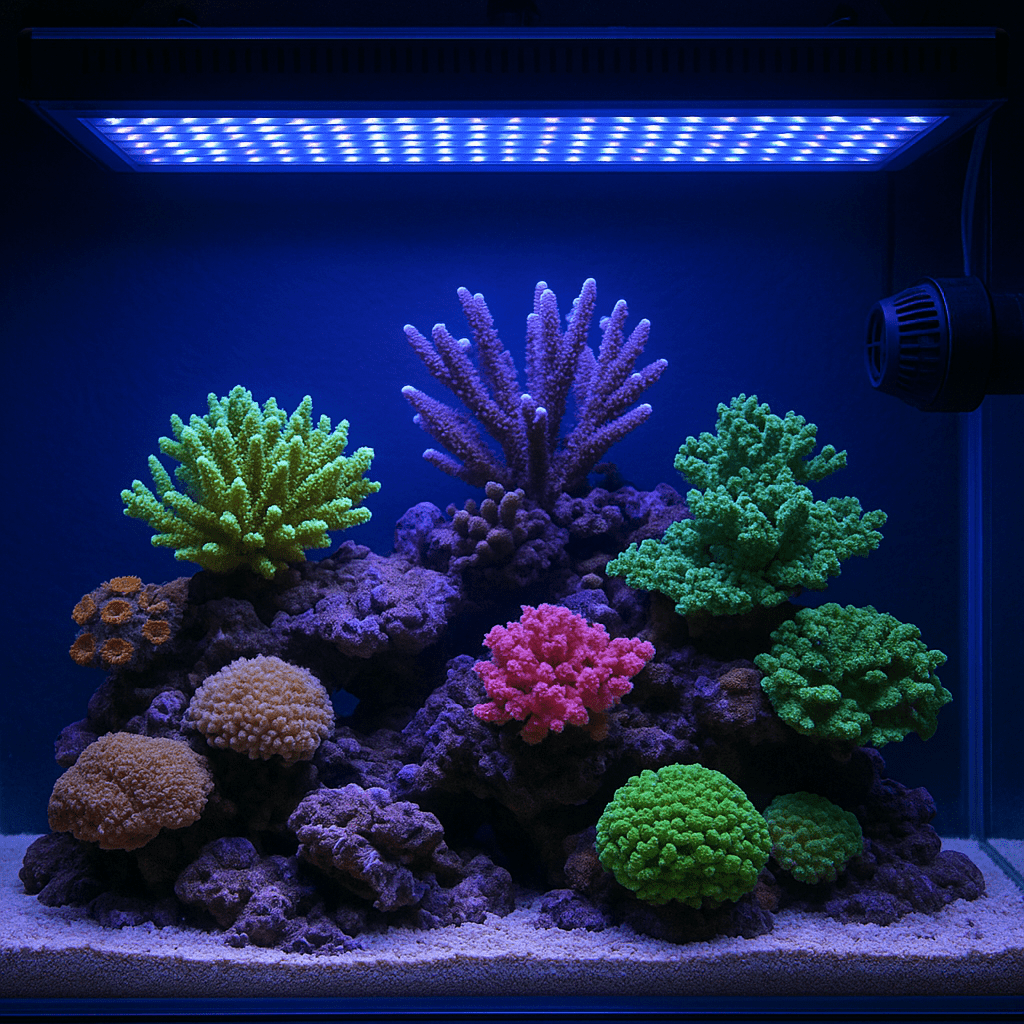
Reef Tank Plumbing Basics
Learn reef tank plumbing basics, including drains, return pumps, sump flow, noise control, and flood prevention for a…
 By
ByOur Reef Emergency Plan
A reef emergency plan helps you act fast during outages, leaks, and water quality crashes. Here is the…
[favorite_button]
My Bookmarks:
To see full list click here
[user_favorites user_id="" include_links="true" site_id="" post_types="" include_thumbnails="true" thumbnail_size="thumbnail" include_excerpt="false"]