Fragging soft corals is a simple way to grow your reef. It also helps you manage fast growers before they shade other corals. With clean tools and steady water, most softies heal fast.
Pick the right coral and prep your workspace
Start with hardy soft corals like mushrooms, zoanthids, leathers, and xenia. Avoid freshly shipped pieces. Wait at least 2 weeks after adding them. Look for full polyp extension and firm tissue.
Set up a small frag station next to the tank. Use a shallow tray with tank water. Add a second cup for rinsing. Keep paper towels and a trash cup nearby. Work fast to reduce air exposure.
Use sharp tools and keep them clean. A new razor blade works well for mushrooms. Bone cutters help with leather branches. Wear nitrile gloves and eye protection. Some soft corals release irritants.
- Tools: new razor, scissors, bone cutters, tweezers, super glue gel
- Mounts: frag plugs, small rubble, bridal veil mesh, rubber bands
- Water goals: 1.025 specific gravity, 77–79°F, pH 8.1–8.3
If your tank runs high nutrients, fragging can still work. Keep nitrate near 2–15 ppm. Keep phosphate near 0.03–0.10 ppm. Stability matters more than chasing zero. For baseline checks, review reef tank water parameters.
Fragging methods for common soft corals
For mushrooms, slice the cap like a pizza. Aim for 4–8 wedges per large mushroom. Each piece should include some mouth tissue. Place wedges in a low-flow cup with rubble. Cover with mesh for 7–14 days.
For leathers, cut a healthy edge section or a branch tip. Make one clean cut. Rinse the frag in tank water. Then secure it to rubble with a rubber band. Use light pressure only. Too tight can slice tissue.
For zoanthids, cut the mat between polyps. Use a scalpel and lift the mat from the rock. Glue the mat to a dry plug. Press for 10–15 seconds. Keep glue off polyp mouths. For safety, read zoanthid safety guide.
For xenia, cut a stalk near the base. Let it slime in a rinse cup. Then place it in a small dish with rubble. Cover with mesh until it grabs. Expect it to detach if flow is strong.
- Match flow to coral type. Mushrooms like low flow while healing.
- Use gentle light for 3–5 days. Then ramp back to normal.
- Label frags with date and source colony. Track healing time.
Aftercare, placement, and troubleshooting
Dip soft coral frags only if needed. Many dips stress soft tissue. If you must dip, keep it short. Use tank water and follow the product dose. Rinse well before the frag rack.
Place new frags on a rack in moderate flow. Aim for enough flow to move slime away. Avoid blasting the tissue. Keep them away from sweeper corals. Give at least 4 inches of space at first.
Watch for brown jelly, melting, or foul odor. Remove the frag fast if it rots. Increase aeration and run fresh carbon. Do a 10–20% water change if the tank clouds. For carbon use, see using activated carbon in a reef tank.
Common mistakes include rushing cuts and using dull blades. Another mistake is too much glue on wet tissue. Also avoid high light right after cutting. Give 7–10 days for most softies to attach. Some leathers take two weeks.
- If a frag won’t attach, reduce flow and re-mesh it for 5 more days.
- If polyps stay closed, check alkalinity at 8–9 dKH and temperature stability.
- If algae grows on cuts, increase flow and lower phosphate by 0.02 ppm per week.
Fragging can fund your hobby and reduce crowding. It also lets you share proven strains with friends. Take it slow and keep your hands clean. Your soft corals will reward you with fast recovery.
Sources: Delbeek & Sprung, The Reef Aquarium (Vol. 1–3); Borneman, Aquarium Corals; Fenner, The Conscientious Marine Aquarist.
Was this helpful?
Related Posts
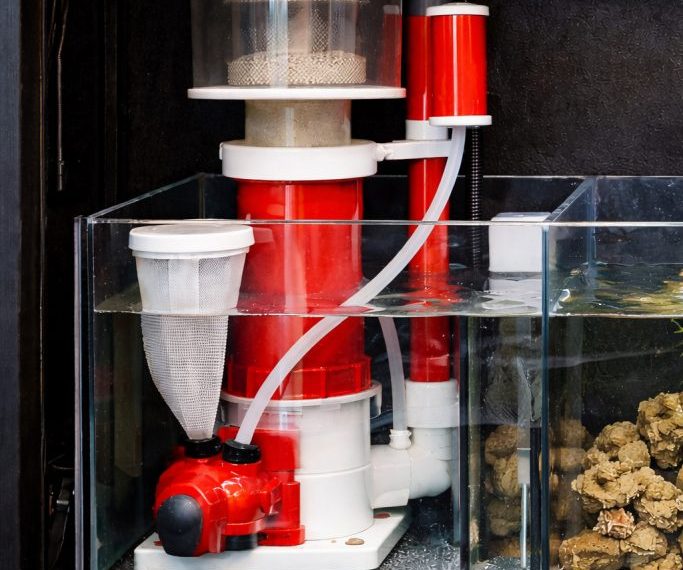
Protein Skimmer Reef Tank Guide
Learn how a protein skimmer works, how to size one, and how to tune it for a cleaner,…
 By
By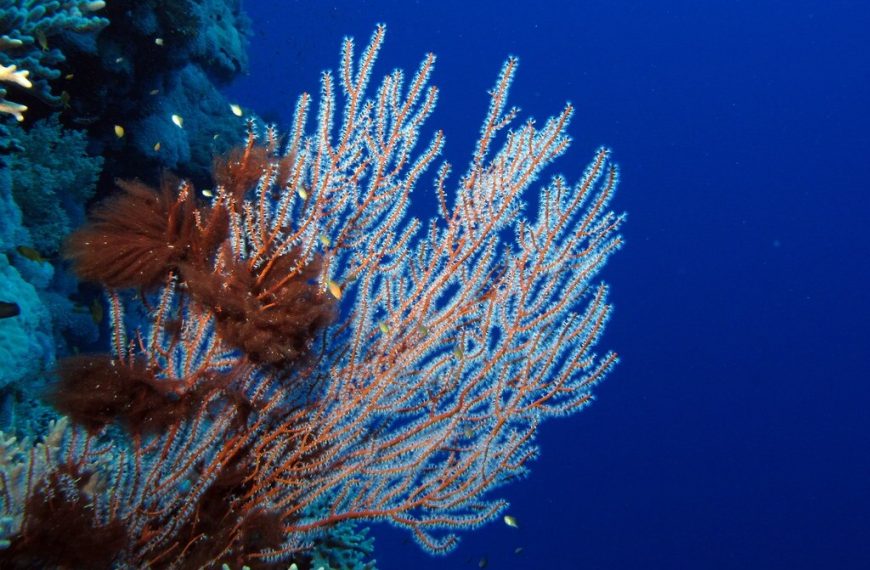
Reef Aquarium Water Parameters
Learn the ideal reef aquarium water parameters, safe ranges, and how to keep salinity, alkalinity, nutrients, and pH…