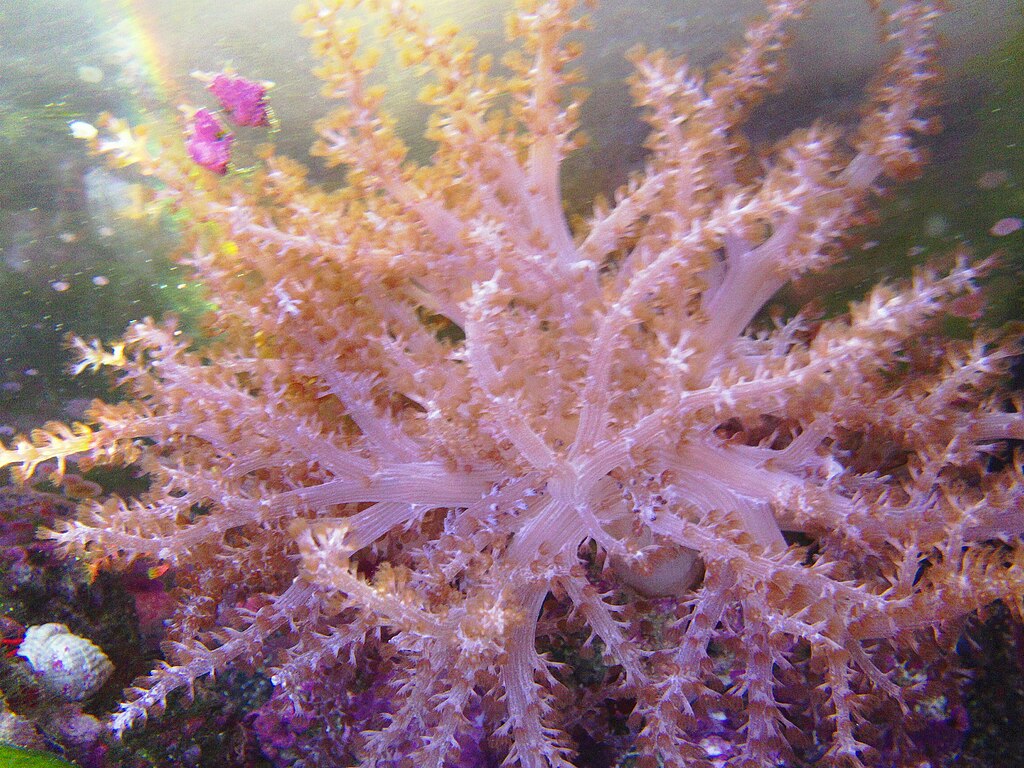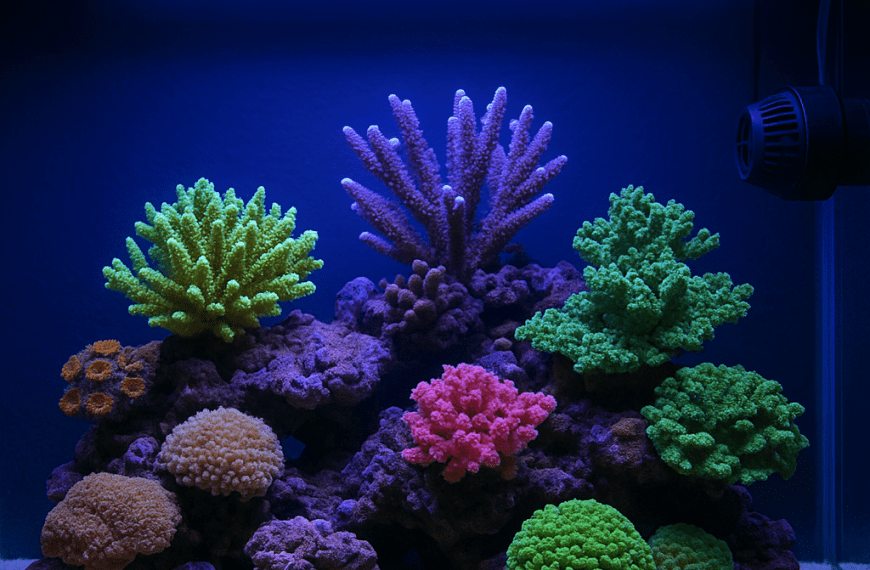
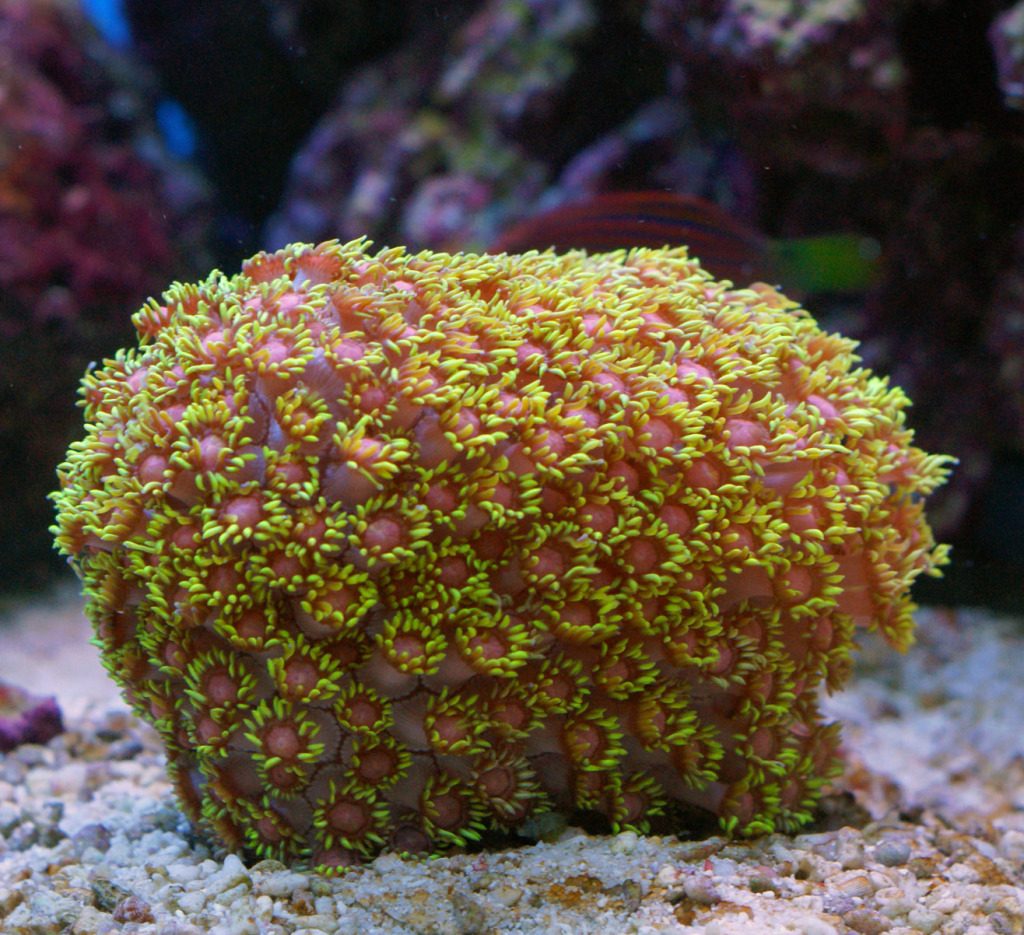
Goniopora and Alveopora look similar in a reef tank. Both have long, waving polyps and a “flower” look. The care details differ, so the right choice depends on your system.
How to tell Goniopora and Alveopora apart
The fastest ID clue is tentacle count per polyp. Goniopora usually has 24 tentacles. Alveopora usually has 12 tentacles. Use a phone zoom photo to count.
Skeleton structure can help when polyps retract. Alveopora often has thinner walls and a more delicate look. Goniopora skeletons tend to look denser. Color is not reliable for ID.
Polyp behavior can also differ. Many Alveopora extend easily and stay open longer. Some Goniopora are moody and can sulk for days. Stress shows as short polyps and dull color.
Buying by name alone is risky. Stores sometimes label both as “flowerpot coral.” Ask for a top-down photo under white light. If you are unsure, treat it like a sensitive Goniopora.
- Count the tentacles on one fully open polyp before purchase.
- Check for tissue recession around the base and edges.
- Look for consistent extension during store lighting hours.
Care differences: light, flow, and placement
Both corals prefer moderate light and gentle, varied flow. Start lower than you think. Aim for 80–150 PAR at the coral. Increase slowly over two weeks if the color browns.
Flow should move tentacles without flattening them. Think “sway,” not “whip.” Random flow helps keep detritus off the tissue. Direct jet flow can cause retraction and tissue damage.
Stability matters more than chasing numbers. Keep salinity at 1.025–1.026 and temperature at 25–26°C. Target alkalinity 8–9 dKH, calcium 420–450 ppm, and magnesium 1300–1400 ppm. Keep nitrate 5–15 ppm and phosphate 0.05–0.10 ppm.
Give them space. Long polyps can sting neighbors. Leave 8–10 cm clearance in all directions. Place on rock or sand where the base stays clean. For more on stable chemistry, review our reef tank water parameters guide.
- Acclimate to light with a 30–40% intensity reduction for 7 days.
- Use alternating flow modes, not a constant stream.
- Test alkalinity three times weekly during the first month.
Feeding, troubleshooting, and common mistakes
Feeding is where many tanks succeed or fail. Alveopora often does well with light broadcast feeding. Goniopora usually benefits from more frequent micro foods. Feed 3–5 times per week, especially in ultra-clean systems.
Use small particle foods. Try reef roids-style powders, rotifers, or fine plankton. Mix a pinch in tank water and broadcast upstream. Turn off return pumps for 10 minutes. Keep powerheads on low to suspend food.
If polyps stay short, check three things first. Verify alkalinity swings are under 0.3 dKH per day. Confirm nitrate is not at 0 ppm for weeks. Inspect for pests and irritation from sand or crabs. A quick dip can help, but match the temperature and salinity.
Common mistakes include blasting them with light, running nutrients too low, and moving them often. Another issue is placing them near aggressive LPS. When in doubt, move the aggressor, not the Goniopora. For safer introductions, see our coral dipping guide and coral quarantine basics.
- Short polyps: reduce flow, check alkalinity stability, and raise nitrate to 5 ppm.
- Browning: increase PAR by 10–15% and feed less for one week.
- Tissue recession: improve flow randomness and stop large parameter changes.
Goniopora vs Alveopora comes down to tolerance and feeding. Alveopora is often the easier first pick. Goniopora can thrive, but it rewards stable parameters and consistent micro feeding. Choose the coral that fits your nutrient level and maintenance style.
Sources: Borneman, E. “Aquarium Corals”; Delbeek & Sprung, “The Reef Aquarium” Vol. 1–3; Fenner, R. “The Conscientious Marine Aquarist”.
Was this helpful?
Related Posts
Best Reef Safe Cleanup Crew
The best reef safe cleanup crew includes hardy snails, selective scavengers, and a few specialty invertebrates matched to…
 By
By
Dragonets Fish Care
Dragonets are beautiful reef fish, but they need mature tanks and steady food sources. Learn how to keep…