Green Mandarin (Synchiropus Splendidus): A Living Jewel for the Reef Tank
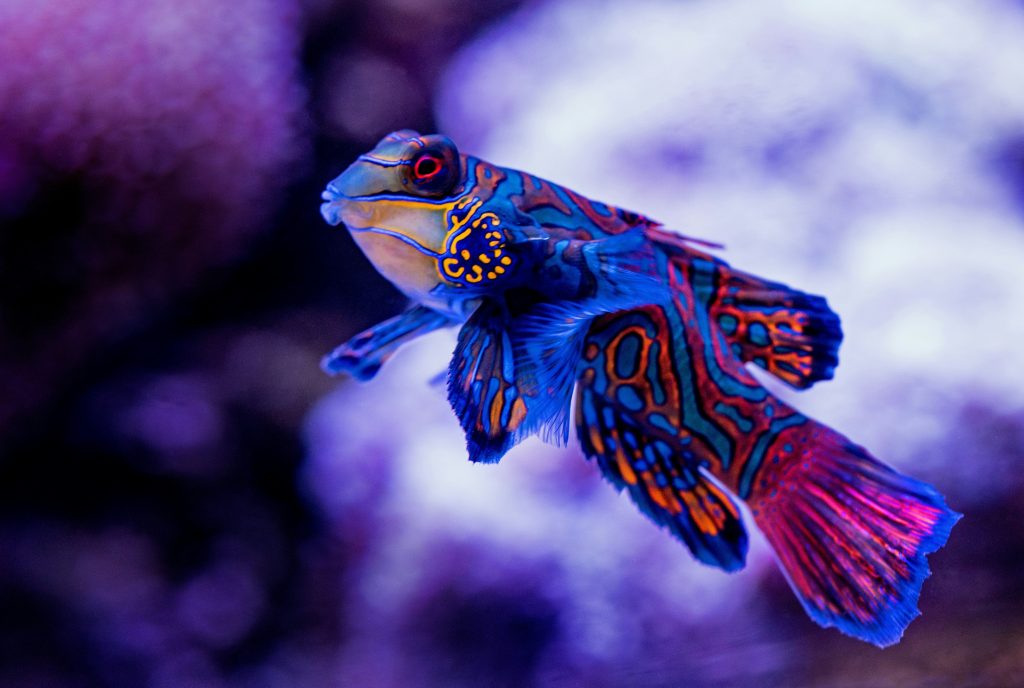
The Green Mandarin (Synchiropus splendidus) is one of the most stunning and sought-after fish in the saltwater aquarium hobby. With its psychedelic mix of green, blue, orange, and red, this small dragonet can quickly become the centerpiece of a peaceful reef tank. However, behind its beauty lies a reputation for being challenging to keep, mainly due to its specialized diet and sensitivity to poor conditions.
Before bringing home a Green Mandarin, it’s important to understand its needs so you can provide a healthy, stable environment where it can thrive for years.
Tank Requirements and Compatibility
Green Mandarins stay small (around 3–4 inches), but they are not ideal for nano tanks. They spend most of their day slowly hunting across the rockwork and sand, picking at tiny crustaceans called copepods and amphipods.
- Minimum tank size: 30 gallons for experienced keepers, but 55+ gallons with a mature refugium is strongly recommended.
- Rockwork: Plenty of live rock with crevices and caves where pods can reproduce.
- Tank maturity: At least 6–9 months old with a well-established microfauna population.
- Temperament: Peaceful and shy; best kept with other peaceful reef fish.
Mandarins are generally reef-safe and will not bother corals or most invertebrates. Avoid aggressive tankmates that may outcompete them for food or stress them, such as large wrasses or boisterous damsels.
For more guidance on building a stable system for sensitive fish, see our article on building a stable reef tank.
Feeding the Green Mandarin: The Real Challenge
Diet is where most hobbyists struggle. In the wild, Green Mandarins graze constantly on live pods. Many individuals never fully adapt to prepared foods, so relying on flakes or pellets is a recipe for slow starvation.
Live Food and Pod Production
- Seed your tank and refugium with quality copepod cultures.
- Allow time for pods to multiply before adding a mandarin.
- Supplement with live foods (e.g., live copepods, enriched baby brine shrimp) when pod populations seem low.
A refugium connected to the main display is one of the best tools for long-term success. It provides a safe breeding ground for pods that continuously migrate into the display. Learn more in our guide to refugium setup for reef tanks.
Training to Prepared Foods
Some captive-bred or very adaptable mandarins can be weaned onto:
- Frozen mysis shrimp (finely chopped)
- Frozen cyclops or other small planktonic foods
- Specialized small pellets designed for finicky feeders
Use a feeding dish or low-flow area where you can target-feed small amounts several times a day. Observe whether the mandarin is actually ingesting the food or just investigating it.
Hobbyist tip: Buy captive-bred mandarins when possible. They are often more willing to accept frozen and prepared foods, and you support sustainable collection practices.
Health, Behavior, and Long-Term Care
A healthy Green Mandarin will be active, constantly pecking at the rockwork, with a rounded—not pinched—belly. Sunken bellies are a clear sign of starvation. Keep water quality high with stable parameters and low nutrients.
- Ideal temperature: 76–80°F (24–27°C)
- Salinity: 1.024–1.026 specific gravity
- Ammonia & nitrite: 0 ppm; nitrate as low as practical
Mandarins are generally hardy against many common diseases, thanks to their thick slime coat, but they still benefit from proper quarantine procedures. For broader stocking ideas that pair well with mandarins, check out our beginner saltwater fish guide.
When their specialized needs are met—mature tank, abundant pods, peaceful tankmates—the Green Mandarin can live many years and reward you with natural, graceful behavior and dazzling color. With thoughtful planning and patience, this iconic dragonet can be a sustainable and successful addition to your reef aquarium.
Sources
- Fenner, R. M. The Conscientious Marine Aquarist. Microcosm Ltd.
- Sprung, J., & Delbeek, J. C. The Reef Aquarium series. Ricordea Publishing.
- MACNA and MASNA hobbyist presentations and husbandry notes on Synchiropus species (various).
Was this helpful?
Related Posts
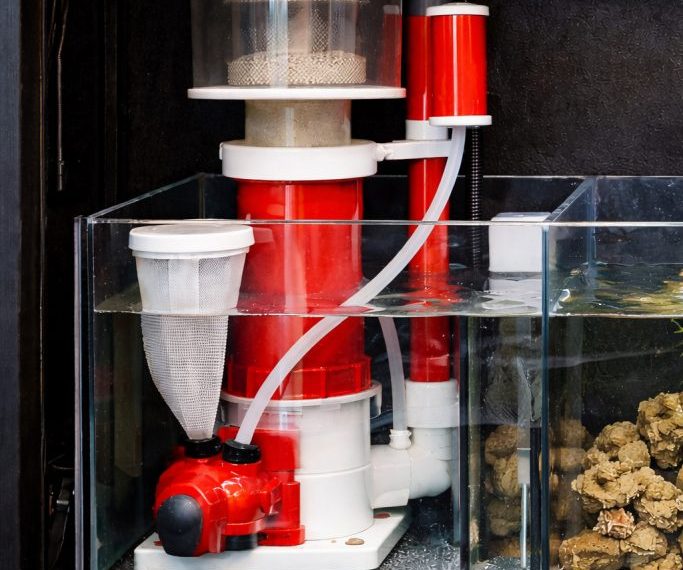
Protein Skimmer Reef Tank Guide
Learn how a protein skimmer works, how to size one, and how to tune it for a cleaner,…
 By
By
Reef Aquarium Water Parameters
Learn the ideal reef aquarium water parameters, safe ranges, and how to keep salinity, alkalinity, nutrients, and pH…