
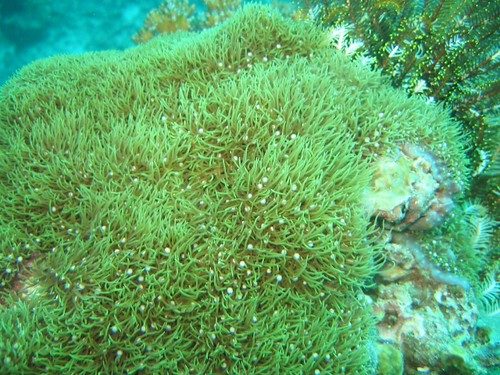
Green star polyps are one of the easiest corals to keep. They grow fast, wave beautifully, and tolerate beginner mistakes. They also spread aggressively. Good placement and simple maintenance are the keys to long-term success.
This coral is famous for its bright green polyps and purple mat. Many reef keepers use it to add motion to a tank. It can cover rocks, overflow boxes, and back walls. That fast growth is both a benefit and a challenge. In this guide, you will learn how to keep green star polyps healthy, where to place them, what light and flow they prefer, how to feed them, and how to control their spread before they overrun nearby corals.
Green Star Polyps Quick Reference
| Common name | Green Star Polyps |
| Scientific group | Pachyclavularia and related mat-forming colonial polyps |
| Care level | Easy |
| Temperament | Peaceful but invasive |
| Lighting | Low to moderate, can adapt to higher light |
| Flow | Moderate to high |
| Placement | Isolated rock, back wall, or dedicated island |
| Growth rate | Fast |
| Feeding | Mostly photosynthetic, benefits from fine foods |
| Ideal temperature | 76–79°F |
| Salinity | 1.025–1.026 |
| pH | 8.1–8.4 |
| Alkalinity | 8–10 dKH |
| Nitrate | 2–15 ppm |
| Phosphate | 0.03–0.10 ppm |
What Are Green Star Polyps?
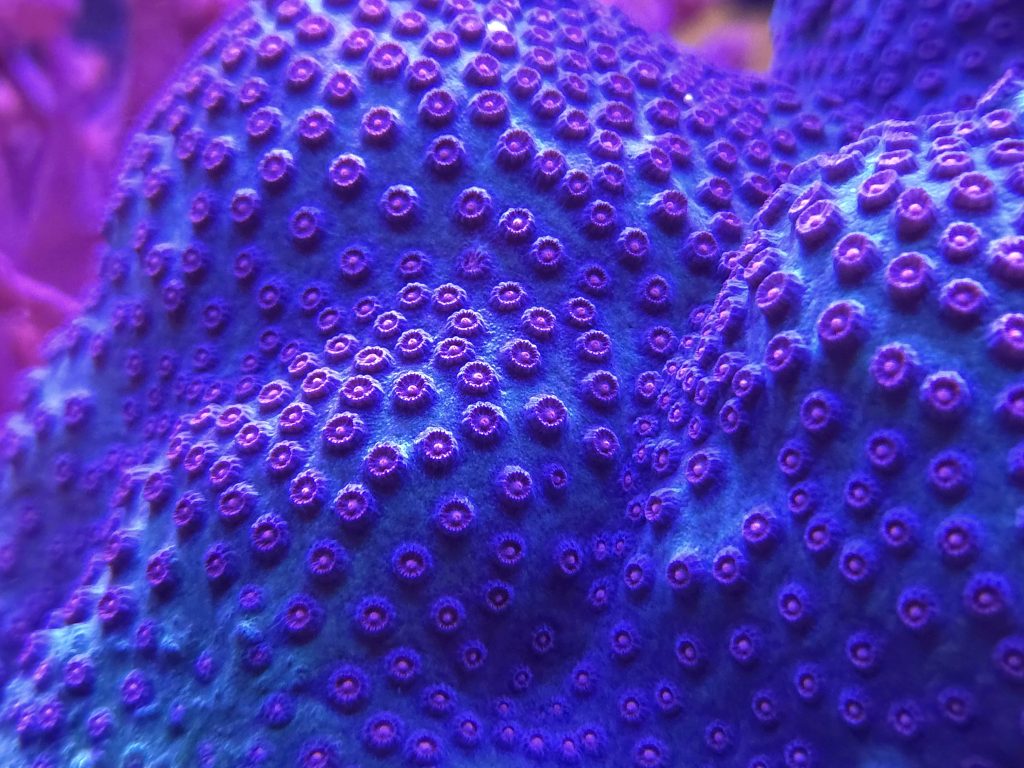
Green star polyps, often called GSP, are colonial soft corals. They grow from a rubbery purple mat called a stolon or encrusting base. From that mat, bright green polyps extend into the water. Each polyp opens like a tiny flower. In healthy tanks, the colony creates constant movement.
These corals are popular for beginner reef tanks. They handle small swings better than many SPS or LPS corals. They also recover quickly from shipping stress. That makes them common at local fish stores and online coral shops.
Still, easy does not mean careless. Green star polyps need stable salinity, decent flow, and enough light to thrive. They also need thoughtful placement. If you glue them onto your main rock structure, they can spread across it fast. Many hobbyists learn that lesson the hard way.
Natural Habitat
Green star polyps occur in shallow tropical reef environments. They are often found in areas with steady water movement. Waves and surge bring oxygen, suspended food, and waste export. That helps explain why they usually prefer moderate to strong flow in aquariums.
In nature, these colonies encrust hard surfaces. They spread over rock and reef rubble. They compete for space like many other colonial corals. Strong light is common in their habitat, but water depth and turbidity vary. That is why captive colonies can adapt to several lighting levels if changes happen slowly.
Their mat growth is a survival advantage. It lets them colonize open surfaces quickly. In a reef tank, that same trait makes them beautiful but invasive. Understanding their natural growth pattern helps you plan placement before the colony becomes difficult to manage.
Aquarium Setup
Green star polyps do well in nano tanks and large reef systems. Tank size matters less than stability. Even so, larger tanks make growth control easier. In small tanks, GSP can reach neighboring corals very quickly.
The best placement is an isolated rock island in the sand. Leave open sand around the rock. This slows spreading and makes trimming easier. Many hobbyists also place GSP on the back glass. That creates a living wall effect. It can look stunning when maintained.
Avoid placing green star polyps next to slow-growing corals. They can overtake zoanthids, mushrooms, and some LPS colonies. Keep them away from prized SPS bases too. If they grow onto a coral’s skeleton, removal becomes difficult. Use reef-safe glue on a small starter frag. Then give it room to expand in a controlled area.
Lighting Requirements
Green star polyps are very adaptable under reef lighting. Low to moderate light works well for most tanks. They can also live under stronger lights if acclimated slowly. Sudden jumps in PAR can cause stress and prolonged closure.
Under weaker light, growth may slow and the colony may stretch a bit. Under moderate light, most hobbyists see the best balance of color, extension, and growth. Stronger light often increases growth if nutrients and flow are also appropriate. Very intense light can bleach fresh frags if they come from dimmer systems.
If you use LEDs, start the frag lower in the tank. Move it upward over one to two weeks if needed. Watch for signs of stress. Closed polyps, faded color, or a pale mat can mean too much light. For more help with coral placement, see: coral placement guide, reef tank lighting basics, soft coral care tips.
Water Flow
Flow is one of the most important parts of green star polyps care. These corals like moderate to high, indirect flow. Good movement keeps detritus from settling on the mat. It also helps the polyps open fully and wave naturally.
Low flow often leads to a dirty mat surface. Film algae and debris can collect there. When that happens, the colony may stay closed for days. New hobbyists often blame lighting first. In many cases, the real problem is weak circulation.
Aim for random, turbulent flow rather than a harsh direct blast. If the tissue stays flattened all day, the current may be too strong. Adjust the powerhead angle so the colony sways but does not fold over constantly. In mixed reefs, this usually means placing GSP in an area with stronger movement than many fleshy LPS corals prefer.
Water Parameters and Stability
Green star polyps are hardy, but they still need stable water chemistry. Stable salinity matters most. Sudden salinity drops can keep polyps closed for several days. Use an ATO if possible. Top off evaporation with fresh water only.
Keep temperature between 76 and 79 degrees Fahrenheit. Maintain salinity at 1.025 to 1.026. Try to hold alkalinity between 8 and 10 dKH. Calcium and magnesium are less critical than for stony corals, but stable values still support overall reef health. Nitrate should not be zero. Phosphate should not be stripped completely either.
Many GSP colonies look better in tanks with a little nutrient availability. Ultra-clean systems can lead to weak extension or dull color. If your tank runs very lean, feed fish a bit more or reduce aggressive nutrient export. For more chemistry help, see: reef tank water parameters and how to lower phosphate in a reef tank.
Feeding
Green star polyps get most of their energy from light. Their zooxanthellae provide the bulk of their nutrition. That means direct feeding is not required for survival. In many tanks, they thrive without target feeding.
They can still benefit from fine suspended foods. Reef roids, phytoplankton blends, and tiny broadcast foods may support faster growth. Fish waste and dissolved nutrients also help. If you feed the tank regularly, your GSP likely receives enough.
Do not overfeed just for this coral. Extra food can raise nutrients too fast. That often leads to nuisance algae on the mat. If you want to feed, use a small amount once or twice weekly. Turn off the skimmer briefly if needed. Then restore normal filtration after the food has circulated through the tank.
Compatibility
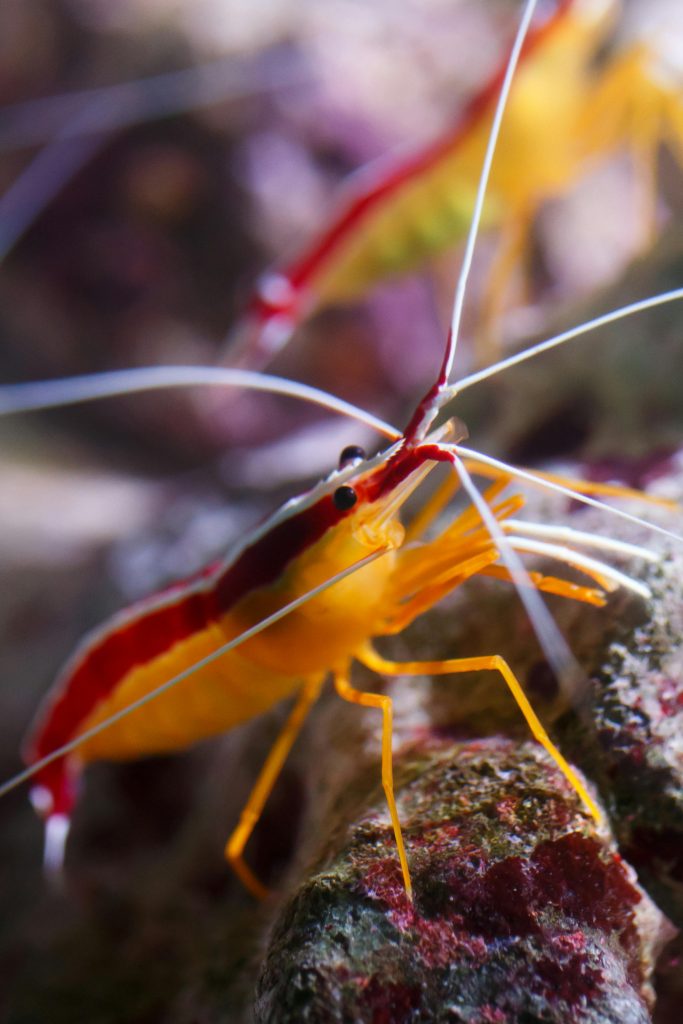
Green star polyps are generally reef safe with fish and invertebrates. Most clownfish, gobies, blennies, wrasses, and reef-safe shrimp ignore them. Some fish may perch near the colony, but that rarely causes harm.
The bigger compatibility issue is space competition. GSP does not have long sweeper tentacles. It wins by growing over nearby surfaces. That makes it a poor neighbor for slow growers. If the mat reaches another coral’s base, it can shade or crowd it over time.
Use distance as your main defense. Keep at least several inches between GSP and other encrusting or low-lying corals. Isolated rock islands work best. Avoid mixing it with corals you cannot easily move. In a soft coral tank, dedicated zones help prevent future headaches. Plan for the colony’s size six months from now, not its size today.
Propagation and Fragging
How Green Star Polyps Spread
Green star polyps spread by extending their purple mat over hard surfaces. Once the mat attaches, new polyps emerge. This makes propagation very simple. In many tanks, the coral practically frags itself.
How to Frag GSP Safely
Remove the rock if possible. Use a clean scalpel or coral cutters. Gently peel or cut a section of mat from the edge. Attach the piece to rubble, a frag plug, or a small rock with reef-safe gel glue or a rubber band. Give the frag moderate flow afterward. It usually attaches quickly.
Best Time to Trim
Trim the colony before it reaches neighboring rockwork. Edge trimming is easier than major removal. Small, regular cuts are less stressful than tearing away a large sheet later. Wear gloves and wash your hands after handling coral and tank water.
Common Problems
Why Are My Green Star Polyps Not Opening?
This is the most common question. Start with recent changes. Check salinity first. Then check temperature, alkalinity, and flow. Newly added frags may stay closed for several days. That can be normal. If the mat has a film on it, increase flow and gently turkey-baste debris away.
Why Is the Purple Mat Turning Brown?
Brown buildup often means algae or detritus is collecting on the mat. Low flow is a common cause. High nutrients can worsen it. Improve circulation, reduce trapped waste, and clean the area gently. Check phosphate and nitrate, but avoid stripping them to zero.
Why Is My GSP Growing Too Fast?
Fast growth means the coral is happy. It also means placement needs attention. Trim the edges often. Move frags to isolated rocks. Scrape unwanted growth from glass with a razor designed for aquarium use. Do not let it bridge onto your main aquascape.
Why Did My GSP Stop Waving?
A colony that opens but barely moves usually needs more flow. Reposition a powerhead to create varied current. Also check for tissue irritation from sand, snail activity, or sediment. Healthy polyps should extend and sway freely for much of the day.
Step-by-Step Care Plan for Beginners
- Choose a healthy frag with bright color and no peeling mat.
- Dip the coral if your normal quarantine process includes coral dips.
- Place it on an isolated rock or back wall area.
- Start under low to moderate light.
- Provide moderate to strong indirect flow.
- Keep salinity and temperature stable every day.
- Watch for full extension within several days.
- Clean detritus from the mat if needed.
- Trim edges early to prevent takeover.
- Enjoy the movement, but always manage the spread.
Frequently Asked Questions
Are green star polyps good for beginners?
Yes. They are one of the best beginner corals. They are hardy, affordable, and forgiving.
Can green star polyps live in a nano reef?
Yes, but growth control is harder. Use a small isolated rock and trim often.
Do green star polyps need feeding?
Not usually. Light provides most of their energy. Occasional fine foods can help growth.
How fast do green star polyps grow?
They can grow very fast in stable tanks. Many colonies visibly expand within weeks.
Can I put green star polyps next to other corals?
It is not ideal. They spread over nearby surfaces and can crowd slower corals.
Final Thoughts
Green star polyps are beautiful, hardy, and full of motion. They are also one of the easiest corals to underestimate. If you provide stable water, moderate light, and strong indirect flow, they usually thrive. If you place them carelessly, they can dominate your aquascape. Treat them like a fast-growing garden plant. Give them a defined space, trim them often, and they will reward you with one of the most eye-catching displays in a reef tank.
Was this helpful?
Related Posts
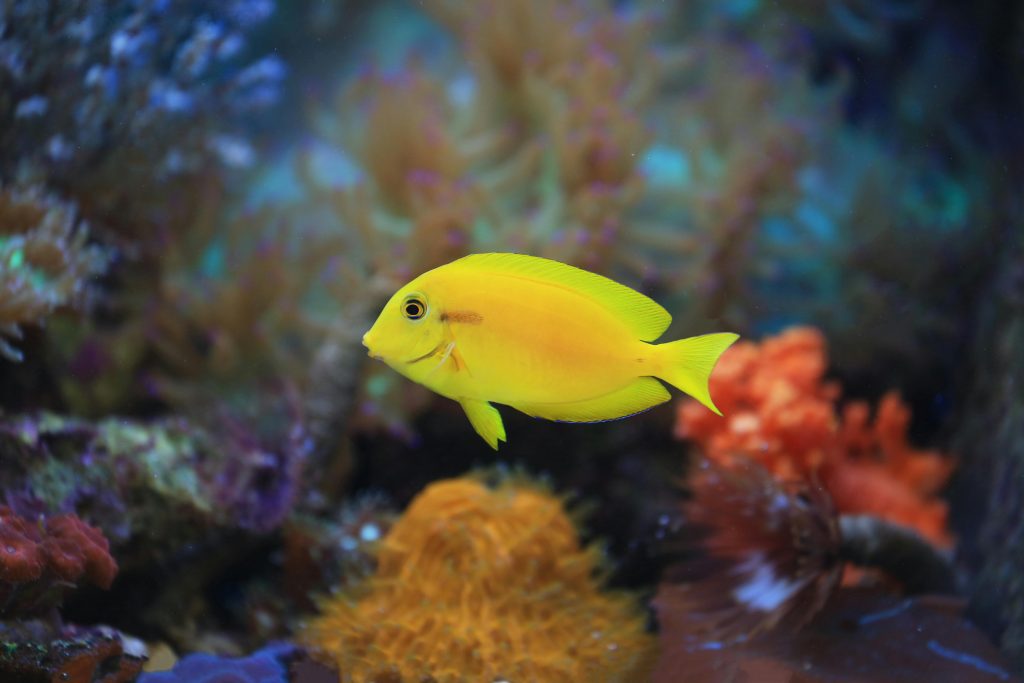
Juvenile Orange Shoulder (acanthurus Olivaceus)
Juvenile orange shoulder tangs are bright, hardy, and reef safe, but they grow large and need a spacious…
 By
By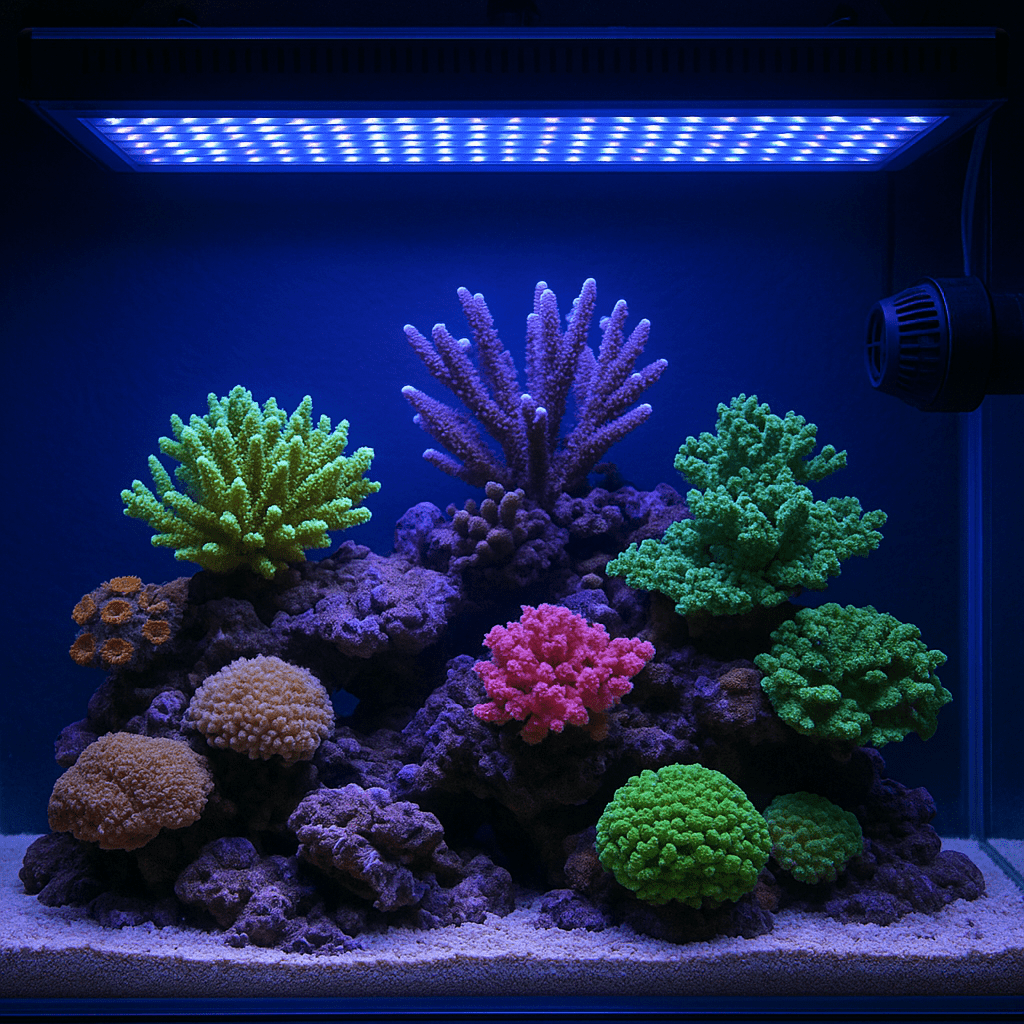
Best Filtration Systems
Best Filtration Systems for a Healthy Saltwater Aquarium Choosing the best filtration system for your saltwater aquarium is…
[favorite_button]
My Bookmarks:
To see full list click here
[user_favorites user_id="" include_links="true" site_id="" post_types="" include_thumbnails="true" thumbnail_size="thumbnail" include_excerpt="false"]