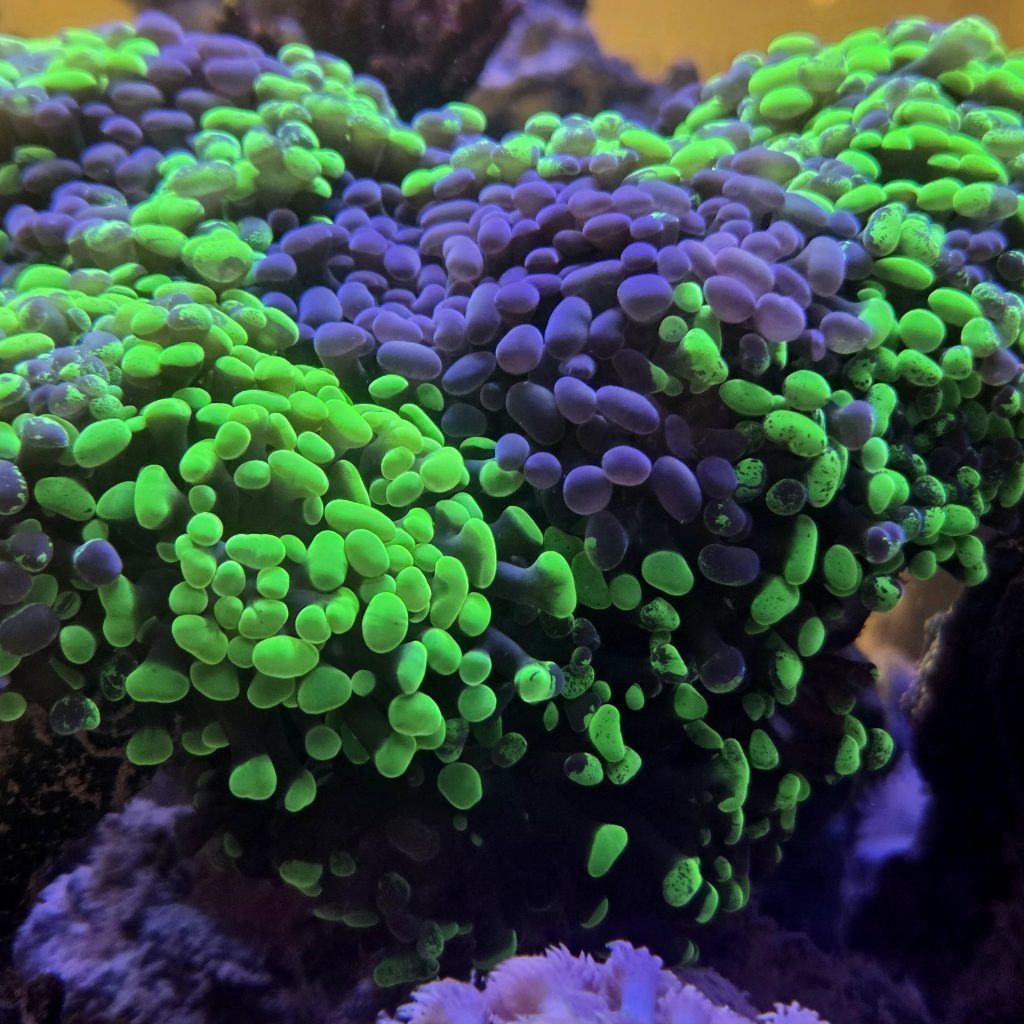
Hammer corals are hardy LPS with flowing, branching tips. They add motion and color without demanding extreme lighting. Good placement and stable chemistry are the real secrets.
Choosing a healthy hammer coral
Start with a coral that shows full daytime extension. Look for plump tissue and even color. Avoid torn flesh or exposed white skeleton.
Inspect the base for brown jelly or slime. Smell the bag water if you can. A strong rotten odor can signal tissue loss.
Ask how it was kept at the store. Match your light and flow to their holding system. That reduces shock during the first week.
Plan space before you buy. Hammers can sting nearby corals at night. Leave 4–6 inches of clearance for sweepers.
- Pick heads with intact “hammer” tips and no receding edges.
- Choose a frag with at least 2–3 healthy heads when possible.
- Skip specimens with flat, deflated tissue for several hours.
For a smooth start, follow a consistent acclimation routine. Float the bag for 15 minutes to match temperature. Then drip acclimate for 20–30 minutes if salinity differs.
Dip the coral to reduce pests and bacteria. Use a coral dip per label directions. Then rinse in clean tank water before placement.
If you need a quarantine plan, read our coral quarantine guide. A simple frag tank can prevent big losses. It also helps you observe feeding response.
Ideal parameters, lighting, and flow
Hammer corals like stability more than perfection. Keep temperature 25–26°C (77–79°F). Hold salinity at 1.025–1.026 specific gravity.
Maintain alkalinity at 8–9 dKH for steady growth. Keep calcium 420–450 ppm and magnesium 1300–1400 ppm. Aim nitrate 5–15 ppm and phosphate 0.03–0.10 ppm.
Lighting should be moderate. Target PAR 80–150 at the coral. Start lower for new frags and increase over 2–3 weeks.
Flow should be gentle and indirect. The polyps should sway, not whip. Too much flow causes retraction and torn tissue.
- Place hammers mid-level on rock or on the sandbed with a stable plug.
- Use a random flow mode instead of a constant jet.
- Test alkalinity 2–3 times weekly in new tanks.
Keep your chemistry steady with dosing or water changes. Many reefers use two-part daily. If alkalinity swings more than 0.5 dKH per day, slow down adjustments.
For help balancing nutrients, see our nitrate and phosphate basics. Ultra-low nutrients can starve LPS. Slightly “dirty” water often looks better.
Feeding, placement, and troubleshooting
Hammers can live on light and dissolved nutrients. They still benefit from occasional feeding. Feed 1–2 times per week for faster growth.
Offer small meaty foods at night. Try mysis, chopped krill, or LPS pellets. Turn off pumps for 10–15 minutes during feeding.
Watch for aggression in mixed reefs. Keep distance from acans, torches, and galaxea. If stings appear, move the hammer or add space.
Common issues include retraction, bleaching, and brown jelly. Retraction often means too much flow or a parameter swing. Bleaching usually follows high PAR or rapid light changes.
- If tissue recedes, check alkalinity first and correct slowly.
- If brown jelly appears, siphon it out and do an iodine dip.
- If tips melt, reduce flow and avoid blasting with a powerhead.
Brown jelly can spread fast between heads. Frag off infected heads if needed. Use clean cutters and discard the worst pieces.
Keep fish and inverts in mind too. Some angelfish and butterflies nip LPS. If you see repeated nips, isolate the coral or rehome the fish.
For long-term success, track trends, not single tests. Log alkalinity, nitrate, and phosphate each week. You can also review our stability checklist for a simple routine.
Sources: Borneman, E. (2001) Aquarium Corals; Delbeek, J. & Sprung, J. (1994–2005) The Reef Aquarium Vol. 1–3; Fenner, B. (2003) The Conscientious Marine Aquarist.
Was this helpful?
Related Posts
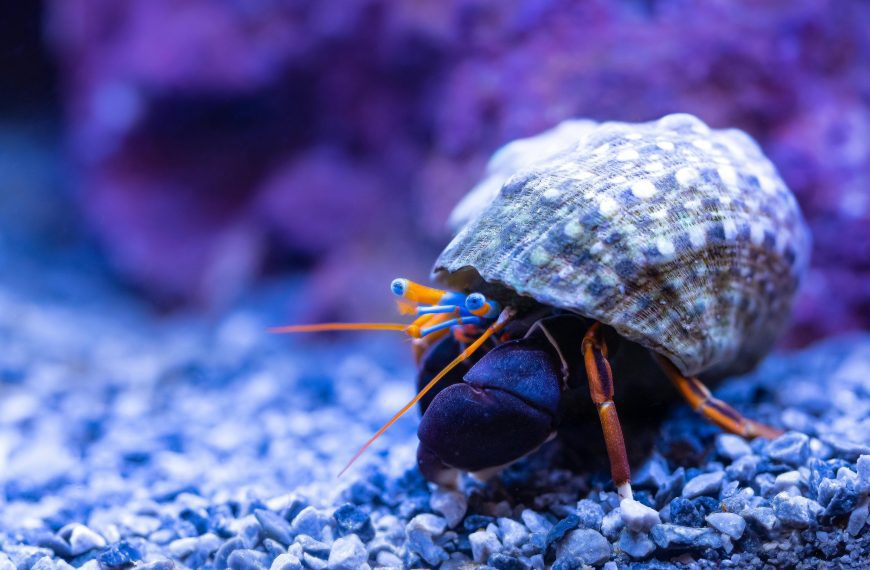
Best Reef Safe Cleanup Crew
The best reef safe cleanup crew includes hardy snails, selective scavengers, and a few specialty invertebrates matched to…
 By
By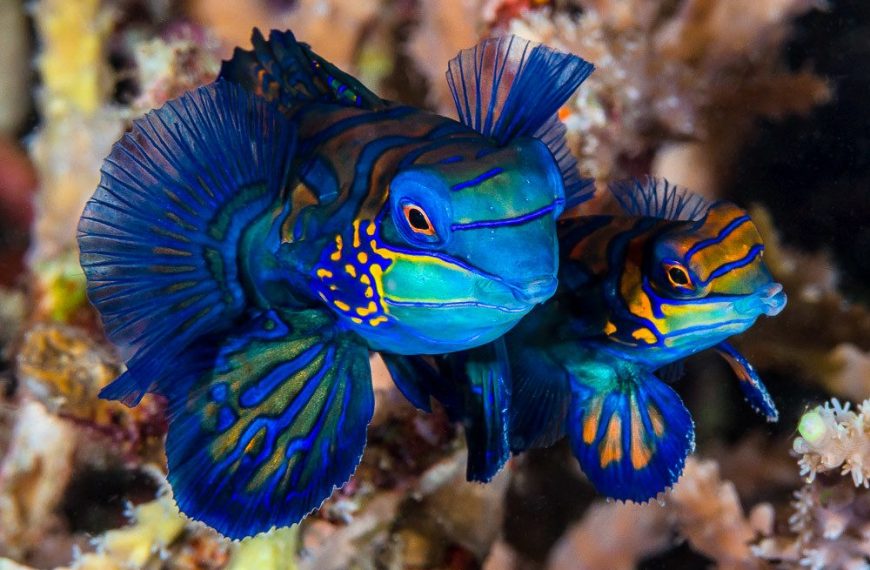
Dragonets Fish Care
Dragonets are beautiful reef fish, but they need mature tanks and steady food sources. Learn how to keep…