Harlequin Tusk (Choerodon Fasciatus): A Colorful, Toothy Showstopper
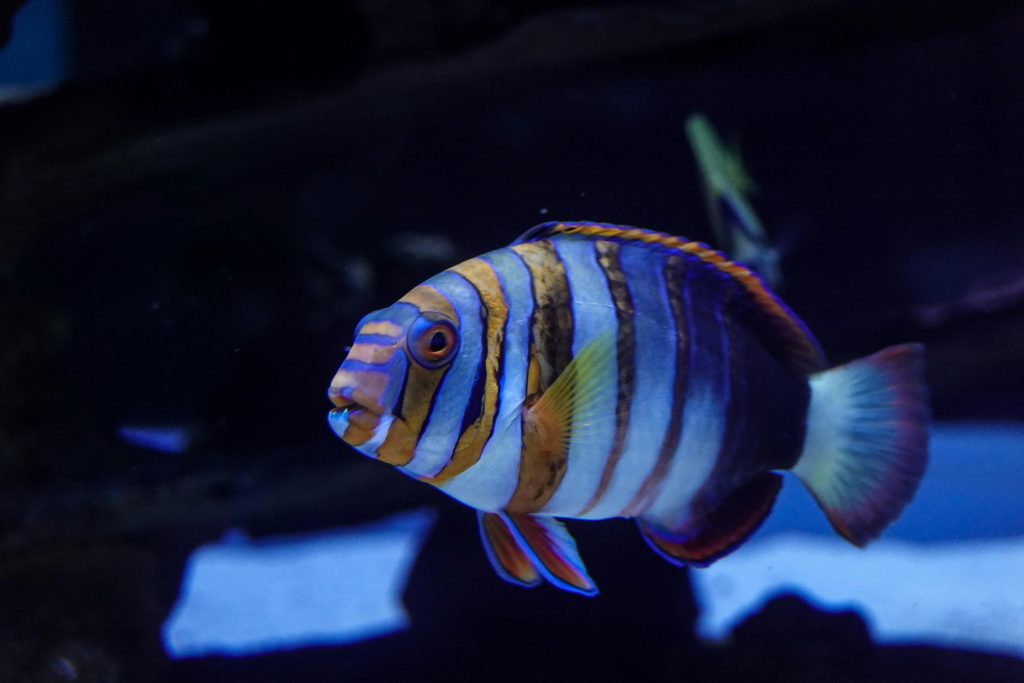
The Harlequin Tusk (Choerodon fasciatus) is one of the most striking wrasses in the saltwater aquarium hobby. With its bold orange and blue bands and bright blue “tusks,” this fish quickly becomes the centerpiece of any reef or fish-only system. While hardy and relatively peaceful for a predator, the Harlequin Tusk does have specific care needs and tankmate considerations that hobbyists should understand before bringing one home.
Natural Behavior, Size, and Tank Requirements
In the wild, Harlequin Tusks are found on coral reefs in the Western Pacific and Indo-Pacific, where they cruise rocky crevices in search of crustaceans, mollusks, and other invertebrates. In captivity, they keep much of this bold personality and active hunting behavior.
Key care and tank requirements include:
- Adult size: 8–10 inches on average, sometimes a bit larger.
- Minimum tank size: 120 gallons (4 feet long is an absolute minimum; 5–6 feet is better).
- Temperament: Semi-aggressive; usually ignores fish that are too big to eat but may harass very timid tankmates.
- Aquascape: Plenty of live rock with caves and overhangs for shelter and exploration.
- Water parameters: 1.023–1.026 specific gravity, 76–80°F, stable alkalinity and pH.
Because they are active swimmers and fairly bulky as adults, Harlequin Tusks really benefit from open swimming space and strong, stable filtration. A well-established system with robust biological filtration is strongly recommended. For stocking ideas and compatibility planning, see our guide on saltwater fish compatibility.
Feeding, Tankmates, and Reef Safety
Diet and Feeding Tips
Harlequin Tusks are carnivores that love meaty foods. A varied diet helps keep their colors vivid and their distinctive blue tusks strong and healthy.
- Offer frozen meaty foods such as mysis shrimp, krill, clam, squid, and chopped shrimp.
- Supplement with high-quality marine pellets formulated for carnivores.
- Feed 2–3 small meals per day rather than one large feeding to reduce aggression and waste.
- Use a feeding stick or target feeding to make sure the Tusk gets its share in a busy community tank.
Hobbyist tip: Because they crush hard-shelled foods with powerful jaws, Harlequin Tusks can help control unwanted snails and small crabs—but this also means your prized clean-up crew is at risk.
Tankmates and Reef Compatibility
Choosing the right tankmates is crucial. Harlequin Tusks are generally peaceful toward similarly sized or larger fish, but they are still predators.
- Good tankmates: Tangs, larger wrasses, angelfish, robust clownfish, and other semi-aggressive species.
- Risky tankmates: Very small fish, shy gobies, and dartfish that may be bullied or outcompeted for food.
- Invertebrates: Snails, hermits, shrimp, clams, and small crabs are often eaten or harassed.
When it comes to corals, Harlequin Tusks are typically reef-safe with caution. They rarely nip at corals themselves but can knock frags loose while hunting and will happily eat ornamental shrimp and other small inverts. If you’re planning a mixed reef, secure your rockwork well and consider focusing on larger fish and more resilient corals. For more guidance on planning a stable environment, check out our article on setting up a saltwater aquarium for beginners.
Acclimation, Health, and Long-Term Care
Harlequin Tusks are usually hardy once established, but they can be stressed by poor shipping and sudden changes in water quality.
- Quarantine new arrivals for 2–4 weeks to monitor for parasites and bacterial infections.
- Use a drip acclimation method to slowly match temperature, salinity, and pH.
- Provide dim lighting and hiding spots during the first few days to reduce stress.
- Watch for signs of marine ich, flukes, or bacterial infections, especially on the fins and gills.
With proper care, a Harlequin Tusk can live 8–10 years or longer in captivity. Stable water parameters, consistent feeding, and a thoughtful stocking plan are the keys to success. If you’re still deciding on your centerpiece fish, you may also want to compare the Tusk to other large, bold species in our best centerpiece saltwater fish guide.
For aquarists willing to meet their needs, Harlequin Tusks reward you with constant activity, stunning coloration, and loads of personality. They are an excellent choice for a large fish-only or predator-focused reef system where their natural behavior can truly shine.
Sources
- Michael, S.W. (2001). Marine Fishes: 500+ Essential-To-Know Aquarium Species. Microcosm Ltd.
- Fenner, R. (2008). The Conscientious Marine Aquarist. TFH Publications.
- FishBase: Choerodon fasciatus species summary (accessed 2024).
Was this helpful?
Related Posts
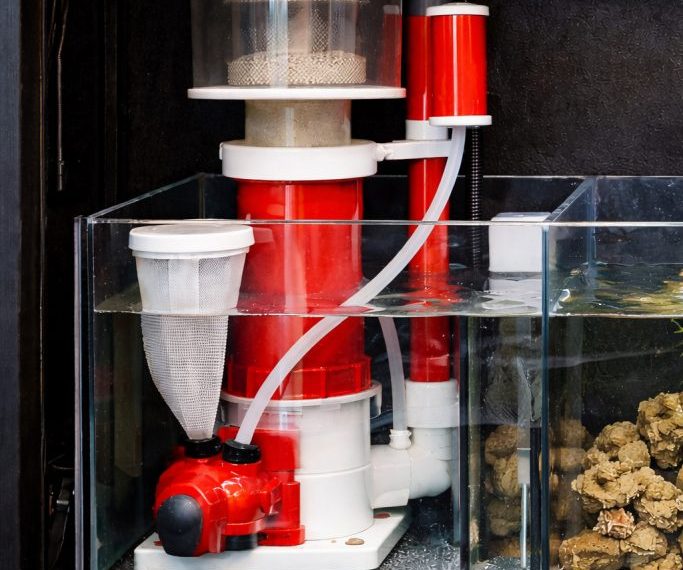
Protein Skimmer Reef Tank Guide
Learn how a protein skimmer works, how to size one, and how to tune it for a cleaner,…
 By
By
Reef Aquarium Water Parameters
Learn the ideal reef aquarium water parameters, safe ranges, and how to keep salinity, alkalinity, nutrients, and pH…