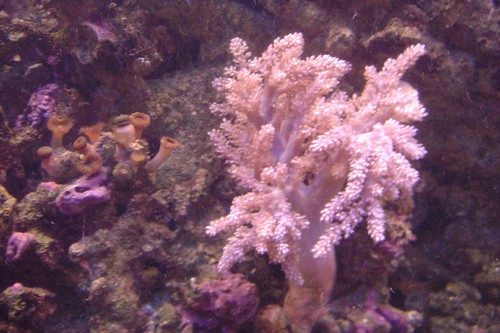
Kenya tree corals are hardy soft corals that suit many reef tanks. They grow fast, sway nicely, and forgive small mistakes. They can also spread quickly, so planning matters.
What Kenya Tree Corals Need to Thrive
Kenya tree corals (Capnella spp.) do well in stable, moderate reef conditions. Aim for 24–26°C (75–79°F) and salinity at 1.025–1.026. Keep pH at 8.1–8.4 and alkalinity at 8–10 dKH. Calcium at 400–450 ppm helps overall reef stability.
They prefer moderate, indirect flow. Too much flow keeps polyps closed and can tear tissue. Too little flow lets detritus settle on branches. Use a wavemaker on a random mode if possible. Adjust until the coral sways, not whips.
Lighting can be low to moderate. Many tanks succeed at 50–150 PAR. Start lower if the coral is new. Increase slowly over two weeks. Watch for shrinking or pale tissue during changes.
Nutrients matter for soft corals. Keep nitrate around 2–15 ppm and phosphate 0.03–0.10 ppm. Ultra-low nutrients can stall growth. High nutrients can fuel algae on the base. If you run a skimmer, tune it gently. For broader balance, review our reef tank water parameters guide.
Placement, Feeding, and Routine Care
Place Kenya trees on an isolated rock if you can. They often drop “branches” that attach elsewhere. This can turn one coral into many fast. An island rock makes pruning easier. Leave space from LPS corals and prized zoas.
They get energy from light, but they also benefit from food in the water. Feed 1–2 times per week if growth seems slow. Use fine foods like reef roids, rotifers, or phytoplankton blends. Turn off pumps for 10 minutes during feeding. Restart flow to prevent settling.
Weekly maintenance keeps them clean and extended. Siphon detritus near the base during water changes. Replace or rinse filter socks every 2–3 days. Keep a stable schedule for top-off and dosing. Stability beats chasing numbers.
- Target parameters: 1.025–1.026 SG, 8–10 dKH, 400–450 Ca, 1250–1400 Mg
- Flow goal: branches sway gently, no tissue flapping
- Light range: 50–150 PAR, ramp changes over 14 days
Propagation, Spreading Control, and Troubleshooting
Kenya tree propagation is simple and fast. Cut a healthy branch with clean scissors. Use a small container of tank water while working. Rinse the frag to remove slime. Then attach it to rubble using a toothpick and rubber band, or place it in a mesh cup until it grabs.
Spreading control is the main challenge. Fallen frags can land in your rockwork and take hold. Check the sand weekly for dropped pieces. Remove loose frags before they attach. Trade extras with local hobbyists or your store.
Closed polyps are common after handling or big changes. Give it 24–72 hours before you panic. If it stays closed, check salinity swing and alkalinity drift first. Also check for direct blasting flow. Consider a short dip only if pests are visible.
Soft corals can release chemicals during pruning. Run fresh carbon for 24–48 hours after major trimming. Increase surface agitation for better oxygen. If other corals sulk, do a 10–15% water change. For a safe start, follow our coral quarantine setup and learn how to dip corals.
- Common mistake: placing it on the main reef structure
- Quick fix: move it to an island rock and prune monthly
- After trimming: run carbon and do a 10% water change
Example scenario: Your Kenya tree leans and stays closed. Test alkalinity and salinity first. A swing from 1.026 to 1.023 can cause shutdown. Correct with slow top-off adjustments over 24 hours. Then reduce direct flow and wait two days.
Kenya tree corals reward steady care and simple routines. Give them moderate light, gentle flow, and stable parameters. Plan for their spreading and you will enjoy years of motion and easy frags.
Sources: Borneman, E. (2001) Aquarium Corals; Delbeek, J.C. & Sprung, J. (2005) The Reef Aquarium Vol. 3; Fenner, R. (2003) The Conscientious Marine Aquarist
Was this helpful?
Related Posts
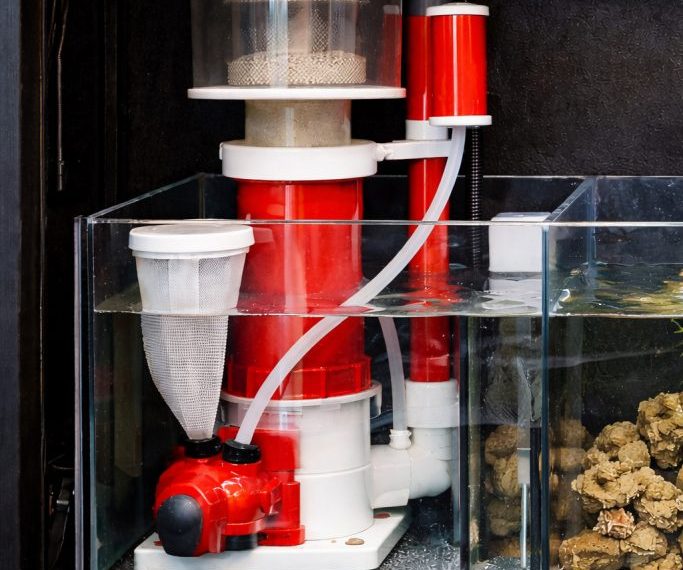
Protein Skimmer Reef Tank Guide
Learn how a protein skimmer works, how to size one, and how to tune it for a cleaner,…
 By
By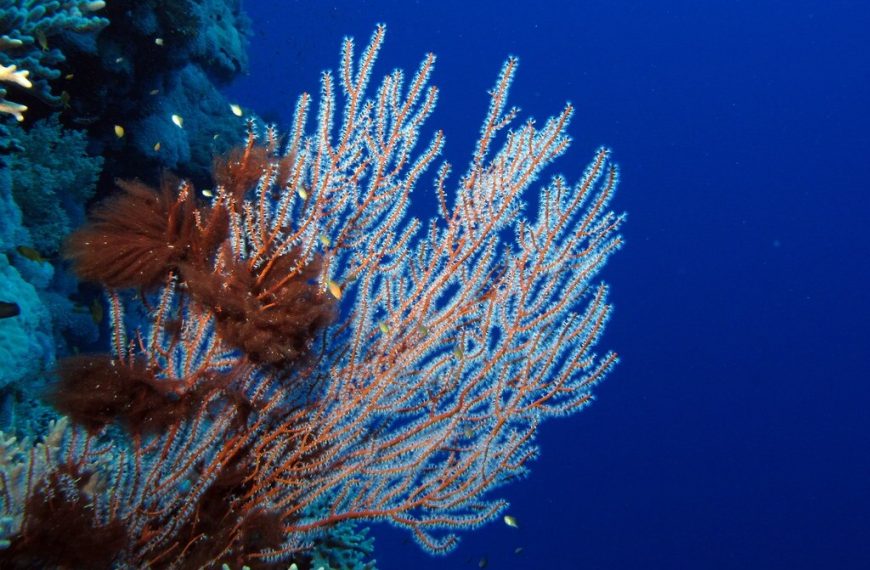
Reef Aquarium Water Parameters
Learn the ideal reef aquarium water parameters, safe ranges, and how to keep salinity, alkalinity, nutrients, and pH…