

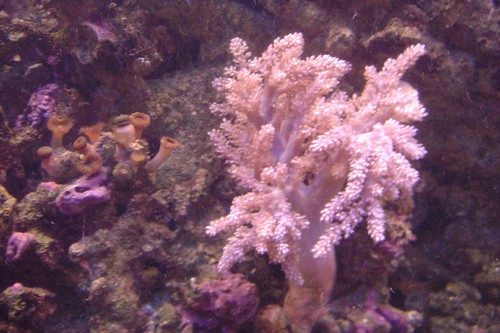
Kenya Tree corals are hardy soft corals that suit many beginner reef tanks. They grow fast, tolerate minor mistakes, and add flowing movement. Success depends on stable salinity, moderate light, and enough space. Their easy care comes with one warning. They can spread quickly if you do not manage them.
Many reef keepers meet Kenya Tree corals early in the hobby. They are common, affordable, and forgiving. That makes them a favorite starter coral. Still, they are not a coral to place without a plan. This species can drop branches, attach in new spots, and fill open rockwork over time. In this guide, you will learn how to identify Kenya Tree corals, set up the right tank conditions, feed and place them, control their spread, and troubleshoot common problems. If you want a soft coral with strong movement and simple care, this coral is often a great choice.
Quick Reference Care Table
| Common name | Kenya Tree Coral |
| Scientific group | Capnella species |
| Care level | Easy |
| Temperament | Peaceful but invasive growth |
| Placement | Lower to middle areas |
| Lighting | Low to moderate |
| Water flow | Moderate, indirect |
| Diet | Mainly photosynthetic, benefits from fine foods |
| Temperature | 76 to 78°F |
| Salinity | 1.025 to 1.026 |
| pH | 8.1 to 8.4 |
| Alkalinity | 8 to 10 dKH |
| Nitrate | 2 to 15 ppm |
| Phosphate | 0.03 to 0.1 ppm |
Use these values as a starting point. Stability matters more than chasing perfect numbers. Kenya Tree corals often do well in mixed reefs with balanced nutrients and consistent maintenance.
What Is a Kenya Tree Coral?
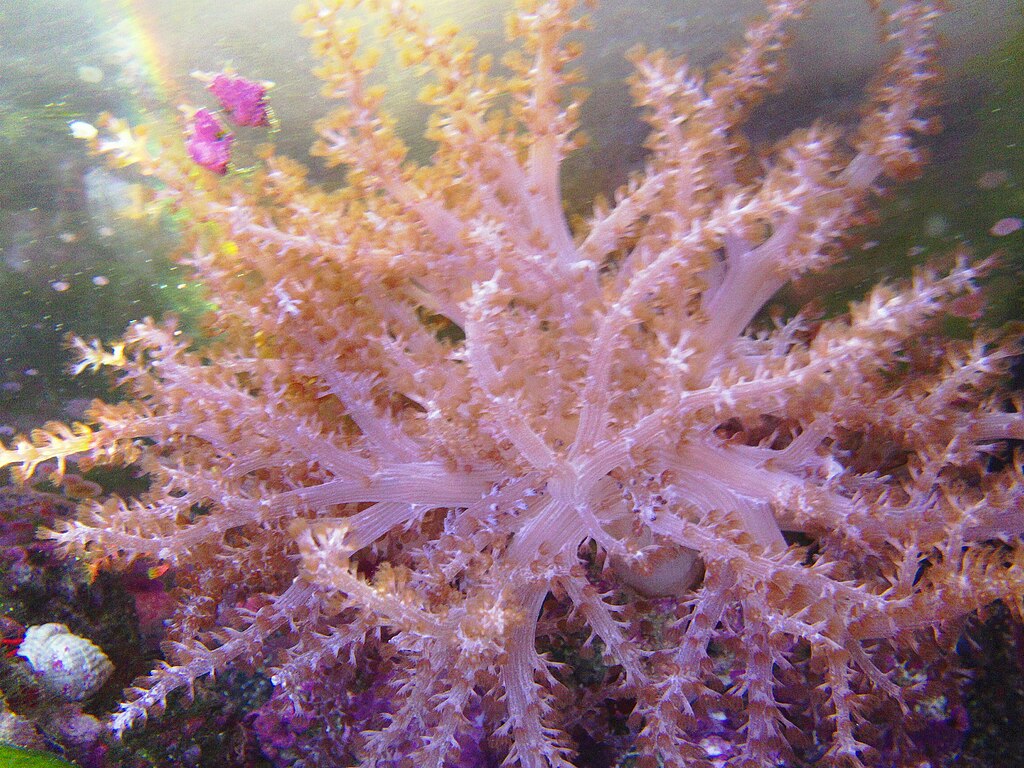
Kenya Tree coral is a soft coral in the genus Capnella. It has a trunk-like base and many flexible branches. The branches hold small polyps that give the coral a fuzzy look. Colors vary. Most are tan, brown, pinkish, or lavender. Under blue lighting, some strains look more purple.
This coral contains zooxanthellae. Those symbiotic algae provide much of its energy through photosynthesis. That is why Kenya Tree corals do not need intense feeding. They are also known for fast growth. Healthy colonies can expand quickly and sometimes release small branches that settle elsewhere. Hobbyists often call this self-fragging.
That growth habit is both a strength and a weakness. It makes the coral easy to propagate. It also means you should think carefully about placement from day one. In a small reef, one colony can become several in a short time.
Natural Habitat
Kenya Tree corals are found in the Indo-Pacific. They occur in reef zones with moderate current and steady light. In nature, they attach to hard surfaces and sway with passing flow. Soft corals like Capnella often thrive in nutrient-rich water compared with many stony corals.
These habitats help explain their aquarium care. They prefer water that is clean but not stripped. Ultra-low nutrient systems can leave them shrunken or dull. They also prefer indirect flow over harsh blasts. Their tissue is soft and flexible. Strong direct flow can keep the polyps closed and stress the colony.
Understanding the natural habitat helps with placement. Think of a reef ledge with moving water and moderate light. That is usually the sweet spot in a home aquarium as well.
Aquarium Setup
Kenya Tree corals can live in nano reefs, but larger tanks are easier to manage. A 20-gallon tank is a practical minimum. Bigger tanks give you more room to control spread. They also offer better stability. This matters for all soft corals.
Place the coral on its own rock island if possible. This is one of the best long-term tips. A separate island limits unwanted attachment points. It also makes pruning easier later. Leave space around the colony. Kenya Trees can grow taller and wider than many new hobbyists expect.
Use stable reef parameters. Keep salinity steady. Avoid sudden alkalinity swings. Maintain detectable nitrate and phosphate. This coral often prefers a tank with some nutrient availability. Good export still matters. Use water changes, a skimmer, or other filtration to prevent buildup. If you are still building your system, read our guide to reef tank setup and our overview of reef aquarium water parameters.
Lighting Requirements
Kenya Tree corals do best under low to moderate lighting. They usually thrive in the 50 to 150 PAR range. That makes them suitable for many beginner LED setups. They often do well on the sand bed, lower rockwork, or middle levels depending on the fixture.
Too much light can cause stress. The coral may stay closed, shrink, or look washed out. Too little light can slow growth and reduce extension. If you move a colony upward, acclimate it slowly. Increase exposure over several days. Light shock is avoidable with patience.
Remember that color changes are normal under different spectrums. A coral that looks brown under white light may appear purple under blues. Judge health by extension, growth, and tissue condition rather than color alone. If you want a broader soft coral plan, our article on soft coral care is a helpful next read.
Water Flow
Moderate, indirect flow is ideal. The coral should sway gently. It should not fold over from a constant blast. Good flow helps remove mucus and waste. It also brings oxygen and suspended food to the colony.
If flow is too low, detritus can settle on the branches. The coral may look dull or stay partly closed. If flow is too strong, the polyps may remain retracted. Tissue can become irritated over time. Aim for random movement rather than a narrow jet from a powerhead.
A simple test works well. Watch the branches for a few minutes. Healthy movement looks loose and natural. The coral should wave, not whip. Small adjustments in pump angle can make a big difference.
Feeding
Kenya Tree corals are mainly photosynthetic. In most tanks, lighting covers most of their energy needs. That said, they can benefit from occasional fine particle foods. Reef roids, phytoplankton blends, or other suspended foods may support growth in some systems.
Do not overfeed the tank for this coral. Heavy feeding can raise nutrients too fast. That creates algae problems and unstable water quality. If you feed, use small amounts once or twice each week. Turn off pumps briefly if needed. Then restore flow after a few minutes.
Many hobbyists never target feed Kenya Trees at all. That is fine. Focus on balanced nutrients and good overall reef nutrition. Fish feeding alone often provides enough dissolved and suspended organics for this species.
Compatibility
Kenya Tree corals are generally reef safe. They do not have the long sweeper tentacles seen in some LPS corals. Still, they can compete for space through growth and possible chemical warfare. Like many soft corals, they may release compounds into the water. Running carbon can help in mixed reefs.
They usually mix well with peaceful reef fish and most invertebrates. Avoid placing them where large hermits or bulldozing snails can constantly knock them over. Some angelfish and butterflyfish may nip soft corals, though this depends on the species and individual fish.
The biggest compatibility issue is with nearby corals. Kenya Trees can shade slower growers and attach where you do not want them. Keep distance from prized SPS frags and slow-growing zoanthid gardens. If you keep a mixed reef, review our guide to mixed reef compatibility before stocking heavily.
Propagation and Fragging
Why Kenya Tree Corals Are Easy to Propagate
This is one of the easiest corals to frag. In fact, healthy colonies often do it for you. Small branches can detach, drift, and attach elsewhere. That makes propagation simple, but it also explains why this coral can spread fast.
How to Frag a Kenya Tree Coral
Use clean scissors or a sharp blade. Cut a healthy branch from the colony. Wear gloves and eye protection. Soft corals can release irritating slime. Rinse the frag gently in tank water. Then attach it to rubble rock or a frag plug. A mesh cup, toothpick method, or loose rubber band can work. Do not cinch tightly. The tissue tears easily.
How to Control Unwanted Spread
Remove loose branches before they attach. Keep the colony on an isolated rock. Trim back overgrowth often. Some hobbyists place Kenya Trees in lower-flow corners to reduce drifting frags. Regular inspection is the key. Once several babies attach deep in the rockwork, removal becomes harder.
Common Problems
Why Is My Kenya Tree Coral Closed?
Temporary closure is common. Kenya Trees may close after handling, fragging, or a water change. They also close when shedding mucus. Check for recent changes in light, flow, salinity, or alkalinity. If the coral stays closed for several days, inspect for tissue damage, pests, or direct flow stress.
Why Is It Shrinking or Leaning?
Shrinking often points to instability. Sudden nutrient drops can also cause it. Leaning may be normal growth toward light or flow. It can also mean the base is not attached well. Review placement and test your water. Stable salinity and moderate nutrients usually help recovery.
Why Is My Kenya Tree Melting?
True tissue breakdown is more serious. Look for rapid parameter swings, bacterial irritation, or physical damage. Remove dying tissue if it is fouling the tank. Increase gentle flow nearby. Run fresh carbon. Perform a water change if needed. A healthy branch can sometimes be saved by fragging above damaged tissue.
Why Is It Taking Over My Tank?
This is a classic Kenya Tree problem. The solution is mechanical control. Remove dropped branches. Isolate the main colony. Frag and trade extras. Do not let detached pieces settle in hidden rock crevices. Prevention is much easier than removal.
Step-by-Step Placement Guide
Start by choosing an isolated rock with room around it. Place the coral in low to moderate light. Give it moderate indirect flow. Wait several days before making changes. Watch for polyp extension and gentle swaying. If it stays closed, adjust flow first. If it stretches upward, consider slightly more light. Once the coral settles, avoid moving it often. Stability helps soft corals adapt. Recheck nearby space every few weeks. Fast growth can surprise you.
Frequently Asked Questions
Are Kenya Tree corals good for beginners?
Yes. They are one of the best beginner soft corals. They tolerate small mistakes and grow readily.
Do Kenya Tree corals need feeding?
Usually not. Most of their energy comes from light. Occasional fine foods may help, but heavy feeding is unnecessary.
How fast do Kenya Tree corals grow?
They can grow quickly in stable tanks. Many colonies also spread by dropping branches that reattach elsewhere.
Can Kenya Tree corals sting other corals?
They are not known for long sweeper tentacles. Their main threat is overgrowth and possible chemical competition.
Where should I place a Kenya Tree coral?
Place it low to mid tank with moderate indirect flow and low to moderate light. Use an isolated rock if possible.
Final Thoughts
Kenya Tree corals are tough, attractive, and beginner friendly. They bring motion to a reef and usually adapt well. Their biggest challenge is not survival. It is growth control. If you give them stable water, moderate light, and smart placement, they can thrive for years. Plan ahead, isolate the colony, and prune when needed. Do that, and Kenya Tree coral can be one of the easiest soft corals in your reef.
Was this helpful?
Related Posts
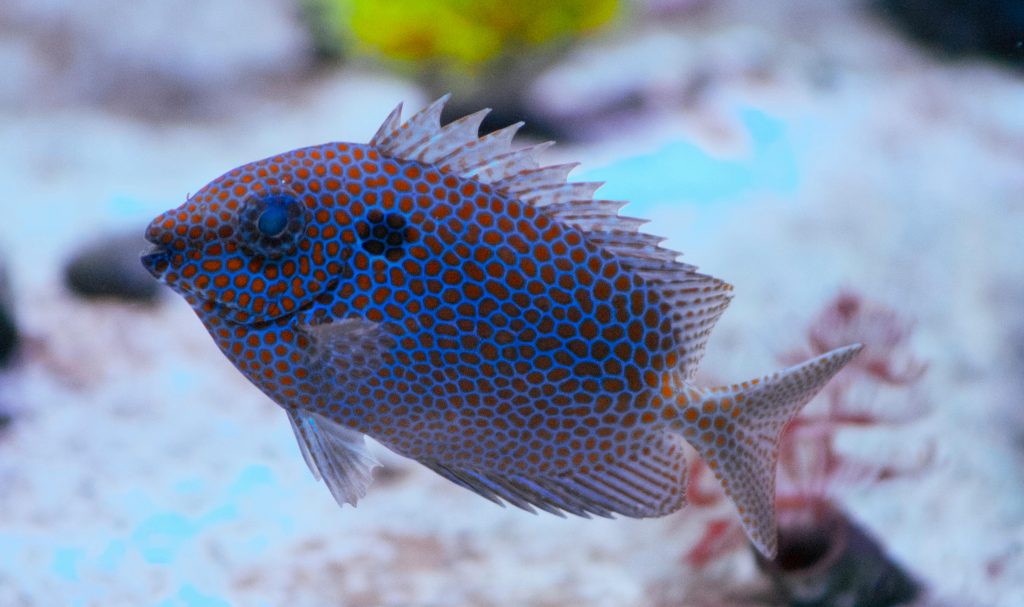
Gold Spotted Rabbitfish (Siganus Punctatus)
Gold Spotted Rabbitfish care includes large tanks, heavy algae feeding, and caution with corals. Learn tank size, diet,…
 By
By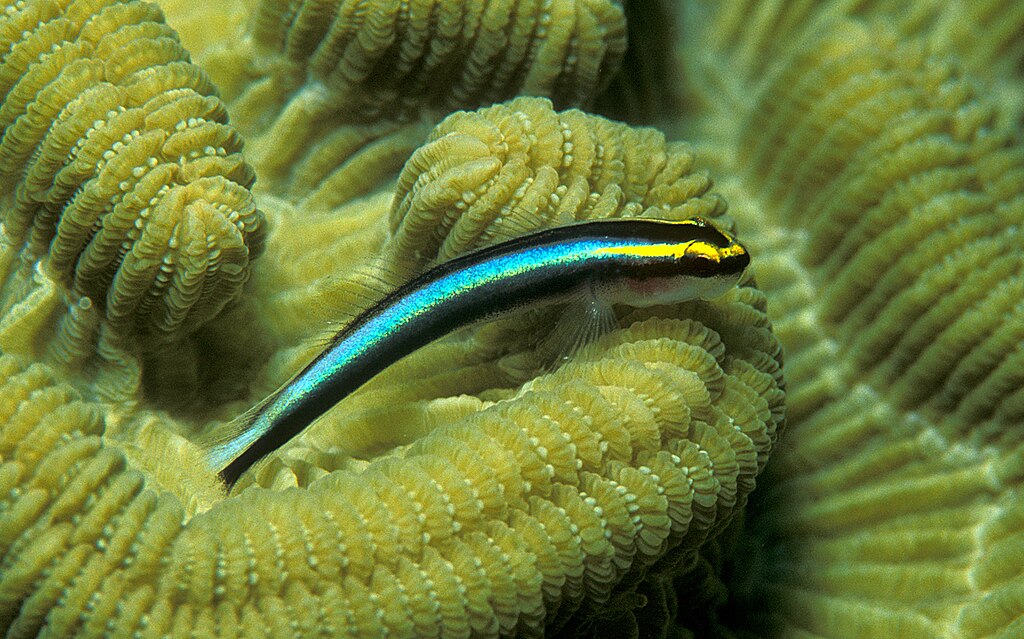
Sharknose Goby (Elacatinus evelynae)
Sharknose Goby care is simple in stable reef tanks. Learn feeding, tank setup, compatibility, and common problems for…
[favorite_button]
My Bookmarks:
To see full list click here
[user_favorites user_id="" include_links="true" site_id="" post_types="" include_thumbnails="true" thumbnail_size="thumbnail" include_excerpt="false"]