

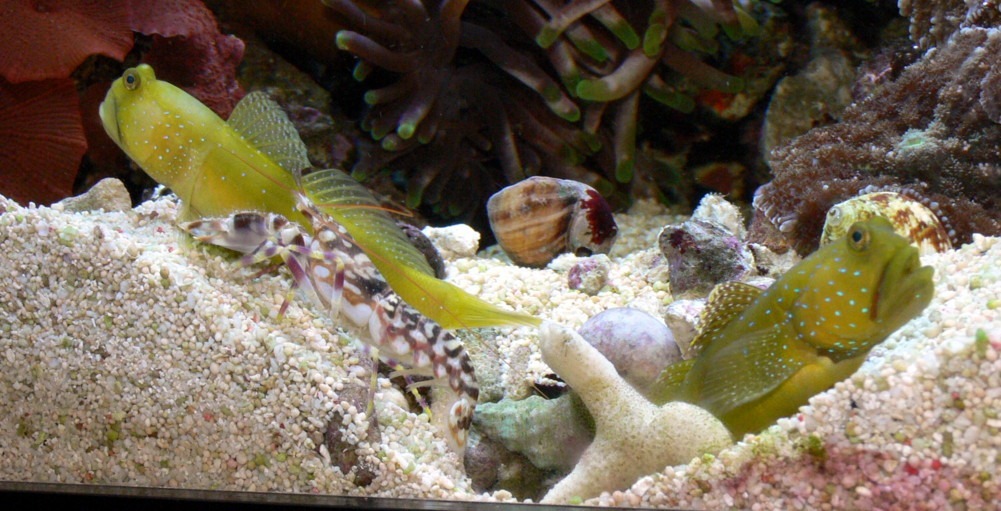
Pistol shrimp and goby pairing is one of the most rewarding behaviors in reef keeping. The shrimp digs and maintains a burrow. The goby stands guard. When conditions are right, both animals benefit. Hobbyists get a fascinating display of teamwork that can become the highlight of the tank.
This guide explains how the partnership works, which species pair best, and how to set up the aquarium for success. You will also learn about feeding, compatibility, common problems, and what to expect after adding them. A good pairing is not random. It depends on species choice, substrate depth, rock stability, and a calm introduction.
Quick Reference Table
| Care Factor | Recommendation |
|---|---|
| Difficulty | Easy to moderate |
| Minimum tank size | 20 gallons for small species, 30+ gallons preferred |
| Temperament | Peaceful to semi-territorial near the burrow |
| Substrate | Fine sand, 2 to 4 inches deep |
| Rockwork | Stable, supported on glass or firm base |
| Diet | Mysis, brine, pellets, finely chopped meaty foods |
| Lighting | Not demanding |
| Flow | Low to moderate near the burrow |
| Reef safe | Generally yes |
| Best known pairs | Randall’s goby, Yasha goby, Watchman goby with Alpheus pistol shrimp |
The best setup keeps the burrow area calm and secure. Fine sand helps the shrimp dig. Stable rocks prevent collapses. A covered tank is also important. Many gobies are excellent jumpers.
How the Pistol Shrimp and Goby Relationship Works
This pairing is a classic marine symbiosis. The pistol shrimp has poor eyesight. The goby has sharp vision. The shrimp builds and maintains a tunnel system. The goby watches for danger. When the goby senses a threat, it flicks or darts back. The shrimp stays in contact with the goby using its antennae. That contact tells the shrimp when it is safe to work.
In the aquarium, this behavior can start within hours or take several weeks. Some pairs bond quickly. Others need time. The shrimp usually chooses the burrow site. The goby may hover nearby at first. Once trust forms, the fish will sit at the entrance while the shrimp excavates sand and shell fragments. You will often see the shrimp rearrange the substrate daily. That is normal. It is part of how the pair keeps the home secure.
Best Species for Pistol Shrimp and Goby Pairing
Not every goby pairs with every pistol shrimp. The safest route is to choose known symbiotic species. Popular gobies include the yellow watchman goby, Randall’s prawn goby, Yasha goby, Hi Fin red banded goby, and wheeler’s goby. These species commonly form partnerships with Alpheus pistol shrimp in home aquariums.
For the shrimp, candy cane pistol shrimp and tiger pistol shrimp are common choices. Smaller gobies often do best with smaller Alpheus species. Large tiger pistols can move a lot of sand. They may also bulldoze frags if the layout is loose. If you want a peaceful nano display, a Randall’s goby with a candy cane pistol is a great option. If you want a bolder fish for a larger tank, a yellow watchman goby often works very well.
Whenever possible, buy an established pair. This removes much of the guesswork. If that is not possible, choose healthy specimens from compatible groups and introduce them into a suitable habitat at the same time.
Natural Habitat
In nature, these pairs live on sandy reef flats, lagoon edges, and rubble zones in the Indo-Pacific. They prefer areas with loose sediment and scattered rock. The shrimp uses sand, shell bits, and rubble to create a tunnel. The goby stays near the entrance and warns of predators.
This habitat explains their aquarium needs. They do not want bare-bottom conditions. They also do not want unstable rock piled on shifting sand. Their world is built around a secure burrow with open space nearby. In the wild, the fish can retreat instantly. In the aquarium, they need that same sense of safety. If the environment feels exposed, the goby may hide constantly and the shrimp may stay underground for long periods.
Aquarium Setup
A 20-gallon tank can work for smaller species. A 30-gallon or larger tank is easier to manage. Stability matters more than sheer size, but extra water volume helps. Use fine sand or a fine mixed substrate. Aim for 2 to 4 inches deep in at least one section. This gives the shrimp enough material to dig and reinforce the burrow.
Place rocks securely before adding sand, or support them on a stable base. Never let heavy rock rest on loose substrate alone. The shrimp will dig under it. That can cause collapses. Leave some open sand at the front or side of the tank. That increases your chance of seeing the pair. Many hobbyists create a rubble zone with small shell pieces near the chosen burrow area. The shrimp often uses those pieces as building material.
A lid is strongly recommended. Gobies can jump during acclimation, feeding, or when startled. Keep aggressive sand sifters away from their territory. Constant disturbance can prevent the pair from settling.
Lighting Requirements
Pistol shrimp and gobies do not need special lighting. Their needs are driven more by shelter than by intensity. In reef tanks, they adapt well to standard coral lighting as long as they have shaded areas and a secure burrow.
Very bright light over an exposed sand bed can make a new goby feel vulnerable. That does not mean the light is harmful. It means the layout may need more cover. Overhangs, lower rock arches, and a quiet corner can help. If your reef uses intense LEDs for SPS corals, the pair can still thrive. Just make sure they can choose a protected site. Their behavior is usually a better guide than the light meter. A settled goby will perch confidently. A stressed goby will vanish for long periods.
Water Flow
Moderate water flow is ideal for most reef tanks, but avoid blasting the burrow entrance. Strong direct flow can collapse loose sand and force the pair to rebuild constantly. It can also make the goby avoid the entrance. Position pumps so the main current passes above or around the burrow zone.
Low to moderate flow near the sand works best. The pair should be able to maintain a stable entrance without endless excavation. If you see sand storms or repeated cave-ins, redirect the pump or shield the area with rock. Stable flow helps the shrimp keep its tunnel and allows the goby to hover naturally at the entrance.
Feeding
Most gobies in these pairings are easy feeders once established. Offer small meaty foods such as mysis shrimp, enriched brine shrimp, finely chopped seafood, and quality sinking pellets. Feed once or twice daily. Target feeding near the burrow helps shy new arrivals. The shrimp often grabs leftovers or accepts food directly.
Do not assume the shrimp lives only on scraps. In a busy reef tank, faster fish can intercept most food. Use a turkey baster or feeding tube to deliver food near the entrance. Watch the goby’s body shape. A healthy fish looks full through the belly, not pinched. If the shrimp is rarely seen, that is not always a problem. Many pistols feed mostly from within the tunnel system. Consistent feeding and low competition matter more than visual confirmation.
Compatibility
These pairs are usually reef safe. They ignore corals and most invertebrates. The main issue is sand movement. A pistol shrimp can bury small frags, shift rubble, and undermine loose decorations. Keep coral frags on secure plugs or elevated racks until the pair settles. Avoid placing delicate LPS directly on unstable sand near the burrow.
Fish compatibility is generally good with peaceful reef species. Clownfish, firefish, blennies, cardinalfish, and small wrasses often coexist well. Avoid aggressive bottom dwellers that compete for the same territory. Dottybacks, large hawkfish, and some wrasses may harass the goby or prey on small shrimp. Other burrowing gobies can also create disputes in small tanks. If you want multiple sand perchers, provide a larger footprint and distinct territories.
For more stocking guidance, see reef safe fish for beginners, best clean up crew for reef tank, reef tank sand bed guide, and how to quarantine reef fish.
Step-by-Step Guide to Successful Pairing
Start by choosing compatible species. Established pairs are easiest. If buying separately, select a known symbiotic goby and an Alpheus pistol shrimp. Quarantine both when possible. Observe feeding and health before introduction.
Next, prepare the tank. Add fine sand and secure rockwork. Pick a calm area with some cover. You can place a small rubble pile there. Acclimate both animals carefully. Many hobbyists add them at the same time near the same spot. That often improves the chance of bonding.
After release, dim the lights and reduce disturbance. Feed lightly near the area. Do not keep moving rocks or chasing the goby with a net. The shrimp may disappear at once. That is normal. The goby may hover alone for a few days. Once the shrimp establishes a tunnel, the goby often joins it. Be patient. Pairing can happen quickly, but some animals need more time.
Propagation or Breeding
Can they breed in home aquariums?
Gobies and pistol shrimp may spawn in aquariums, but raising the young is difficult. Larvae are tiny and need specialized food and separate rearing systems. Most hobbyists keep them for behavior rather than breeding projects.
What signs suggest spawning behavior?
In bonded pairs, you may notice increased burrow activity, closer contact, and stronger territorial behavior. These signs are interesting, but they rarely lead to successful home rearing without advanced preparation.
Common Problems
Why are they not pairing?
The most common causes are incompatible species, too little substrate, excessive aggression, or simple lack of time. Some gobies and shrimp never bond. Others pair after several weeks. Confirm species compatibility first. Then check the habitat. Add more fine sand and reduce disturbances near the chosen burrow area.
Why does the goby hide all the time?
Shyness often comes from stress. Aggressive tank mates are a major cause. So is a tank without secure cover. Poor acclimation can also contribute. Test water quality and watch for bullying. A healthy, settled goby usually spends at least part of the day at the burrow entrance.
Why is the shrimp moving sand everywhere?
This is normal behavior, but it can become excessive in high flow or with unstable tunnel walls. Redirect pumps and provide rubble pieces. Secure nearby frags. Expect some daily rearranging. That is part of keeping this pair.
Why did the goby jump?
Gobies jump when startled, chased, or stressed. Use a tight lid or mesh screen. Check for aggression. Avoid sudden movements during acclimation and maintenance. A secure top is essential, not optional.
Frequently Asked Questions
Can any goby live with a pistol shrimp?
No. Choose known symbiotic gobies. Watchman, Randall’s, Yasha, and Hi Fin gobies are common examples.
Does a pistol shrimp harm corals?
Usually no. The real issue is sand movement. The shrimp may bury low frags or shift loose rock and rubble.
How long does pairing take?
It can happen the same day or take several weeks. Species choice, stress level, and tank setup all matter.
Do pistol shrimp make loud sounds?
Yes. They can produce audible snaps. In most reef tanks, this is harmless and completely normal.
What is the best beginner pair?
A yellow watchman goby with a compatible pistol shrimp is often the easiest and most available beginner choice.
Final Thoughts
Pistol shrimp and goby pairing adds personality and natural behavior to a reef tank. Success depends on planning. Choose compatible species. Provide deep fine sand. Secure the rockwork. Keep the area calm. Feed consistently. Most problems trace back to setup or tank mates. When those basics are right, this partnership is hardy, engaging, and surprisingly easy to enjoy for years.
Was this helpful?
Related Posts
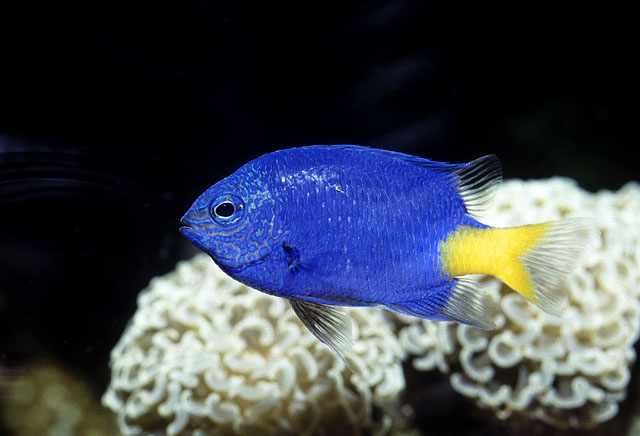
Yellowtail Damselfish (Chrysiptera Parasema)
Yellowtail Damselfish are hardy, colorful, and reef safe, but they can be territorial. Learn their care, feeding, tank…
 By
By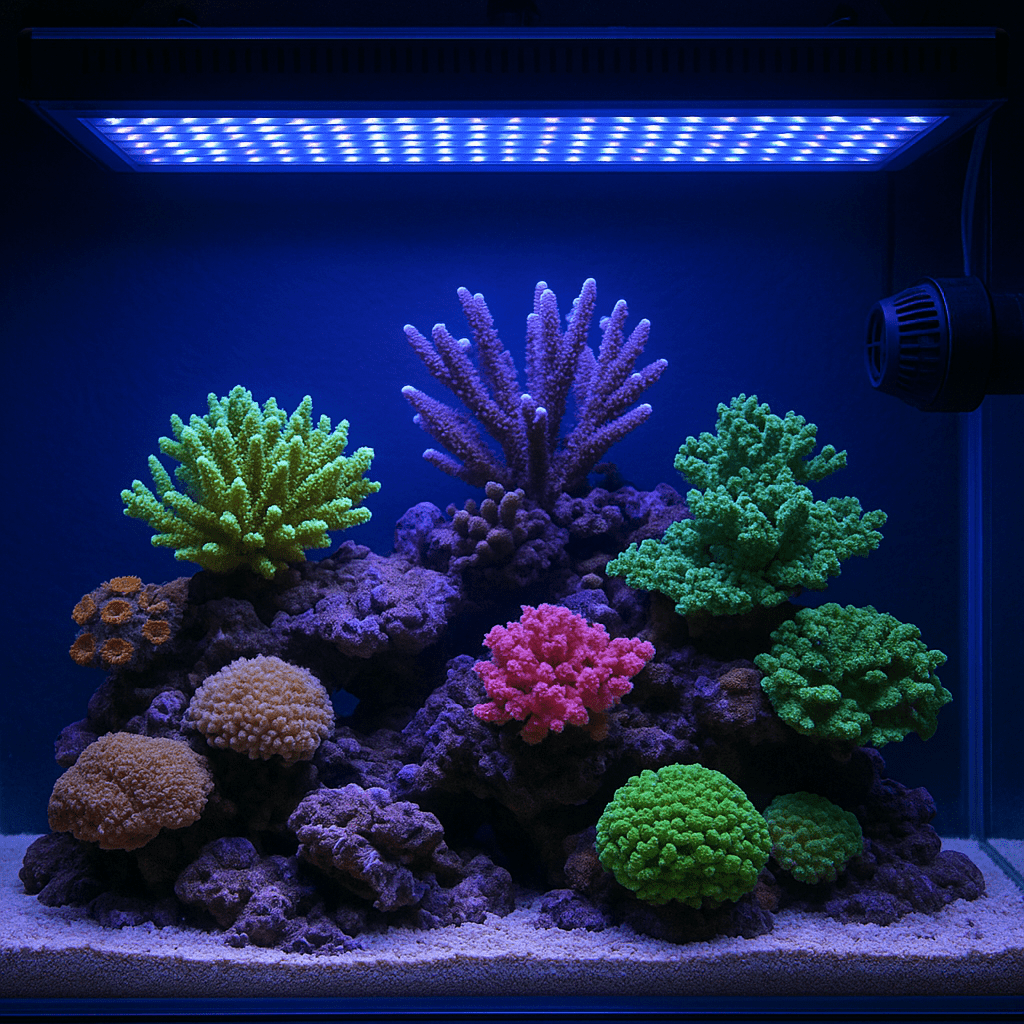
Water Chemistry Basics
Water chemistry basics are the foundation of reef success. Learn the key parameters, target ranges, and simple ways…
[favorite_button]
My Bookmarks:
To see full list click here
[user_favorites user_id="" include_links="true" site_id="" post_types="" include_thumbnails="true" thumbnail_size="thumbnail" include_excerpt="false"]