Powder Blue Tang (Acanthurus Leucosternon): A Stunning but Demanding Showpiece
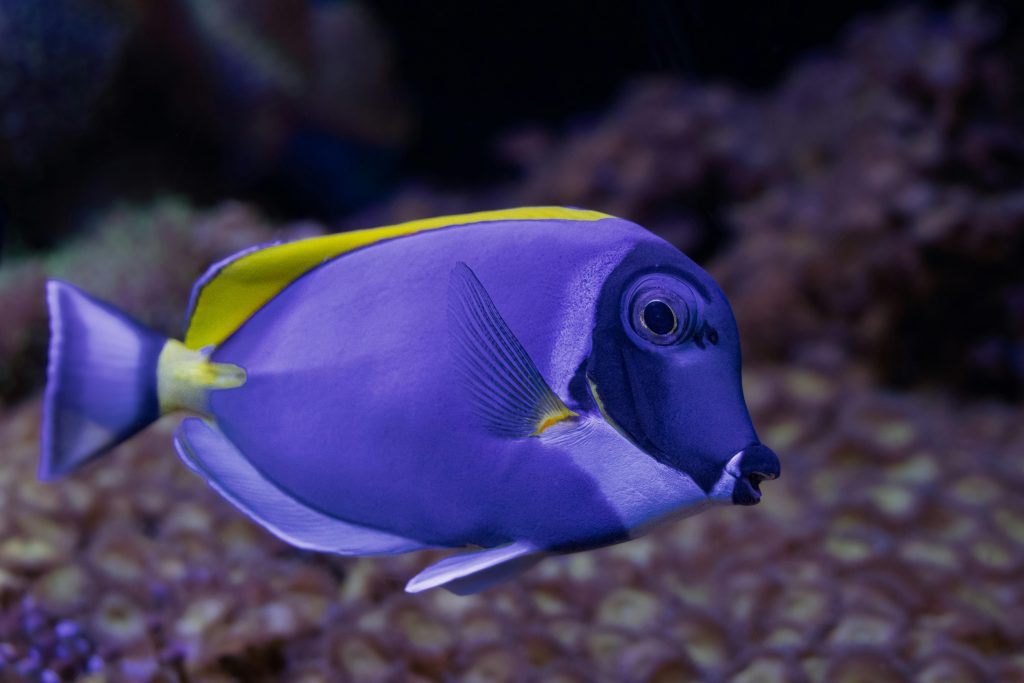
The Powder Blue Tang (Acanthurus leucosternon) is one of the most eye-catching surgeonfish in the saltwater aquarium hobby. Its electric blue body, bold black mask, and bright yellow dorsal fin make it a dream fish for many reef keepers. However, this beauty comes with challenges: they are sensitive, prone to disease, and require excellent husbandry. If you’re considering adding a Powder Blue Tang to your display, careful planning is essential.
Natural Behavior, Tank Size, and Compatibility
In the wild, Powder Blue Tangs range across the Indian Ocean, constantly cruising reefs in search of algae. This nonstop swimming behavior means they need plenty of open space and high oxygenation in captivity.
For long-term success, aim for:
- Tank size: Minimum 125 gallons (475 L), with a 6-foot length strongly preferred.
- Rockwork: Create arches and channels so the tang can swim through and around structures.
- Flow: Moderate to strong, with varied patterns to keep detritus suspended and oxygen levels high.
Powder Blue Tangs can be territorial, especially toward other surgeonfish. They often do best as the only tang in the system, or with carefully selected tankmates introduced in the right order. Peaceful dither fish such as wrasses, anthias, and some reef-safe dwarf angels can help diffuse aggression.
For more on planning your stocking list, see our guide on saltwater fish compatibility and how to avoid territorial conflicts.
Care Requirements: Water Quality, Diet, and Disease Prevention
Powder Blue Tangs are notorious for being susceptible to marine ich (Cryptocaryon) and velvet (Amyloodinium). Stable, pristine water and a proper quarantine protocol are crucial.
Water Parameters
- Temperature: 76–79°F (24–26°C)
- Salinity: 1.025–1.026 specific gravity
- pH: 8.1–8.4
- Nitrate: < 15 ppm, ideally in the single digits
- Ammonia & nitrite: 0 ppm
Stable parameters are more important than chasing perfect numbers. Sudden swings in temperature or salinity can quickly stress this species.
Feeding the Powder Blue Tang
As an herbivorous grazer, the Powder Blue Tang thrives on a plant-heavy diet:
- Offer nori (dried seaweed) daily on a clip.
- Use high-quality algae-based pellets and flakes as staples.
- Supplement with frozen foods like spirulina brine shrimp or mysis for variety.
- Add vitamin and garlic supplements periodically to support immune health.
Pro tip: Feed small portions 2–3 times per day. A constantly grazing tang is a calmer, less aggressive tang.
If you’re new to feeding herbivores, our article on best foods for saltwater tangs covers specific brands, feeding schedules, and how to use nori clips effectively.
Quarantine and Acclimation
Because Powder Blue Tangs are disease-prone, a dedicated quarantine tank is highly recommended. Observe and, if necessary, treat for parasites before introducing the fish to your display. Use a slow drip acclimation process and dim the lights during introduction to reduce stress.
For step-by-step guidance, check our saltwater fish quarantine setup page, which walks through equipment, medications, and observation timelines.
Is the Powder Blue Tang Right for You?
The Powder Blue Tang (Acanthurus leucosternon) can become a breathtaking centerpiece in a mature reef or fish-only system, but it is not a beginner fish. It demands a large, stable tank, consistent feeding, and diligent disease management. If you already have experience with tangs or other sensitive species and are prepared to invest in quarantine and top-tier water quality, this species can reward you with years of active, vibrant display.
For many hobbyists, waiting until their system is stable and their husbandry skills are well developed is the key to long-term success with this iconic, yet challenging, tang.
Sources
- Michael, S. W. (2001). Reef Fishes Volume 1. Microcosm.
- Fenner, R. (2001). The Conscientious Marine Aquarist. TFH Publications.
- FishBase & common hobbyist literature on Acanthurus leucosternon biology and distribution.
Was this helpful?
Related Posts
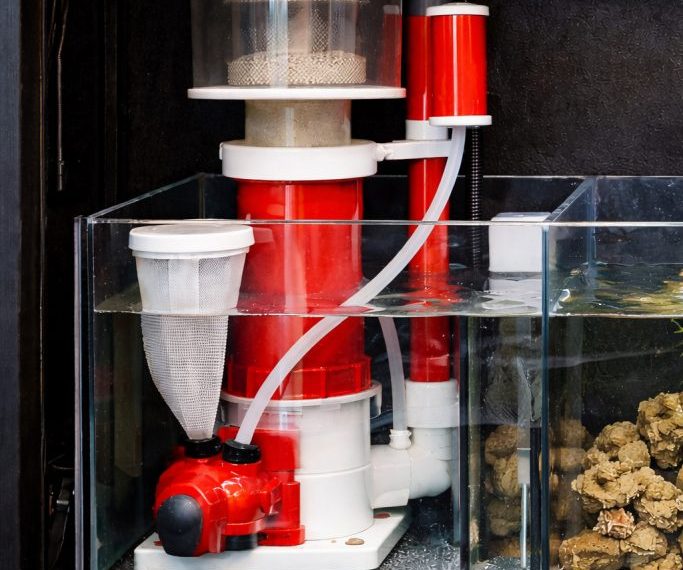
Protein Skimmer Reef Tank Guide
Learn how a protein skimmer works, how to size one, and how to tune it for a cleaner,…
 By
By
Reef Aquarium Water Parameters
Learn the ideal reef aquarium water parameters, safe ranges, and how to keep salinity, alkalinity, nutrients, and pH…