

Reef algae problems are common. Most outbreaks trace back to excess nutrients, unstable maintenance, weak export, or poor source water. The fix is rarely one product. It is usually a simple plan. Test the tank, identify the algae, reduce fuel, and improve consistency.
Almost every reef keeper battles algae at some point. New tanks often go through ugly stages. Mature tanks can also slip when feeding rises, filters clog, or source water quality drops. This guide explains how to identify the most common nuisance algae, what causes each one, and how to correct the root problem without harming corals. You will also learn when to use cleanup crews, when to adjust lighting, and when chemical treatments make sense. The goal is a stable reef, not a sterile box.
Quick Reference Table
| Problem | Common Look | Usual Cause | Best First Step |
|---|---|---|---|
| Green hair algae | Long green strands | High nutrients, weak herbivory | Manual removal and nutrient control |
| Bubble algae | Green bubbles on rock | Entrapped nutrients, low export | Careful removal without popping |
| Cyanobacteria | Red or dark slimy mat | Low flow, organics, imbalance | Increase flow and siphon mats |
| Diatoms | Brown dusty film | New tank, silicates | Patience and better source water |
| Dinoflagellates | Snotty strings with bubbles | Ultra-low nutrients, instability | Confirm ID and avoid blind treatment |
| Turf algae | Short dense green carpet | Persistent nutrient availability | Scrub affected rock and export waste |
This table gives the short version. Correct identification matters because the wrong fix can make things worse. Dinoflagellates, for example, often appear after hobbyists push nutrients too low. Hair algae usually appears when nutrients stay available for too long. Similar looks can hide different causes.
Why Algae Appears in Reef Tanks
Algae needs light, nutrients, and a surface to grow. Every reef tank provides all three. The real question is why nuisance algae wins over corals and beneficial microbes. In most cases, nitrate, phosphate, trapped detritus, and inconsistent maintenance create the opening. Overfeeding is another major driver. So is using poor quality source water.
Algae also thrives in tanks with dead spots. Debris settles in these areas. It breaks down over time. That feeds more growth. Old bulbs, poor spectrum choices, and long photoperiods can also help nuisance species. New tanks often experience blooms because the system is still maturing. Bacteria, pods, and microfauna are not fully established yet.
Do not chase one number. Look at the whole system. Test nitrate and phosphate. Inspect flow patterns. Check your skimmer. Review feeding habits. Replace worn filter socks. Test your RO/DI water. Algae control starts with finding the fuel source.
How to Identify the Algae Before You Treat It
Identification is the most important troubleshooting step. Green hair algae forms soft or wiry strands. It grows on rocks, pumps, and frag plugs. Bubble algae forms round green vesicles. Cyanobacteria looks like a slimy sheet. It peels off in mats. Diatoms look dusty and brown. They wipe away easily. Dinoflagellates often form brown strings with air bubbles during the day.
Watch the tank at different times. Some pests change during the light cycle. Dinoflagellates often recede at night. Cyanobacteria usually stays as a mat. Use a turkey baster to disturb the growth. Hair algae stays attached. Diatoms blow away. Cyano lifts in sheets. These clues help a lot.
If you suspect dinos, confirm before treating. A microscope helps. This matters because many common algae fixes fail against dinos. In some cases, aggressive nutrient reduction makes them worse. If you are unsure, start with low-risk steps. Manual removal, better source water, and stronger maintenance are always safe first moves.
Step-by-Step Reef Algae Troubleshooting Plan
- Identify the algae as closely as possible.
- Test nitrate, phosphate, alkalinity, and salinity.
- Check RO/DI water with a TDS meter.
- Inspect flow and look for detritus traps.
- Reduce overfeeding and rinse frozen foods if needed.
- Manually remove as much algae as possible.
- Clean skimmer, pumps, socks, and sump debris.
- Adjust export with water changes or media.
- Add suitable herbivores if the tank supports them.
- Reassess weekly instead of changing everything daily.
This process works because it removes both the visible growth and the hidden fuel. Manual removal gives immediate relief. It also prevents algae from recycling nutrients back into the tank when it dies in place. Better export lowers the nutrient pool over time. Stable maintenance prevents the rebound that frustrates many hobbyists.
Move slowly with media and additives. Large swings can stress corals. Rapid phosphate stripping is a common mistake. Corals need some nutrients. The goal is balance, not zero. If your tank is heavily stocked, expect algae control to take several weeks. Patience matters.
Green Hair Algae Troubleshooting
Green hair algae is one of the most common reef pests. It usually points to excess available nutrients. Nitrate and phosphate may test low even during a bad outbreak. The algae itself can absorb them quickly. That masks the real issue. Look beyond the test kit. Check feeding, detritus buildup, and source water quality.
Start by pulling or brushing out as much as possible. Remove rocks if practical. Scrub them in old saltwater. Siphon loose strands during water changes. Clean the sump and overflow too. Hair algae often grows where flow is weak and waste collects. Improve circulation in those areas.
Herbivores help, but they are not magic. Trocus snails, turbo snails, urchins, and some tangs can assist. Match the grazer to the tank size. Do not buy animals for a problem the tank cannot support long term. Pair grazing with lower feeding, better skimming, and regular filter maintenance. That is how you beat hair algae for good.
Bubble Algae, Turf Algae, and Film Algae
Bubble algae often grows in shaded crevices and around coral bases. Remove it carefully with tweezers or a pick. Try not to pop the bubbles in the tank. Opinions differ on spore release, but careful removal is still best. Emerald crabs may eat some bubble algae, though results vary.
Turf algae is tougher. It forms a short, stubborn carpet. Snails often ignore it. Manual scraping is usually required. Rocks may need to be removed and scrubbed. Persistent turf algae often means nutrients are entering the system faster than they are exported. Review feeding, filtration, and maintenance frequency.
Green film algae on glass is normal to a point. Daily glass cleaning in a nutrient-rich tank is not unusual. If film returns very fast, check phosphate and feeding volume. Also look at your light schedule. Long white-light periods can speed visible film growth. Small adjustments can help without hurting coral health.
Cyanobacteria vs. Dinoflagellates
These two are often confused. Cyanobacteria forms red, maroon, dark green, or black slimy mats. It likes low-flow zones and areas with trapped organics. Dinoflagellates often look brown and stringy. They trap bubbles during the day. They can irritate corals and harm snails in some cases.
For cyano, start with siphoning, stronger flow, cleaner substrate, and reduced organics. Check that your skimmer is working well. Replace dirty mechanical filtration often. Moderate nitrate and phosphate are usually better than unstable swings. If the problem persists, targeted treatments can work, but fix the cause first.
For dinos, avoid guessing. Many outbreaks happen in tanks driven too clean. If nitrate and phosphate are bottomed out, raising them slightly may help. UV sterilizers can be effective for some dino types. Biodiversity also matters. Live phytoplankton, pods, and mature biofilms can help the tank resist blooms. Blindly dosing chemicals is risky here.
Diatoms and the New Tank Ugly Stage
Diatoms are common in young reef tanks. They appear as a brown dusting on sand, rock, and glass. In many cases, they fade on their own as the tank matures. Silicates in source water can prolong the bloom, so check your RO/DI system if the problem drags on.
Do not overreact to early diatoms. Keep up with water changes. Replace exhausted DI resin. Use quality saltwater. Stir only small sections of sand if detritus is heavy. Snails such as ceriths and trochus can help with light films. Good husbandry usually beats diatoms without special products.
The ugly stage can also include patches of green film, light cyano, and short fuzz algae. This does not always mean the tank is failing. It often means the biology is still settling. Stability is the cure. Avoid adding too many fish too fast. Keep your hands out of the tank unless needed.
Water Chemistry and Nutrient Targets
There is no single perfect nutrient number for every reef. Still, most mixed reefs do well with measurable nitrate and phosphate. Zero is not the goal. Corals, bacteria, and microfauna all need nutrients. Problems often start when nutrients swing hard or stay elevated for long periods.
As a practical range, many hobbyists aim for nitrate around 2 to 15 ppm and phosphate around 0.03 to 0.10 ppm. Some tanks run well outside that range. Stability matters more than chasing decimals. If phosphate is very high, lower it gradually. Fast drops can stress corals and trigger other problems.
Also check alkalinity, salinity, and temperature. Coral stress leaves open space for algae. Healthy, growing corals compete better. If your tank has poor polyp extension, faded tissue, or repeated swings, solve that too. Algae control and coral health are linked.
Cleanup Crew and Natural Control
A good cleanup crew supports algae control, but it cannot replace maintenance. Snails are the backbone. Trochus snails are excellent all-around grazers. Cerith snails help with film and sand. Turbo snails can tackle heavier algae, though they may bulldoze frags. Urchins are powerful grazers but can move loose items.
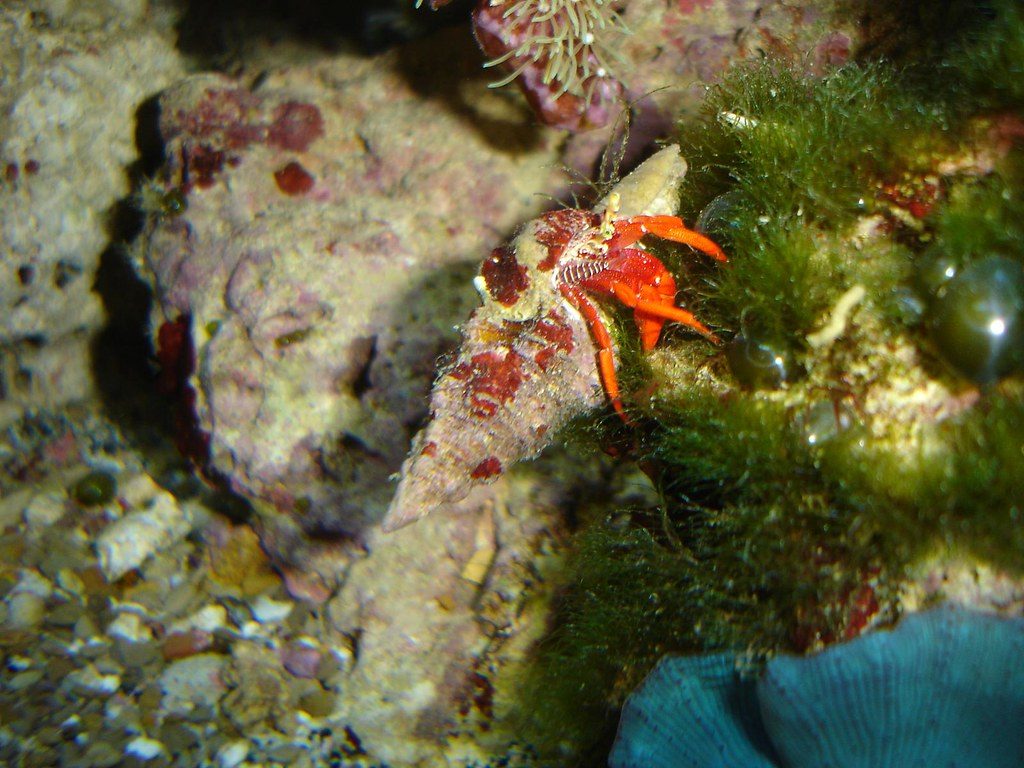
Fish can help too. Tangs, rabbitfish, and some blennies graze algae well. Choose species that fit your tank size and stocking plan. Never buy a fish only as a tool. It still needs a suitable home for years. Crabs are mixed. Some are useful. Some become opportunistic as they grow.
The best natural control is a balanced system. Herbivores remove growth. Export removes waste. Corals fill space. Bacteria process organics. Pods and microfauna add resilience. Build the whole ecosystem, not just the cleanup crew.
Common Problems
Why do I have algae if my nitrate and phosphate test low?
Algae can consume nutrients as fast as they are produced. The test kit then reads low. This is common with hair algae and turf algae. Look for indirect signs like heavy feeding, dirty socks, detritus pockets, or poor source water. Manual removal and better export usually reveal the real nutrient level over time.
Why does algae keep returning after I scrub it off?
Scrubbing removes the symptom, not the fuel. If waste still accumulates, the algae returns. Clean the sump, improve flow, service the skimmer, and review feeding. Also inspect your RO/DI unit. If TDS is creeping up, each water change may be adding fuel back in.
Should I use an algae treatment product?
Sometimes, but only after basic corrections. Chemical treatments can help with some outbreaks, especially cyano. They can also stress the system if overused. Remove as much algae as possible first. Increase aeration. Follow directions exactly. Then address the root cause so the problem does not return.
Frequently Asked Questions
How long does it take to beat reef algae?
Minor blooms may improve in one to two weeks. Established outbreaks often take a month or more. Consistency matters more than speed.
Should I turn my lights down to stop algae?
Shorter photoperiods can help, but light is only part of the issue. Do not starve corals of needed light. Fix nutrients and maintenance too.
Can water changes make algae worse?
Not usually. They help if source water is clean. If water changes seem to worsen algae, test your RO/DI water and mixing containers.
What is the best cleanup crew for algae?
There is no single best crew. Trochus, ceriths, and a few turbo snails are strong starters. Match the crew to the algae type and tank size.
Is some algae normal in a reef tank?
Yes. A little film algae is normal. The goal is control, not perfection. A healthy reef can still need regular glass cleaning.
Final Tips for Long-Term Algae Control
Think in systems, not shortcuts. Feed carefully. Export waste steadily. Keep source water pure. Clean equipment before it becomes a problem. Watch the tank daily. Small changes are easier to fix than full outbreaks. Most reef algae problems are reversible when you stay patient and methodical.
If you want to build a stronger maintenance routine, read our guides on reef tank water parameters, clean up crew for reef tank, reef tank flow guide, and RODI water for reef tank. These basics prevent many algae issues before they start.
Was this helpful?
Related Posts
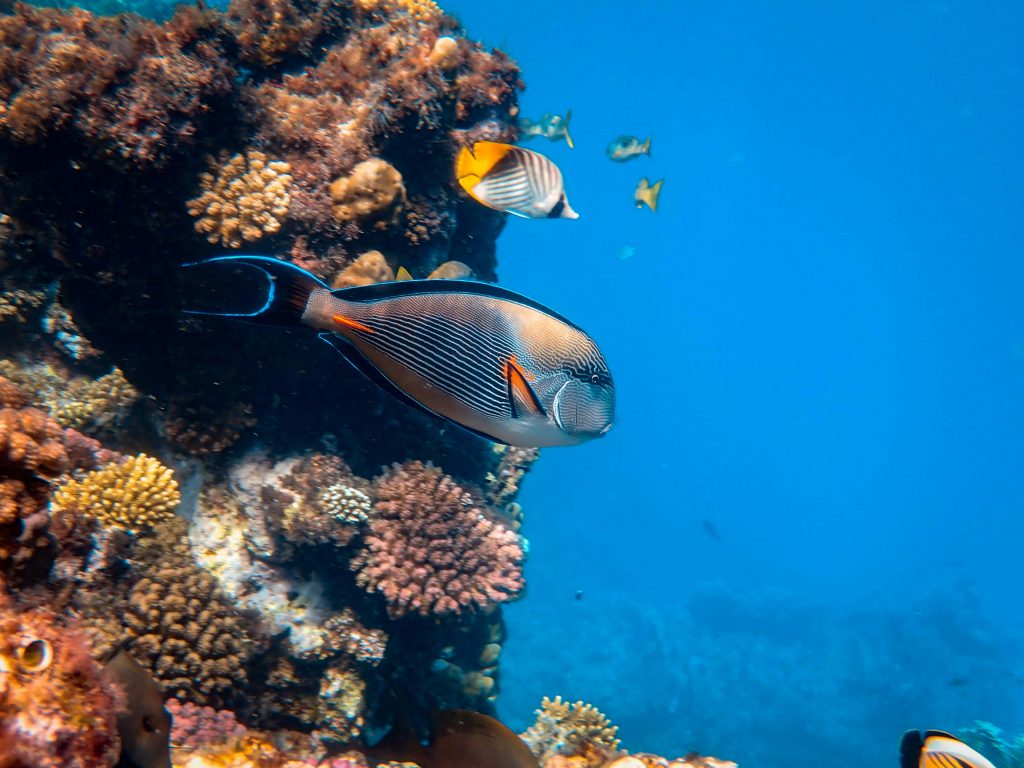
Sohal Tang (Acanthurus Sohal)
Sohal Tang care centers on space, heavy feeding, and aggression control. Learn tank size, diet, compatibility, and common…
 By
By
Reef Safe Fish Guide
Learn which reef safe fish work best in coral tanks, plus species to avoid, compatibility tips, and beginner-friendly…
[favorite_button]
My Bookmarks:
To see full list click here
[user_favorites user_id="" include_links="true" site_id="" post_types="" include_thumbnails="true" thumbnail_size="thumbnail" include_excerpt="false"]