

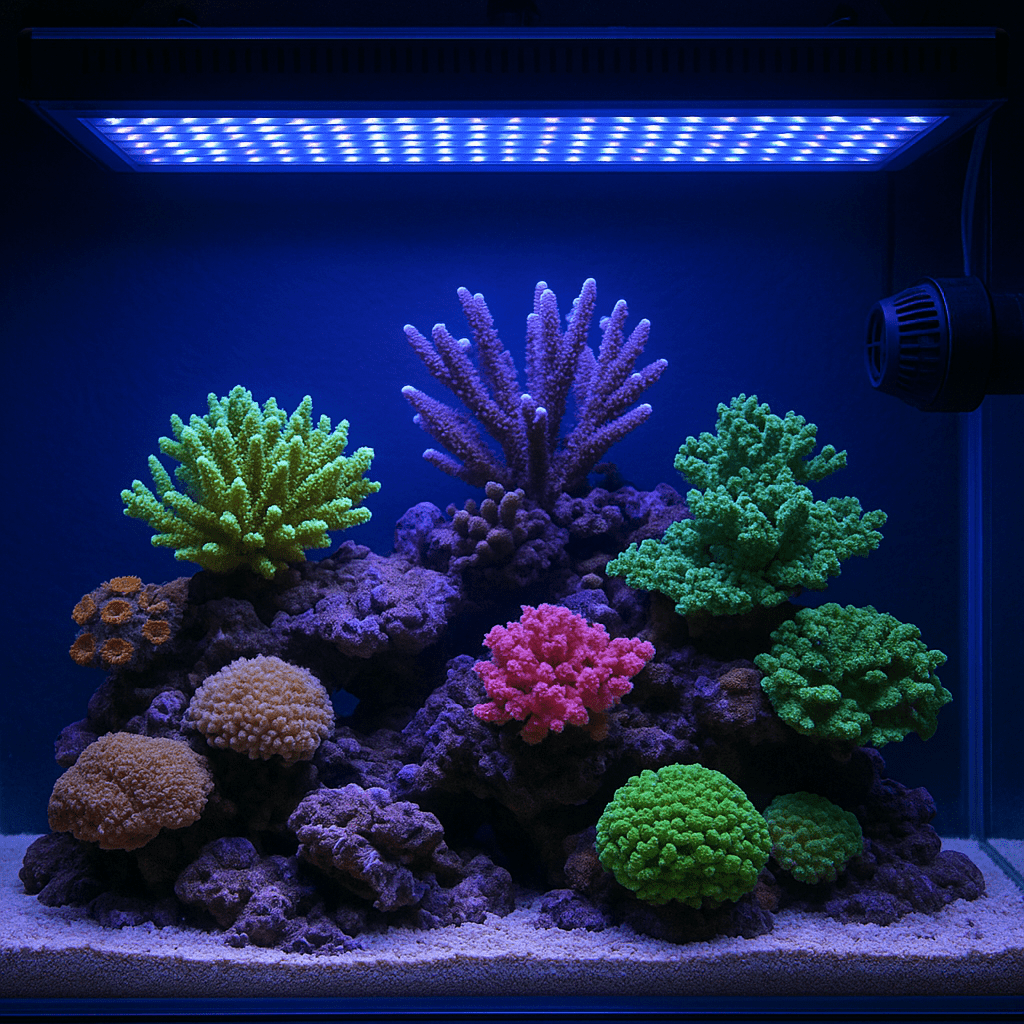
Reef fish disease signs often appear before a fish stops eating or dies. Early clues include flashing, heavy breathing, white spots, torn fins, cloudy eyes, swelling, and color loss. Learning these signs helps you act fast, protect the rest of the tank, and improve survival rates.
Many reef hobbyists notice a problem only when a fish looks very sick. By then, treatment becomes harder. Most diseases start with subtle behavior changes. A fish may hide more, breathe faster, or scratch against rock. These small warnings matter. In this guide, you will learn the most common reef fish disease signs, what they usually mean, and what to do next. We will also cover common causes, quarantine basics, and when a symptom points to a water quality issue instead of a parasite. The goal is simple. Spot trouble early and respond with a calm, practical plan.
Quick Reference Table
| Sign | Possible Cause | Urgency | First Step |
|---|---|---|---|
| White spots | Marine ich, sand irritation | High | Observe closely and move fish to quarantine if spots persist |
| Dusty coating | Marine velvet | Very high | Immediate quarantine and treatment |
| Heavy breathing | Gill parasites, low oxygen, ammonia | Very high | Test water and increase aeration |
| Flashing or scratching | External parasites, irritation | High | Inspect body and gills, review recent additions |
| Cloudy eyes | Injury, bacterial infection, poor water quality | Moderate | Check parameters and watch for trauma |
| Torn fins or fin rot | Aggression, bacterial infection | Moderate | Check tankmates and isolate if worsening |
| Bloating | Internal infection, constipation, organ failure | Moderate to high | Review diet and monitor feces and appetite |
| Not eating | Stress, parasites, poor acclimation | High | Check behavior, water, and recent changes |
This table gives you a fast overview. It does not replace diagnosis. Several diseases share the same signs. Always look at the full picture. Watch behavior, breathing, body condition, and recent stress events together.
Why Early Disease Detection Matters
Reef fish decline quickly once symptoms become obvious. Some diseases kill within days. Marine velvet is the best example. Fish may look only slightly dusty at first. Soon after, they breathe hard and crash. Early detection gives you more treatment options. It also reduces losses in the display tank.
Spotting disease early also helps you avoid common mistakes. Many hobbyists medicate the display tank too soon. That can harm corals and invertebrates. Others wait too long, hoping the fish improves on its own. A better approach is careful observation and a prepared quarantine system. If you keep marine fish, quarantine is not optional in practice. It is one of the best ways to prevent outbreaks and confirm a diagnosis. For long-term success, stable water quality matters just as much as medication. Poor conditions weaken immunity and make every disease harder to beat.
Most Common Reef Fish Disease Signs
Flashing and Scratching
Flashing means a fish rubs its body against rock, sand, or equipment. This usually points to skin irritation. External parasites are a common cause. Marine ich, flukes, and velvet can all trigger flashing. A single scratch is not always serious. Repeated flashing is a red flag.
Look for other clues. Check for white spots, excess mucus, fast breathing, or clamped fins. New fish often flash after shipping stress, but that should fade quickly. If it continues, assume a parasite may be present.
Heavy Breathing
Rapid gill movement is one of the most serious signs. It often appears before skin symptoms. Gill parasites can damage breathing quickly. Velvet is especially dangerous here. Low oxygen, high ammonia, and sudden pH swings can also cause heavy breathing.
Do not guess. Test ammonia, nitrite, pH, and temperature right away. Increase surface agitation and aeration. If water is fine, suspect gill disease and move fast.
White Spots or Dusty Film
White spots often make hobbyists think of marine ich. That is often correct, but not always. Sand grains can stick to mucus. Lymphocystis can create white growths. Velvet may appear as a fine gold or tan dusting instead of clear spots.
Count the pattern and speed. Ich usually shows distinct spots that come and go in cycles. Velvet looks finer and spreads faster. Fish with velvet often stop swimming normally and breathe hard.
Cloudy Eyes
Cloudy eyes can come from injury, aggression, poor water quality, or bacterial infection. One cloudy eye often suggests trauma. Both eyes turning cloudy at once can point to water issues or systemic disease. Check for bullying, sharp rock edges, and unstable parameters.
Loss of Appetite
A reef fish that refuses food is telling you something is wrong. Stress is one cause. Internal parasites are another. So are ammonia spikes, aggression, and poor acclimation. Appetite loss is not specific, but it is important. It often appears before visible lesions.
Track which foods are refused. A fish that ignores everything is in more trouble than one that skips pellets but eats frozen food.
Natural Stressors That Make Fish Sick
In nature, reef fish live in stable water with huge dilution. In aquariums, stress builds faster. Shipping is the first major hit. Fish may arrive dehydrated, injured, and immunocompromised. Then they face new tankmates, different salinity, and unfamiliar food.
Temperature swings also matter. So does low oxygen at night. Crowding raises aggression and disease spread. A fish under chronic stress produces less effective immune responses. That does not create parasites, but it makes infection more likely and symptoms more severe. This is why disease prevention starts with husbandry. Good nutrition, stable salinity, and low aggression are part of disease control. If you want fewer outbreaks, focus on fish condition before symptoms appear.
Step-by-Step: What to Do When You See Disease Signs
First, stay calm and observe. Watch the fish for several minutes. Note breathing rate, swimming, appetite, and body changes. Second, test the water. Check ammonia, nitrite, nitrate, pH, salinity, and temperature. Many symptoms look like disease but start with poor water quality.
Third, review recent changes. Did you add a new fish, coral, or invertebrate? Did salinity drift? Did a pump fail? Fourth, prepare a quarantine tank if one is not already running. A simple hospital tank with heater, sponge filter, and hiding places works well. Fifth, separate diagnosis from treatment. Copper helps ich and velvet, but not every problem. Antibiotics help bacterial issues, but not parasites. Sixth, support the fish. Increase oxygen, reduce aggression, and offer easy foods. Seventh, monitor all tankmates. If one fish is sick, others may be exposed. Quick action often determines the outcome.
Common Problems and Troubleshooting
Fish Is Breathing Fast but Has No Spots
This often points to gill trouble. Velvet and flukes are top suspects. Low oxygen and ammonia are also possible. Test water first. Then inspect all fish. If several fish breathe hard, think system-wide issue or contagious disease. Add aeration immediately.
Fish Has White Spots That Disappear
Marine ich often follows a cycle. Spots may vanish for days, then return stronger. This fools many hobbyists into thinking the fish recovered. It usually did not. The parasite simply changed stages. Quarantine and treatment are still needed.
Fish Is Hiding and Not Eating After Introduction
New fish often hide from stress. That alone is not disease. Watch for breathing rate and body condition. If hiding continues with fast breathing or flashing, suspect infection or aggression. Dim lighting and provide shelter. Confirm no tankmate is chasing it.
Cloudy Eye on One Side Only
A single cloudy eye usually suggests injury. Fish can scrape rock or get hit during territorial fights. Improve water quality and reduce aggression. If swelling increases or the eye worsens, a bacterial infection may be developing.
Torn Fins Keep Getting Worse
Fin damage can start from nipping. It becomes more serious when bacteria invade damaged tissue. Check for aggressive tankmates first. If the edges turn white, bloody, or recede steadily, move the fish and consider treatment in quarantine.
Quarantine and Aquarium Setup for Sick Fish
A quarantine tank should be simple and easy to clean. Bare bottom tanks work best. Use a heater, thermometer, and seeded sponge filter. Add PVC elbows or inert shelters. Keep the tank covered. Sick fish often jump. Match salinity and temperature to reduce stress.
Do not place live rock in medicated quarantine tanks. Rock absorbs medications and complicates dosing. Keep lighting modest. Bright light can stress weak fish. Strong flow is unnecessary, but good gas exchange is essential. If copper is used, test it with a reliable kit. If antibiotics are used, monitor ammonia closely. A quarantine tank is not just for treatment. It is also for observation. Many reef fish disease signs become easier to read in a quiet, controlled system.
Compatibility and Disease Risk
Compatibility affects disease more than many hobbyists realize. Aggressive fish cause chronic stress. Stress reduces feeding and weakens immunity. Tangs, dottybacks, damsels, and some wrasses can pressure new arrivals hard. Even if no wounds appear, the stress can trigger disease outbreaks.
Mix fish with similar temperaments and feeding styles when possible. Avoid overcrowding. Give timid fish caves and escape routes. Add fish in a smart order. Territorial species should usually go in later. Disease management is easier in peaceful tanks. Healthy fish still get parasites, but they handle stress better and recover faster. Good compatibility also helps you spot symptoms sooner. A fish that is not constantly chased is easier to observe and evaluate.
Prevention Tips That Save Fish
The best treatment is prevention. Quarantine all new fish before they enter the display. Observe them closely. Feed varied foods and build body weight. Keep salinity stable. Avoid sudden temperature swings. Maintain strong oxygen levels, especially at night.
Do not share nets or tools between quarantine and display tanks without cleaning them. Buy fish from vendors with good holding practices. Avoid impulse purchases of weak or thin specimens. A fish that arrives robust has a much better chance. Also, do not ignore nutrition. Herbivores need algae-based foods. Carnivores need quality protein. Vitamin-rich diets support healing. Disease prevention is not one product. It is a system of good habits repeated every week.
Frequently Asked Questions
How do I know if my reef fish has ich or velvet?
Ich usually causes larger, distinct white spots. Velvet looks finer and more dusty. Velvet also causes faster breathing and quicker decline. When in doubt, act quickly and isolate the fish.
Can poor water quality look like fish disease?
Yes. Ammonia, low oxygen, and pH swings can cause heavy breathing, lethargy, and appetite loss. Always test water before assuming a pathogen is present.
Should I treat my reef display tank?
Usually no. Many medications are unsafe for corals and invertebrates. Treatment is safer in a quarantine or hospital tank. The display may need to remain fishless in some cases.
Why is my fish scratching on rocks?
Scratching often means skin irritation. External parasites are common causes. Watch for white spots, mucus, and fast breathing. Repeated flashing should not be ignored.
What is the first sign a reef fish is getting sick?
Behavior changes are often first. A fish may hide more, eat less, breathe faster, or act restless. These early signs often appear before visible spots or lesions.
Helpful FancyReef Guides
reef tank parameters
quarantine tank setup
marine ich treatment
reef fish acclimation guide
best reef-safe cleanup crew
Reef fish disease signs are easier to manage when you know what normal looks like. Watch your fish every day. Learn their feeding habits, breathing rate, and social behavior. That baseline helps you catch small changes early. Fast action, good quarantine practices, and stable reef conditions give your fish the best chance to recover.
Was this helpful?
Related Posts
Blue Dot Jawfish (Opistognathus Rosenblatti)
Blue Dot Jawfish need cool water, deep sand, and a tight lid. Learn how to keep Opistognathus rosenblatti…
 By
By
Arc Eye Hawkfish (Paracirrhites arcatus)
Arc Eye Hawkfish care is simple in a stable tank. Learn tank size, feeding, reef safety, and shrimp…
[favorite_button]
My Bookmarks:
To see full list click here
[user_favorites user_id="" include_links="true" site_id="" post_types="" include_thumbnails="true" thumbnail_size="thumbnail" include_excerpt="false"]