

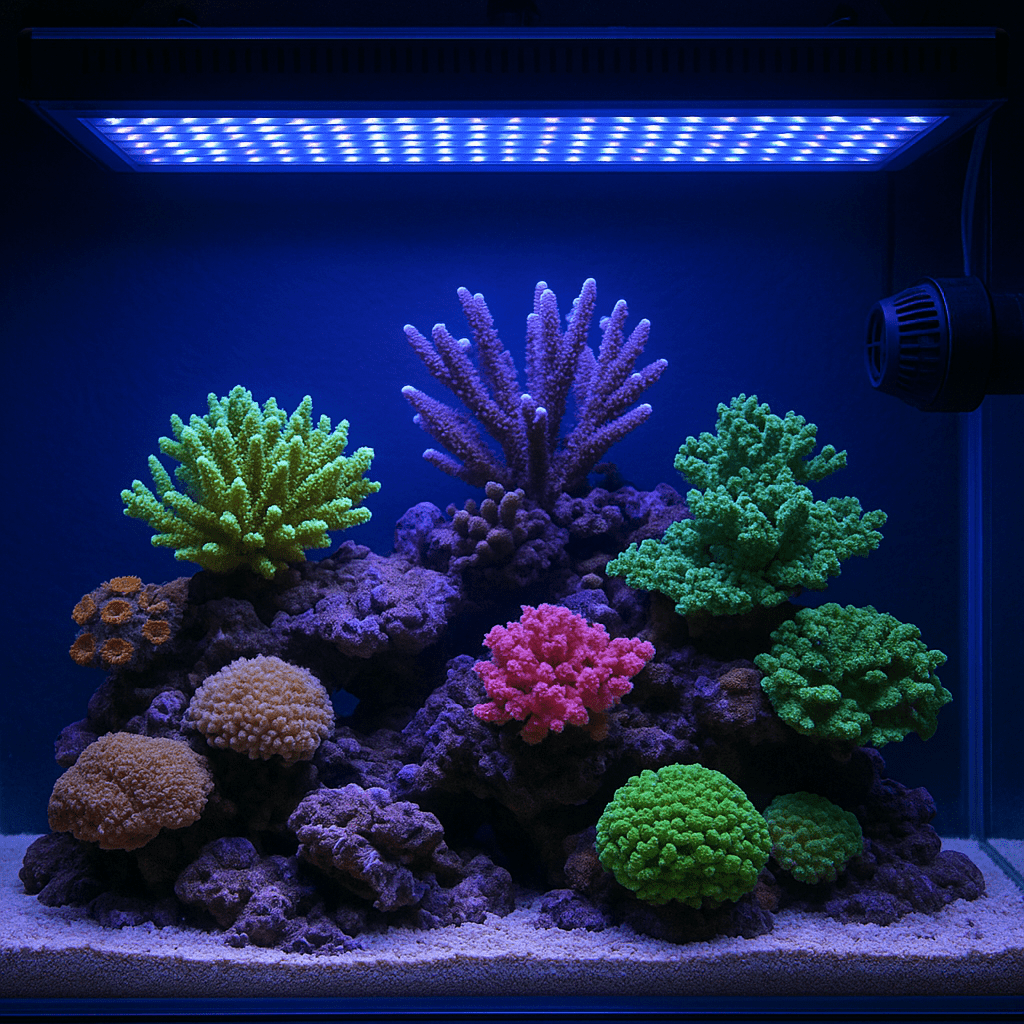
Reef pests can damage corals fast. Early identification is the key. Learn how to spot common reef tank pests, understand the signs they leave behind, and choose safe treatment methods before a small problem becomes a tank-wide outbreak.
Most reef keepers deal with pests at some point. They often arrive on coral frags, live rock, macroalgae, or even hidden in plugs and rubble. Some pests irritate tissue. Others eat coral flesh, steal food, or spread quickly in stable reef systems. The good news is that most outbreaks are manageable with careful observation, quarantine, and a plan. In this guide, you will learn how to identify the most common reef aquarium pests, what symptoms they cause, and how to respond without harming your corals or beneficial invertebrates. You will also learn prevention steps that save time, money, and livestock.
Quick Reference Table
| Pest | Common Targets | Main Signs | Typical Response |
|---|---|---|---|
| Aiptasia | All corals nearby | Stinging, spreading anemones | Manual treatment, biological control |
| Majano anemones | Rockwork, coral edges | Bubble-tip look, fast spread | Remove early, targeted treatment |
| Flatworms | Glass, rock, some corals | Rust-colored mats or clear worms | Siphon, dip, medication with caution |
| Red bugs | Acropora | Poor polyp extension, faded color | Quarantine, proven treatment protocol |
| AEFW | Acropora | Bite marks, tissue loss, egg clusters | Repeated dips and inspection |
| Montipora nudibranchs | Montipora | White patches, tiny nudibranchs | Dips, egg removal, isolation |
| Vermetid snails | Corals nearby | Mucus webs, irritated polyps | Glue shut or remove tubes |
| Zoanthid-eating nudibranchs | Zoanthids | Closed polyps, missing tissue | Dips and manual removal |
This table gives a fast starting point. Correct identification still matters. Many pests create similar symptoms, such as closed polyps, faded color, and tissue recession. Always confirm the pest before treatment.
Why Reef Pest Identification Matters
Not every irritated coral has a pest problem. Poor alkalinity stability, excessive light, low nutrients, and aggressive neighbors can cause similar signs. That is why identification comes first. A wrong treatment can stress corals more than the pest itself.
Good pest identification starts with pattern recognition. Ask which coral is affected first. Check whether only one species shows damage. Look for bite marks, egg spirals, mucus webs, or tiny moving dots. Inspect at night too. Many pests hide during the day and feed after lights out.
Use a flashlight and magnifying glass. A turkey baster helps expose hidden pests. Gently blast coral branches and undersides. Inspect frag plugs, dead skeleton, and shaded areas. Fast action limits spread. It also improves your chances of saving valuable frags and colonies.
How Reef Pests Enter the Aquarium
Most reef pests hitchhike into tanks. Coral frags are the most common route. Eggs often survive dips because they are attached firmly to skeleton or plugs. Live rock can carry hidden anemones, crabs, worms, and snails. Macroalgae can also transport nuisance organisms.
Shared tools spread pests between systems. Frag racks, tweezers, and specimen cups can transfer eggs or adults. Water from store bags can also introduce unwanted organisms. That is why experienced hobbyists avoid adding bag water to display tanks.
A dedicated quarantine tank reduces risk. It gives you time to inspect, dip, and observe new corals. Even a simple frag tank with stable parameters is better than skipping quarantine. Prevention is always easier than eradication in a mature reef.
Common Reef Pests and How to Identify Them
Aiptasia is one of the most common reef pests. It is a small pest anemone with a translucent body and long tentacles. It stings nearby corals and multiplies quickly. You often see it in rock crevices, overflow boxes, and frag plugs.
Majano anemones look more decorative at first. They often have shorter tentacles and a bubble-like appearance. Do not ignore them. They spread and compete for space like Aiptasia.
Flatworms vary by type. Rust-colored flatworms cover glass and rock in large numbers. Acropora-eating flatworms are more serious. They are harder to see and match coral tissue well. Look for pale bite marks and clusters of eggs on dead skeleton.
Red bugs are tiny yellow-red specks on Acropora. Corals show poor polyp extension and dull color. Montipora-eating nudibranchs are small white pests that blend into damaged Montipora. Zoanthid-eating nudibranchs often match the color of their host. Vermetid snails are not mobile pests, but their mucus nets can severely irritate corals nearby.
Step-by-Step Reef Pest Inspection Guide
Start with the affected coral. Do not inspect the whole tank first. Focus narrows the cause faster.
- Check polyp extension during the day and at night.
- Inspect the coral from all sides.
- Look under branches, plates, and frag plugs.
- Use a turkey baster to dislodge hidden pests.
- Search for eggs on dead skeleton and plug edges.
- Compare damage across coral species.
- Take clear close-up photos for reference.
- Dip the coral in a separate container if needed.
During inspection, note patterns. Acropora pests usually stay with Acropora. Montipora pests usually stay with Montipora. Random damage across many corals may point to chemistry or fish nipping instead of pests. Keep a log. It helps you track whether treatment is working.
Natural Habitat and Why It Helps Identification
Many reef pests come from the same natural habitats as the corals we keep. They evolved to hide on host species, match tissue color, and feed when predators are absent. In the wild, this balance is controlled by competition and predation. In aquariums, pests often have fewer natural checks.
This matters because behavior often reflects habitat. Nudibranchs hide in crevices and on undersides. Flatworms stay close to host tissue and shaded zones. Aiptasia thrives in nutrient-rich, protected spaces. Vermetid snails anchor into hard surfaces where they can cast feeding webs into current.
Understanding these habits helps you search smarter. Look where a pest would naturally avoid light, flow, or predators. That simple shift saves time and improves detection.
Aquarium Setup Factors That Encourage Pest Outbreaks
Pests can appear in any reef tank. Still, some setups make outbreaks worse. Crowded frag systems are high risk. Corals sit close together. Pests move easily between plugs. Frequent additions increase exposure.
Low flow areas also matter. Detritus builds in dead spots. Aiptasia and nuisance flatworms often thrive there. Heavy feeding without export can support rapid pest growth. Weak quarantine practices allow eggs and juveniles into the display.
Stable parameters help corals resist damage better. Healthy tissue recovers faster after dips and manual removal. Good aquascaping also helps. Leave access around colonies when possible. Tight coral walls make inspection and treatment much harder.
Lighting and Water Flow Clues
Lighting does not usually cause pests, but it can reveal them. Inspect corals under white light, not just blue. Many pests disappear under heavy actinic viewing. White light shows bite marks, egg clusters, and tissue loss more clearly.
Flow can also reveal symptoms. Vermetid snail mucus webs become obvious in moderate current. Irritated corals may retract more in direct flow when pests are present. Some pests prefer calm undersides and shaded branches. Others stay exposed on smooth surfaces.
When diagnosing a problem, observe the coral under normal daytime flow. Then inspect with pumps briefly reduced. This can make tiny pests easier to spot. Just avoid leaving sensitive corals without flow for long.
Feeding and Compatibility Considerations
Overfeeding does not create coral-eating pests directly, but it can support nuisance populations. Extra nutrients can favor Aiptasia and flatworm blooms. Detritus also fuels poor tank hygiene, which complicates treatment.
Compatibility matters too. Some fish and invertebrates may help with control, but few are perfect solutions. Peppermint shrimp may eat small Aiptasia. Some wrasses may pick at flatworms or nudibranchs. Filefish can help with Aiptasia in some tanks. Results vary by individual animal.
Never rely only on biological control. It is a support tool, not a guarantee. Manual removal, quarantine, and repeated inspection remain the most reliable long-term methods.
Propagation and Fragging Safety
Inspect Before You Cut
Never frag a coral that may carry pests. Fragging can spread eggs and adults to tools, racks, and new plugs. Inspect the colony first. If pests are present, treat and stabilize the coral before propagation.
Remove Old Plugs When Possible
Many eggs hide on frag plug edges and undersides. Cutting corals away from old plugs reduces risk. Mount cleaned frags on fresh plugs or rubble after dipping and inspection.
Sanitize Tools Between Colonies
Rinse and disinfect tools between corals. This is especially important with Acropora, Montipora, and zoanthids. Cross contamination is common in busy frag sessions.
Common Problems
Coral Polyps Stay Closed
Closed polyps can signal pests, but not always. Check for nudibranchs, red bugs, vermetid webs, or nearby stinging pests. Also test alkalinity, nitrate, phosphate, and salinity. If only one coral type is affected, pests become more likely.
White Bite Marks on Acropora
This often points to Acropora-eating flatworms. Remove the coral for close inspection. Look for oval bite areas and egg clusters on bare skeleton. Plan repeated dips because eggs usually survive the first treatment.
Zoanthids Are Disappearing
Search for zoanthid-eating nudibranchs, sundial snails, and egg spirals. Inspect after lights out. Dip affected frags and manually remove pests and eggs. Isolate new zoa frags before adding them to displays.
Aiptasia Keeps Coming Back
This usually happens when only visible adults are treated. Small hidden individuals remain in the rock. Treat early, repeat as needed, and inspect overflow boxes and shaded crevices. Consider combining manual treatment with biological control.
Prevention Tips That Actually Work
Quarantine every coral if possible. Dip all new additions. Inspect under white light. Remove or replace frag plugs when practical. Avoid adding store water to your display. Keep separate tools for quarantine and display systems.
Observe new frags for several weeks. One dip is rarely enough for egg-laying pests. Repeat inspections on a schedule. This matters most for Acropora, Montipora, and zoanthids. Buying from trusted vendors helps, but it does not remove all risk.
Good husbandry also helps. Stable chemistry supports recovery. Strong export limits nutrient-driven pest blooms. A clean, organized frag system makes problems easier to spot early.
Frequently Asked Questions
What is the most common reef tank pest?
Aiptasia is one of the most common pests. It spreads fast and stings nearby corals.
Can coral dips kill pest eggs?
Many dips kill adults and juveniles. Eggs often survive. That is why repeated treatment is needed.
Are flatworms always dangerous?
No. Some are mostly aesthetic. Others, like Acropora-eating flatworms, are serious coral predators.
Should I remove a coral from the display for treatment?
Usually yes. Targeted treatment in a separate container is safer and more effective.
Can fish solve a pest problem alone?
Rarely. Biological control can help, but it should support quarantine and manual removal.
Final Thoughts
Reef pests are frustrating, but they are manageable. The best results come from calm observation and correct identification. Do not rush into random treatments. Match the symptom pattern to the likely pest. Confirm what you see. Then use a repeatable plan. Your future self will thank you for strong quarantine habits and careful coral inspection. For more reef husbandry help, see our guides on cycling a reef tank, coral dipping basics, reef tank water parameters, and choosing beginner corals.
Internal links: coral dipping basics, reef tank water parameters, beginner coral guide, quarantine tank setup, Acropora care guide
Was this helpful?
Related Posts
Cuban Hogfish (bodianus Pulchellus)
Cuban Hogfish care is straightforward in larger reef tanks. Learn tank size, diet, compatibility, and reef safety before…
 By
ByWhat to Do During a Power Outage
A reef tank power outage demands fast action. Protect oxygen, temperature, and circulation first to keep fish and…
 By
By[favorite_button]
My Bookmarks:
To see full list click here
[user_favorites user_id="" include_links="true" site_id="" post_types="" include_thumbnails="true" thumbnail_size="thumbnail" include_excerpt="false"]