

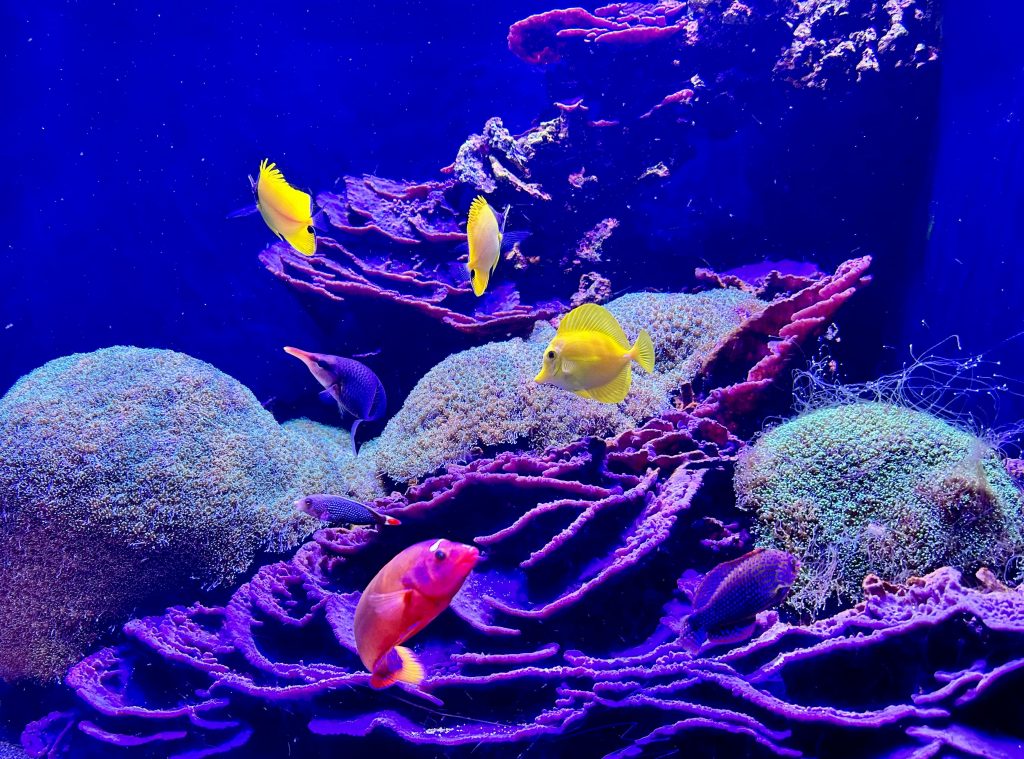
Choosing reef safe fish is easier when you match each species to your tank size, coral mix, and feeding routine. This guide explains which fish usually behave well in reef aquariums, how many to keep, and how to stock in a safe order that reduces aggression and losses.
Many reef tanks fail because of poor stocking choices, not bad equipment. A fish may be labeled reef safe, yet still bully tank mates, nip corals, or outgrow the aquarium. Smart stocking starts with planning. You need to think about adult size, swimming behavior, diet, territory, and waste production. You also need to balance peaceful fish with active species and leave room for future growth. In this guide, you will learn how to build a reef safe fish list, how to stock a tank step by step, and which common mistakes cause stress in mixed reef systems. The goal is a stable, active aquarium where fish and corals both thrive.
Quick Reference Table
| Fish Group | Reef Safe Rating | Best For | Main Risk | Typical Minimum Tank |
|---|---|---|---|---|
| Clownfish | Excellent | Beginner reefs | Territorial pairs | 20 gallons |
| Gobies | Excellent | Small peaceful tanks | Jumping | 10-20 gallons |
| Blennies | Very good | Algae control and personality | Perch disputes | 20-30 gallons |
| Wrasses | Usually good | Pest control and activity | Jumping, aggression in some species | 30-75 gallons |
| Cardinalfish | Excellent | Peaceful community tanks | Shy feeding response | 30 gallons |
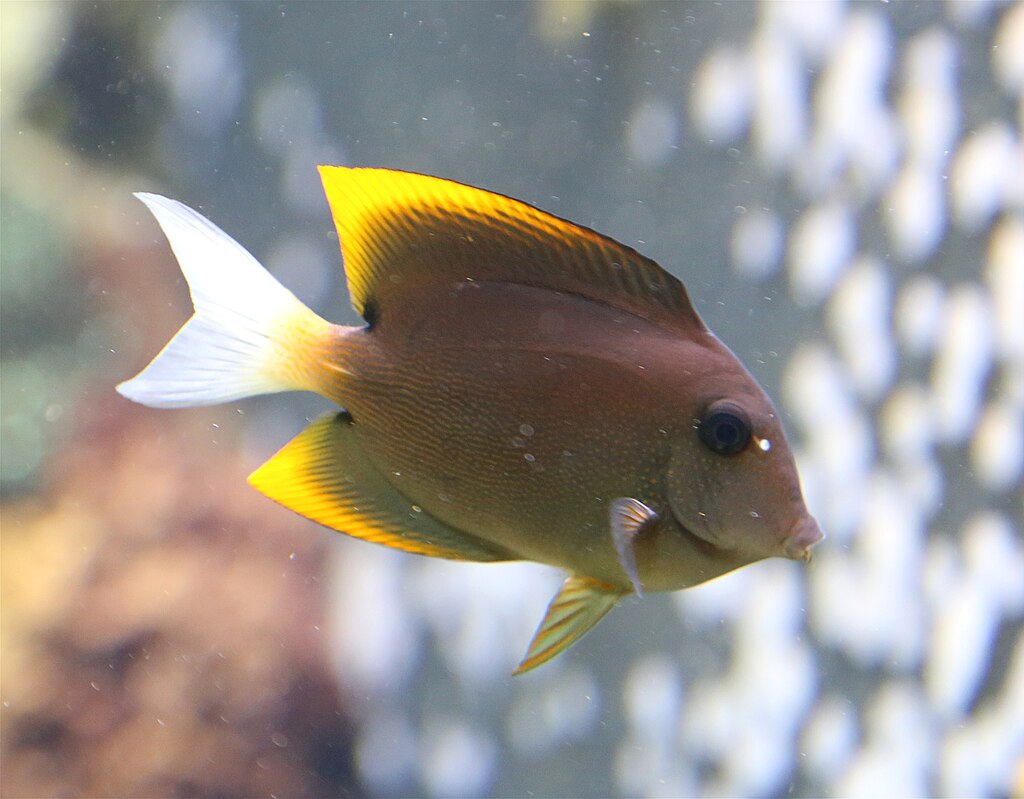
| Tangs | Usually good | Larger reef tanks | Aggression and space needs | 75-180 gallons |
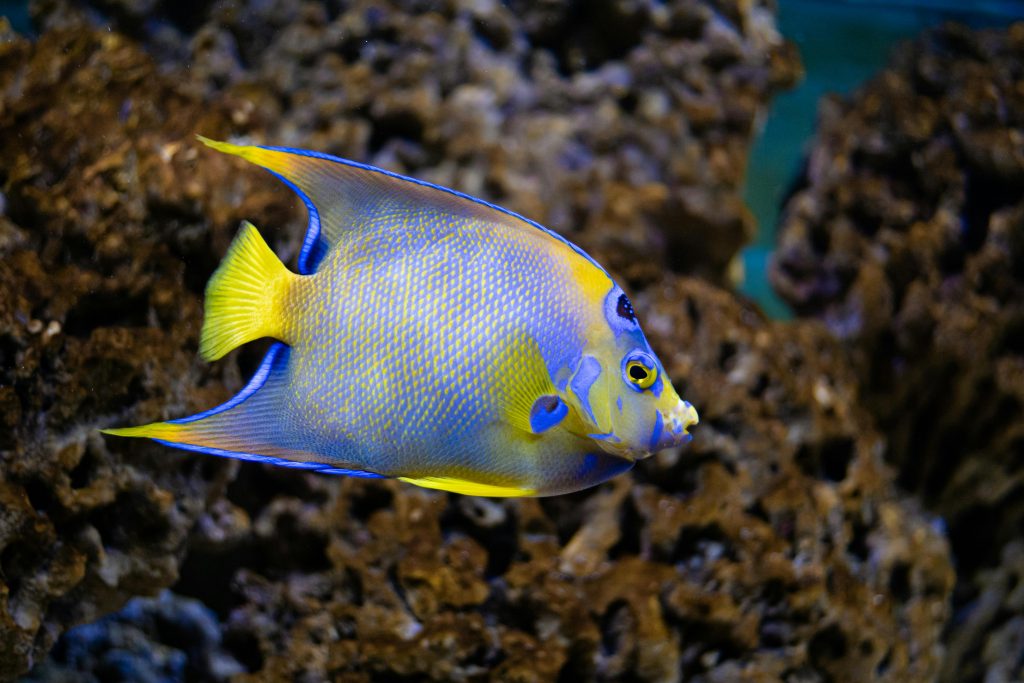
| Dwarf angelfish | With caution | Experienced keepers | Coral nipping | 55 gallons |
| Butterflyfish | Poor | Fish-only or specialty systems | Coral predation | 75+ gallons |
Use this table as a starting point, not a final rule. Temperament varies by species and by individual fish. Always research the exact fish before you buy it.
What Reef Safe Really Means
Reef safe does not mean risk free. It means a fish usually leaves corals and invertebrates alone. That is only one part of the story. A true reef safe choice must also fit your tank size, your aquascape, and your current livestock.
Some fish are coral safe but not invert safe. Others ignore corals but attack shrimp, snails, or small fish. Some species are peaceful when young, then become aggressive as they mature. This is common with tangs, dottybacks, and some wrasses.
For most hobbyists, the best reef safe fish are small, adaptable, and easy to feed. They should also have predictable behavior in captivity. Fish that meet those goals include clownfish, firefish, many gobies, cardinalfish, and several blennies. These species work well in mixed reefs and beginner systems. They also place less strain on filtration than larger active fish.
Best Reef Safe Fish for Most Aquariums
Clownfish remain one of the safest choices. They are hardy, colorful, and easy to feed. A bonded pair works well in many tanks. They can become territorial near their host coral or chosen corner, but they rarely cause serious damage in community reefs.
Gobies are excellent for nano and medium tanks. Watchman gobies, clown gobies, and neon gobies all offer different benefits. Some perch on rock. Some pair with pistol shrimp. Most stay small and have low bioload.
Blennies add personality and utility. Tailspot blennies and lawnmower blennies often graze film algae. They need rockwork with surfaces to perch on. Avoid mixing very similar blenny species in small tanks.
Cardinalfish are peaceful and reef friendly. Banggai cardinals and pajama cardinals are popular choices. They hover calmly and mix well with timid fish. Wrasses can also be great reef additions. Fairy wrasses and flasher wrasses are usually safe with corals. They need covered tanks because they jump.
Fish to Stock With Caution
Dwarf angelfish are the classic caution fish. Coral beauty, flame angel, and lemonpeel angel may behave for months. Then they may start nipping fleshy LPS, zoanthids, or clam mantles. Some individuals never cause trouble. Others become impossible in mixed reefs.
Dottybacks are another mixed case. They are small and colorful, but many are very aggressive. In a larger reef with plenty of caves, they may work. In smaller tanks, they often harass gobies, firefish, and other timid fish.
Some wrasses also need close review. Six line wrasses are useful for pest hunting, but they often become territorial. Larger wrasses may eat ornamental shrimp, snails, or tiny fish. Hawkfish can perch attractively in reefs, yet many will eat small crustaceans.
If you want one of these species, add it only after your peaceful fish are settled. Have a backup plan. Fish traps and acclimation boxes can save a lot of stress later.
Tank Size and Aquascape Matter
A fish may be reef safe in a 180 gallon tank and a disaster in a 40 breeder. Space changes behavior. Larger tanks dilute aggression and give fish room to establish separate territories. Small tanks force constant interaction.
Build your aquascape with zones. Create caves, arches, and broken sight lines. This helps shy fish hide and dominant fish patrol smaller areas. Open swimming lanes are important for wrasses, anthias, and tangs. Perching fish need ledges and rock shelves.
Do not stock only by gallon number. Think about footprint too. A 4-foot tank handles active fish better than a tall cube of the same volume. Tangs especially need horizontal room. Gobies and blennies care more about rock structure than swimming length.
Stable rockwork is also critical. Digging gobies, pistol shrimp, and burrowing fish can undermine loose structures. Secure your aquascape before adding sand-moving species.
Step-by-Step Reef Fish Stocking Plan
Start with your end goal. Write a final stocking list before you buy anything. This prevents impulse purchases and helps you balance tank zones, feeding styles, and aggression levels.
- Choose fish that fit the adult tank size, not the current size.
- Research each species for coral safety, invert safety, and temperament.
- Quarantine every fish if possible. This reduces disease risk.
- Add the most peaceful fish first. Examples include firefish, gobies, and cardinals.
- Add semi-aggressive fish next. This may include clownfish, blennies, and many wrasses.
- Add the most territorial fish last. This includes tangs, dottybacks, and many angelfish.
- Wait between additions. Give the biofilter and social order time to adjust.
- Feed well during introductions. Hungry fish fight more often.
A slow plan works best. Add one fish, or one compatible pair, then wait at least two weeks. Watch feeding, breathing, and territory use. If the tank looks calm, then move to the next addition.
Compatibility With Corals and Invertebrates
Most beginner reef keepers focus on coral safety first. That makes sense, but invertebrate safety matters too. Cleaner shrimp, peppermint shrimp, sexy shrimp, snails, and crabs are common reef animals. Not every fish will ignore them.
Gobies, clownfish, cardinals, and many blennies are usually safe with common cleanup crews. Fairy wrasses are often safe with larger shrimp, though very tiny ornamental shrimp can be at risk. Hawkfish often prey on shrimp. Some larger wrasses will flip snails or eat small crustaceans.
Coral compatibility also varies by coral type. Dwarf angels often target fleshy LPS and clam mantles. Butterflyfish are risky with nearly all coral groups. Filefish are highly species dependent. Even clownfish can irritate corals if they decide to host in a fleshy Euphyllia or leather coral.
When in doubt, choose fish with a long reef track record. It is easier to keep a peaceful reef than to remove a problem fish later.
Feeding Strategy for a Reef Safe Community
Good feeding reduces aggression and improves color. It also helps fish ignore corals and tank mates. Many so-called reef safe issues begin when fish are underfed or fed the wrong diet.
Feed small amounts one to three times daily. Use a mix of frozen mysis, brine, pellets, flakes, and algae-based foods. Herbivores need regular plant matter. Tangs and many blennies benefit from nori sheets. Planktivores like anthias need more frequent feedings than gobies or clownfish.
Target timid fish at first. Use pumps-off feeding if needed. Watch that every fish gets food. In mixed reefs, dominant fish often rush the surface while shy fish starve slowly in the shadows. This creates long-term weakness and disease risk.
Do not overfeed to solve every issue. Heavy feeding raises nutrients and can stress corals. The goal is consistent, varied nutrition without excess waste.
Common Problems
Why is my reef safe fish nipping corals?
The fish may be misidentified as fully reef safe. It may also be hungry, stressed, or bored. Review its diet first. Increase feeding variety. Check for aggression and cramped space. If the fish is a dwarf angel or similar species, the behavior may not stop. Removal is sometimes the only fix.
Why are new fish fighting after introduction?
Territory is the usual cause. Rearranging a small amount of rock can help. An acclimation box also helps existing fish see the newcomer without attacking it. Add fish in the right order. The most aggressive species should enter last.
Why did my wrasse or goby jump?
Jumping is very common in reef tanks. Sudden lights, chasing, and poor acclimation all trigger it. Use a mesh lid on every reef aquarium. Even peaceful fish can jump during feeding or nighttime fright.
Why is my fish list causing high nutrients?
You may have too many active feeders for your filtration. Larger fish create more waste. Frequent feeding also raises nitrate and phosphate. Reduce stocking pressure, improve export, and avoid adding fish just because the tank still has open space.
Frequently Asked Questions
What is the most reef safe fish for beginners?
Clownfish, gobies, and cardinalfish are among the safest beginner choices. They are hardy and widely available.
How many fish can I keep in a reef tank?
There is no perfect number. It depends on fish size, activity, feeding load, and filtration. Stock slowly and watch nutrient trends.
Are tangs reef safe?
Most tangs are coral safe, but they need large tanks and can be aggressive toward other tangs or similar fish.
Can I keep a dwarf angel in a mixed reef?
You can try, but there is always risk. Some individuals behave well. Others nip corals and clams repeatedly.
What order should I add reef fish?
Add peaceful fish first, semi-aggressive fish second, and territorial fish last. This usually reduces conflict.
Final Thoughts
The best reef safe fish stocking guide is simple. Choose species with proven reef behavior. Match them to your tank size. Add them in a calm order. Feed them well. Leave room for growth. A lightly stocked reef often looks better and runs more smoothly than a crowded one. If you want long-term success, patience matters more than chasing one more fish.
For more help, read our guides on clownfish care, reef tank cycling, cleanup crew planning, and quarantine basics: Clownfish care guide, Reef tank cycling guide, Cleanup crew guide, Fish quarantine guide, Beginner reef tank setup.
Was this helpful?
Related Posts
Best Filtration Systems
Best Filtration Systems for a Healthy Saltwater Aquarium Choosing the best filtration system for your saltwater aquarium is…
 By
By
Clown Triggerfish (Balistoides Conspicillum)
Clown triggerfish are stunning but aggressive marine fish that need very large tanks, strong filtration, and careful tankmate…
[favorite_button]
My Bookmarks:
To see full list click here
[user_favorites user_id="" include_links="true" site_id="" post_types="" include_thumbnails="true" thumbnail_size="thumbnail" include_excerpt="false"]