Keeping a reef tank thriving isn’t about chasing perfect numbers—it’s about maintaining stable parameters over time. Corals, invertebrates, and even many fish can adapt to a range of values, but they struggle when those values swing up and down. In this post, we’ll look at why stability matters, which parameters to prioritize, and practical ways to keep your reef tank rock solid.
Why Stability Matters More Than “Perfect” Numbers
Every reef keeper has seen the charts of ideal ranges for alkalinity, calcium, magnesium, and nutrients. While those targets are helpful, real-world tanks often sit slightly above or below them and still flourish. The key is that parameters stay consistent.
Rapid swings can cause:
- Alkalinity shock leading to burnt tips on SPS corals or sudden tissue loss.
- pH stress that makes fish gasp, hide, or lose appetite.
- Nutrient swings that trigger algae blooms or pale, starving corals.
Instead of chasing every small fluctuation, pick a reasonable target range and aim to keep your tank there. For more on building a strong foundation before fine-tuning, see our guide on saltwater aquarium cycling.
Core Reef Tank Parameters to Keep Stable
While there are many things you can test, these are the parameters where stability usually has the biggest impact on coral health:
Alkalinity, Calcium, and Magnesium
These three work together to support coral skeleton growth. Sudden changes, especially in alkalinity, are one of the fastest ways to stress corals.
- Alkalinity: Aim for a range (for example, 7.5–9 dKH) and keep daily swings under 0.3 dKH.
- Calcium: Typically 400–450 ppm. Stability matters more than the exact number.
- Magnesium: Around 1250–1400 ppm helps keep alkalinity and calcium balanced.
As coral growth increases, so does consumption. That’s when consistent dosing, kalkwasser, or a calcium reactor become key tools for maintaining stability.
Temperature, Salinity, and Nutrients
These “environmental” parameters shape how comfortable your livestock feels day to day.
- Temperature: Keep within about 77–79°F (25–26°C) with minimal daily swings. A reliable heater controller is worth the investment.
- Salinity: Target around 1.025 specific gravity and avoid rapid shifts from top-off or water changes.
- Nitrates & phosphates: Don’t aim for zero; aim for steady low levels. Corals need some nutrients to color up and grow.
If you’re still dialing in your lighting and flow, pairing stable water parameters with proper reef tank lighting will help your corals respond predictably.
Practical Tips to Improve Parameter Stability
Stability isn’t about fancy gear; it’s about consistent habits. A simple, repeatable routine will beat sporadic “emergency fixes” every time.
Think of your reef tank like a living system on a schedule. The more predictable you are, the more predictable your tank becomes.
- Test on a schedule: Pick specific days and times to test alkalinity, calcium, and key nutrients. Log the results so you can see trends, not just snapshots.
- Automate what you can: An auto top-off (ATO) system reduces salinity swings. Timers or controllers for lights and pumps keep daily conditions consistent.
- Make small adjustments: When parameters are off, correct them slowly over several days instead of in one big jump.
- Standardize water changes: Use the same salt mix, mix it thoroughly, and match temperature and salinity before adding to the tank.
- Feed consistently: Similar amounts at similar times each day help keep nutrients and fish behavior stable.
As your reef matures, you can fine-tune your approach, upgrading from manual dosing to automated systems or exploring more advanced filtration. Our overview of reef tank maintenance schedules can help you build a routine that supports long-term stability.
In the end, parameter stability is about patience and consistency. When you stop chasing perfect numbers and start nurturing a steady environment, your corals respond with better color, polyp extension, and growth. Focus on keeping changes slow and predictable, and your reef tank will reward you with long-term health and beauty.
Sources
- Borneman, E. H. Aquarium Corals: Selection, Husbandry, and Natural History. TFH Publications.
- Sprung, J. & Delbeek, J. C. The Reef Aquarium series. Ricordea Publishing.
- Holmes-Farley, R. (various years). Reef chemistry articles in Reefkeeping Magazine.
Was this helpful?
Related Posts
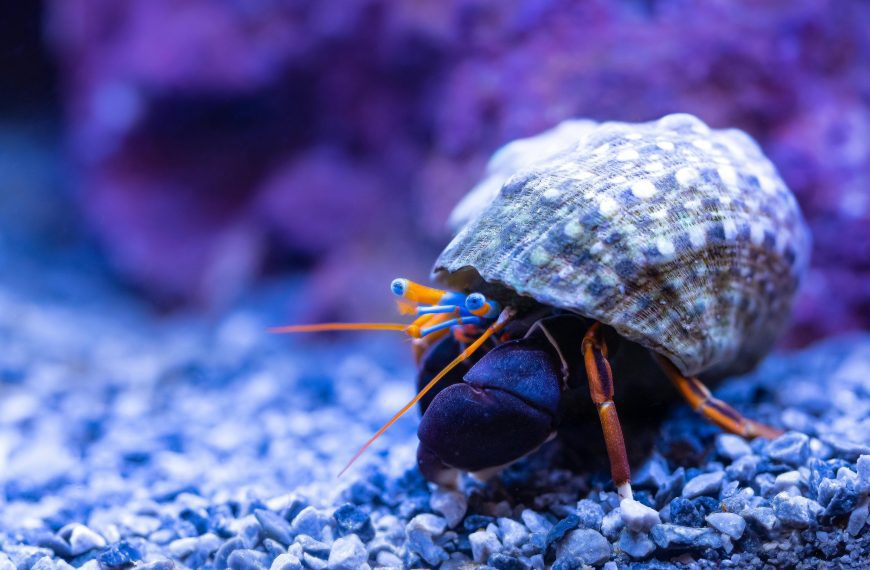
Best Reef Safe Cleanup Crew
The best reef safe cleanup crew includes hardy snails, selective scavengers, and a few specialty invertebrates matched to…
 By
By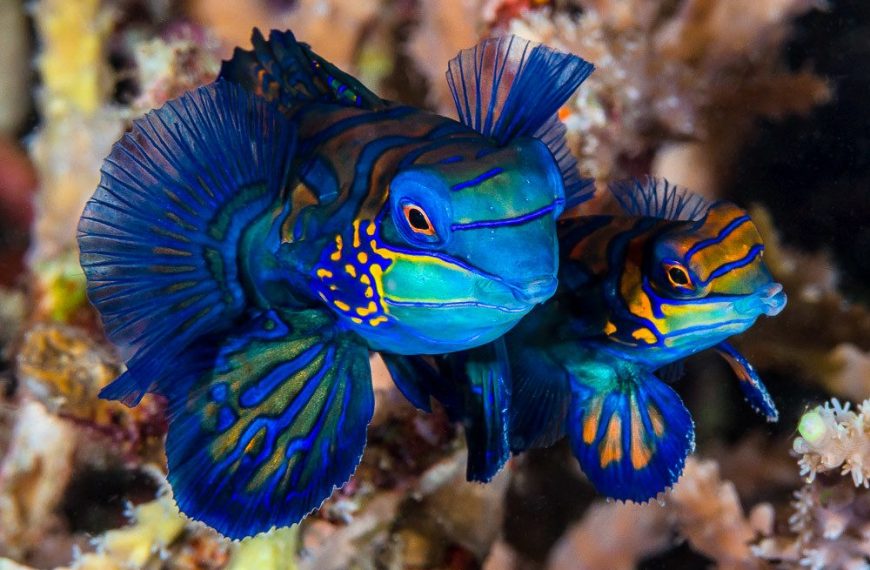
Dragonets Fish Care
Dragonets are beautiful reef fish, but they need mature tanks and steady food sources. Learn how to keep…