A reef tank can survive many emergencies. The key is planning before trouble starts. A simple disaster plan protects fish, corals, and bacteria during power outages, equipment failures, storms, and evacuations. This guide covers the most important backup tools, response steps, and prevention habits for reef aquariums.
Reef aquariums depend on stable oxygen, temperature, salinity, and circulation. Even short disruptions can cause serious losses. Many hobbyists focus on daily care but ignore emergency planning. That is risky. A return pump can fail at midnight. A storm can cut power for hours. A heater can stick on while you are away. Good disaster preparedness reduces panic and saves time when every minute matters. In this article, you will learn how to build an emergency reef plan, what supplies to keep on hand, how to respond to common disasters, and how to protect your tank during long outages or forced evacuations.
Quick Reference Table
| Emergency | Biggest Risk | First Priority | Best Backup |
|---|---|---|---|
| Power outage | Low oxygen | Restore aeration | Battery air pump or power station |
| Heater failure | Temperature drop | Slow warming | Spare heater and thermometer |
| Overheating | Heat stress | Cool the tank | Fans, controller, frozen bottles |
| Return pump failure | Low circulation | Keep water moving | Spare pump or wavemaker |
| Leak or cracked tank | Water loss | Move livestock fast | Brute cans, buckets, mixed saltwater |
| Contamination | Toxin exposure | Run carbon | Fresh carbon and water change water |
| Evacuation | Total system loss | Portable life support | Lidded bins, battery air pump, heat packs |
Why Reef Tanks Need a Disaster Plan
A reef tank is not like a freshwater bowl. It relies on life support equipment at all times. Pumps keep oxygen high. Heaters keep temperature stable. ATO systems hold salinity steady. Filtration supports bacteria that process waste. When one part fails, the rest can unravel quickly.
Fish usually suffer first from low oxygen. Corals often decline from heat, cold, or stagnant water. Sensitive SPS can bleach after major swings. Invertebrates may react badly to toxins or salinity changes. Beneficial bacteria also weaken if circulation stops for too long.
A written plan removes guesswork. It tells you what to do first. It also helps family members act if you are not home. Keep your plan simple. Focus on oxygen, temperature, and clean water. Those three factors decide most reef emergencies. For general stability tips, see: reef tank maintenance schedule, ideal reef tank parameters, and how to mix saltwater for a reef tank.
Build an Emergency Reef Kit
Every reef keeper should keep an emergency kit near the tank. Do not scatter supplies around the house. Store them in one labeled bin. Check it every few months.
Your kit should include a battery air pump, spare airline tubing, and extra airstones. Add a spare heater, spare return pump if possible, and at least one spare wavemaker. Keep thermometers that do not depend on Wi-Fi. Store towels, buckets, and a siphon hose. Have pre-measured salt mix ready for quick batches of water.
Fresh activated carbon is essential. It helps during contamination events. Ammonia test kits and a refractometer matter too. Keep extension cords, power strips, and a flashlight with fresh batteries. A small power station or generator is even better. If you use controllers, label every plug. That saves time during a rushed shutdown or restart.
Also print your livestock list. Include coral names, fish counts, and dosing details. If someone helps you, that list is valuable. For equipment planning, see: best return pump sizing and reef tank controller basics.
Step-by-Step Emergency Response Plan
When disaster hits, move in order. Do not chase every issue at once. Start with the basics.
- Check livestock behavior first. Gasping fish means oxygen is urgent.
- Confirm what failed. Is it power, heat, flow, or a leak?
- Restore water movement. Use a battery air pump or backup wavemaker.
- Check temperature. Verify with a separate thermometer.
- Protect salinity. Stop ATO mistakes and cover open containers.
- Test ammonia if filtration stopped or livestock died.
- Run fresh carbon if contamination is possible.
- Prepare new saltwater for a water change.
- Document what happened. This helps prevent repeat failures.
This order works because oxygen loss kills quickly. Temperature comes next. Water quality often declines more slowly, though not always. If a tank is leaking, skip ahead and save livestock first. Place fish and corals in heated, aerated containers with tank water. Stability beats perfection during a crisis.
Power Outages: The Most Common Reef Disaster
Power outages are the most common reef emergency. In most cases, oxygen is the first concern. Without pumps, gas exchange drops fast. This is worse in heavily stocked tanks and warm rooms.
Use a battery air pump right away. Aim for strong surface agitation. If you own a portable power station, run a wavemaker before lights. Corals can handle darkness for a while. They handle stagnant water poorly. During long outages, cycle power to one pump at a time to conserve battery life.
Do not feed heavily during an outage. Extra waste raises oxygen demand and ammonia risk. Keep the tank covered in winter to hold heat. In summer, open the canopy and use battery fans if possible. If you own a generator, test it before storm season. Store fuel safely. Never run a generator indoors.
After power returns, restart equipment one piece at a time. Check the sump water level. Verify the skimmer does not overflow. Inspect heaters, ATO sensors, and dosers before leaving the system alone.
Temperature Emergencies
Reef tanks handle small temperature swings. They do not handle extremes well. A failed heater can chill a tank overnight. A stuck heater or hot room can push temperatures into dangerous territory fast.
If the tank is too cold, warm it slowly. Add a spare heater and increase room temperature. Avoid rapid jumps. Sudden correction can stress fish and corals further. If the tank is too hot, shut off lights, open the lid, and aim fans across the surface. Float sealed frozen water bottles if needed. Replace them often. Do not let freshwater leak into the tank.
A temperature controller is one of the best prevention tools. It cuts power if a heater sticks on. It also alerts you before the problem becomes severe. Keep two smaller heaters instead of one oversized unit. That reduces the chance of a catastrophic overheating event.
Leaks, Cracks, and Flooding
A leaking tank or sump is a true emergency. Water loss threatens livestock and your home. Act fast but stay organized.
First, cut power to any equipment near the leak. Then identify the source. A bulkhead, hose, union, or overflow is often the problem. Tighten fittings only if safe. Do not force cracked parts. If the display or sump is failing, move livestock into food-safe containers. Use tank water, heaters, and battery air pumps. Brute trash cans work well for temporary holding.
Keep mixed saltwater ready if you have room. Even 20 to 30 gallons can make a big difference during a leak. Store extra towels and a wet-dry vacuum if possible. Once livestock is safe, inspect the cause. Old tubing, brittle plastic, and loose clamps are common culprits. Replace worn plumbing before it fails.
Contamination and Chemical Accidents
Reef tanks can crash after accidental contamination. Common sources include cleaning sprays, soap residue, metal tools, aerosols, and overdosed additives. Children and pets can also create surprises.
Warning signs include sudden coral closure, fish distress, cloudy water, or unusual skimmer behavior. If contamination is suspected, run fresh activated carbon immediately. Increase aeration. Perform a large water change if livestock looks stressed. Stop all nonessential dosing until you understand the cause.
Never use household cleaners near an open tank. Wash hands well before maintenance. Rinse new equipment before use. Keep all additives labeled and separate. If you dose manually, use measuring tools that stay with aquarium products only. Prevention matters more than cure here. Many toxins act fast, and some leave little time to react.
Evacuation and Temporary Relocation
Sometimes the problem is bigger than the tank. Hurricanes, wildfires, and home repairs may force you to leave. In that case, a portable survival plan matters.
Use lidded bins, fish bags, or insulated coolers for transport. Separate aggressive fish. Keep corals from touching each other. Use battery air pumps for fish containers. Heat packs or cool packs can help during travel, but avoid direct contact with livestock bags.
If relocation lasts more than a day, prioritize fish, high-value corals, and essential live rock. Deep sand beds are harder to move safely. Disturbing old sand can release waste. In many cases, it is better to keep only a shallow amount of clean top sand and replace the rest later. At the destination, aim for heat, flow, and stable salinity first. Fancy lighting can wait.
Common Problems
Fish are gasping after the power went out
This usually means low oxygen. Add a battery air pump at once. Lower the water level slightly if needed to create more splash. Stop feeding. If you have backup power, run a wavemaker before lights or skimmers.
Corals look fine at first, then decline later
Delayed stress is common. Corals may react hours after a temperature swing or stagnant period. Test alkalinity, salinity, and temperature. Check for tissue recession, brown jelly, or bleaching. Restore stability, not perfection.
The skimmer overflows after power returns
Sump water levels often change after outages. Oils or additives can also trigger overflow. Raise the skimmer cup, reduce air intake, or leave it off briefly. Restart it only after the water level stabilizes.
Ammonia appears after a major failure
This can happen after livestock death or prolonged filtration loss. Remove dead animals fast. Perform a water change. Add fresh carbon and monitor closely. Feed lightly until the biofilter recovers.
Prevention Habits That Reduce Disaster Risk
The best emergency is the one that never happens. Inspect your reef system often. Replace heaters every few years. Clean pumps so they restart reliably. Test GFCI outlets and battery backups. Label every power cord. Secure plumbing and check for salt creep around fittings.
Set alarms for temperature and power loss if your controller allows it. Ask a trusted friend to learn the basics. Leave printed instructions near the tank. Include your target temperature, salinity, and emergency phone number. Keep at least some mixed saltwater and extra RODI water ready at all times.
Finally, practice your plan. Simulate a power outage for ten minutes. See what turns off. Learn how long your backup runs. Small tests reveal weak points before a real emergency does.
Frequently Asked Questions
How long can a reef tank go without power?
It depends on temperature, stocking, and water movement. Oxygen can become critical within hours. Battery aeration greatly extends survival time.
What is the best backup for a reef aquarium?
A battery air pump is the cheapest must-have. A portable power station or generator offers much better protection for longer outages.
Should I run lights during an outage?
No, not first. Prioritize flow and aeration. Most corals tolerate darkness longer than low oxygen.
How much emergency water should I keep mixed?
Keep as much as space allows. Many hobbyists store 10 to 25 percent of system volume. Even a smaller reserve helps.
Do I need a generator for a small reef tank?
Not always, but it helps. Small tanks can crash fast because they change quickly. At minimum, keep battery aeration and a spare heater.
Disaster preparedness for reef aquariums is really about protecting stability. You do not need a perfect setup. You need a practical plan, tested backups, and calm priorities. Start with oxygen, temperature, and clean water. Build from there. Your future self, and your reef, will thank you.
Was this helpful?
Related Posts
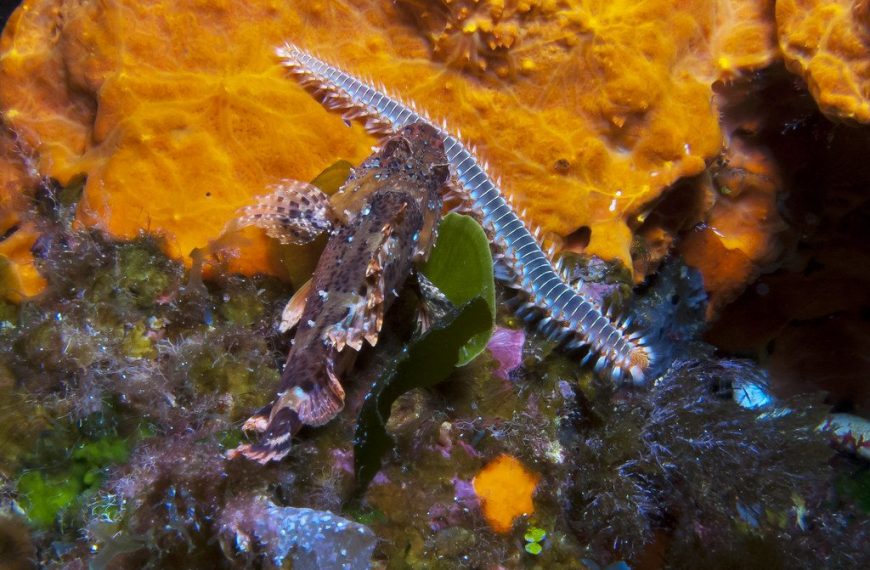
Bristleworms
Bristleworms are usually helpful reef tank scavengers. Learn how to identify them, control numbers, and spot the rare…
 By
By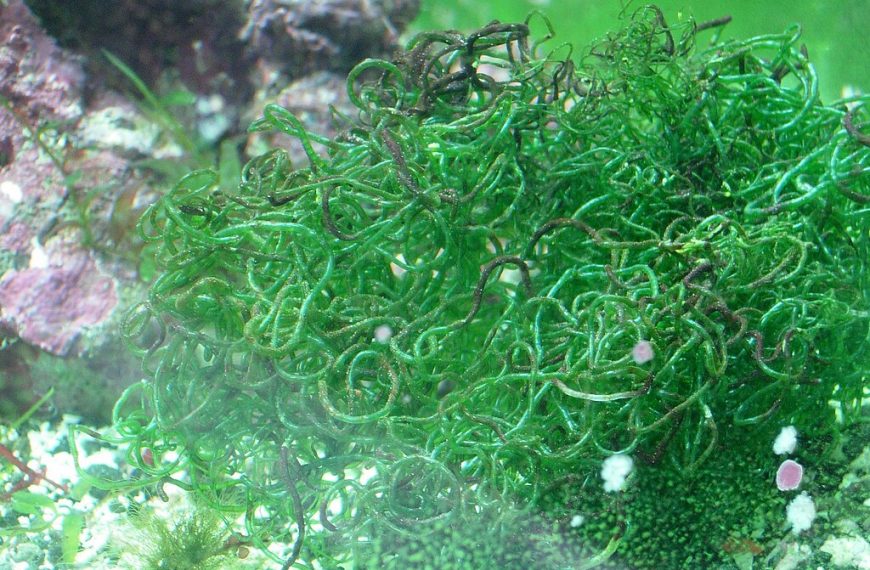
What is a Chaeto Reactor, and How Does it Help Control Nutrients?
A chaeto reactor grows macroalgae in a sealed chamber to remove nitrate and phosphate, helping reef tanks control…