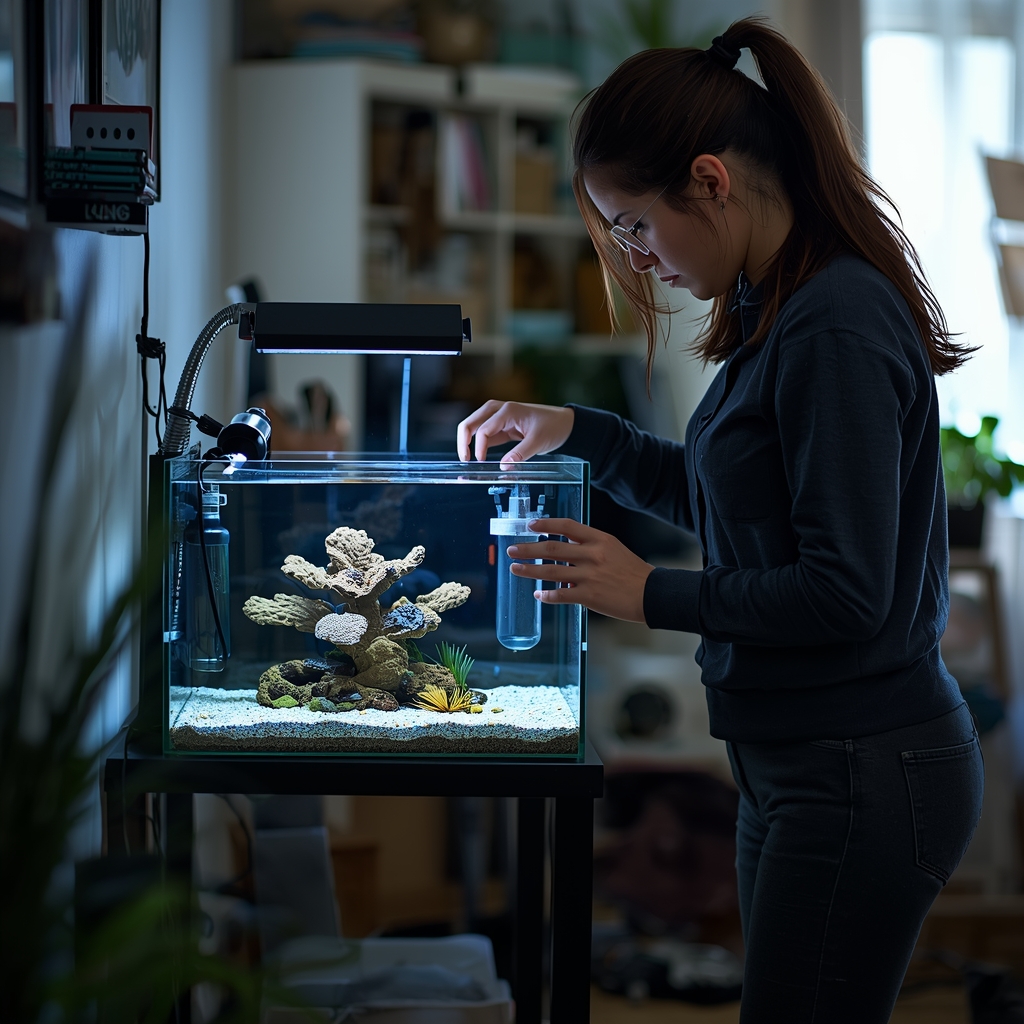
Quarantine is the best insurance you can buy for a reef tank. It stops parasites and pests before they reach your display. It also gives new animals time to eat and recover from shipping.
Why quarantine matters in reef systems
Reef tanks hide problems until they explode. Coral and rock make catching fish hard. A simple quarantine tank keeps risk away from your display. It also protects expensive coral colonies.
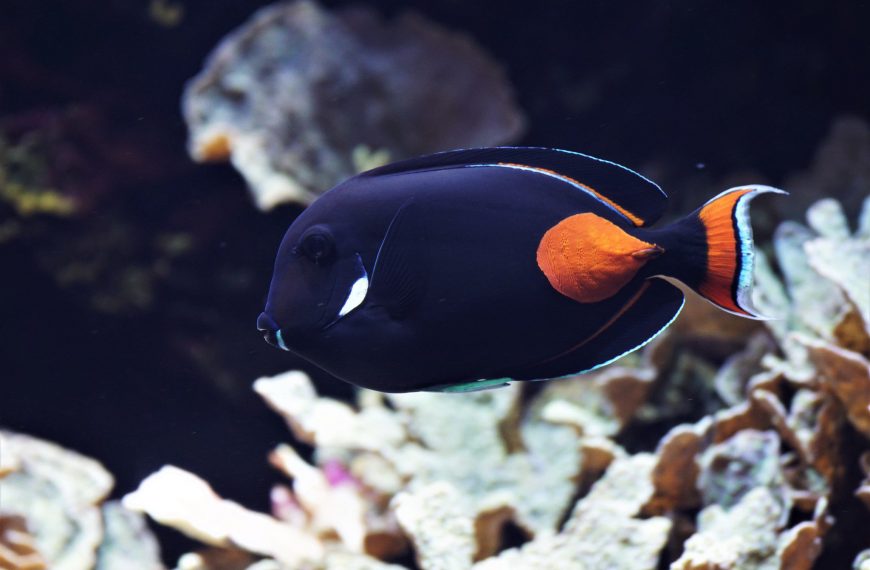
Fish can carry ich and velvet with no visible spots. Stress can trigger outbreaks after a few days. A four week quarantine often reveals issues early. You can then treat in a controlled space.
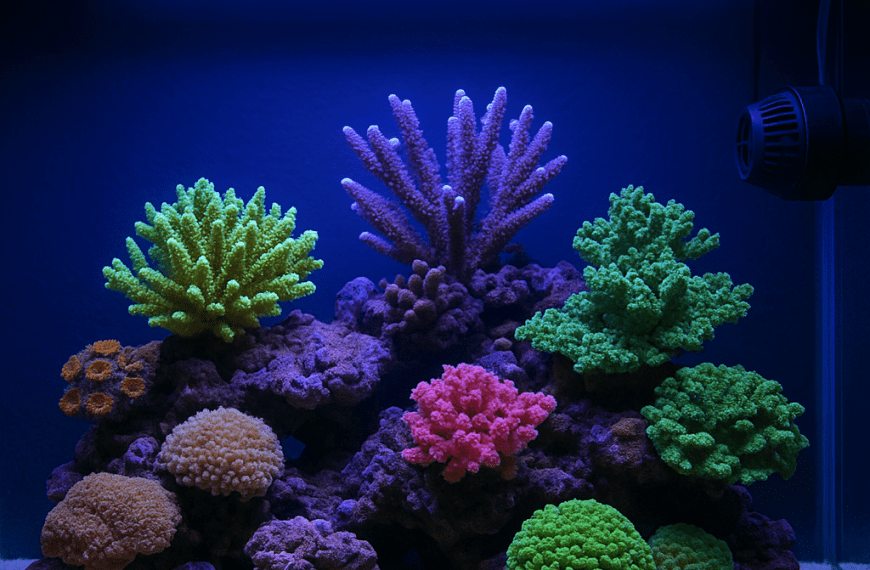
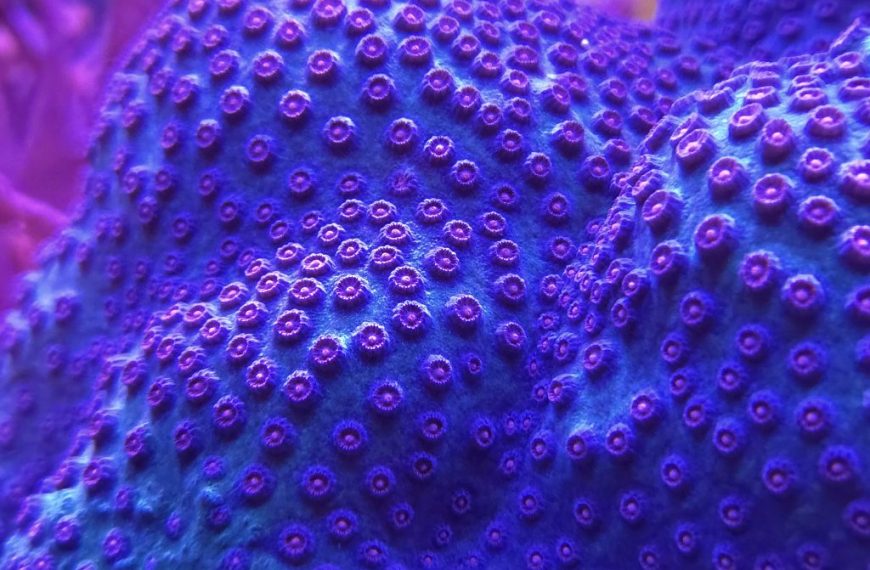
Corals and inverts bring different threats. Think flatworms, nudibranchs, and algae spores. These pests can hitchhike on plugs and frag racks. Quarantine lets you dip and observe without rushing.
Quarantine also improves long term success. New fish learn your foods without competition. You can watch breathing rate and poop. That helps catch flukes or internal worms early. For feeding ideas, see reef fish feeding guide.
- Prevent parasites: ich, velvet, flukes, brooklynella.
- Prevent coral pests: AEFW, red bugs, nudibranchs, vermetids.
- Reduce stress with stable light, flow, and quiet feeding.
Setting up a simple quarantine tank
Keep quarantine simple and easy to clean. A 10 to 20 gallon tank works for most small fish. Use a bare bottom and a tight lid. Add PVC elbows for shelter.
Use a heater, thermometer, and sponge filter. Seed the sponge in your sump for two weeks. That builds beneficial bacteria. Keep an air stone ready for extra oxygen.
Match display parameters to reduce stress. Aim for 1.025 specific gravity and 25 to 26°C. Keep pH near 8.1 to 8.3. Hold ammonia and nitrite at 0 ppm.
Test daily during the first week. Use an ammonia alert badge plus liquid tests. If ammonia hits 0.25 ppm, act fast. Do a 30 to 50% water change and dose a binder.
- Have premixed saltwater ready for emergency changes.
- Feed small amounts twice daily to limit waste.
- Siphon uneaten food after 10 minutes.
- Use a dedicated net and bucket for quarantine only.
Protocols for fish, corals, and troubleshooting
For fish, plan a minimum of 30 days in quarantine. Observe for spots, flashing, and heavy breathing. Many hobbyists use prophylactic treatment. Copper works for ich and velvet in fish only.
If you use copper, use a reliable test kit. Keep chelated copper at 1.5 to 2.0 ppm for 14 days. Follow the product label for your brand. Never add rock, sand, or inverts to copper.
For corals and inverts, use a separate coral quarantine. A small tank with light and flow is enough. Dip new corals on arrival and again in 5 to 7 days. Inspect with a flashlight and magnifier.
Common mistakes are rushing and mixing tools. Another mistake is skipping fallow planning after an outbreak. If parasites hit your display, run it fishless for 6 to 8 weeks. For more on stability, read reef tank water parameters and how to acclimate saltwater fish.
- Cloudy water: Reduce feeding and add extra aeration.
- Fish not eating: Offer frozen mysis, pellets, and nori sheets.
- Rapid breathing: Increase oxygen and check ammonia immediately.
- Coral pests seen: Remove frag plugs and repeat dips weekly.
Quarantine takes space and patience, but it saves livestock. It also keeps your reef stable and predictable. Start with a simple setup and refine your routine over time.
Sources: Humblefish Disease Guides; Fenner, R. The Conscientious Marine Aquarist; Borneman, E. Aquarium Corals; Delbeek & Sprung, The Reef Aquarium Vol. 1-3
Was this helpful?
Related Posts
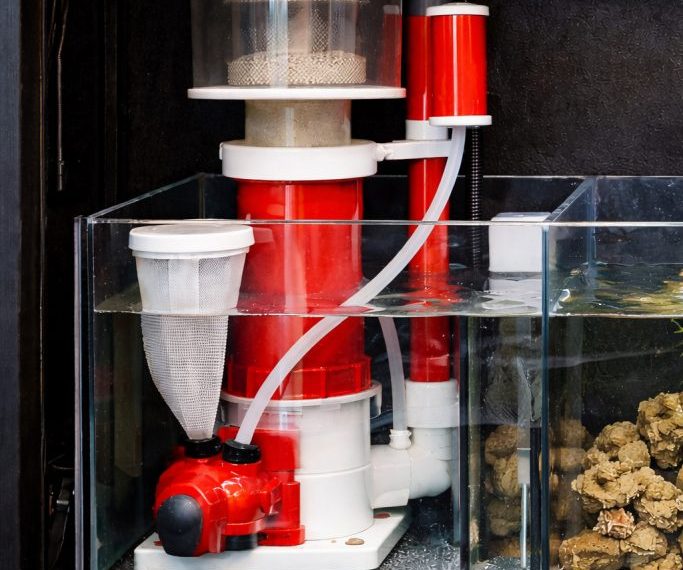
Protein Skimmer Reef Tank Guide
Learn how a protein skimmer works, how to size one, and how to tune it for a cleaner,…
 By
By
Reef Aquarium Water Parameters
Learn the ideal reef aquarium water parameters, safe ranges, and how to keep salinity, alkalinity, nutrients, and pH…