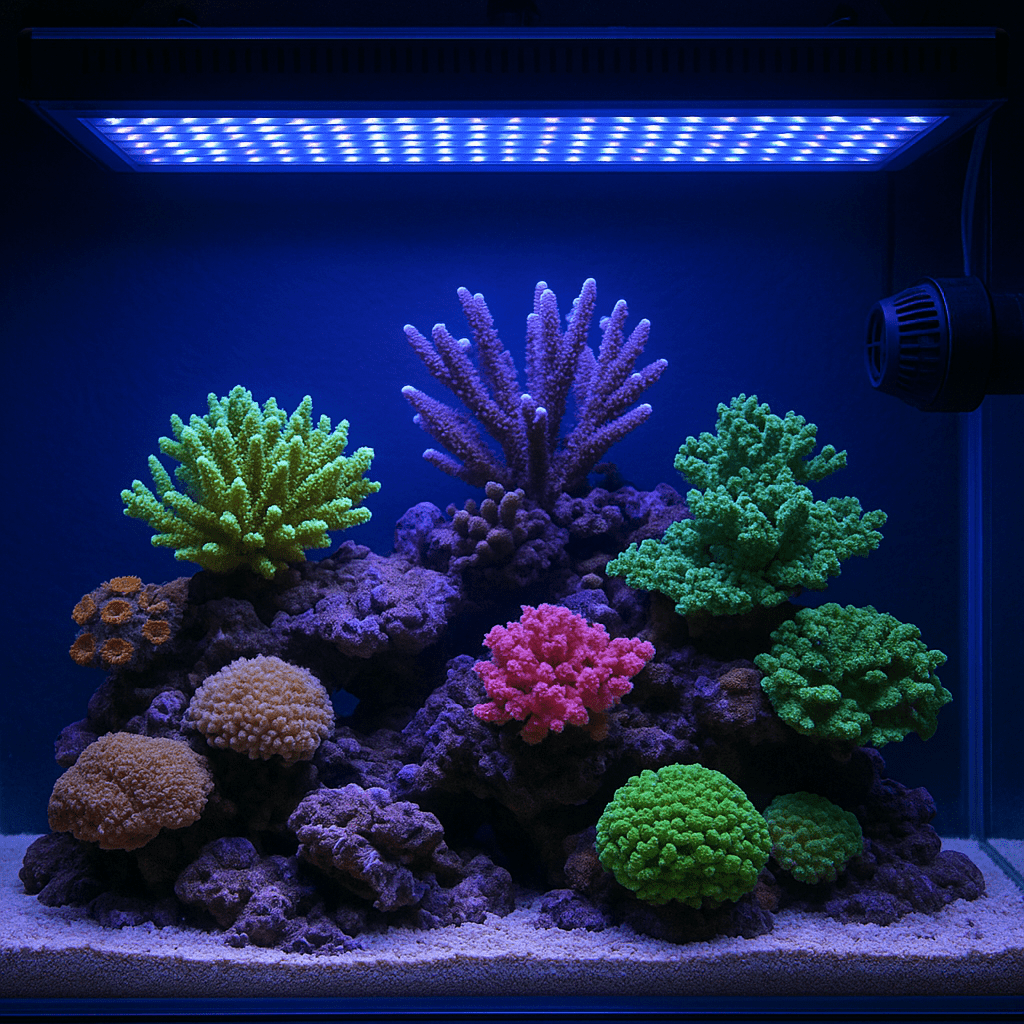
Aquarium Lighting

Sump plumbing basics come down to three goals. Move water safely. Keep the system quiet. Make maintenance easy. A good plumbing layout reduces floods, prevents noise, and helps your return pump perform well. Once you understand drains, returns, valves, and pipe sizing, sump plumbing becomes much less intimidating.

Many reef keepers worry most about lighting or coral placement. Plumbing often gets less attention at first. That is a mistake. Your sump plumbing controls how water travels between the display tank and filtration system. It affects overflow safety, skimmer performance, noise, microbubbles, and even temperature stability. In this guide, you will learn the core parts of a reef sump plumbing system, how to size and route pipes, how to choose between PVC and flexible tubing, and how to avoid common beginner mistakes. You will also learn practical setup tips that make future maintenance much easier.

Quick Reference Table

ComponentMain JobBest Practice
Overflow drainMoves water to sumpUse at least one emergency drain
Return pumpSends water back upMatch flow to overflow capacity
Gate valveFine flow adjustmentUse on siphon drains, not return shutoff only
Ball valveBasic on or off controlUse for isolation and service points
Union fittingLets parts disconnectInstall near pumps and key equipment
Check valveLimits backflowNever rely on it alone for flood prevention
Flexible tubingReduces vibrationUseful on return lines near the pump
Rigid PVCStrong permanent plumbingBest for clean, durable layouts

Use this table as a planning guide before you buy parts. It can save time and money.

What Sump Plumbing Does

A sump plumbing system has two basic paths. Water drains down from the display tank. Then a return pump pushes it back up. That sounds simple, but each part matters. The drain side must handle gravity flow safely. The return side must deliver steady flow without overwhelming the overflow.

Most reef tanks use the sump for filtration equipment. That includes a protein skimmer, heaters, probes, reactors, and refugiums. Plumbing determines how consistently that water reaches the sump. Poor plumbing can cause flushing sounds, salt creep, air bubbles, or unstable water levels. Good plumbing makes the whole tank easier to live with. It also makes the system safer during power outages and maintenance.

If you are still planning your system, read our guides on reef tank setup checklist, aquarium return pump sizing, and reef tank overflow box basics.

Main Parts of a Sump Plumbing System

The overflow is where water leaves the display. Reef-ready tanks usually have an internal overflow box with bulkheads in the bottom or back panel. Water enters the overflow through teeth or a weir. Then it flows down through one or more drain pipes.

The sump sits below the display. It receives the drain water and holds filtration equipment. The return pump sits in the sump or externally beside it. That pump pushes water through the return plumbing and back to the display.

Bulkheads connect plumbing through glass or acrylic. Unions allow sections to come apart. Valves control water movement. Elbows and tees change direction or split flow. Loc-Line or nozzles direct return flow inside the display. Every fitting adds resistance, so keep the layout simple when possible.

Drain Styles and Why They Matter

Not all overflow systems perform the same. The safest modern reef drains use more than one standpipe. The most common quiet method is the Herbie system. It uses a full siphon drain and a separate emergency drain. The siphon handles normal flow. The emergency stays dry unless something goes wrong.

A BeanAnimal system adds a third open channel drain. This design is very quiet and very safe. It is often the best choice for larger reef tanks. A single drain can work, but it offers less redundancy. That means more flood risk if a snail, algae, or debris blocks the line.

For most reef hobbyists, redundancy matters more than saving a little money. If your tank supports it, always include an emergency drain. That one choice can prevent major water damage.

Pipe Sizing Basics

Pipe size affects flow, noise, and safety. Beginners often make one mistake. They match pipe size to the pump outlet only. That is not always ideal. Many return pumps have smaller outlets than the plumbing should be. Upsizing the return line often improves flow and reduces head pressure.

Drain lines should never be undersized. Gravity drains need enough diameter to move water and air together. Common reef setups use one-inch or one-and-a-half-inch drains, depending on tank size and overflow design. Return lines are often three-quarter inch or one inch.

Always check the overflow rating and the pump flow chart. Look at actual flow at your expected head height. Head height includes vertical lift plus resistance from elbows, valves, and fittings. Real-world flow is always less than the pump’s zero-head rating.

PVC vs Flexible Tubing

Rigid PVC is the standard choice for many reef tanks. It looks clean and lasts a long time. It is easy to support and route neatly. It also works well with unions, valves, and hard-plumbed manifolds.

Flexible tubing has advantages too. It absorbs vibration better than rigid pipe. That can reduce hum from the return pump. It also makes installation easier when space is tight. Spa flex PVC offers a middle ground. It glues into standard PVC fittings but bends gently around corners.

Many reef keepers combine both. They use rigid PVC for the main runs. Then they add a short flexible section near the return pump. That setup gives a cleaner look and less vibration. Whatever you choose, use reef-safe materials and secure all hose connections with proper clamps.

Step-by-Step: How to Plan Sump Plumbing

  1. Confirm the overflow style and bulkhead sizes on your tank.
  2. Check the sump layout and measure all available space.
  3. Choose a return pump based on desired turnover and head height.
  4. Decide on drain style. Herbie or BeanAnimal is preferred.
  5. Sketch the plumbing path before buying fittings.
  6. Keep drain runs direct and avoid unnecessary elbows.
  7. Add unions near the return pump and major service points.
  8. Use a gate valve on the siphon drain for fine tuning.
  9. Dry fit every part before gluing anything.
  10. Test the full system with freshwater before using saltwater.

This planning step prevents most plumbing headaches. It also helps you spot clearance issues before the tank is running. Leave enough room to remove the skimmer cup, pull the return pump, and access filter socks or rollers.

Valves, Unions, and Manifolds

Unions are one of the best plumbing upgrades you can make. They let you remove pumps, valves, and reactors without cutting pipe. Install them anywhere future service is likely. That usually means both sides of the return pump and around any hard-plumbed equipment.

Gate valves are better than ball valves for precise adjustment. They are especially useful on a full siphon drain. Ball valves are fine for simple shutoff points. A manifold is a branch line off the return pump. It can feed reactors, UV sterilizers, or media devices. This reduces the need for extra pumps.

Do not overcomplicate the manifold. Every branch reduces return flow. Add only what you need. Label valves if the system is complex. That helps during maintenance and emergencies.

Noise Control Tips

Noisy plumbing usually comes from air and unstable drain flow. A properly tuned siphon drain is often nearly silent. If you hear flushing or gurgling, the drain may be drawing too much air. Fine tuning the gate valve can stabilize the water level in the overflow box.

Return pump noise often comes from vibration. Use a silicone mat or soft pad under the pump. A short flexible section in the return line can help too. Secure loose pipes so they do not rattle against the stand. Keep the sump water level high enough to reduce splashing where drains enter.

Filter socks can quiet drain outlets, but they need regular cleaning. Dirty socks can raise water levels and reduce flow. If you use a roller mat, make sure the drain outlet is positioned correctly to avoid bypass and splashing.

Flood Prevention and Power Outage Safety

Every sump system should be tested for power loss. Turn off the return pump and watch what happens. Water from the overflow and return lines will drain down into the sump. The sump must have enough empty space to hold that extra water without overflowing.

Do not trust a check valve as your only protection. Check valves can fail from sand, snail shells, coralline algae, or simple wear. Instead, place return nozzles close to the water surface. Drill anti-siphon holes if needed. Keep those holes clean. Design the sump to handle normal backflow volume safely.

Emergency drains should remain unobstructed. Test them occasionally. A blocked primary drain should not cause a flood. That is the whole point of redundancy.

Common Problems

Why is my overflow loud?

The usual cause is poor drain tuning or too much air in the line. Check the water level in the overflow box. Adjust the siphon gate valve slowly. Wait between changes. Make sure the emergency drain is not carrying normal flow unless the system is designed that way.

Why does my sump fill too high when the pump shuts off?

Your return outlets may sit too deep in the display. That allows too much back-siphon. Raise the nozzles closer to the surface. Reduce return line volume if possible. Recheck sump operating level so more empty space remains during normal operation.

Why is my return pump flow weak?

Head pressure may be higher than expected. Clean the pump first. Then inspect for clogged tubing, dirty strainers, or blocked nozzles. Too many elbows and devices on the return manifold can also cut flow. Upsizing return plumbing sometimes helps.

Why are there microbubbles in the display?

Microbubbles often come from the drain section or skimmer chamber. Check for splashing where drains enter the sump. Make sure baffles are working correctly. Look for leaks on the suction side of external pumps. Also confirm the skimmer is not overflowing or breaking in.

Maintenance Tips for Long-Term Reliability

Inspect plumbing monthly. Look for salt creep, drips, and signs of stress around bulkheads. Tighten only as needed. Overtightening can crack fittings or tanks. Clean return pumps and check valves regularly. Remove coralline algae from nozzles and anti-siphon holes.

During maintenance, test your emergency drain and power-off capacity again. Reef systems change over time. New equipment, algae growth, and plumbing modifications can alter water levels. A quick test can catch problems before they become expensive.

If you want a cleaner and more stable filtration area, see our articles on sump maintenance schedule and protein skimmer setup tips.

Frequently Asked Questions

How much flow should go through a reef sump?

Most reef tanks do well with moderate sump turnover. About three to five times display volume per hour is common. In-tank flow should come mainly from wavemakers, not the return pump.

Should I glue all PVC fittings?

Most slip PVC joints should be glued for safety. Threaded fittings usually use thread sealant or tape instead. Never glue unions where they are meant to disconnect.

Is flexible tubing better than PVC?

Neither is always better. PVC is cleaner and more durable. Flexible tubing reduces vibration and can simplify awkward runs. Many hobbyists use both together.

Do I need a check valve?

A check valve can help, but it should never be your only flood protection. Design the sump to handle backflow safely even if the valve fails.

What is the best drain setup for a reef tank?

A BeanAnimal is often the best for silence and safety. A Herbie is also excellent and common. Both are better than a single drain when possible.

Final Thoughts

Sump plumbing basics are easier once you break them into simple parts. Focus on safe drains, realistic return flow, easy maintenance, and power-off testing. Use unions generously. Include an emergency drain whenever possible. Keep the layout simple and serviceable. A well-plumbed sump will make your reef tank quieter, safer, and much easier to enjoy for years.

Was this helpful?

Yes
No
Thanks for your feedback!

Related Posts

Bristleworms

Bristleworms are usually helpful reef tank scavengers. Learn how to identify them, control numbers, and spot the rare…

ByByfancy blogger Apr 5, 2026

What is a Chaeto Reactor, and How Does it Help Control Nutrients?

A chaeto reactor grows macroalgae in a sealed chamber to remove nitrate and phosphate, helping reef tanks control…

ByByfancy blogger Mar 18, 2026